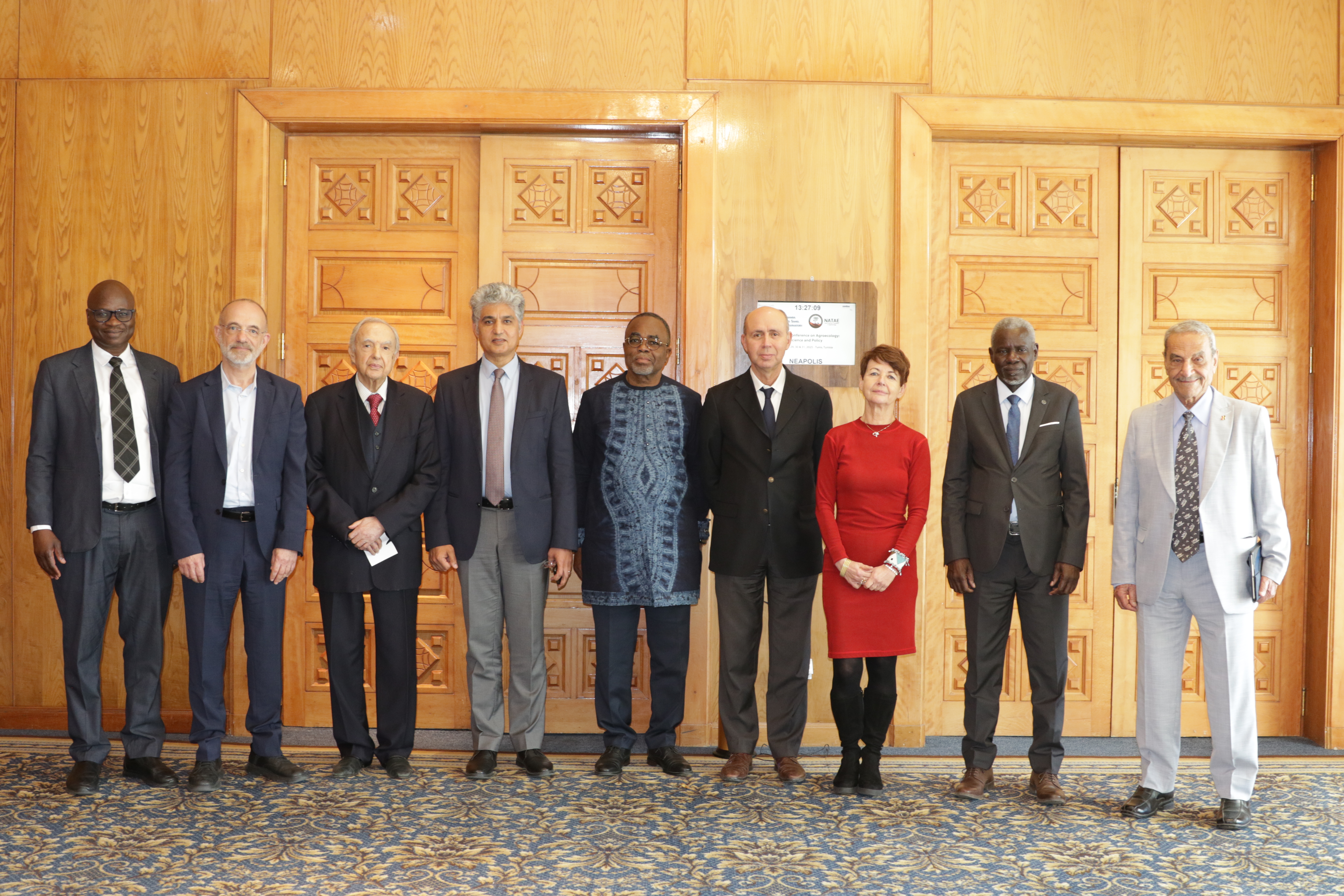
27th Session of the OSS Strategic Orientation Committee, Tunis, January 28, 2025
Held on January 28, 2025 in Tunis, the 27th session of the Strategic Orientation…
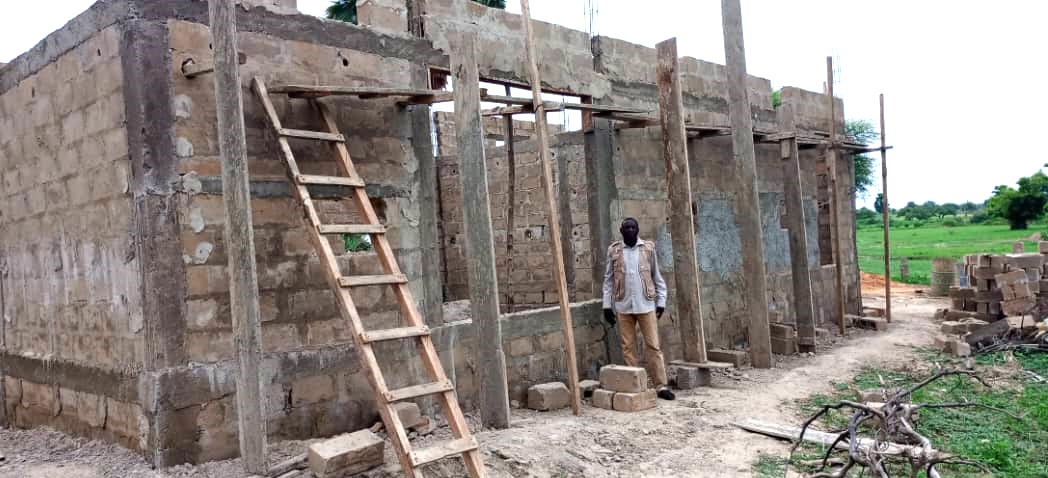
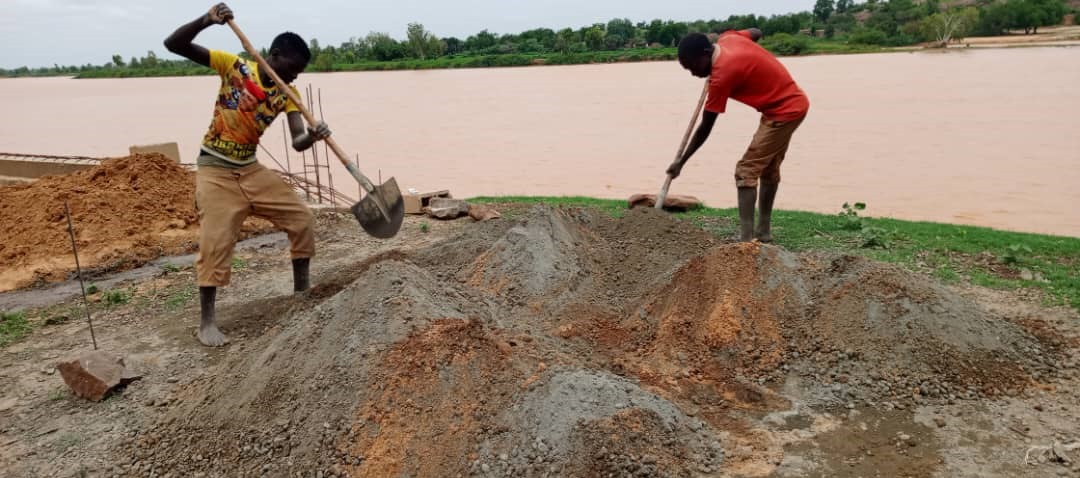
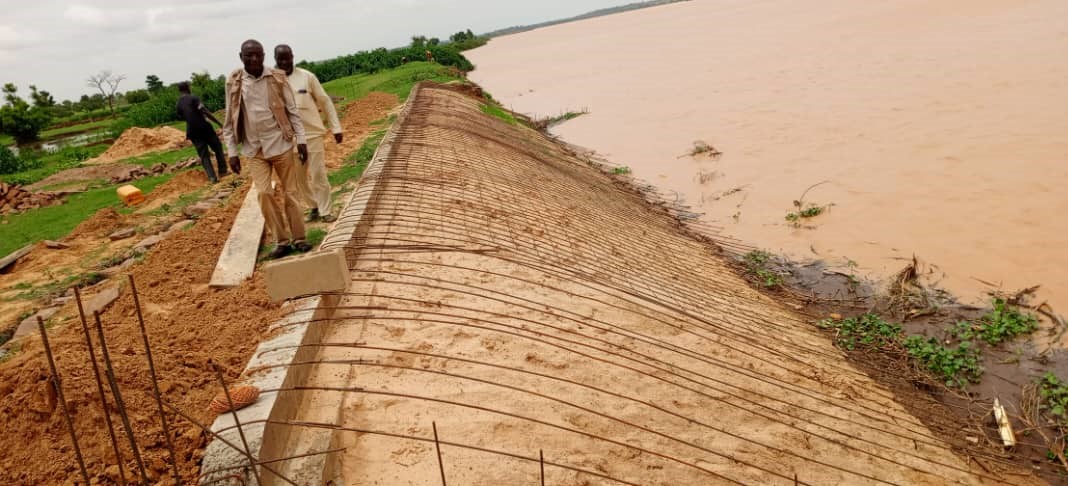
As part of the AdaptWAP project, significant infrastructural improvements are underway at two key sites in the Commune Rurale de Kirtachi, located in the Kollo Department of the Tillabéri Region (Niger). These initiatives aim to improve local living conditions, support economic activities, and enhance resilience against environmental challenges.
In Darey Bangou, one of the project's focal sites, several crucial developments are set to boost local fishing and aquaculture:
Construction of a Landing Dock: A new landing dock is being constructed in Darey Bangou. This infrastructure will facilitate the docking of fishing boats, thereby enhancing the efficiency of fish and aquatic product landing operations. It will also help reduce post-harvest losses and ensure better quality products reaching the market.
Rehabilitation of Old Ponds: The old ponds in Darey Bangou are being rehabilitated to restore their functionality and increase their production capacity. This initiative is vital for revitalizing local aquaculture and ensuring a continuous and sustainable fish production.
Construction of a Storage Facility and New Ponds: In addition to rehabilitating the old ponds, new ponds are being created to expand production capabilities. A storage facility is also being built to provide adequate space for storing aquatic products, ensuring their preservation under optimal conditions before commercialization.
In Guéimé, the AdaptWAP project focuses on building new infrastructure to support local activities:
These improvements in Darey Bangou and Guéimé are designed to enhance local production and resource management capabilities, thus improving the livelihoods of communities in the Tillabéri Region. By supporting fishing and aquaculture, the AdaptWAP project aims to ensure food security, create jobs, and promote local economic development.
The modern storage infrastructure and facilities will guarantee better product management, reduce post-harvest losses, and ensure high-quality products in local and regional markets. Additionally, by fostering resilience to climate change and environmental pressures, these initiatives will contribute to a more sustainable future for the local communities.
Held on January 28, 2025 in Tunis, the 27th session of the Strategic Orientation…
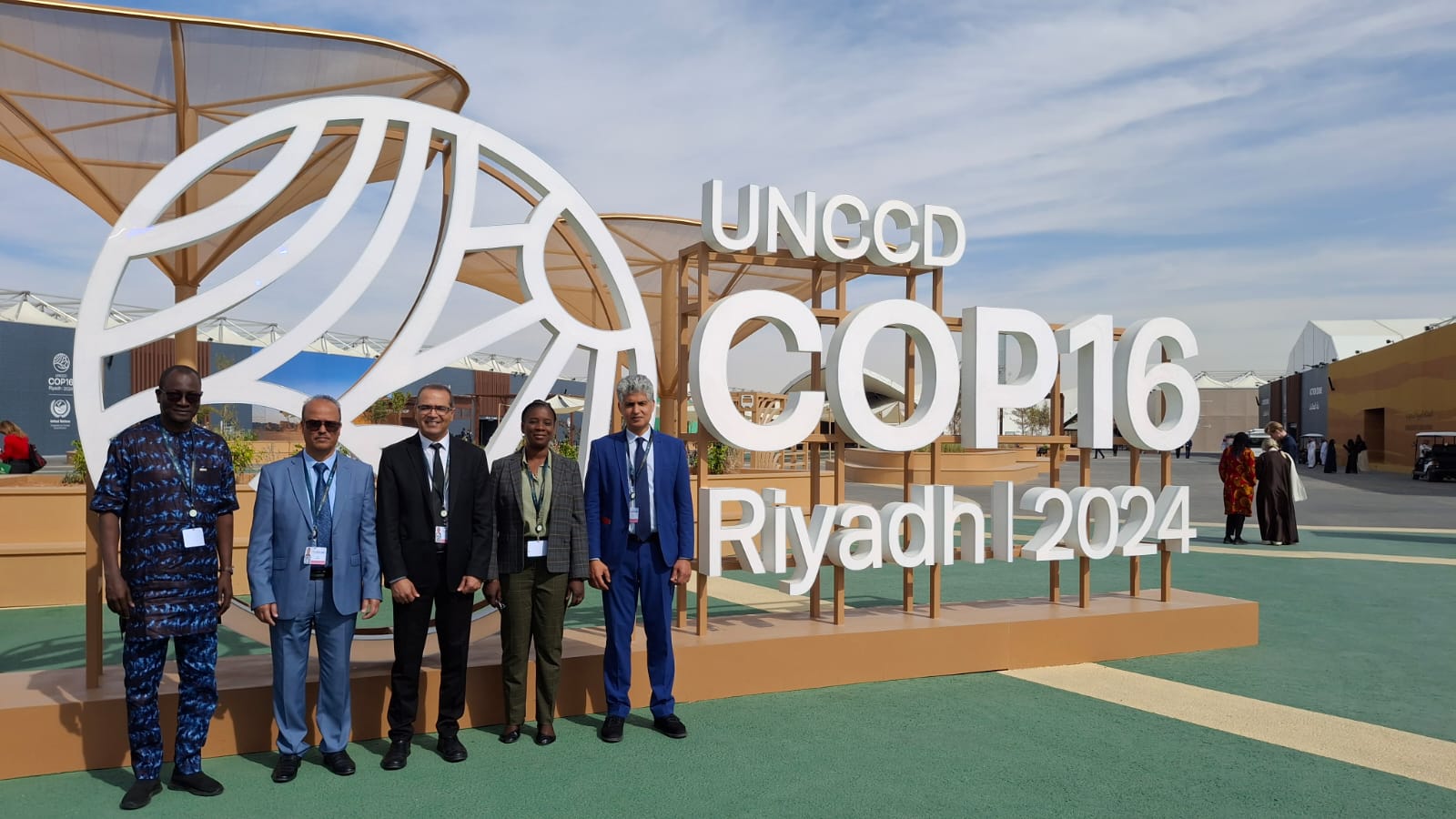
The participation of the Sahara and Sahel…
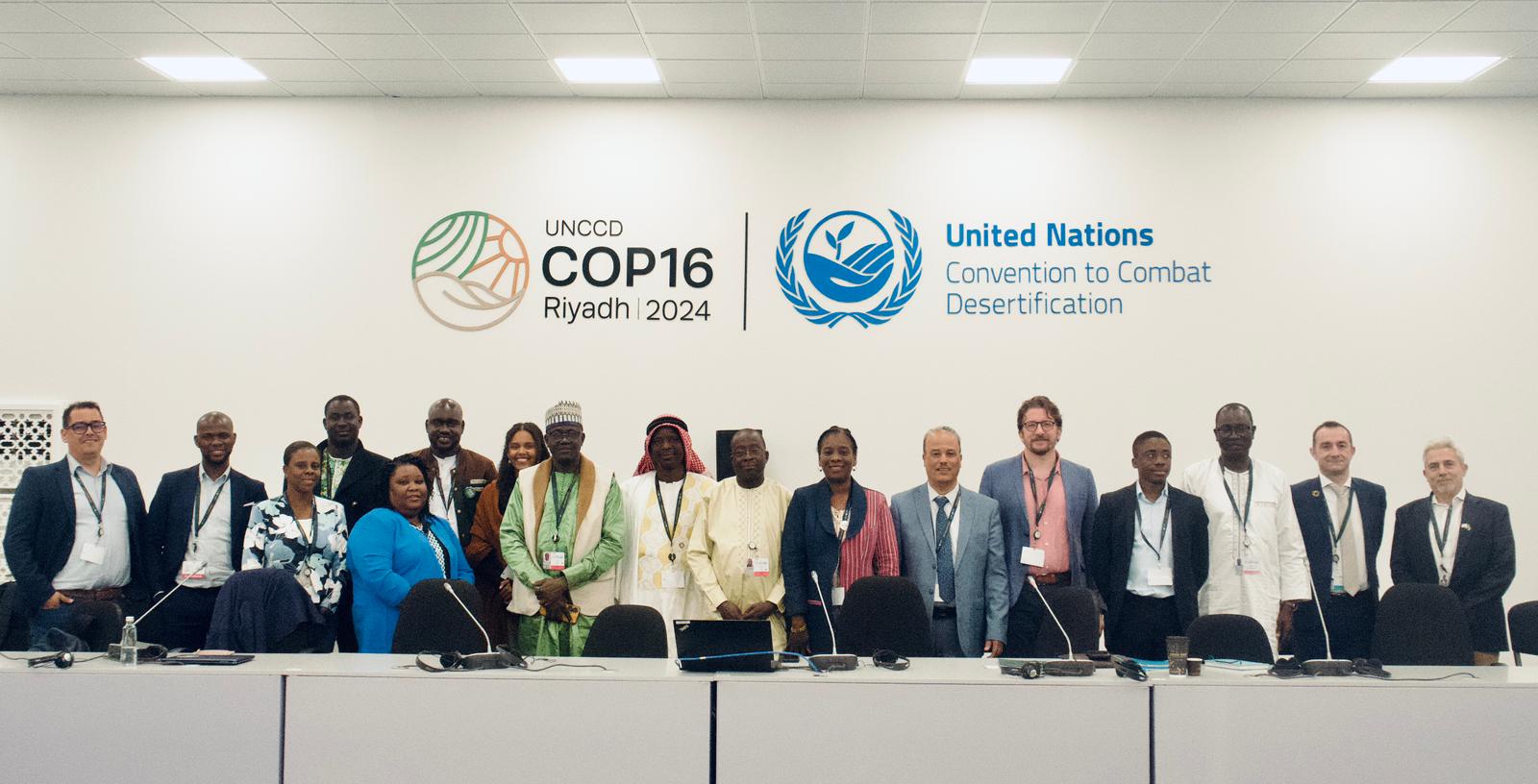
OSS Side Event at COP16: Strengthening Resilience in the Sahel through Multi-…