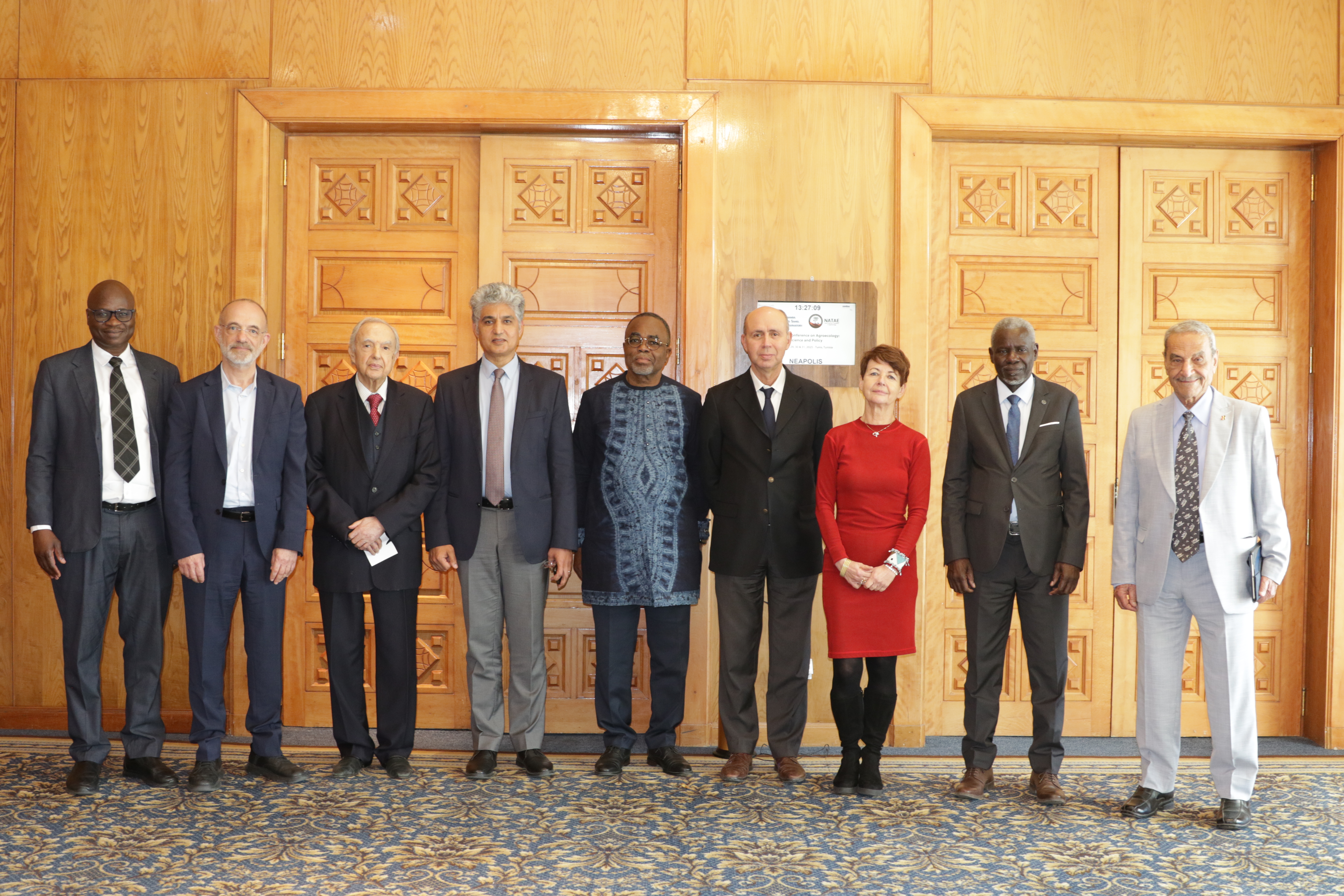
27th Session of the OSS Strategic Orientation Committee, Tunis, January 28, 2025
Held on January 28, 2025 in Tunis, the 27th session of the Strategic Orientation…
The Sahara and Sahel Observatory (OSS) is an international Organization with an African vocation, founded in 1992 and based in Tunis since 2000. It mainly works on creating and supporting partnerships to jointly address the challenges related to water resources management, as well as the implementation of international agreements on land degradation, biodiversity and climate change in Africa.
The OSS currently has 48 members, including 28 African countries and 7 non-African countries. In addition to these States, there are 13 entities representing Africa, the United Nations, and non-governmental organizations.
Collaboration between the OSS and its members is primarily aimed at strengthening joint efforts for a sustainable future in Africa.
The OSS mission is to help its African member countries sustainably manage their natural resources, in a particularly disadvantageous climate change context. Its action focuses on arid, semi-arid and dry sub-humid areas.
For this mission to be accomplished, the OSS is constantly developing expertise that allows it to shed light on current environmental issues and contribute to strategic brainwork on the sustainable land and water management.
Its actions cover three main areas:
The OSS supports its member countries in their fight against land degradation and desertification, as well as in the sustainable management of water resources and the reinforcement of the populations' resilience.
It is also committed to protecting the biological heritage and develops concepts and methodologies dedicated to environmental monitoring, natural resources management and climate change adaptation. This commitment is supported by the scientific and technical programs that structure its strategy, namely: 'Land', 'Water', 'Climate', and 'Biodiversity'.
These programs aim to promote integrated and collaborative management of natural resources in Africa.
Thanks to its accreditations with the Green Climate Fund (GCF) and the Adaptation Fund (AF), the OSS relies on knowledge transfer, capacity building and awareness raising among all stakeholders to help countries implement projects on mitigating climate change impacts on the populations and ecosystems.
Held on January 28, 2025 in Tunis, the 27th session of the Strategic Orientation…
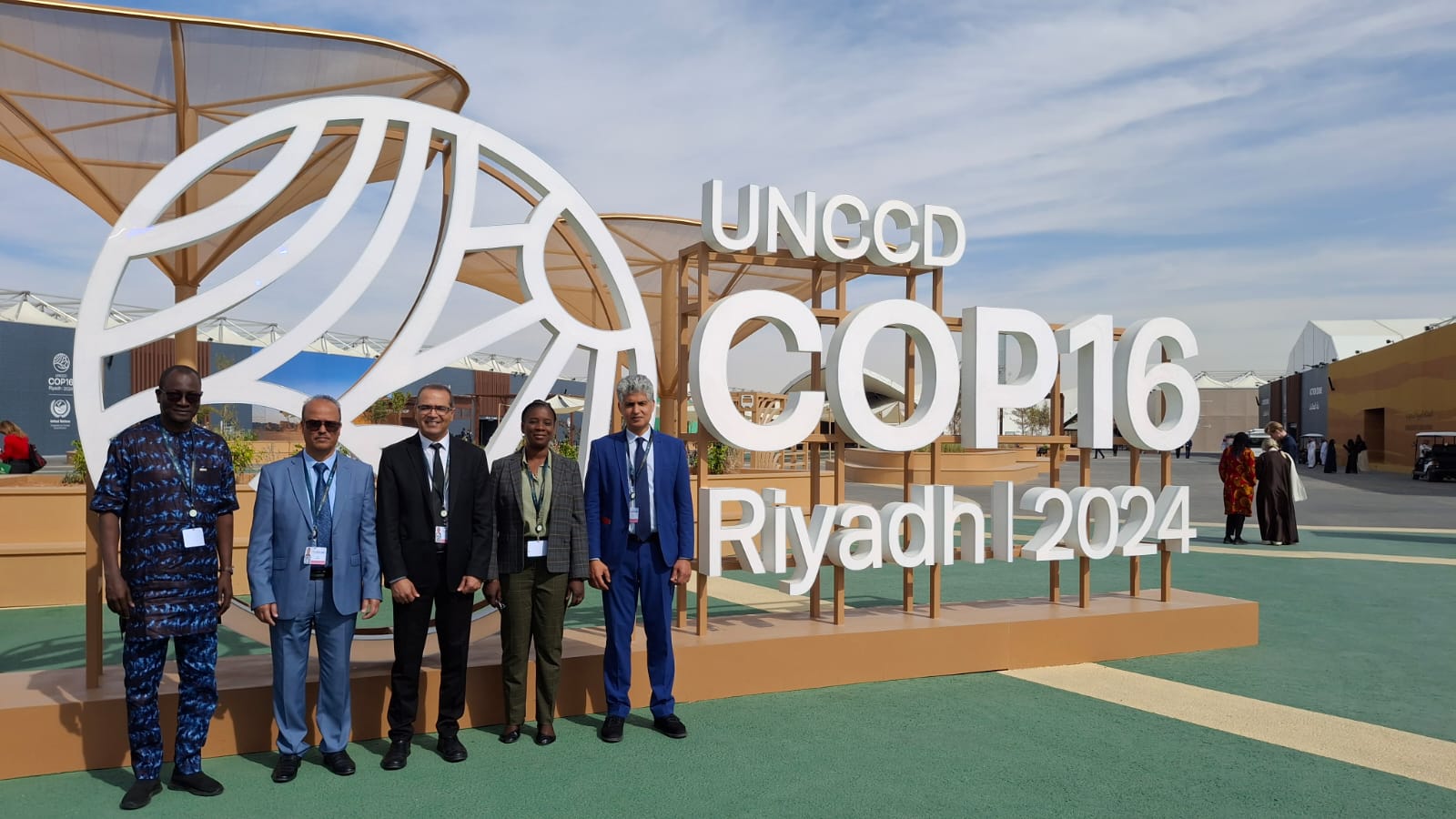
The participation of the Sahara and Sahel…
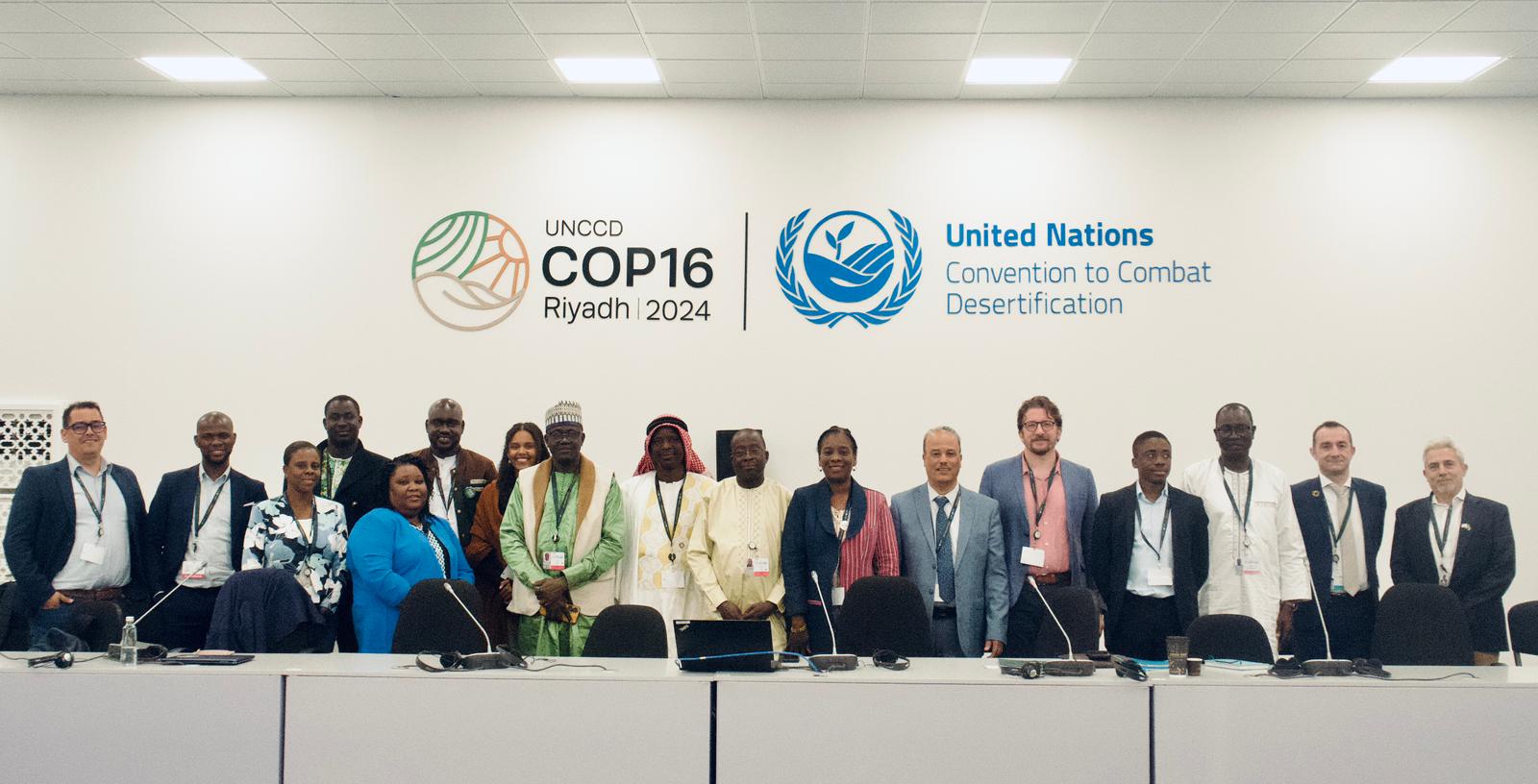
OSS Side Event at COP16: Strengthening Resilience in the Sahel through Multi-…