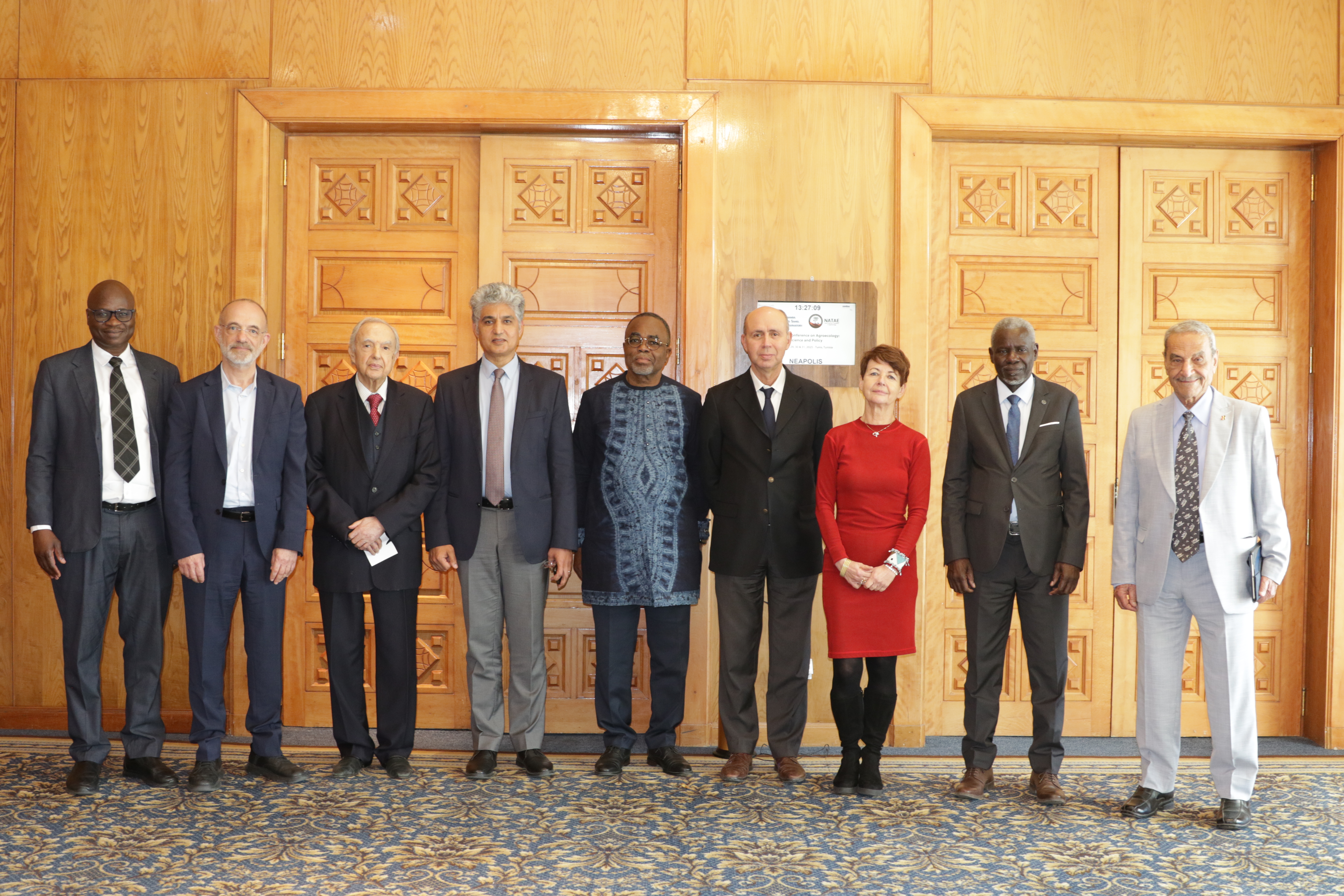
27th Session of the OSS Strategic Orientation Committee, Tunis, January 28, 2025
Held on January 28, 2025 in Tunis, the 27th session of the Strategic Orientation…
Nairobi, Kenya | 31 July – 7 August 2026
Strengthening scientific and technical cooperation among African countries is a key lever for accelerating the implementation of the Kunming-Montreal Global Biodiversity Framework. Within this dynamic, the Sahara and Sahel Observatory (OSS) is consolidating its role as an interface between scientific expertise, country needs and international support mechanisms.
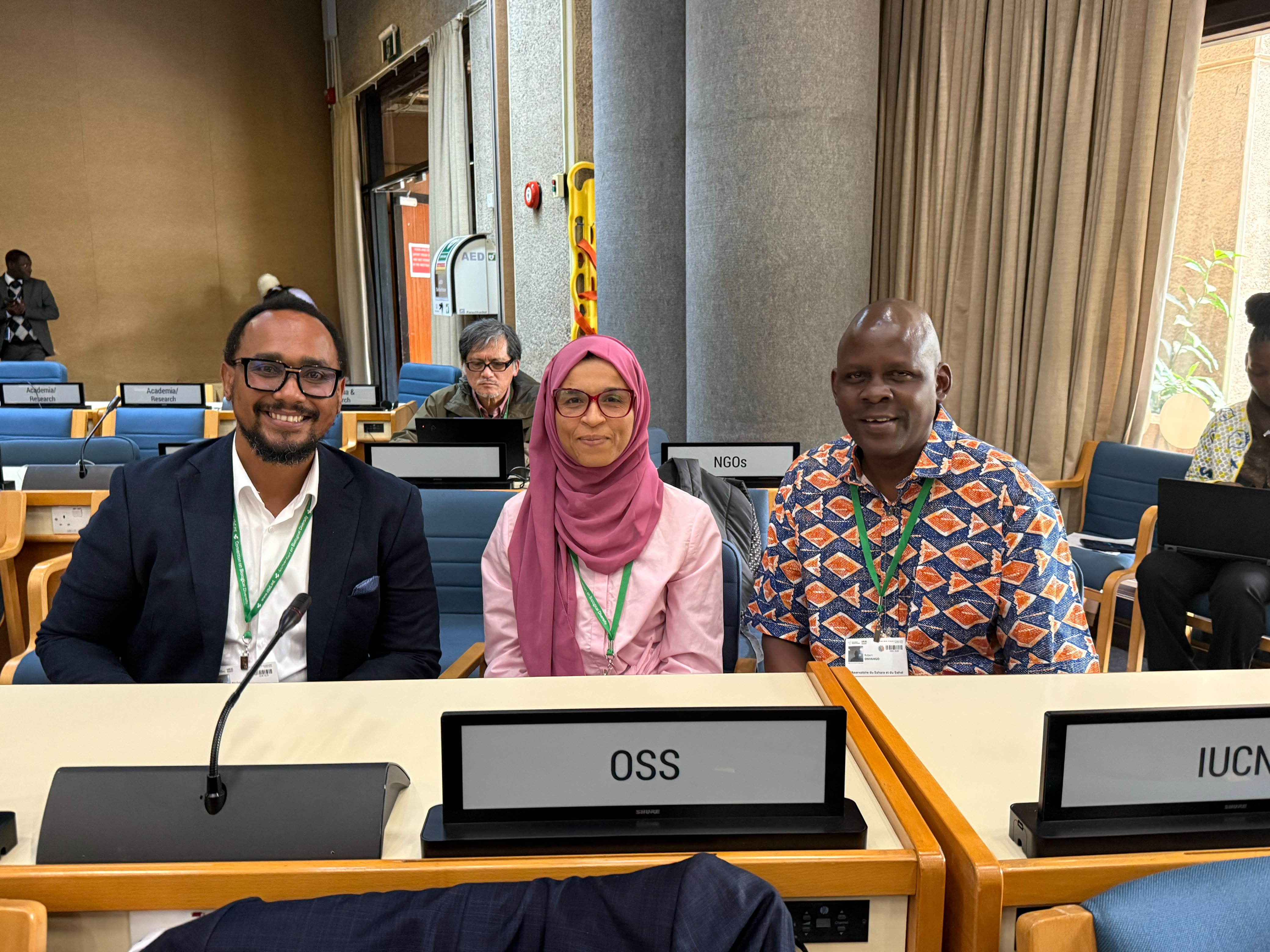
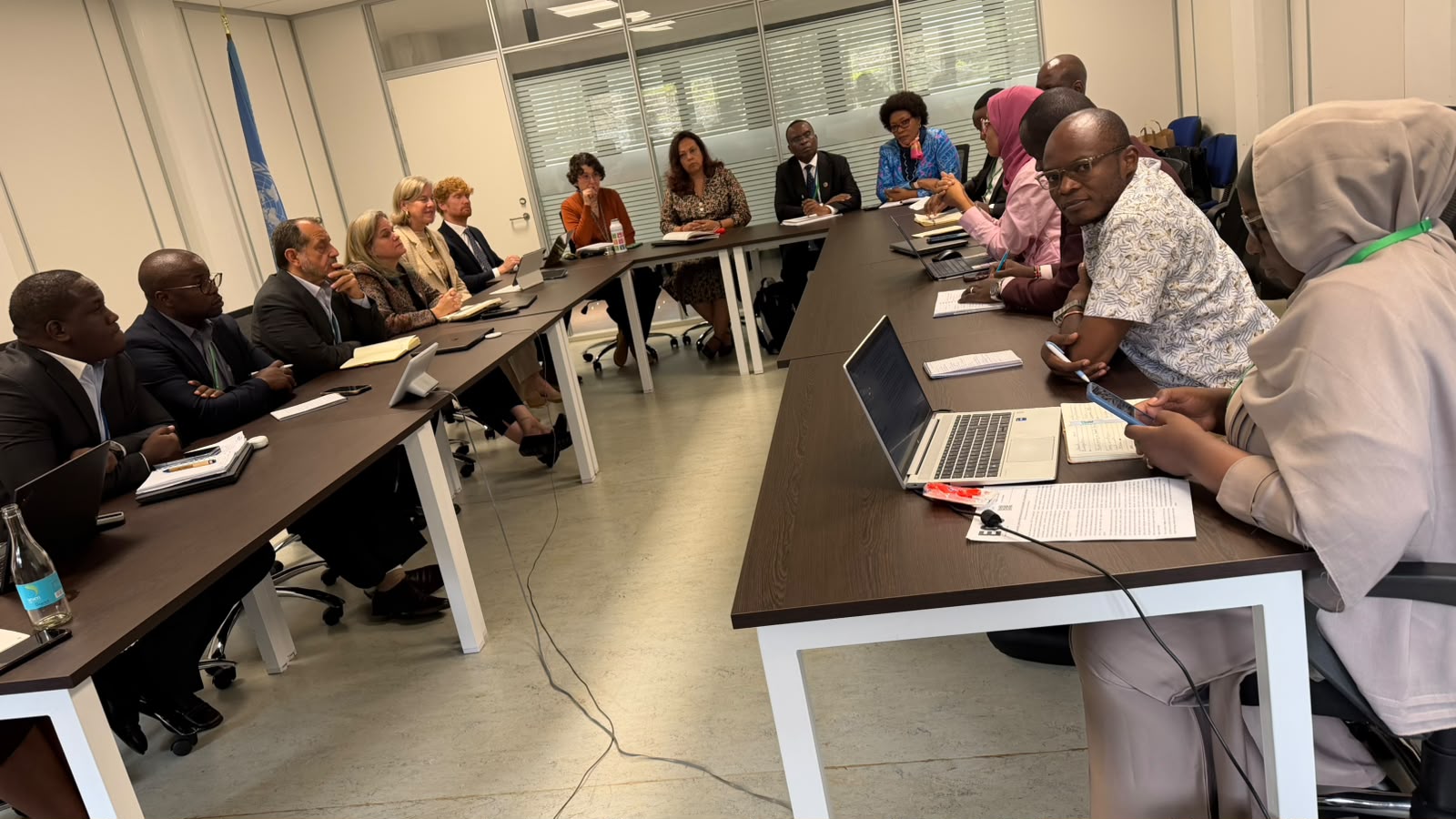
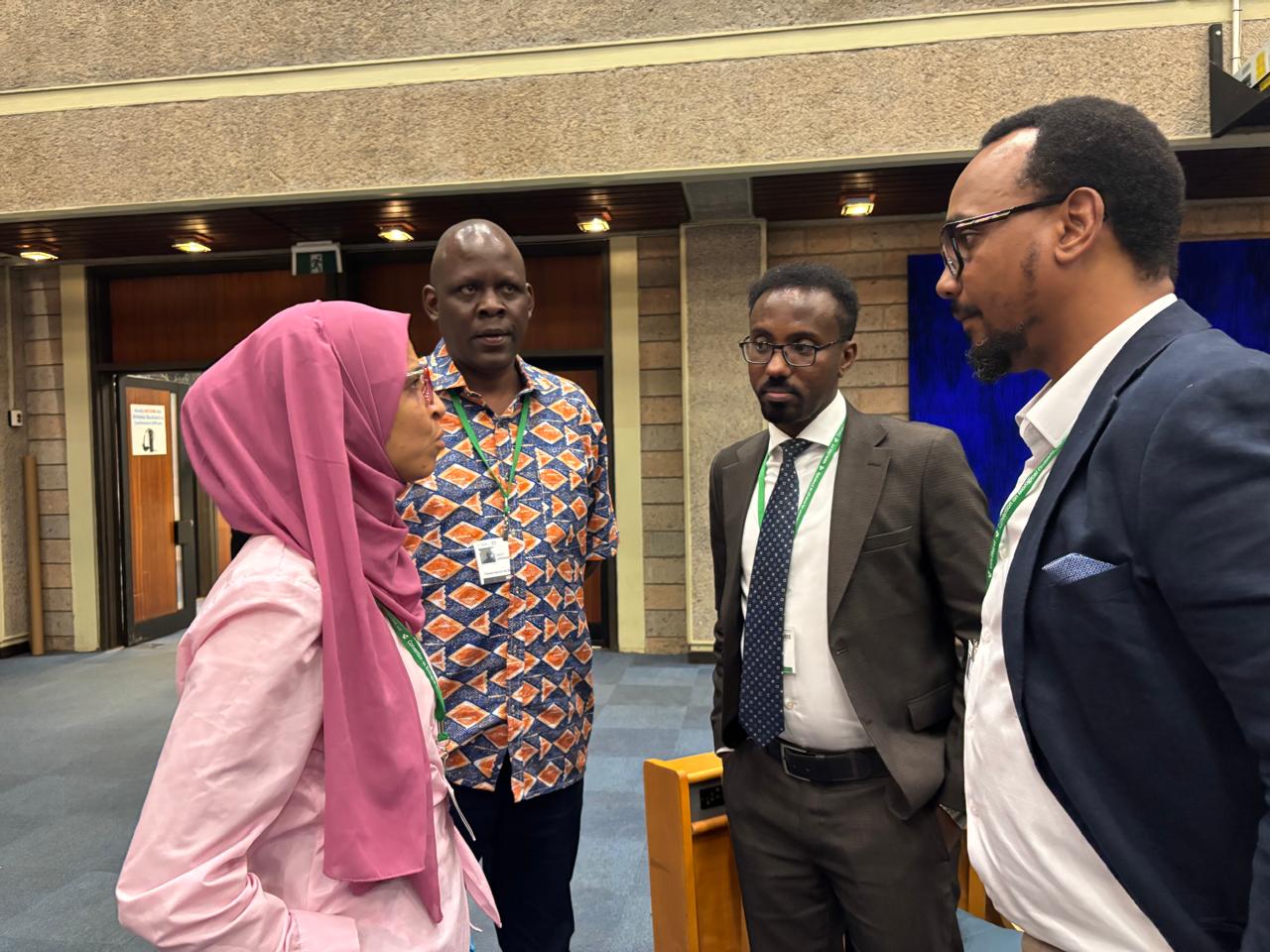
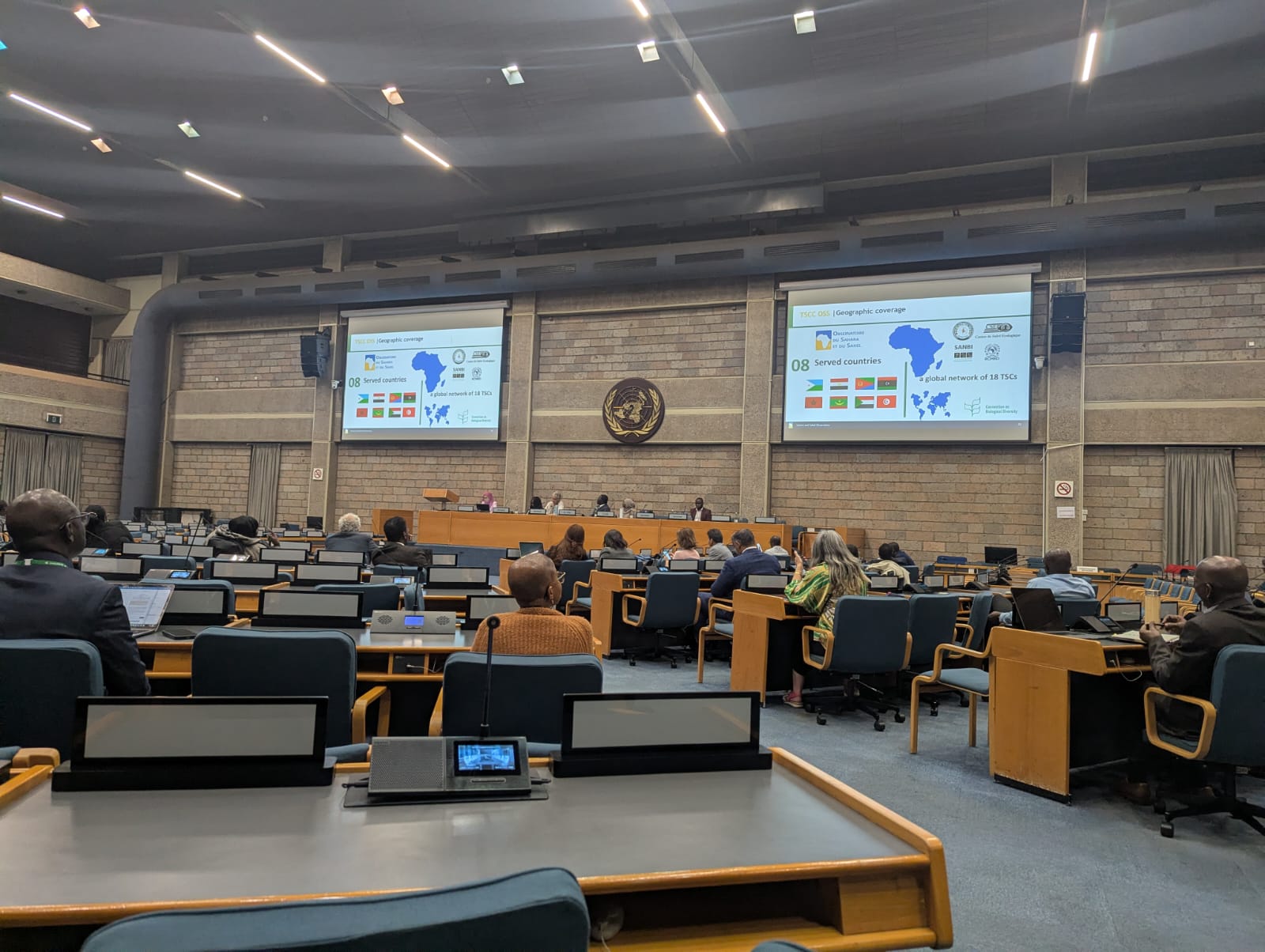
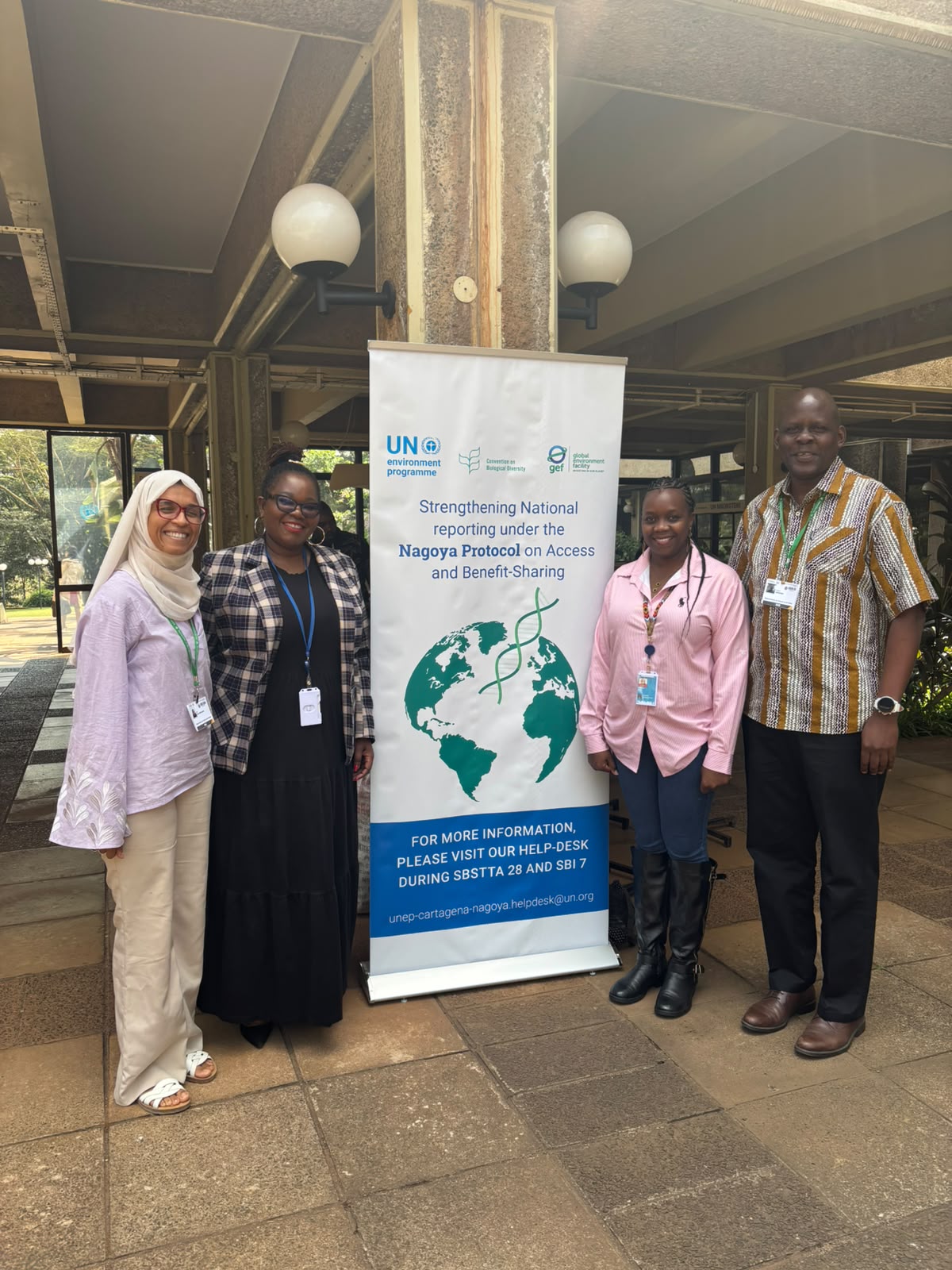
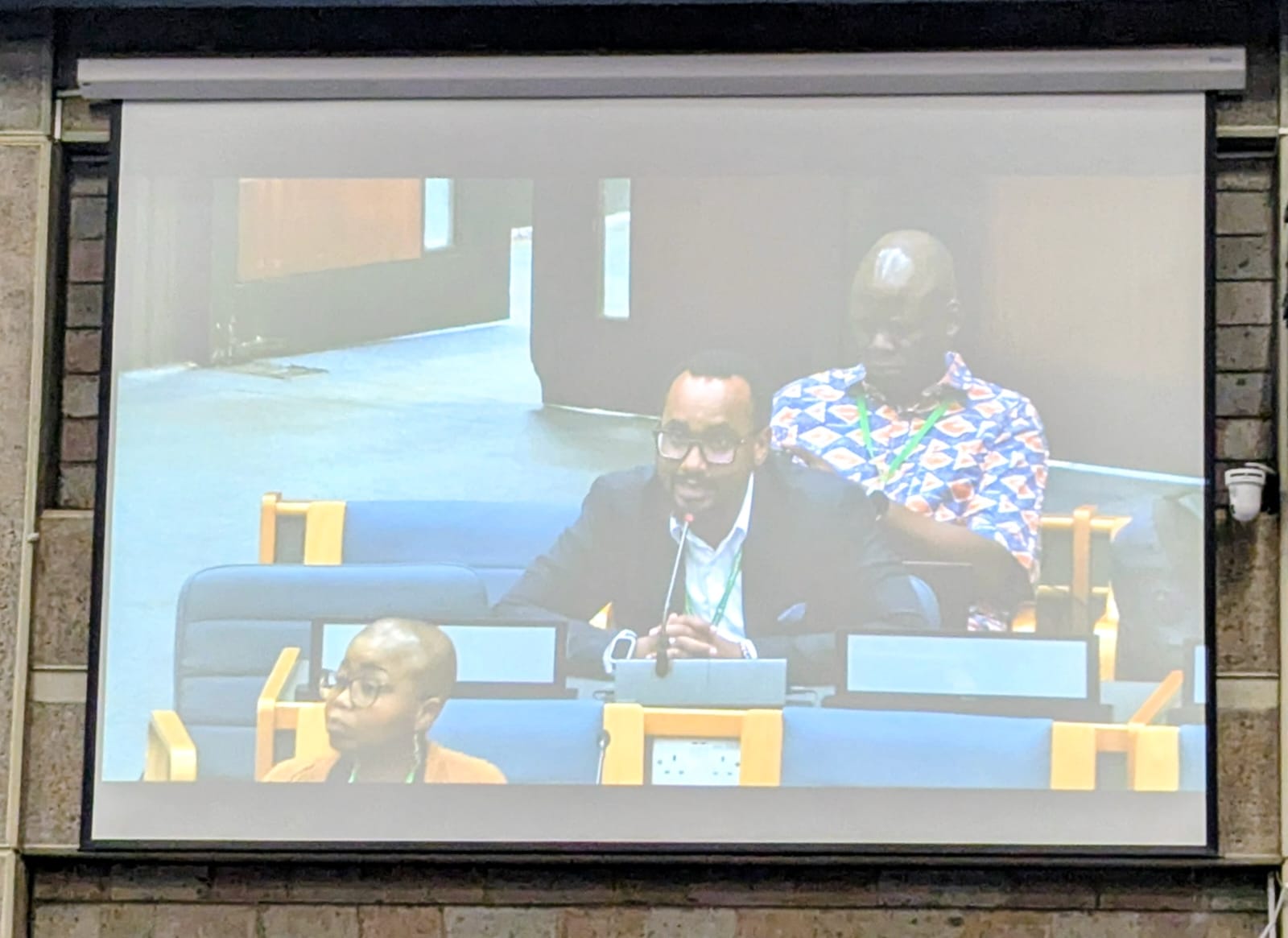
OSS took part in the meetings of the Convention on Biological Diversity (CBD), held at the headquarters of the United Nations Environment Programme (UNEP) in Nairobi. The meetings brought together representatives of Parties, regional organizations, international institutions, as well as technical and financial partners, to discuss priorities for implementing the Global Biodiversity Framework.
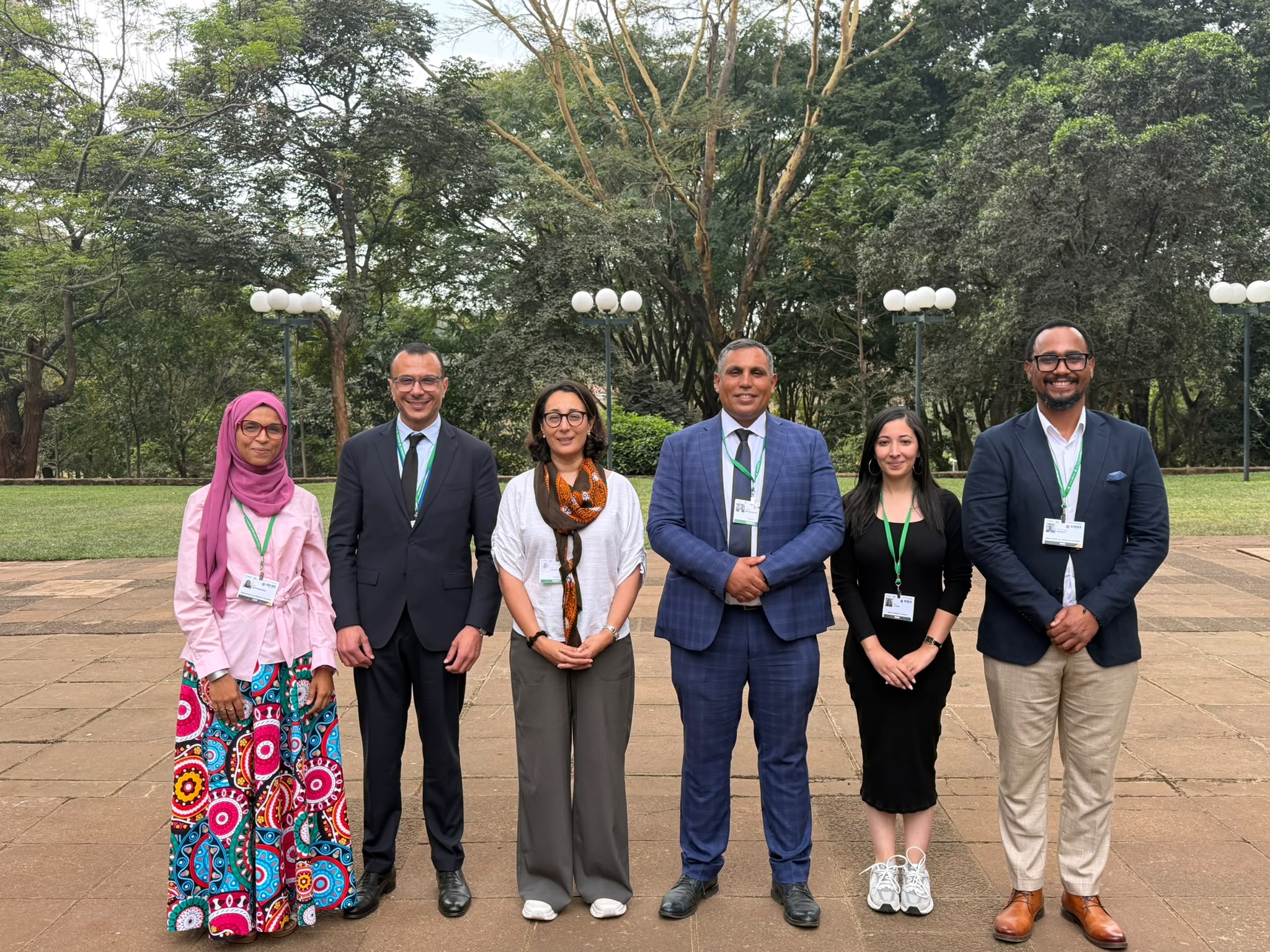
Represented by Ms Abir Ben Romdhane, Mr Steve Muhanji and Mr Robert Onyango, OSS contributed to discussions on capacity-building, biodiversity monitoring, data collection and management, and the mainstreaming of biodiversity into national and sectoral policies. Particular attention was given to the needs of countries in North Africa and the Horn of Africa.
Building countries’ capacities
As the Technical and Scientific Cooperation Support Centre (TSCC) for North Africa, OSS plays a strategic role in supporting countries. Its expertise in reporting, capacity needs assessment and knowledge mobilization enables it to contribute to stronger linkages between science, public decision-making and action on the ground.
The discussions highlighted a central issue: the effective implementation of international commitments depends heavily on countries’ ability to access the necessary skills, data, monitoring systems and expertise. International biodiversity commitments cannot deliver lasting results without strong national capacities, reliable data and access to expertise tailored to country realities.
Building African cooperation based on complementarity
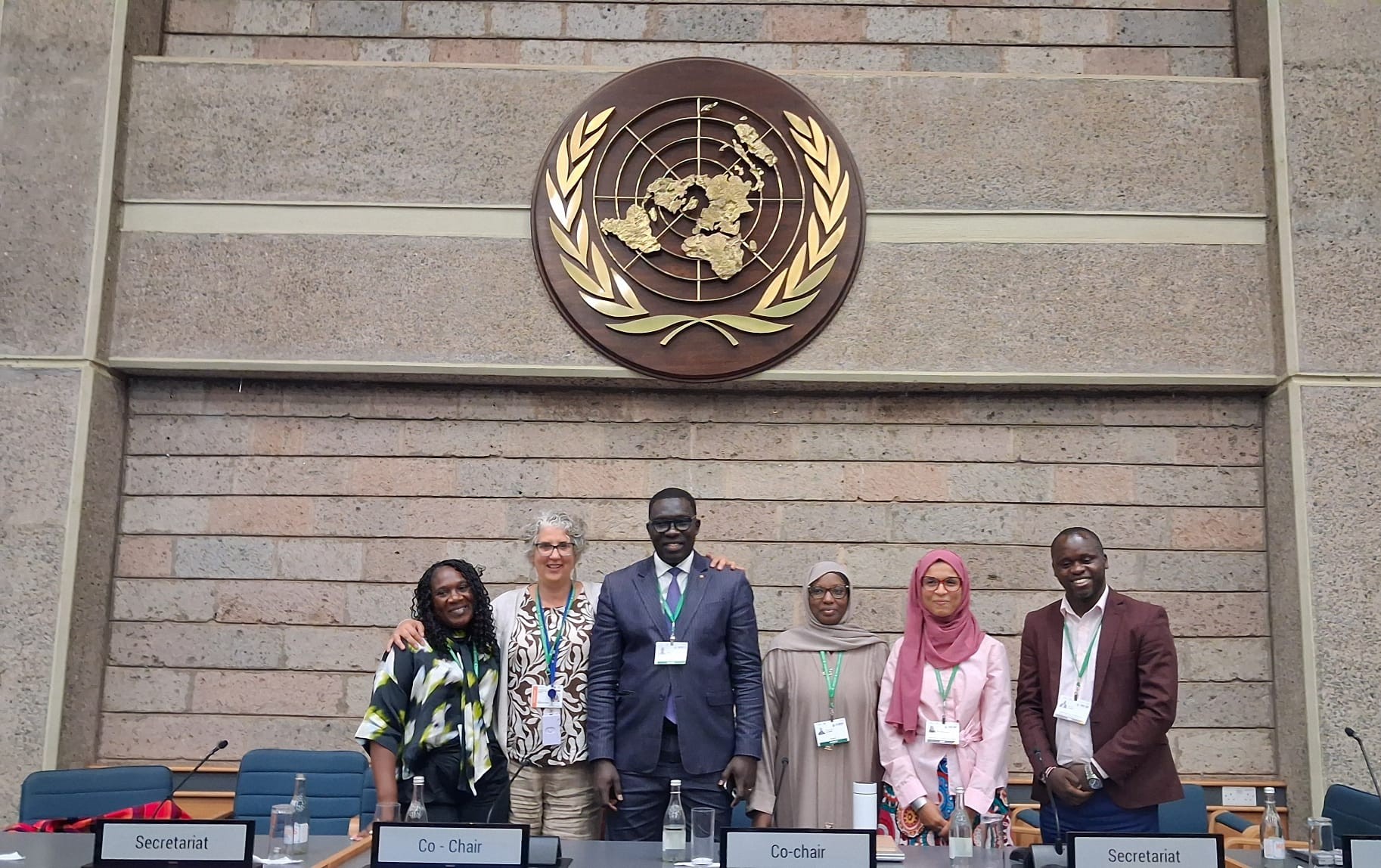
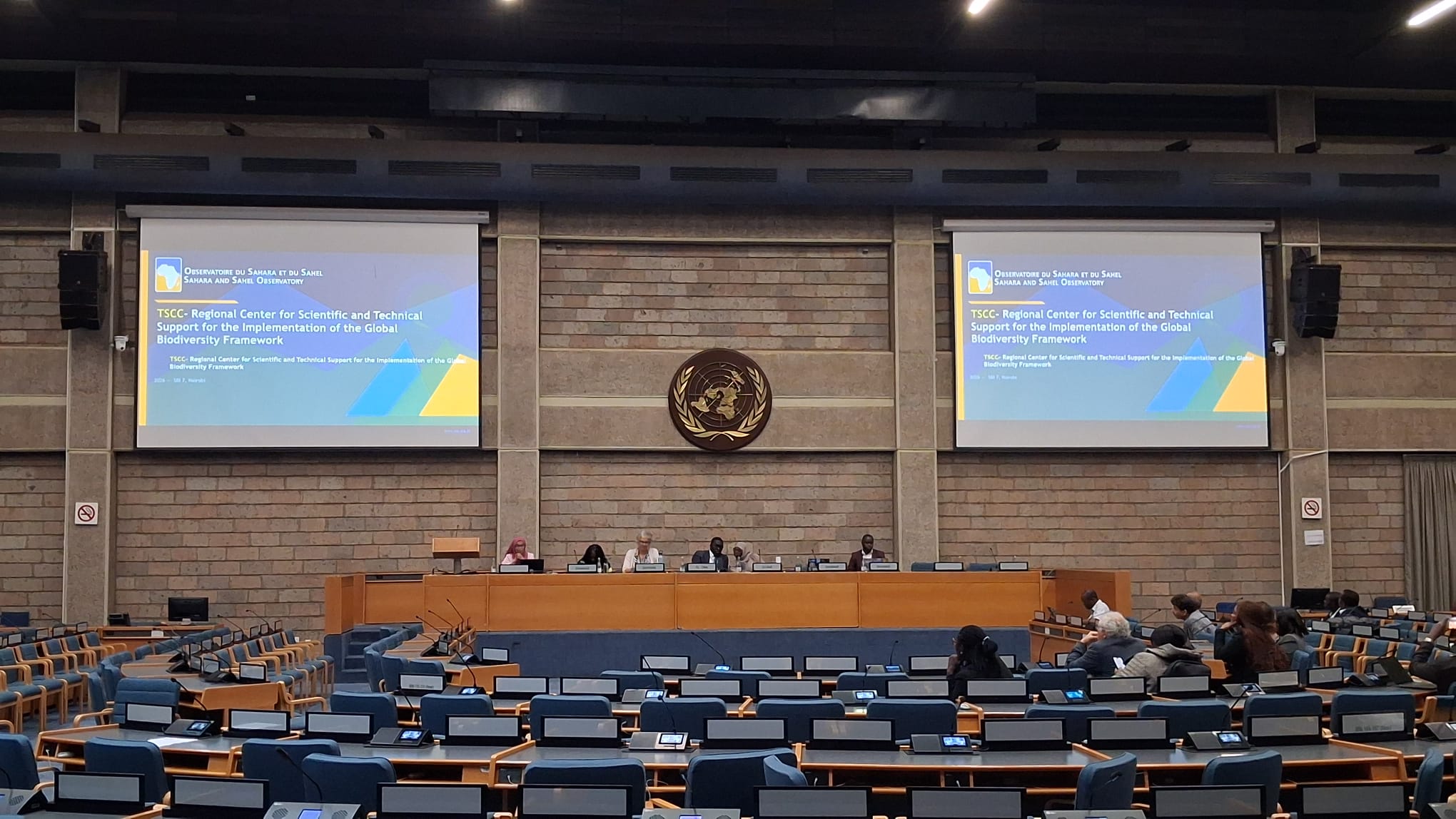
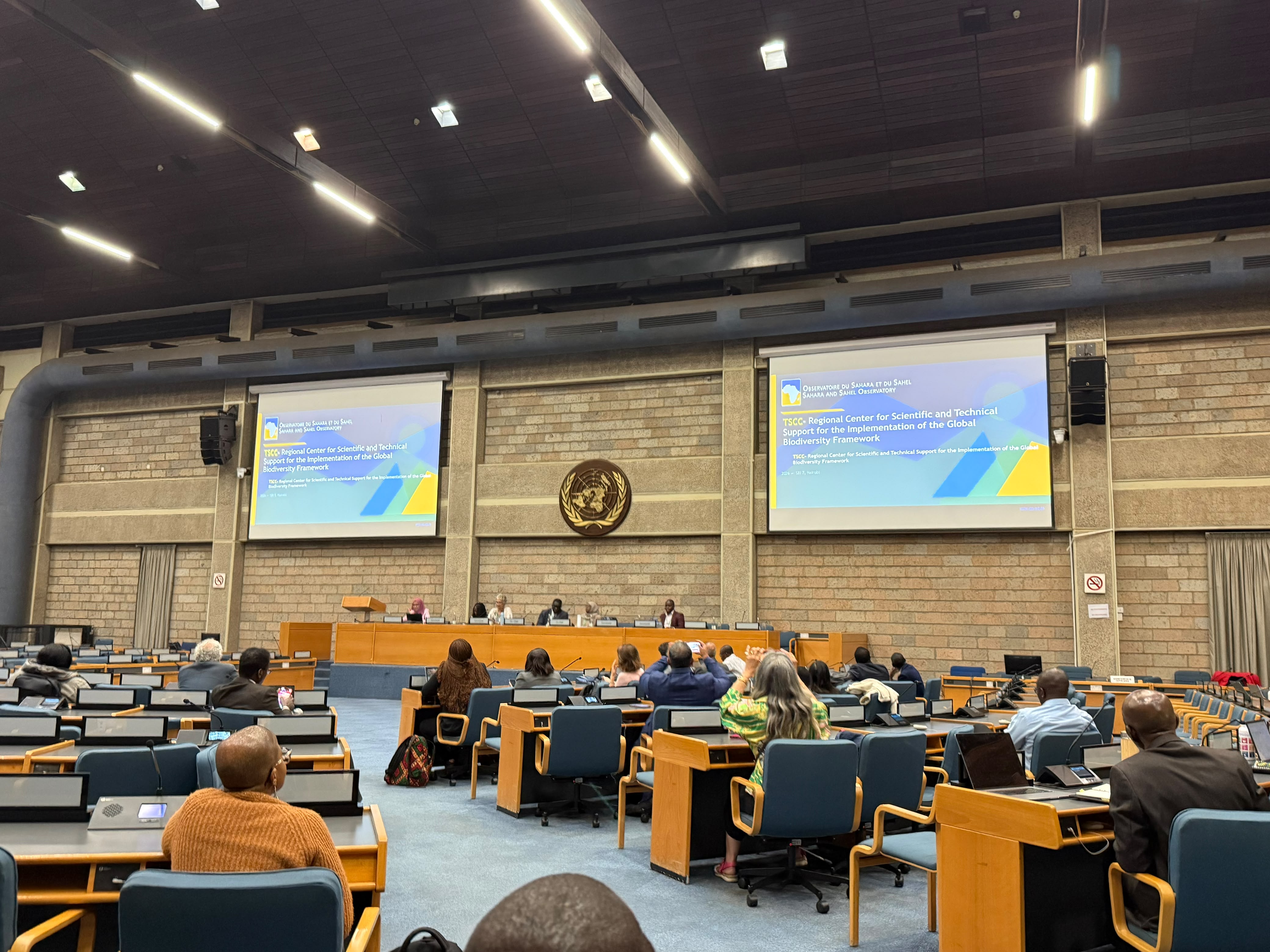
The African dimension of this cooperation was particularly highlighted during the side event “From Cooperation to Implementation: How African TSCCs Are Accelerating GBF Delivery”, co-organized by OSS with COMIFAC, CSE, RCMRD and SANBI.
Bringing together the five African Technical and Scientific Cooperation Support Centres, the session showcased the complementarity of expertise available across the continent. Discussions focused on knowledge sharing, capacity-building, scientific and technical support, biodiversity monitoring and the preparation of national reports.
The exchanges also emphasized the need for stronger coordination among African TSCCs to facilitate peer-to-peer exchanges, pool expertise and provide technical assistance that is more closely aligned with the priorities expressed by countries.
OSS also highlighted its cooperation experiences with UNEP in supporting countries in the implementation of biodiversity-related instruments. These initiatives confirm the importance of locally grounded support that takes into account national contexts and existing institutional capacities.
Discussions with the Global Environment Facility (GEF) and UNEP also provided an opportunity to explore how North African priorities could be better reflected in international financing mechanisms. Opportunities associated with GEF-9 and other instruments supporting the Global Biodiversity Framework could help strengthen country readiness, improve access to expertise and foster the development of new regional initiatives.
An integrated approach to the Three Rio Conventions
Strengthening technical and scientific cooperation is particularly meaningful when it helps move beyond sectoral approaches. Biodiversity challenges are closely linked to climate change and land degradation. For OSS, addressing them therefore requires stronger coordination across the different environmental frameworks for action.
This approach is consistent with the integrated vision promoted by OSS around the three Rio Conventions. Biodiversity, climate change and land degradation are closely interconnected and require coordinated responses capable of generating environmental, social and economic co-benefits.
Through its role as TSCC for North Africa and its cooperation with the other African centres, OSS is reinforcing its position as a bridge between regional expertise, national priorities and continental cooperation. Its action helps bring scientific knowledge closer to country needs and makes technical cooperation a practical instrument for implementing biodiversity commitments across Africa.
Held on January 28, 2025 in Tunis, the 27th session of the Strategic Orientation…
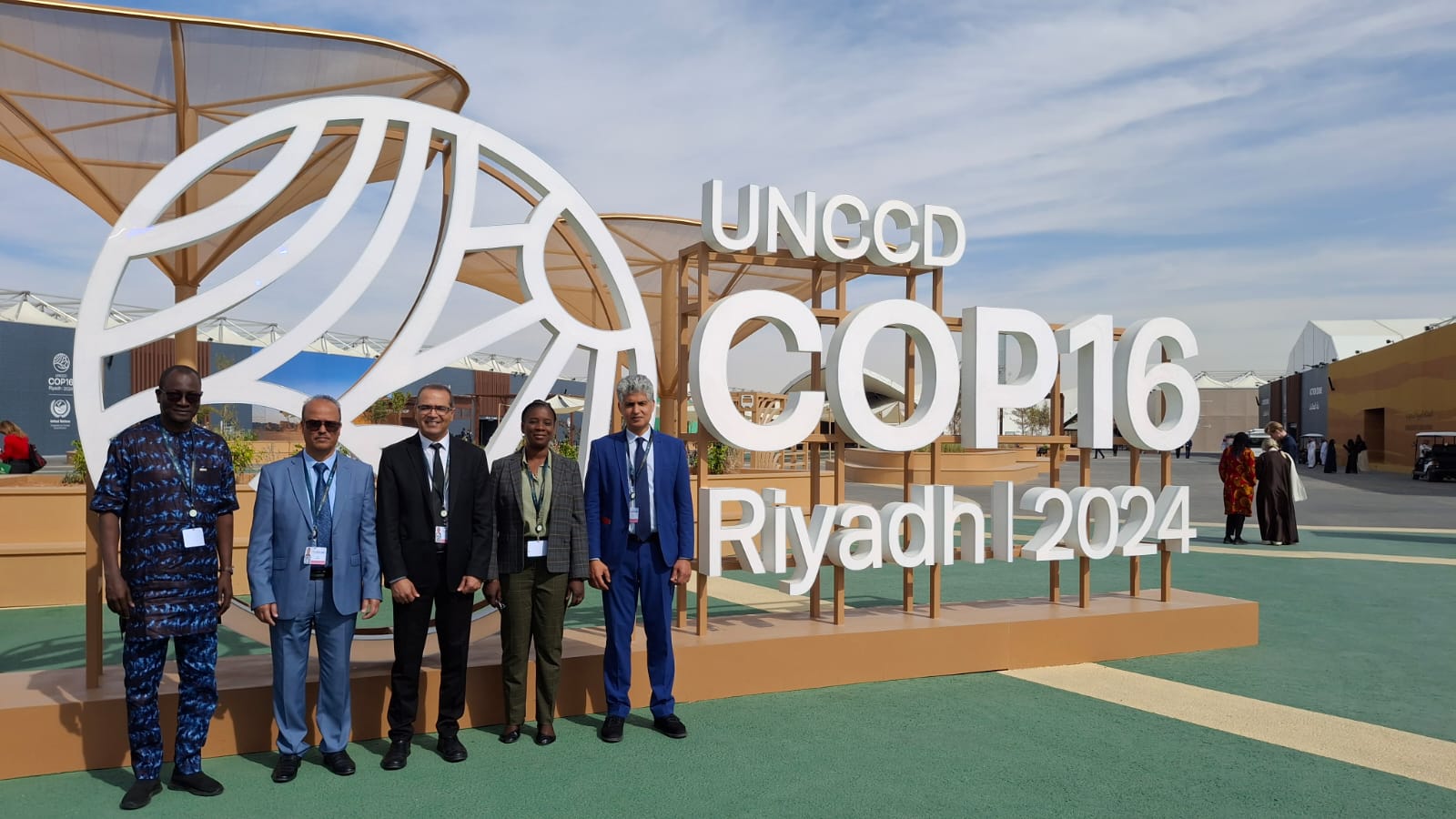
The participation of the Sahara and Sahel…
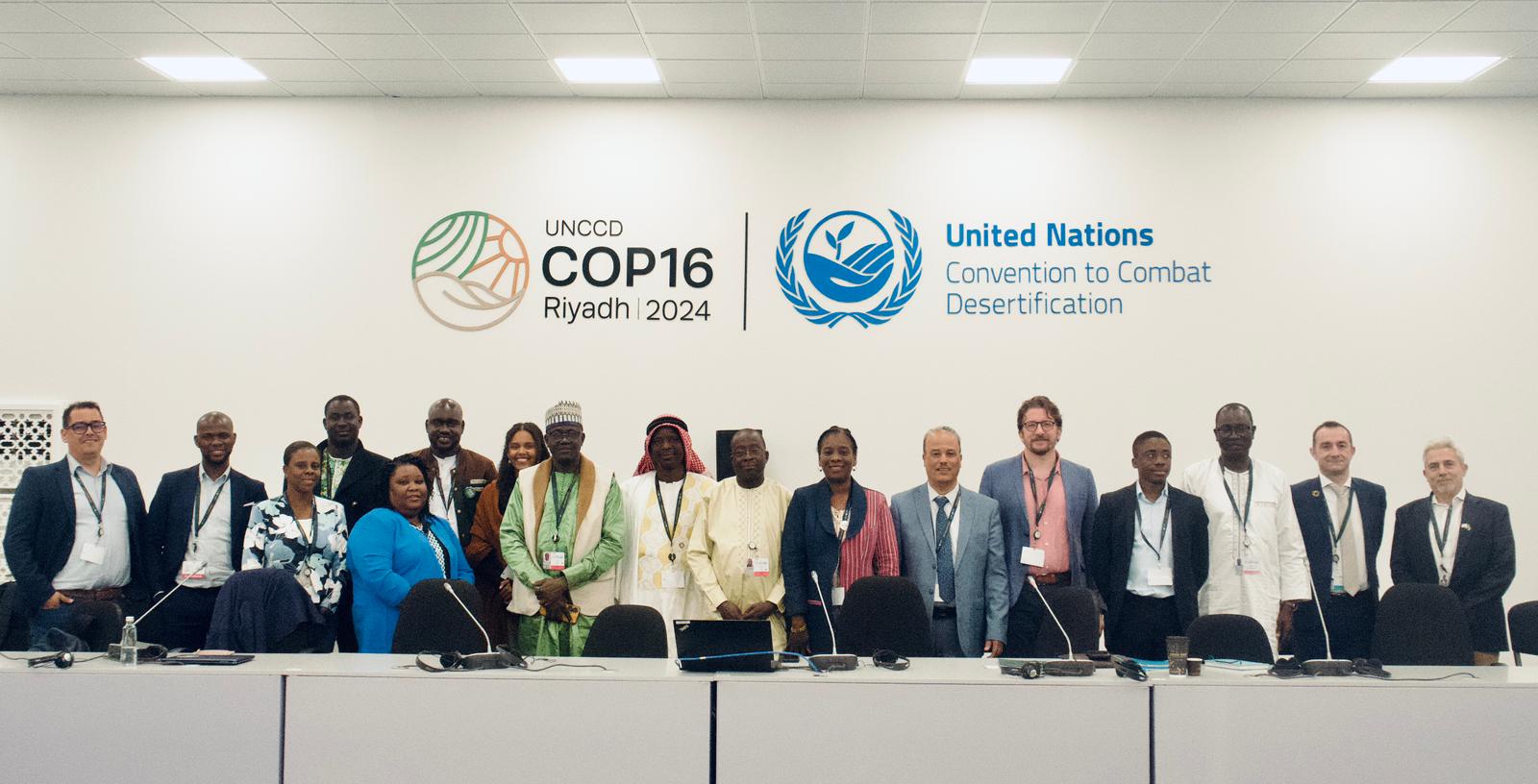
OSS Side Event at COP16: Strengthening Resilience in the Sahel through Multi-…