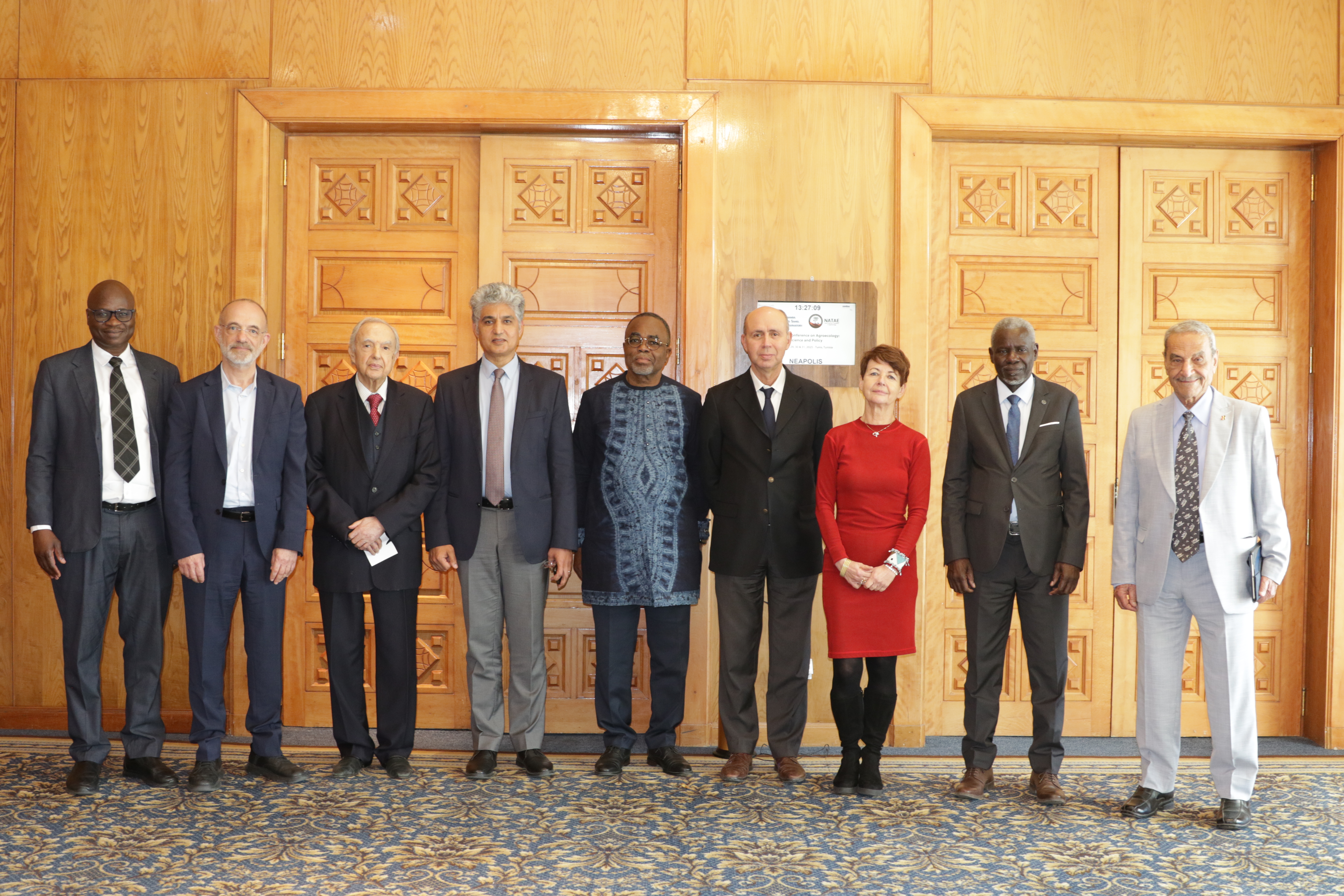
27th Session of the OSS Strategic Orientation Committee, Tunis, January 28, 2025
Held on January 28, 2025 in Tunis, the 27th session of the Strategic Orientation…
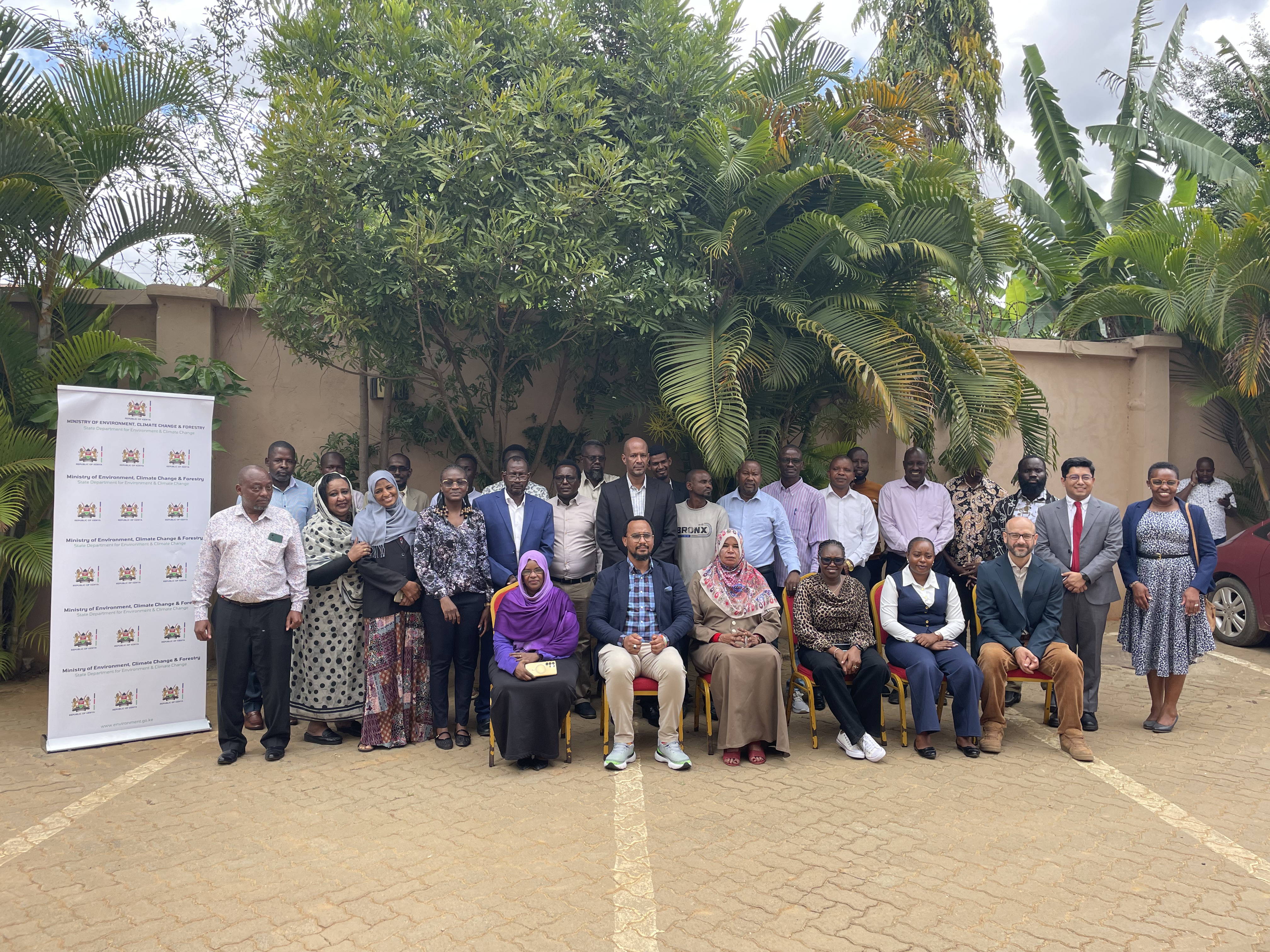
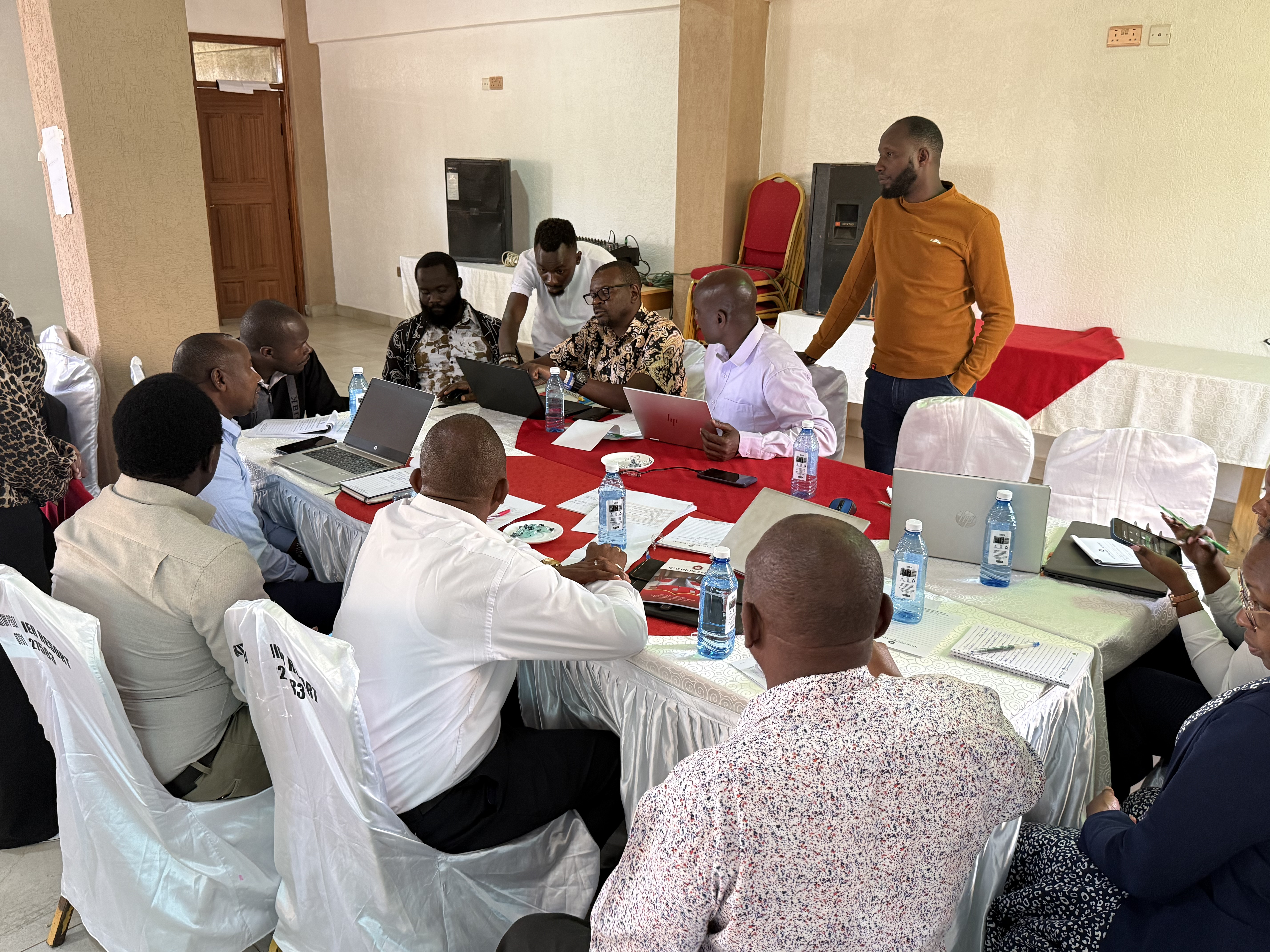
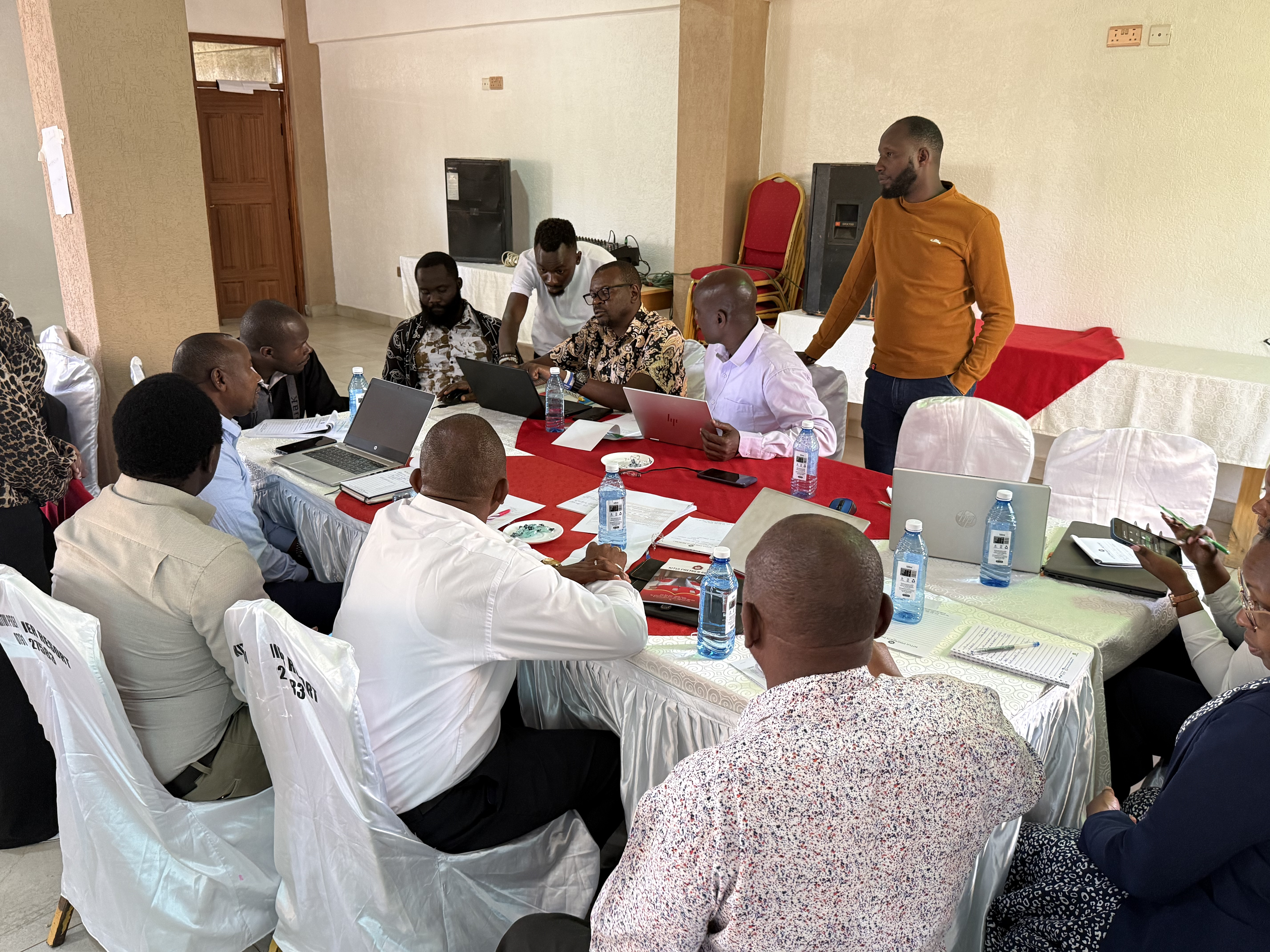
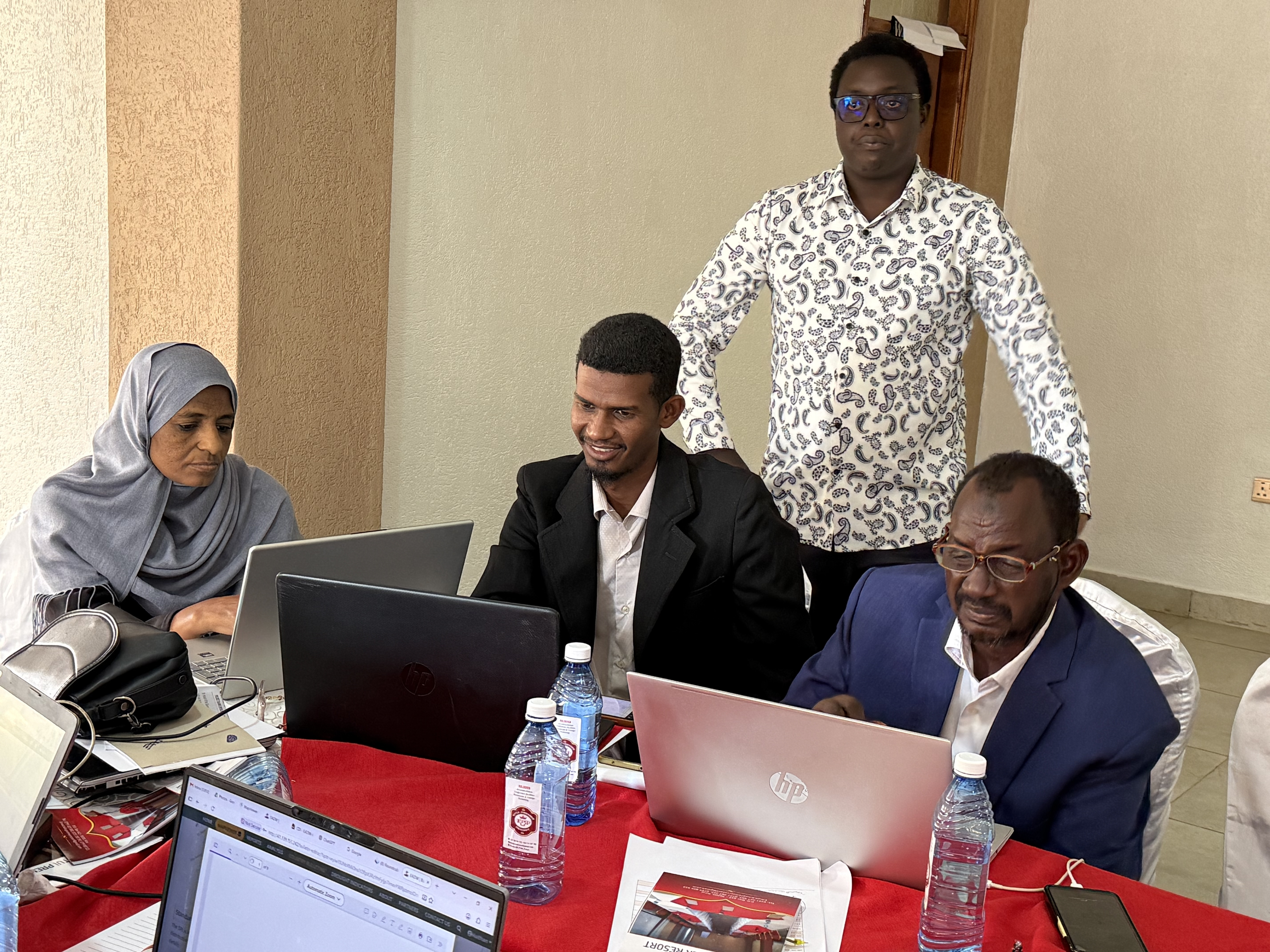
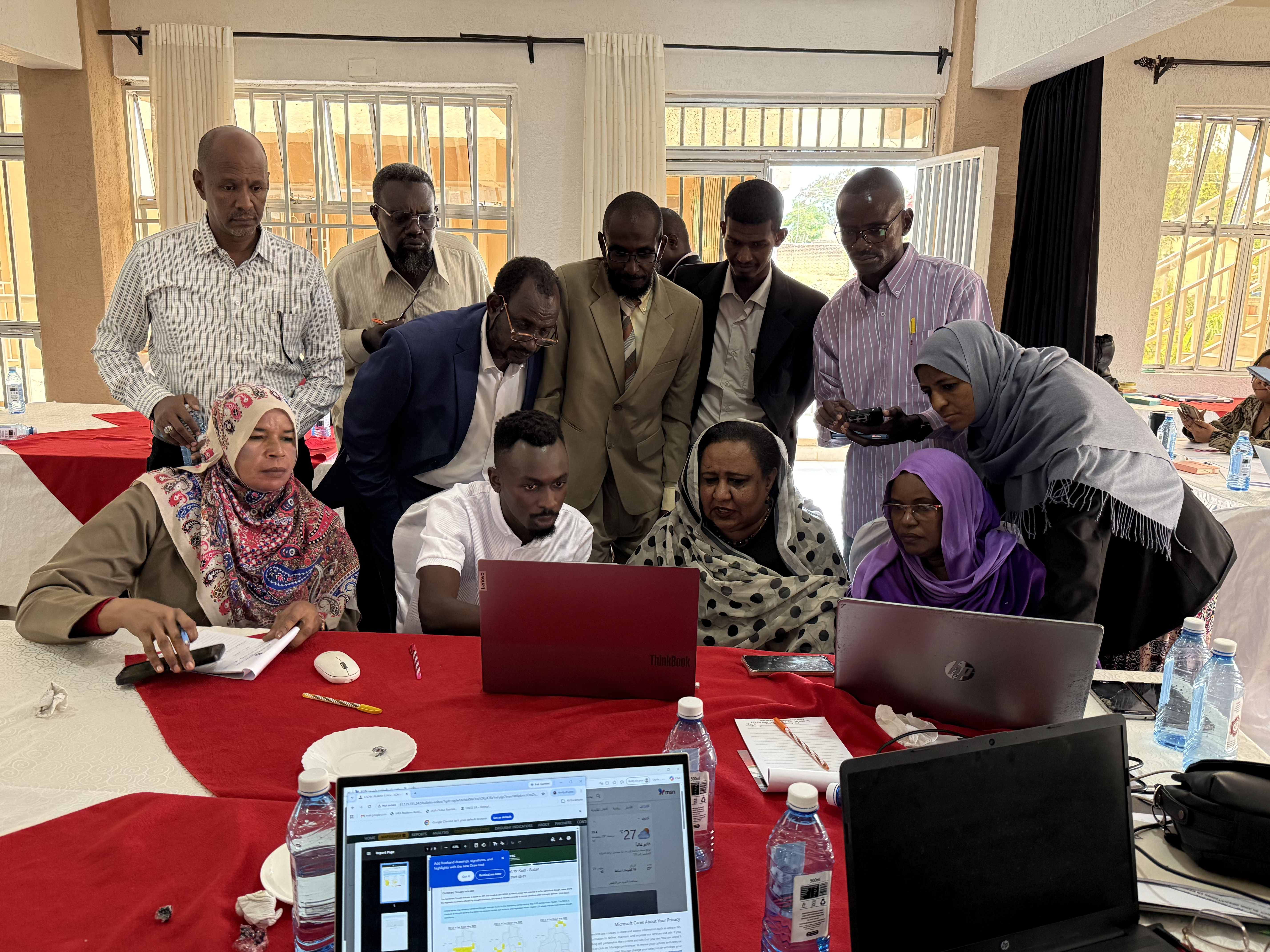
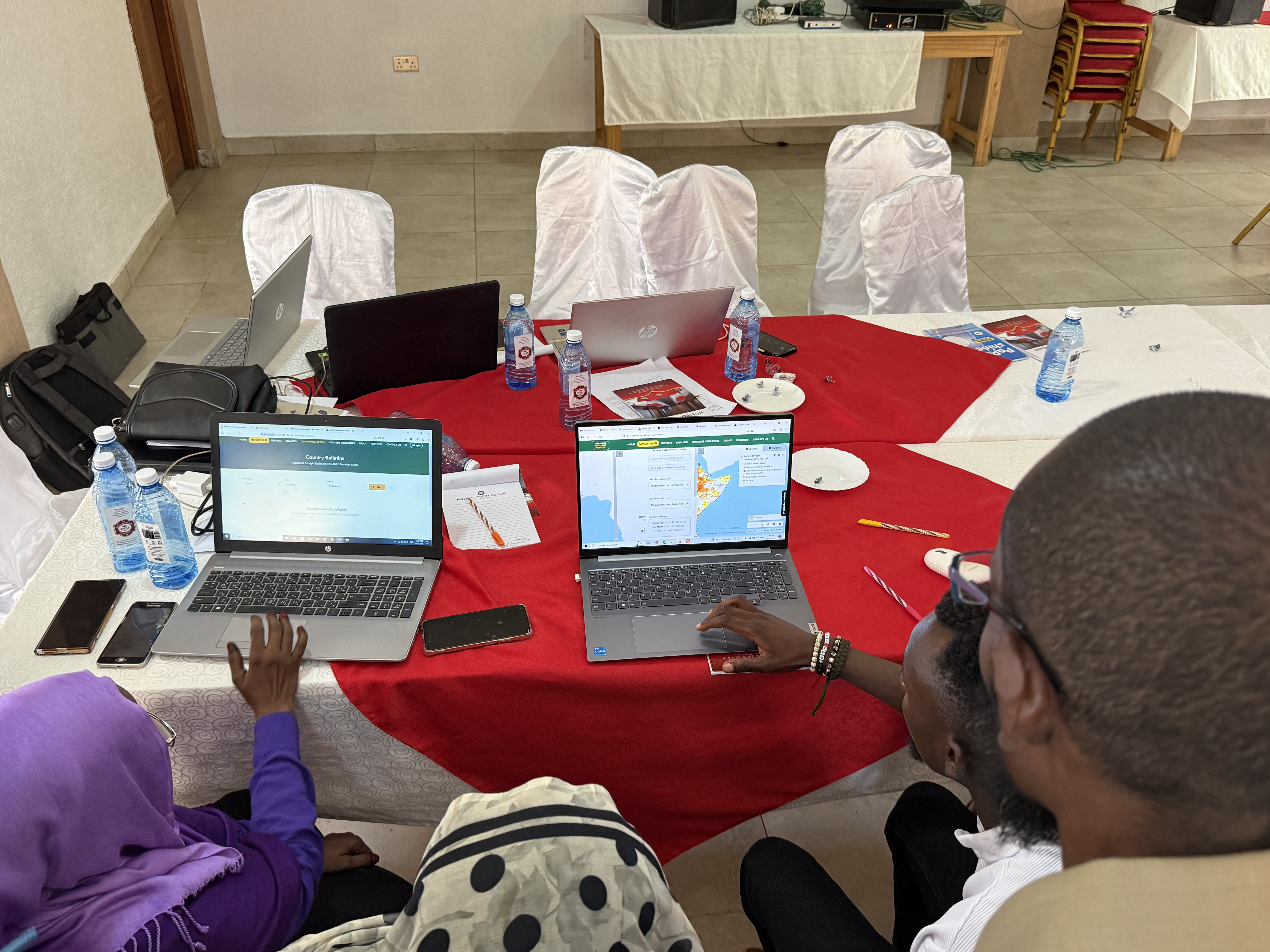
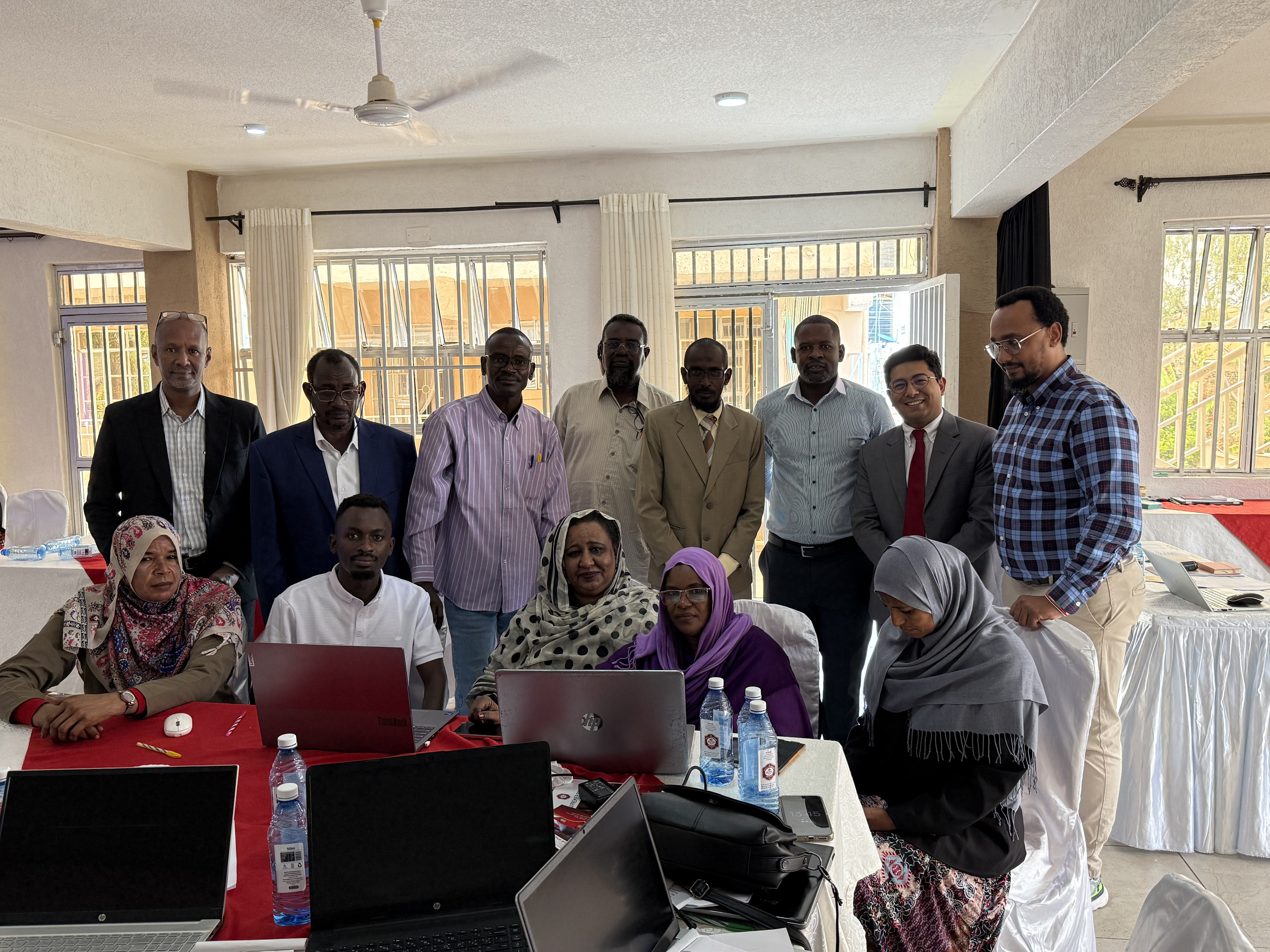
Kitui, Kenya | 6 October 2026
As droughts become increasingly frequent across East Africa, accurate forecasts alone are not enough. Information must reach decision-makers and communities in time to help them prepare and act. In Kitui, Kenya and Sudan are working together under the DRESSEA project to strengthen this connection, from regional drought monitoring to practical decisions that can protect livelihoods.
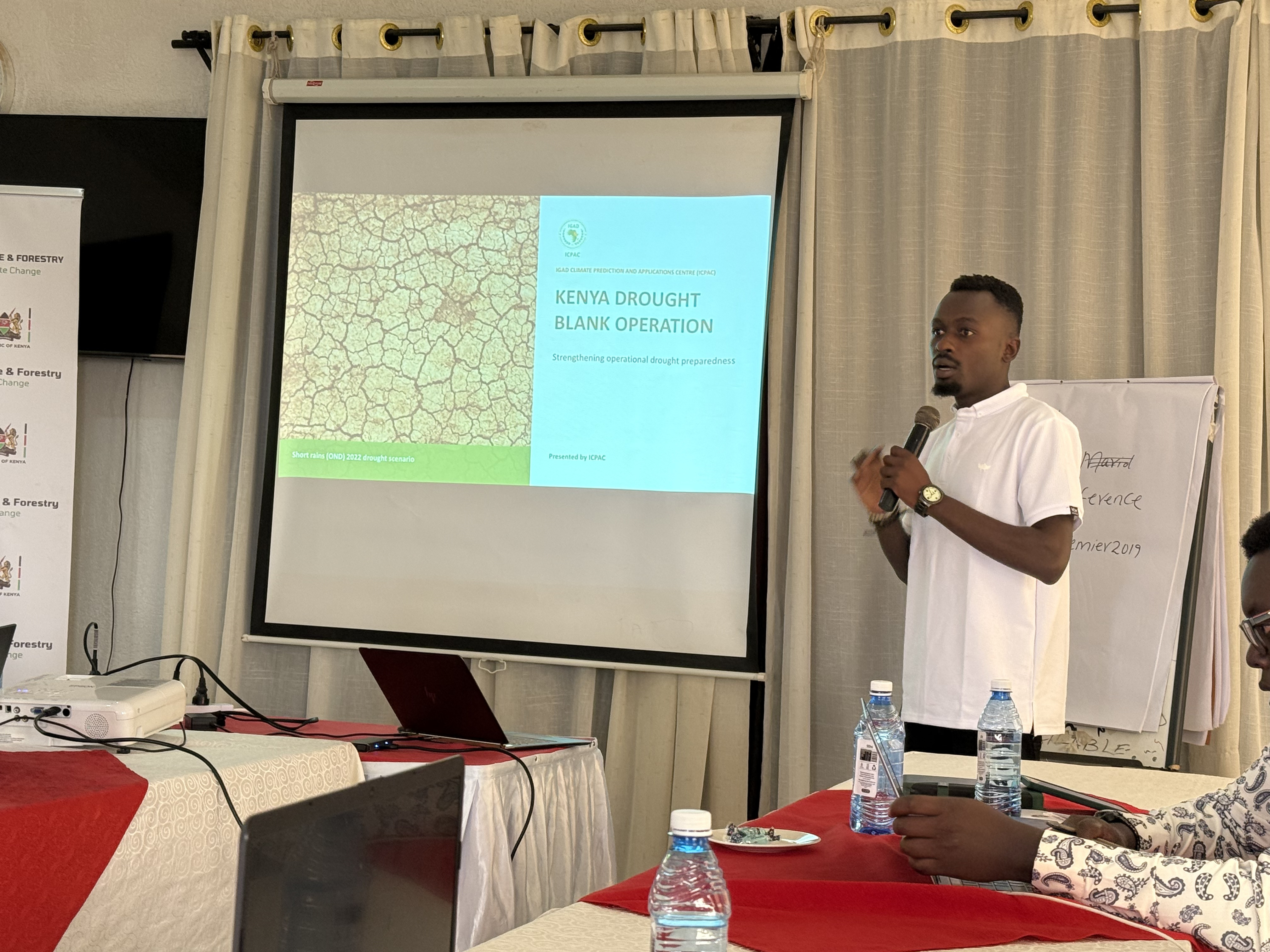
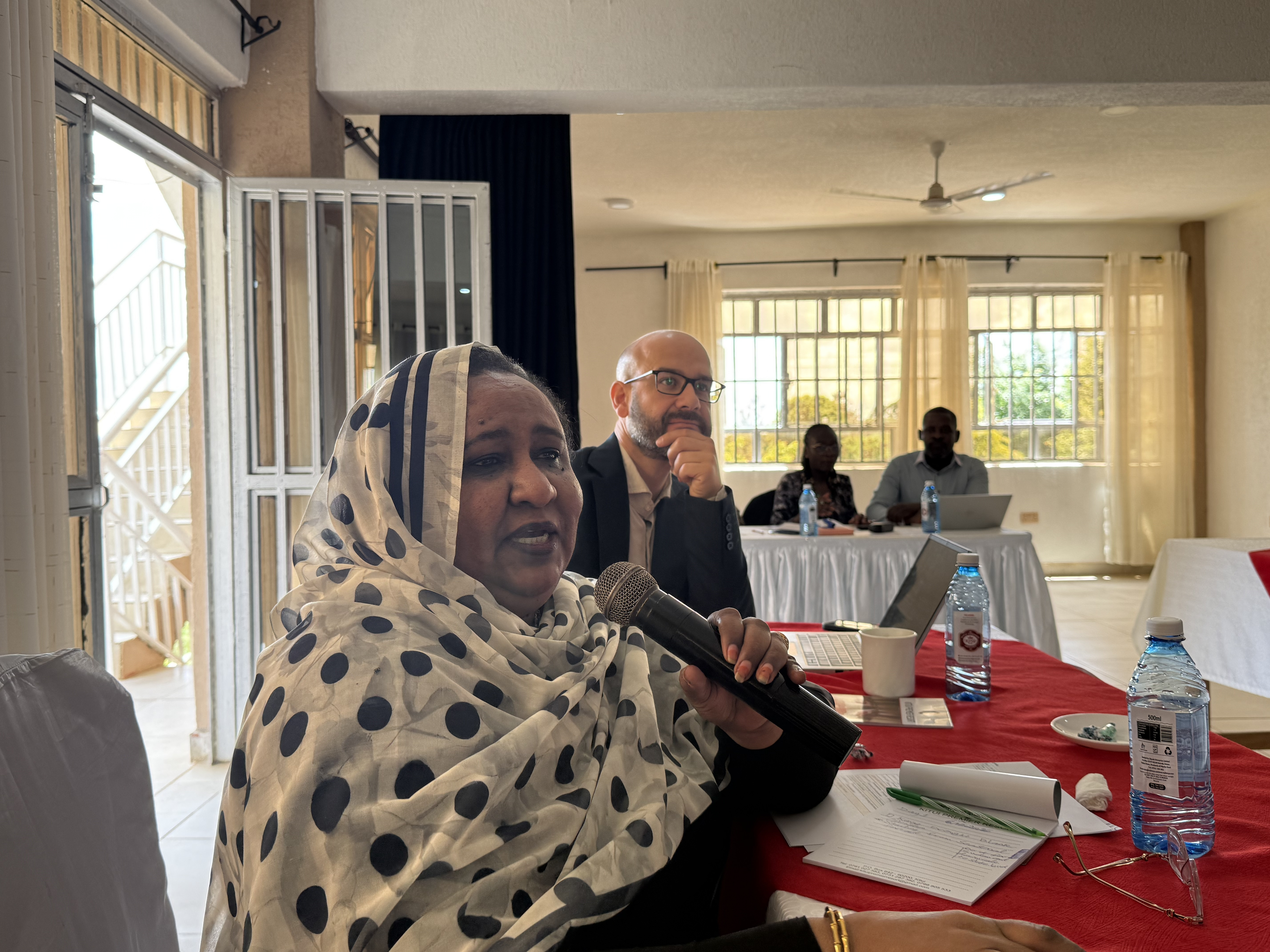
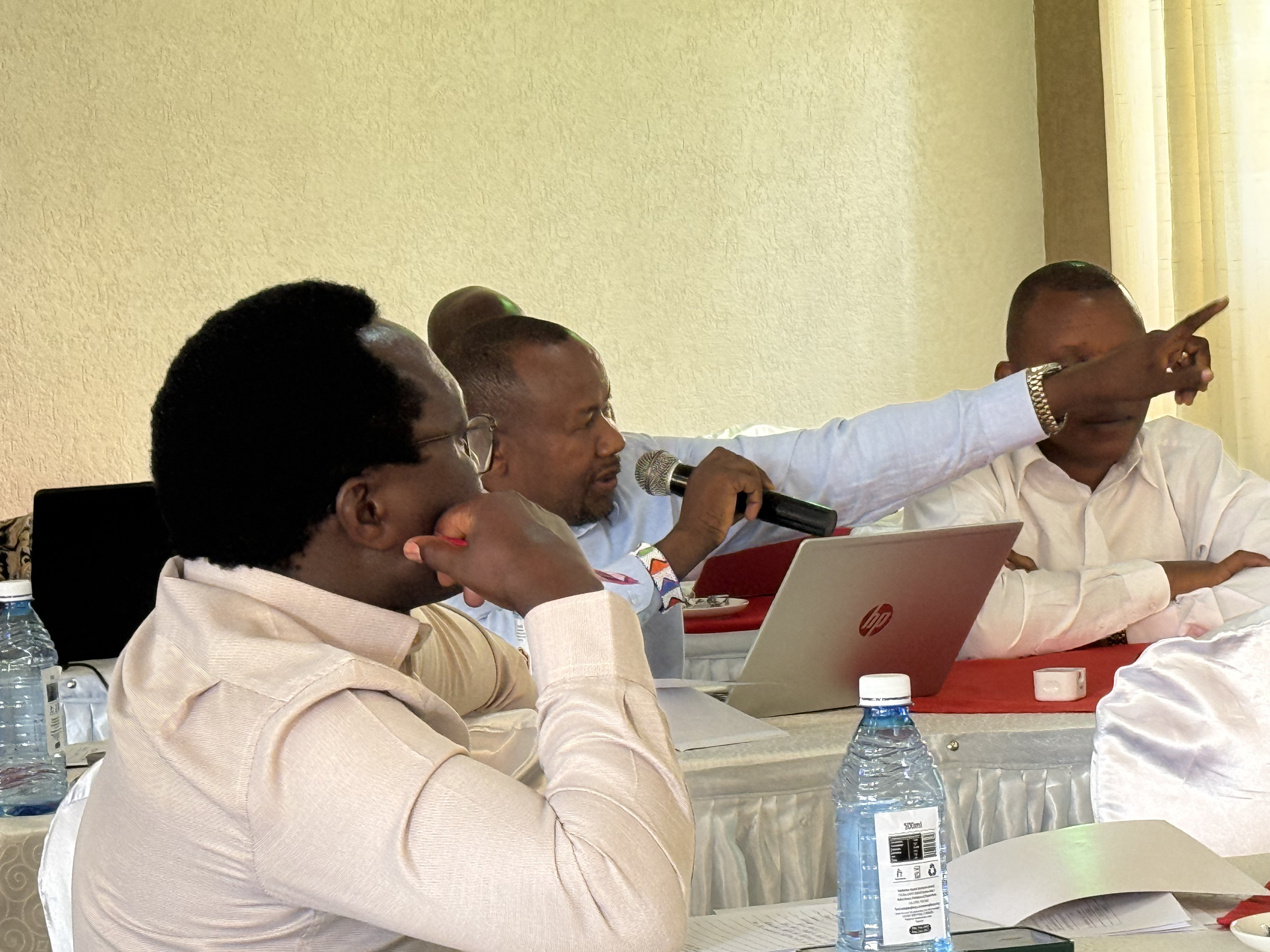
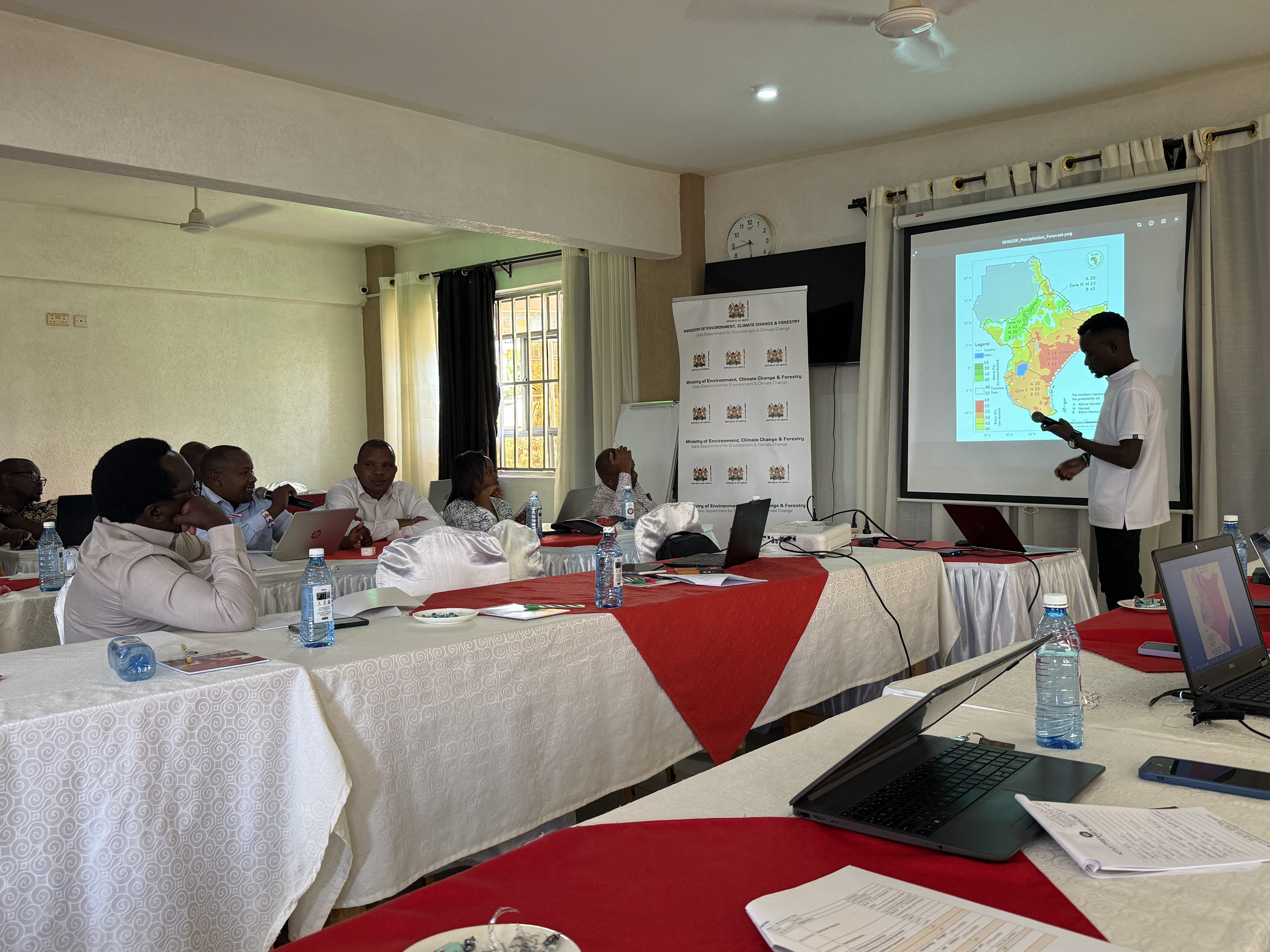
The Sahara and Sahel Observatory (OSS), together with its partners under the Strengthening Drought Resilience for Smallholder Farmers and Pastoralists in the IGAD Region (DRESSEA) project, is taking part in a joint Kenya–Sudan exercise in Kitui County. Bringing together national and local institutions, technical experts and regional partners, the exercise focuses on making drought warnings more useful for those who need to act.
Supported by the Adaptation Fund, DRESSEA is implemented in Djibouti, Kenya, Sudan and Uganda. The project aims to strengthen the resilience of smallholder farmers and pastoral communities by improving early warning systems, building institutional capacities, strengthening coordination and supporting practical adaptation measures.
A central question guides the work in Kitui: how can drought information reach the right people early enough to make a difference?
Participants are following the journey of climate information from regional monitoring to national and local authorities and, ultimately, to communities. They are examining how data is understood, turned into warnings and bulletins, and communicated in ways that can support decisions on the ground.
For smallholder farmers, pastoralists and agro-pastoral communities, this can make a real difference. Timely and clear information can help them make decisions about water access, pasture management, livestock movement and household preparedness, allowing them to respond before drought conditions become more severe.
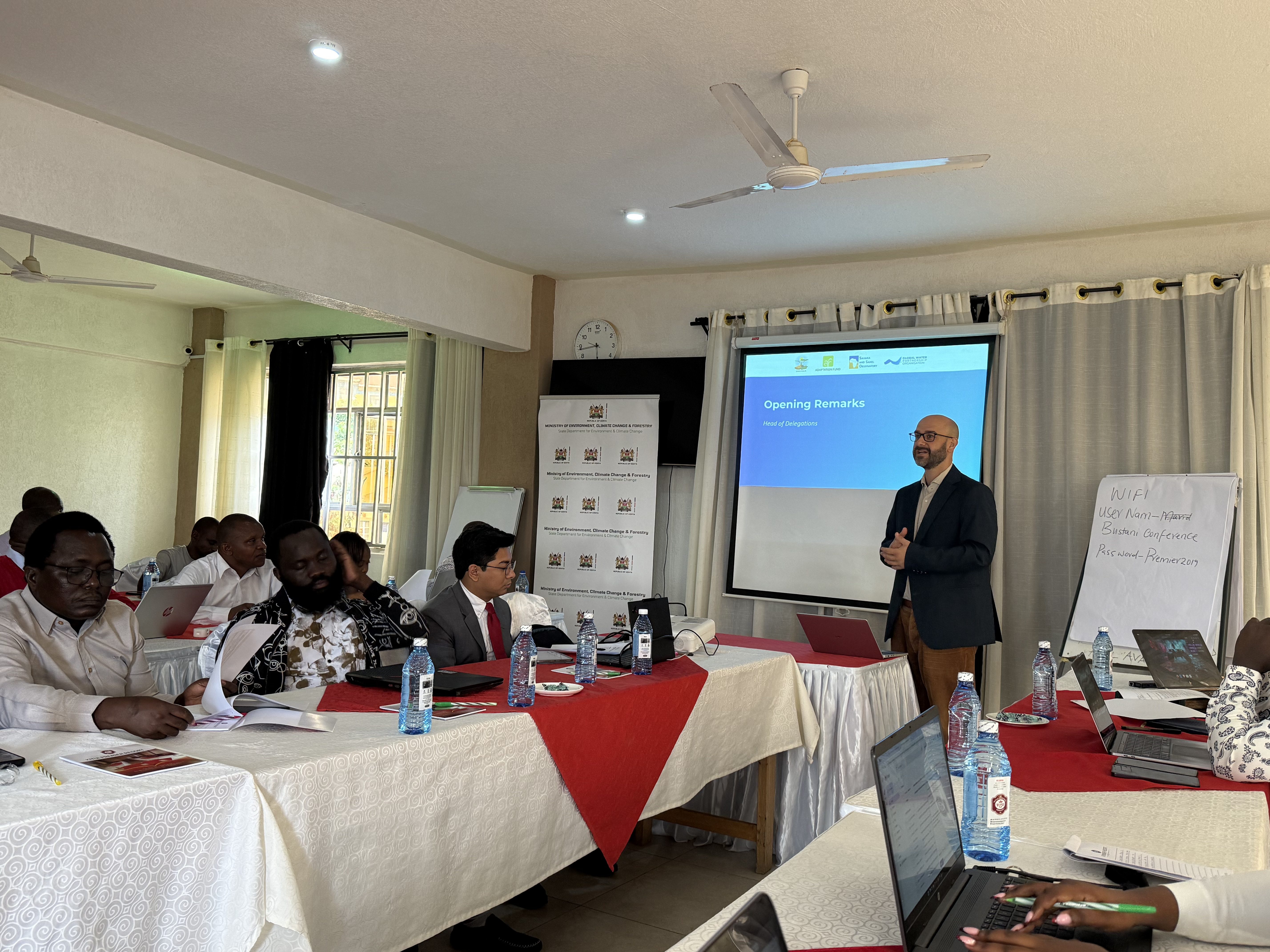
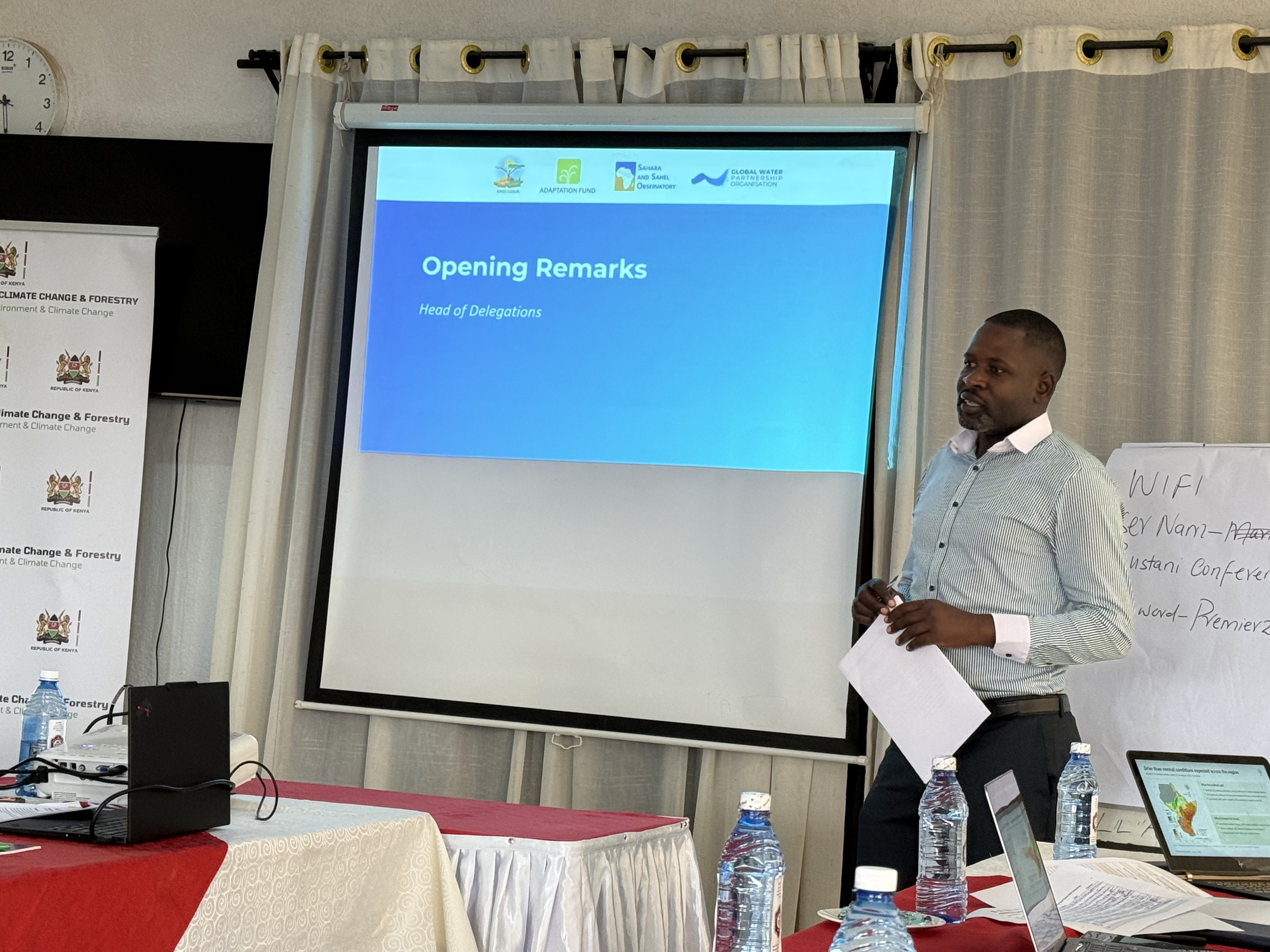
Speaking during the opening session, Steve Muhanji, Head of the Project Development Division at OSS, highlighted DRESSEA’s transition from theory to action. He stressed that the project’s value lies in delivering practical solutions for communities particularly exposed to the impacts of climate change.
The Kitui exercise puts this approach into practice. By following drought information from regional climate signals to its use at the local level, participants can identify where information may be delayed or lost, clarify who is responsible for acting and determine whether existing systems can support a timely response.
Technical sessions conducted with the IGAD Climate Prediction and Applications Centre (ICPAC) give participants practical experience with regional drought monitoring and communication tools. These include the East Africa Drought Watch, which combines near-real-time weather and Earth observation data to track drought conditions, as well as HUSIKA and the Africa Drought Impact Tracker (ADIT).
The sessions also focus on an essential issue: ensuring that technical information is turned into clear, useful messages that people can understand and act on. This is particularly important for drought, which develops gradually and requires continuous monitoring and decisions as conditions change.
The Kitui exercise is part of a wider regional process under DRESSEA. Following an earlier phase in Djibouti, the joint Kenya–Sudan exercise provides an opportunity for participating countries to share experience and test their systems before the process moves to Uganda for its final phase. This regional approach encourages countries to learn from one another and improve cooperation in preparing for drought.
Through DRESSEA, OSS and its partners are working to close the gap between drought warning and action. By helping climate information reach institutions and communities in time to guide decisions, the project supports a shift from reacting to drought impacts to anticipating them — helping protect livelihoods and strengthen the resilience of smallholder farmers and pastoral communities across the IGAD region.
Held on January 28, 2025 in Tunis, the 27th session of the Strategic Orientation…
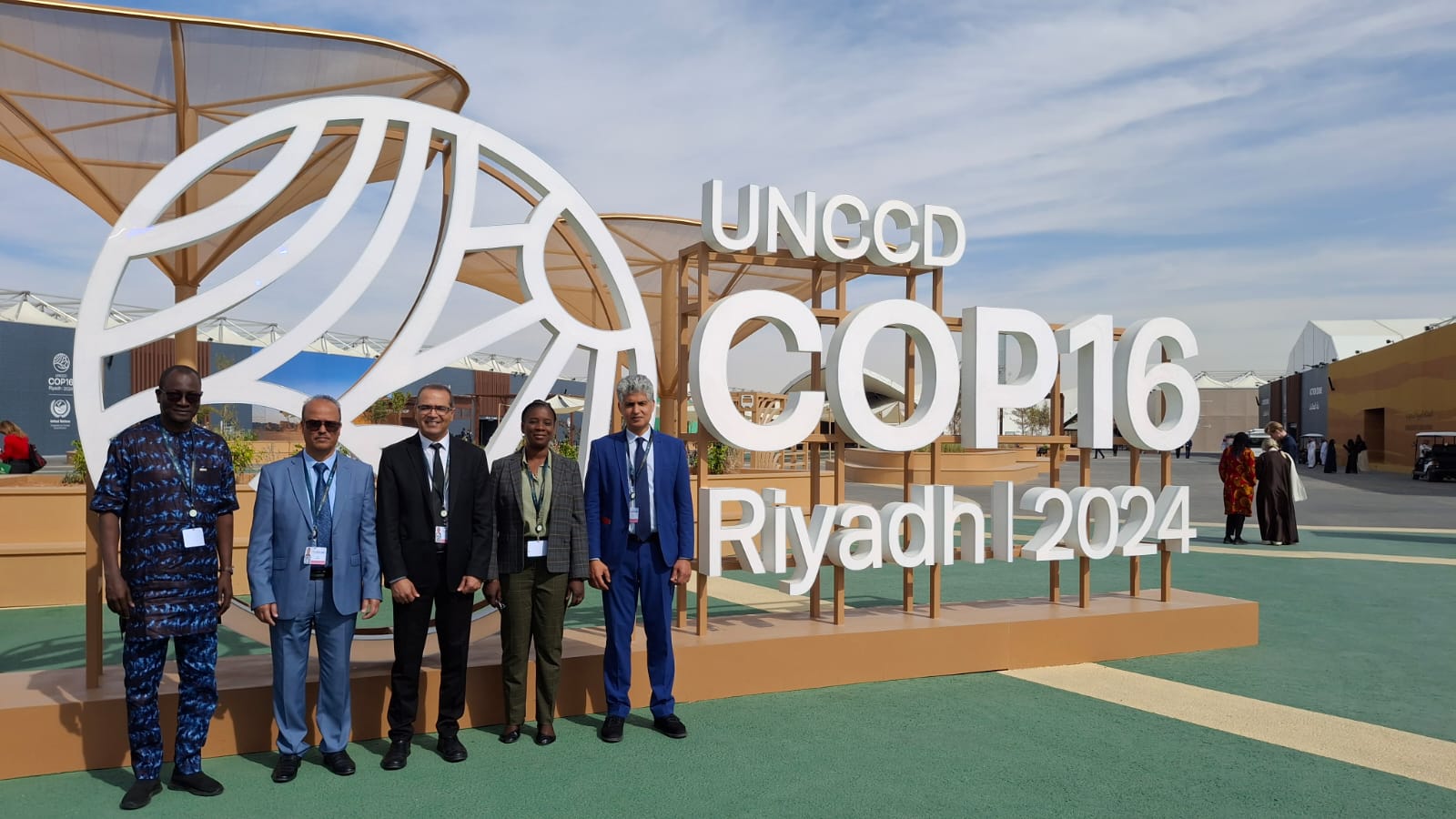
The participation of the Sahara and Sahel…
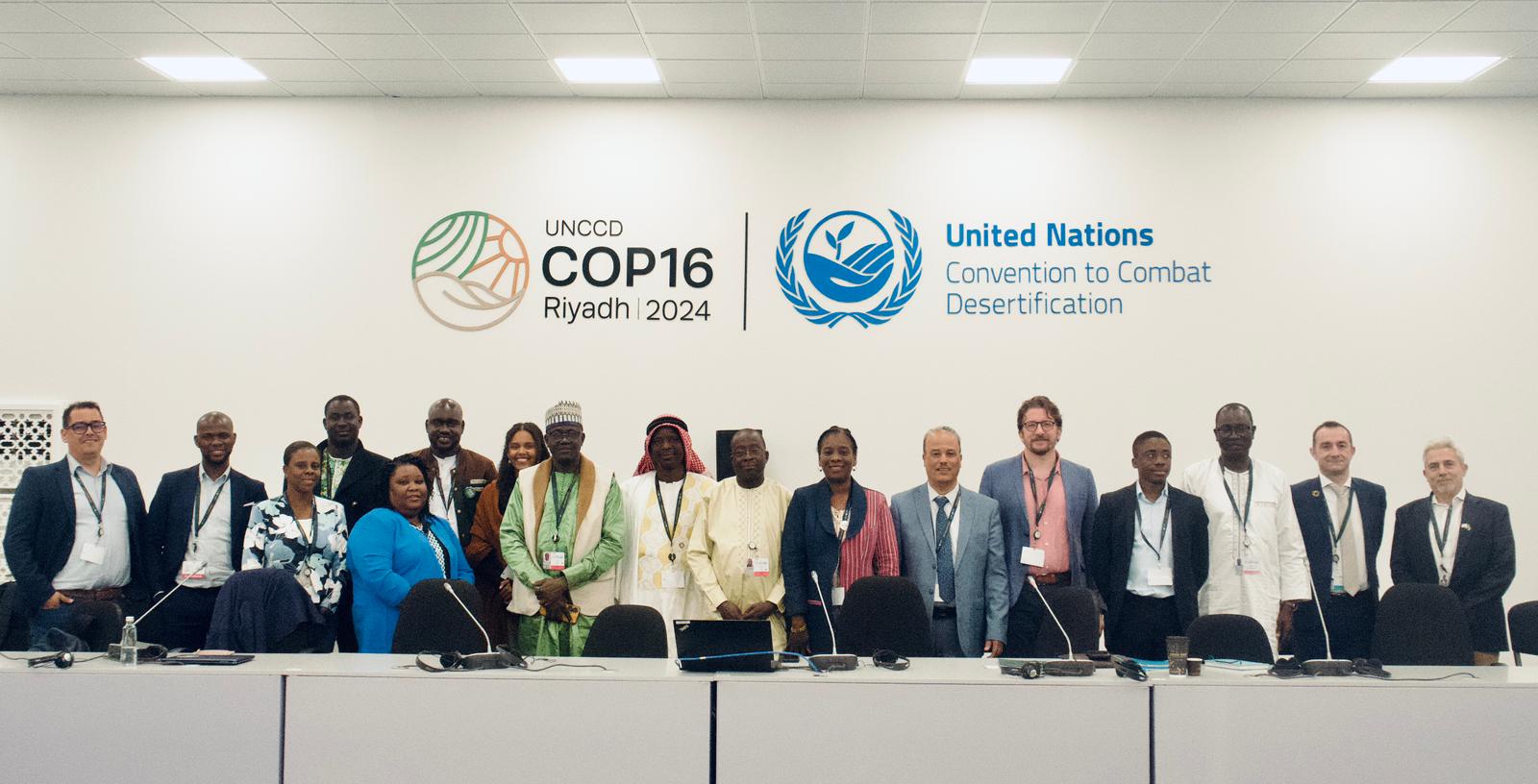
OSS Side Event at COP16: Strengthening Resilience in the Sahel through Multi-…