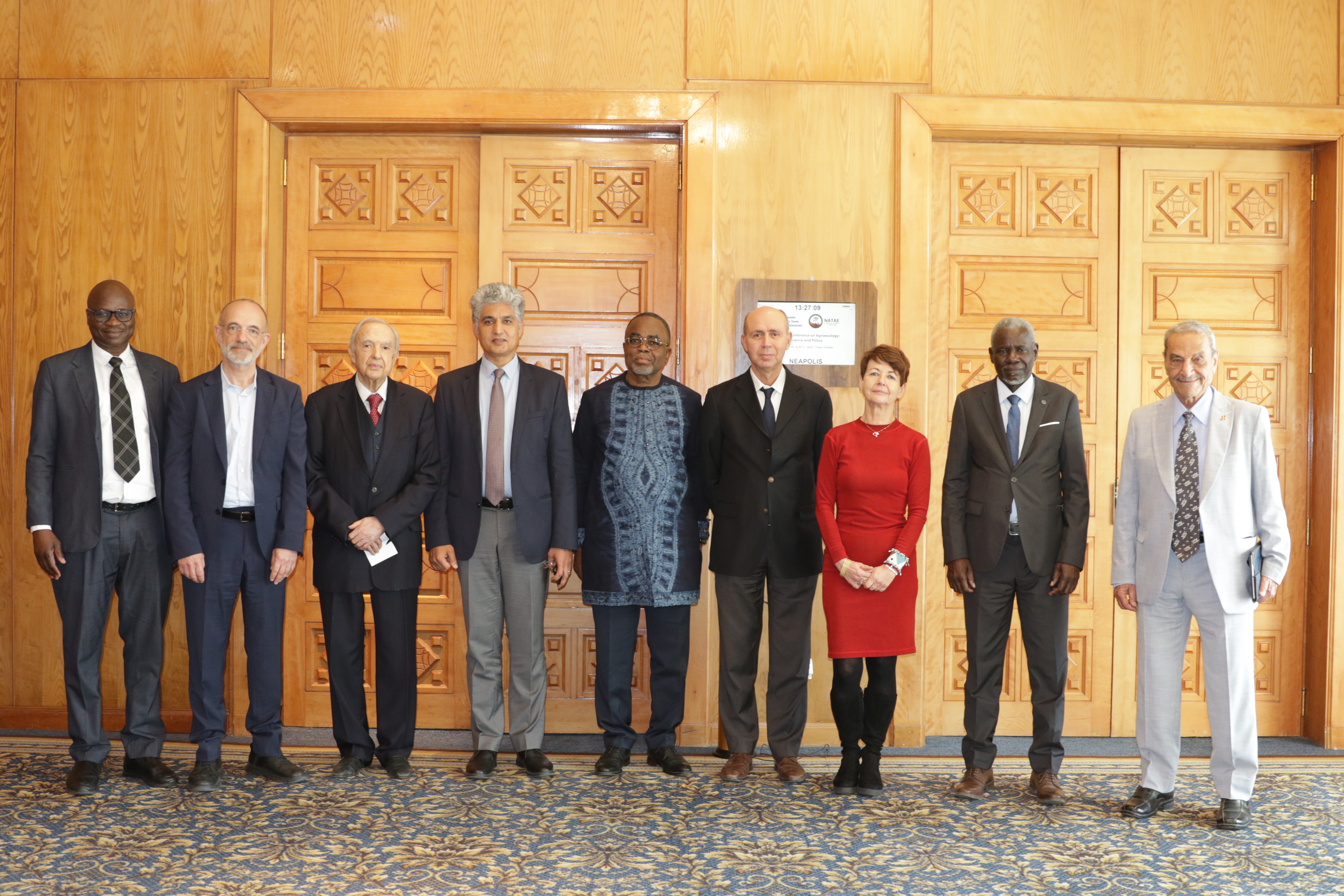
27th Session of the OSS Strategic Orientation Committee, Tunis, January 28, 2025
Held on January 28, 2025 in Tunis, the 27th session of the Strategic Orientation…
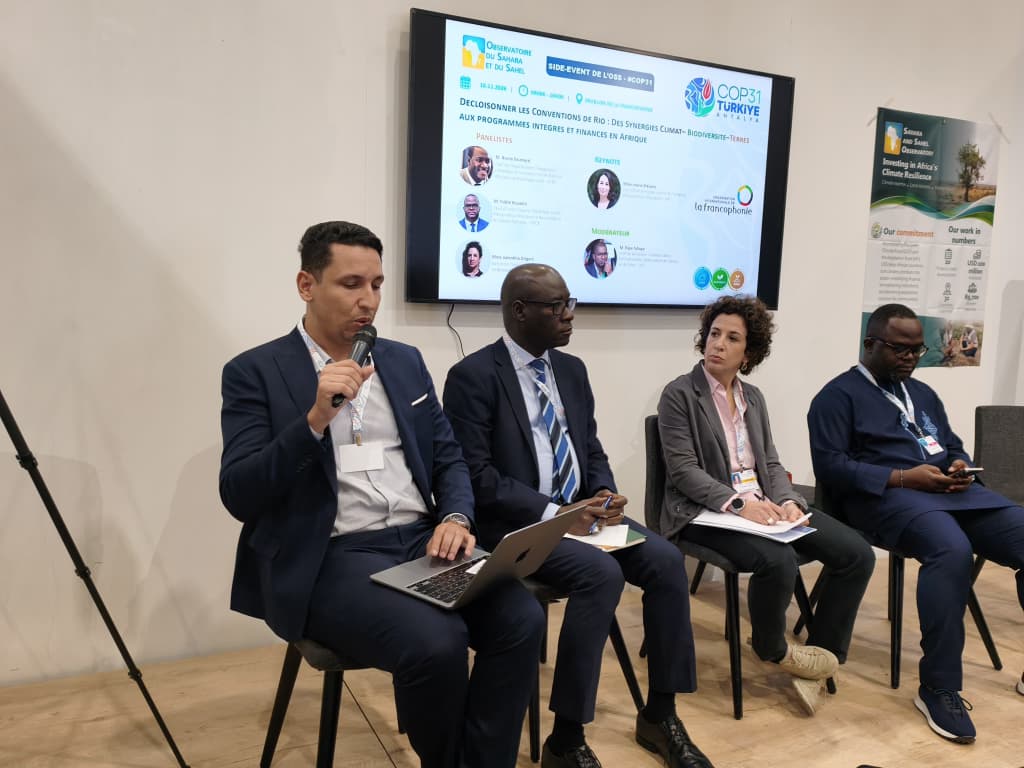
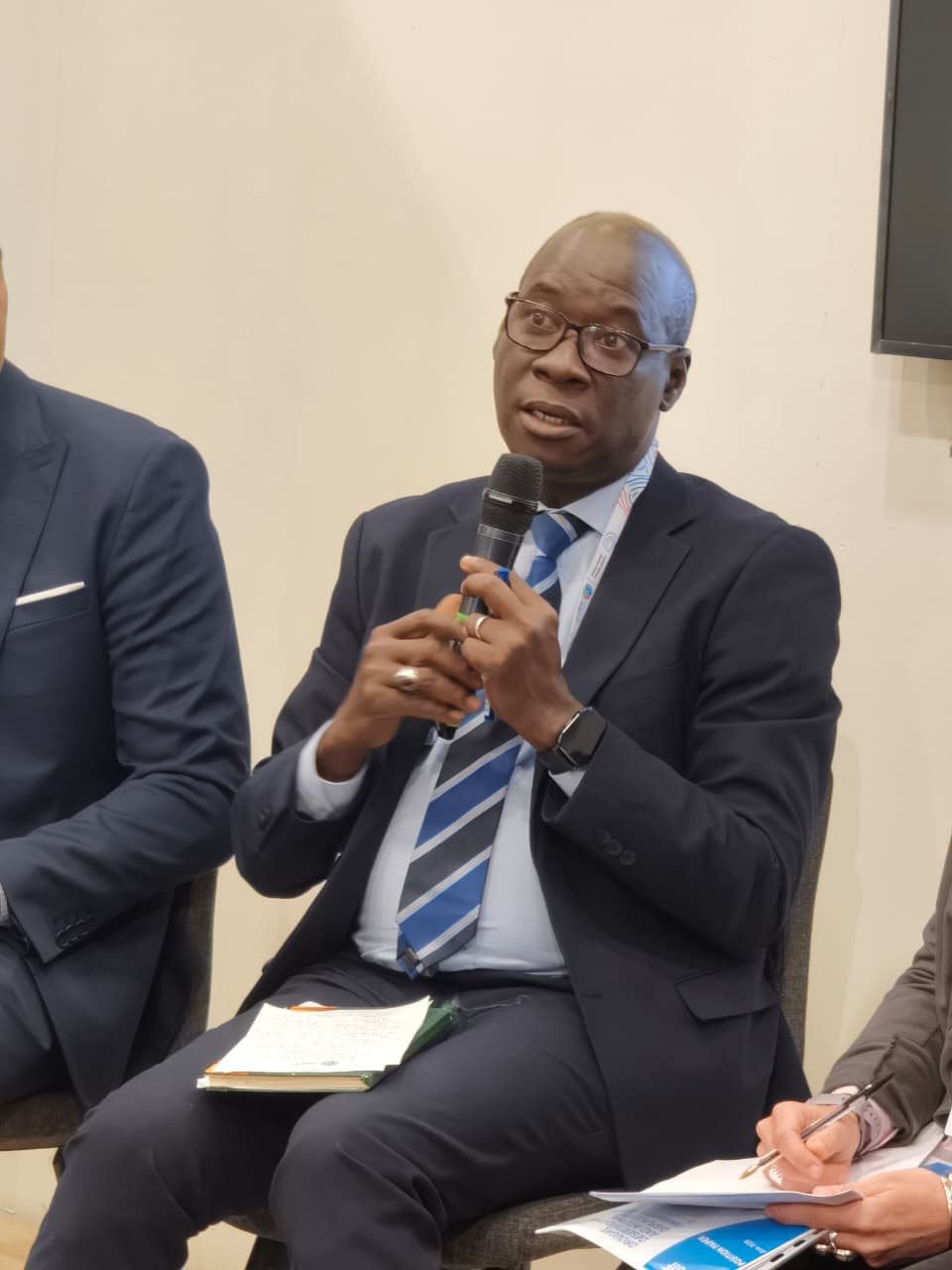
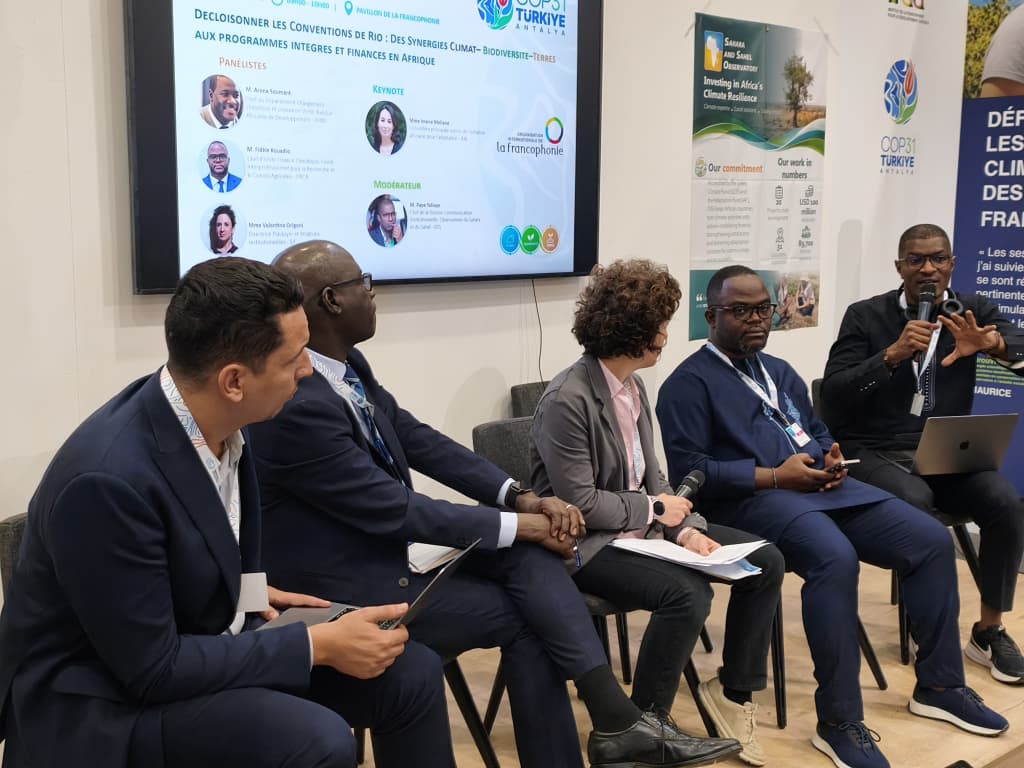
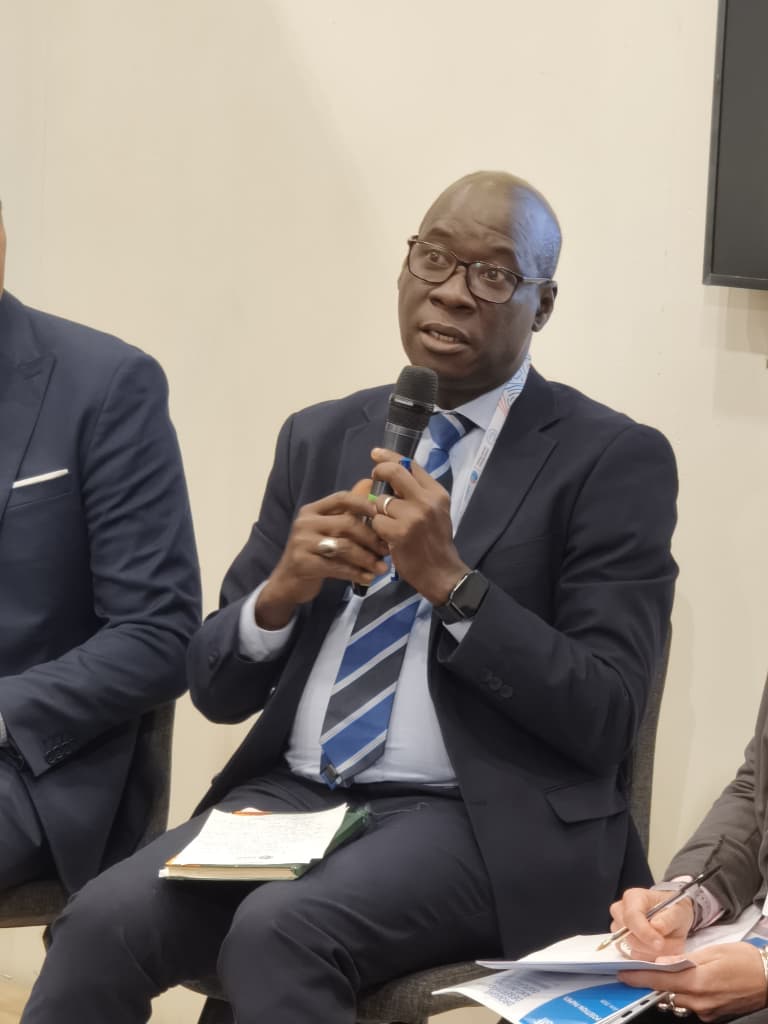
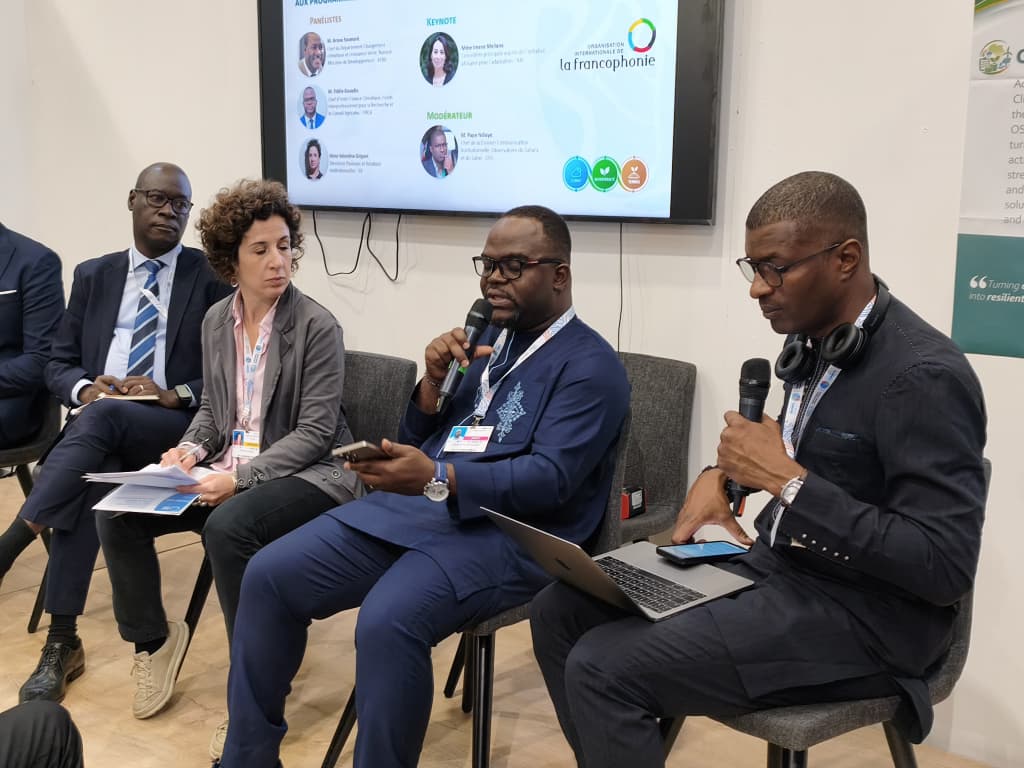
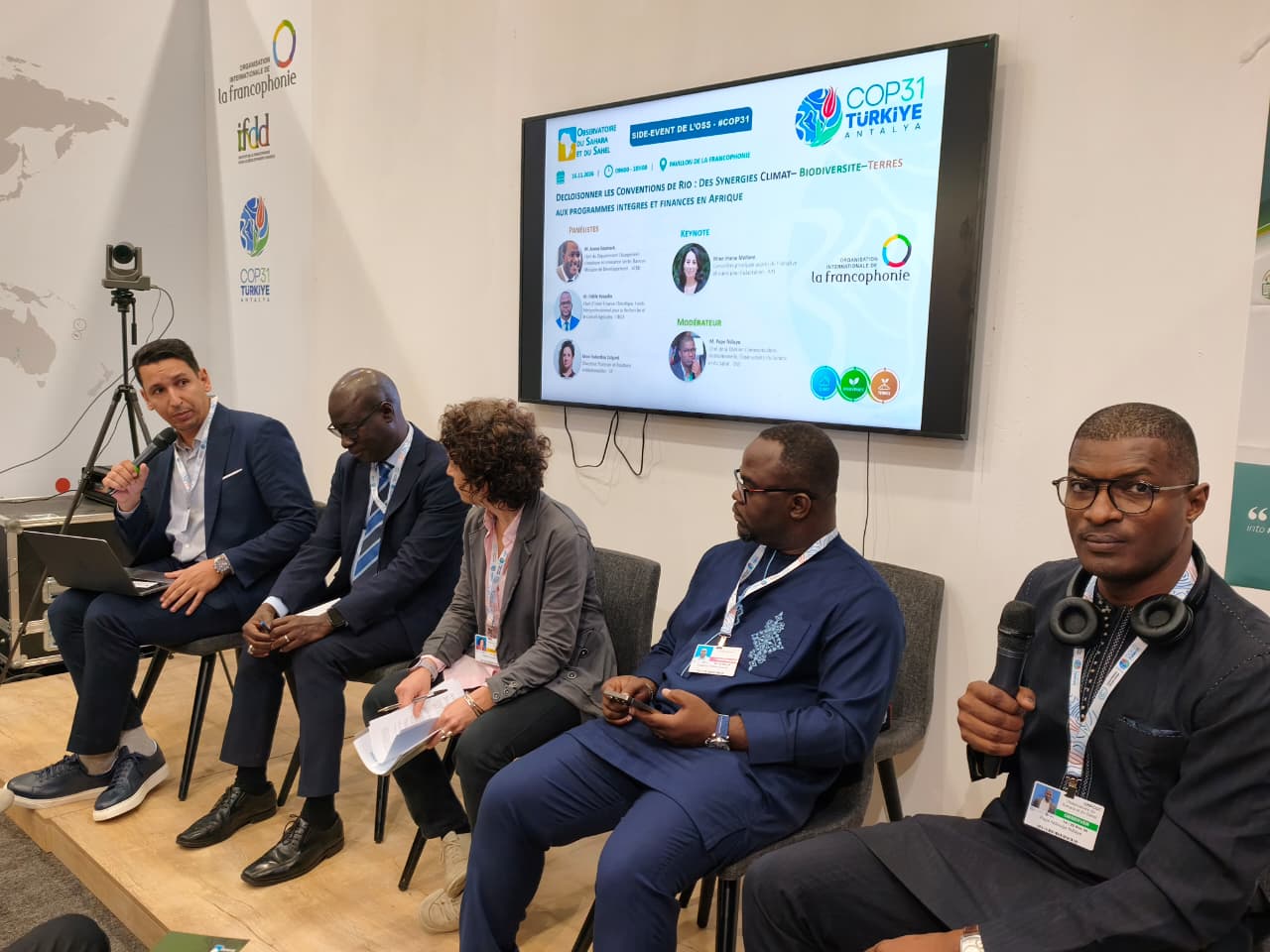
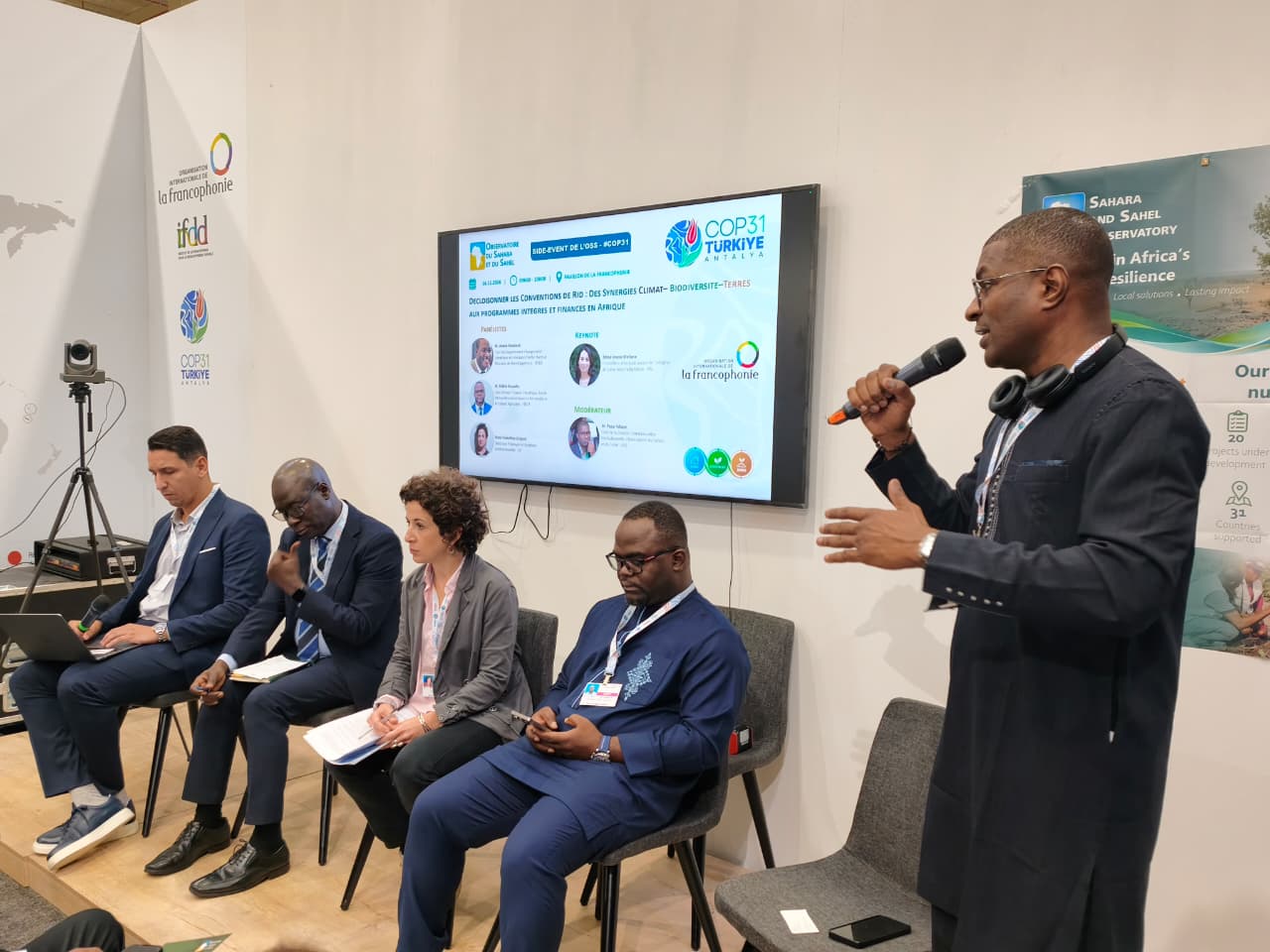
Antalya, Türkiye | 16 November 2026 | Francophonie Pavilion
Bringing international commitments together to accelerate their implementation on the ground. At COP31 in Antalya, the Sahara and Sahel Observatory (OSS) reaffirmed a major strategic ambition for Africa: to connect climate action, biodiversity conservation and land restoration through integrated, finance-ready territorial programmes. By bringing together policymakers, scientific experts, financial partners and local stakeholders, the OSS works to bridge national priorities, technical knowledge and available resources for the direct benefit of populations and ecosystems.
An interconnected ecological crisis
On the ground, climate change, biodiversity loss and land degradation are not isolated phenomena; they form a system of closely interlinked challenges. Intensifying droughts undermine soil health and agricultural production; the loss of vegetation cover accelerates erosion and disrupts the water cycle over the long term; and the degradation of ecosystems reduces their natural capacity to sequester carbon and sustain local communities' livelihoods. Addressing these pressures sustainably requires public policies and investments that take these interconnections into account from the outset.
Emerging from the founding momentum of the 1992 Earth Summit, the three Rio Conventions provide complementary frameworks for shaping this comprehensive response:
The United Nations Framework Convention on Climate Change (UNFCCC) aims to stabilise greenhouse gas concentrations and strengthen resilience to climate change;
The Convention on Biological Diversity (CBD) focuses on the conservation of species and habitats, the sustainable use of biodiversity components, and the fair and equitable sharing of benefits arising from genetic resources;
The United Nations Convention to Combat Desertification (UNCCD) addresses the rehabilitation of degraded land, sustainable land management and the mitigation of drought impacts.
Breaking down silos to deliver more effective action on the ground
Better coordination in the implementation of these three treaties is a major strategic lever for moving beyond fragmented, sector-based approaches. In practical terms, landscape restoration and the adoption of agroecological practices can simultaneously help preserve natural habitats, regenerate soil fertility, improve water availability and strengthen agricultural resilience. However, these co-benefits can only be achieved at scale through coordinated governance, technical solutions tailored to local realities, and common systems for monitoring and evaluating results.
For the African continent, particularly in arid, semi-arid and Sahelian regions where food security, social stability and rural economies depend directly on the state of natural resources, this convergence is an essential development priority. It makes it possible to design more coherent interventions, avoid administrative duplication and optimise the allocation of available funding.
From policy synergies to funded programmes
This operational vision was at the heart of the OSS side event entitled: “Breaking Down Silos between the Rio Conventions: From Climate–Biodiversity–Land Synergies to Integrated and Funded Programmes in Africa.”
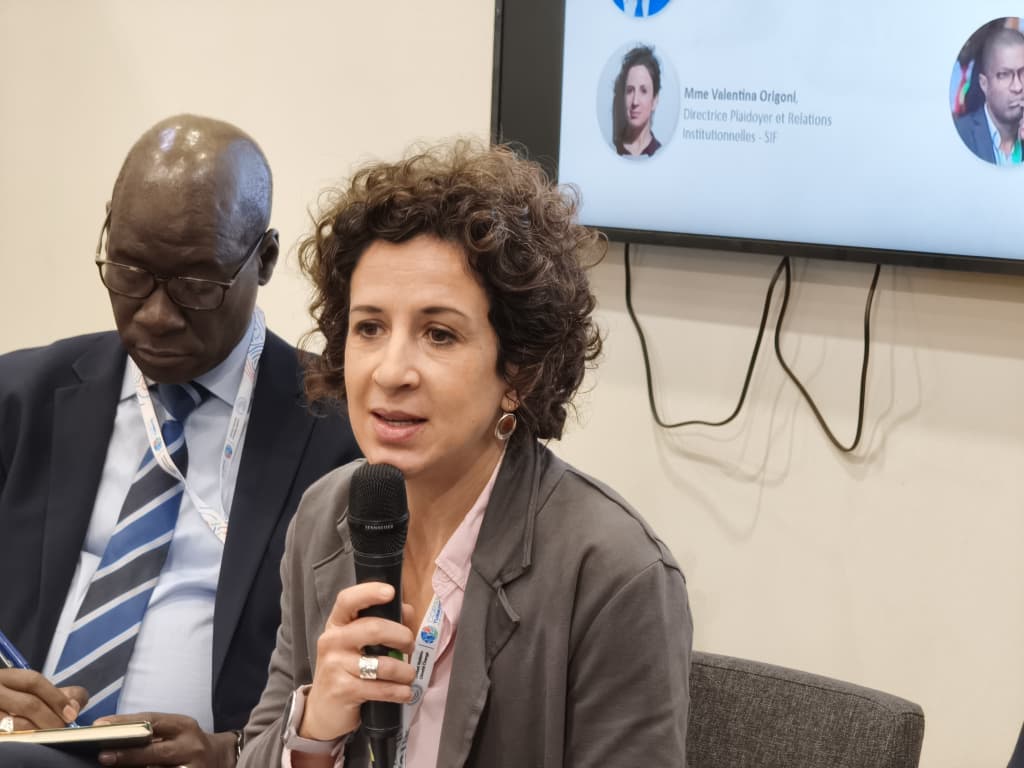
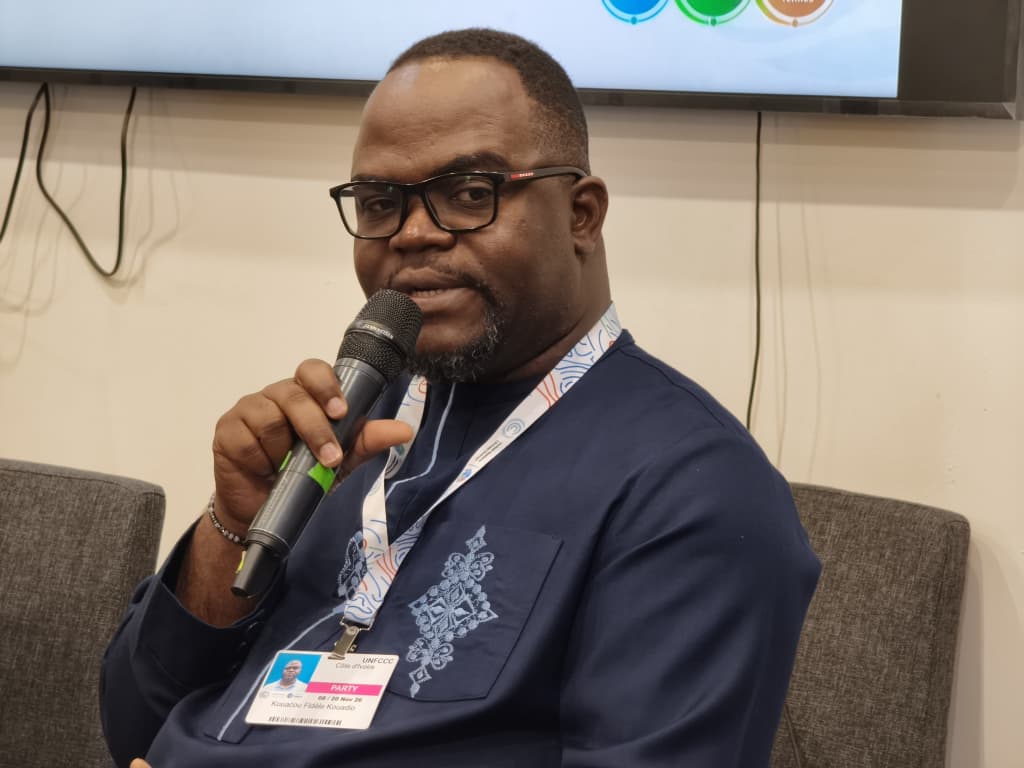
In keeping with its role as a regional convenor, the Organisation opened the session with remarks by Mr Aziz Belhamra, Head of the Project Implementation Division, followed by moderation from Mr Pape Ndiaye, Head of the Communication Division. The high-level dialogue brought together complementary expertise from development finance, the agricultural sector, international cooperation and civil society advocacy, with contributions from Mr Arona Soumaré, Head of the Climate Change and Green Growth Department at the African Development Bank (AfDB); Mr Fidèle Kouadio, Head of the Climate Finance Unit at the Interprofessional Fund for Agricultural Research and Advisory Services (FIRCA); Ms Valentina Origonie, Advocacy Officer at Secours Islamique France (SIF); and Ms Amanda McKee, Knowledge and Learning Director at the NDC Partnership.
Beyond acknowledging the challenges, discussions centred on one key question: How can the complementarity of international commitments be translated into bankable programmes capable of mobilising blended financing and delivering measurable results on the ground?
Drawing on its position at the intersection of science, public policy and climate finance, the OSS highlighted three priority levers for turning commitments into action:
Aligning national planning frameworks by bringing together climate strategies (Nationally Determined Contributions – NDCs and National Adaptation Plans – NAPs), biodiversity action plans and land degradation neutrality targets;
Pooling data and scientific monitoring by leveraging Earth observation and shared indicators to assess and demonstrate environmental co-benefits;
Developing multi-benefit financing mechanisms to facilitate joint access to major international funding mechanisms and private investment.
By combining countries' experiences, scientific expertise and the requirements of financial partners, this high-level dialogue helped identify practical pathways to accelerate the implementation of integrated and sustainable projects across the African continent.
Held on January 28, 2025 in Tunis, the 27th session of the Strategic Orientation…
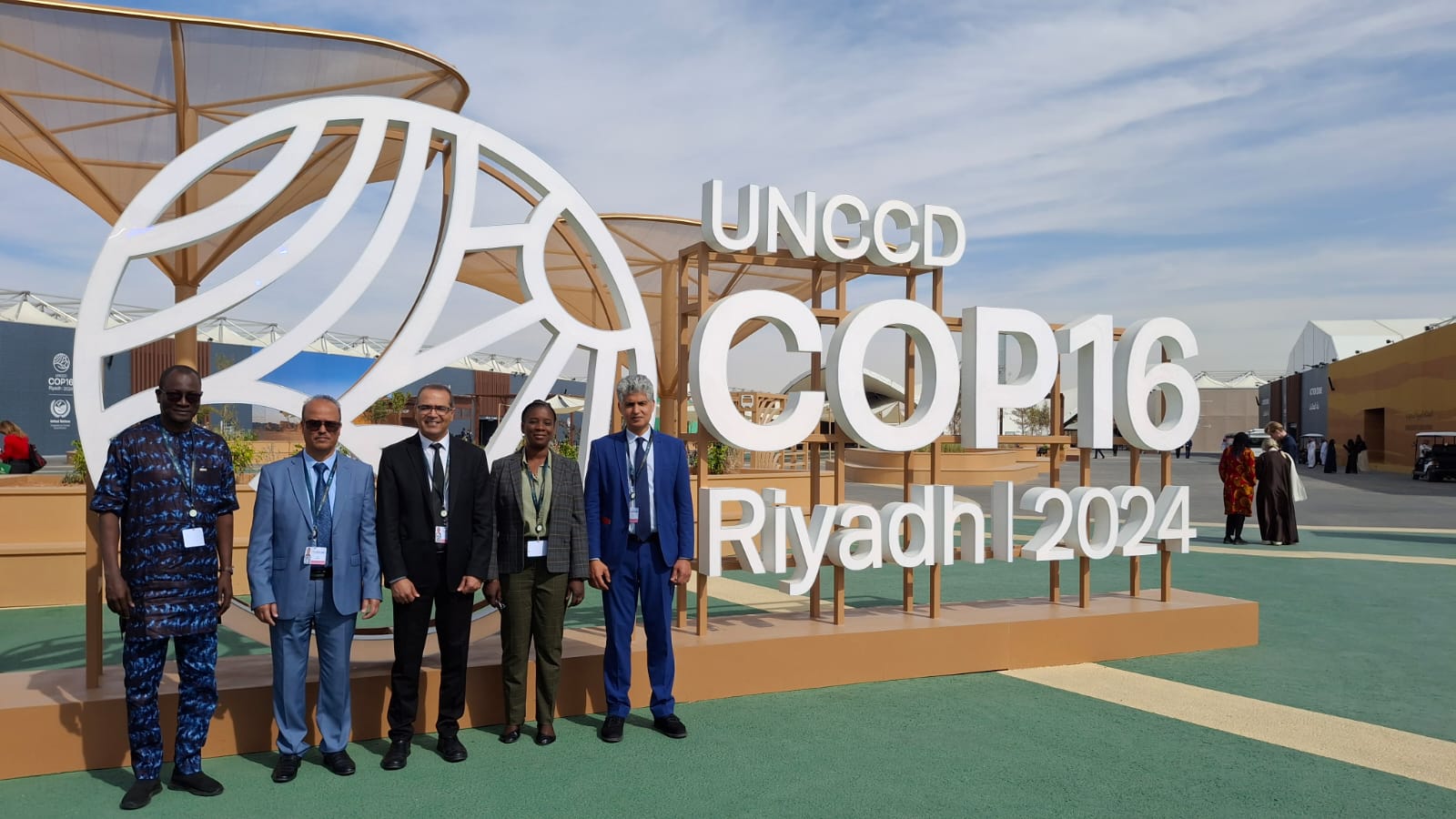
The participation of the Sahara and Sahel…
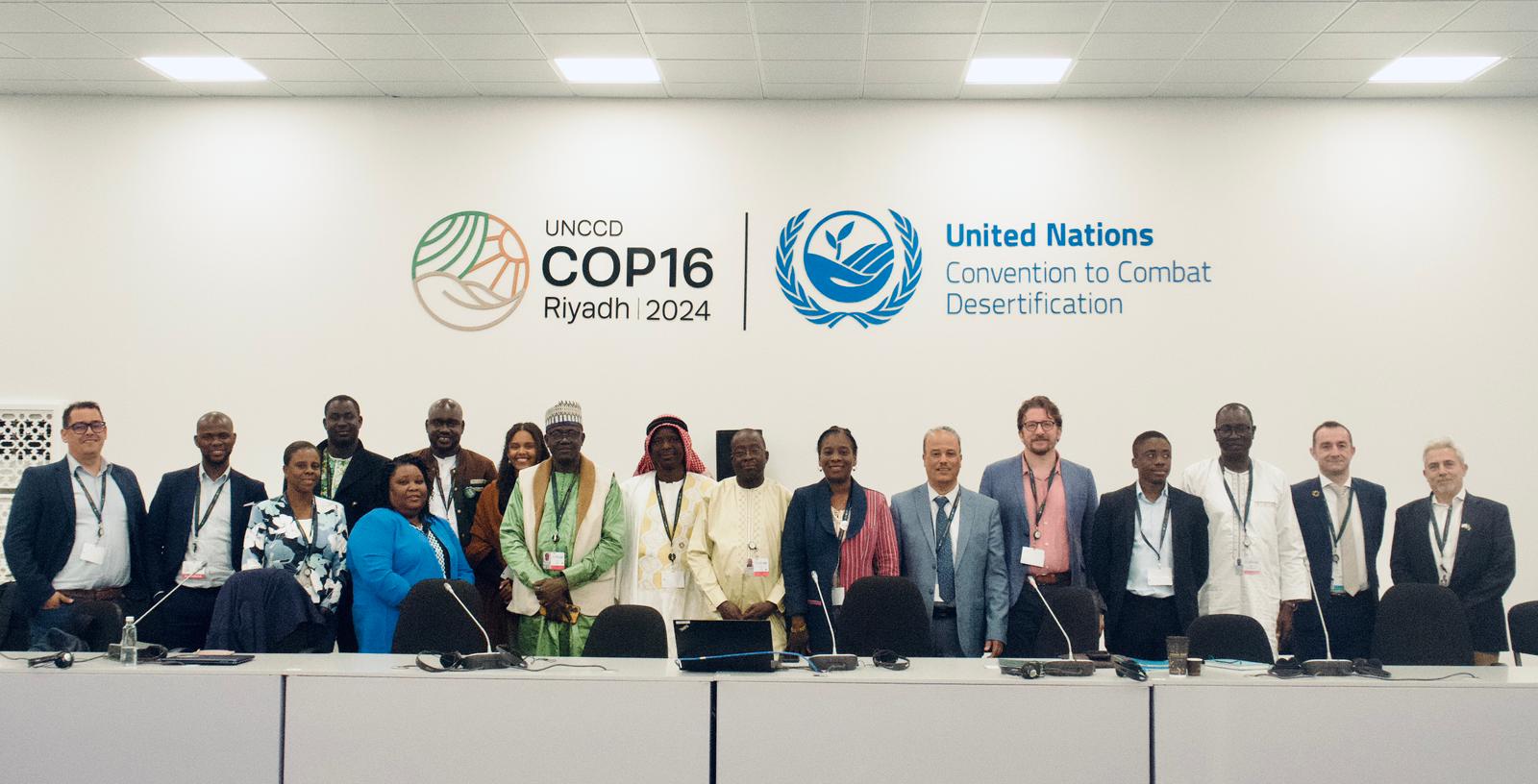
OSS Side Event at COP16: Strengthening Resilience in the Sahel through Multi-…