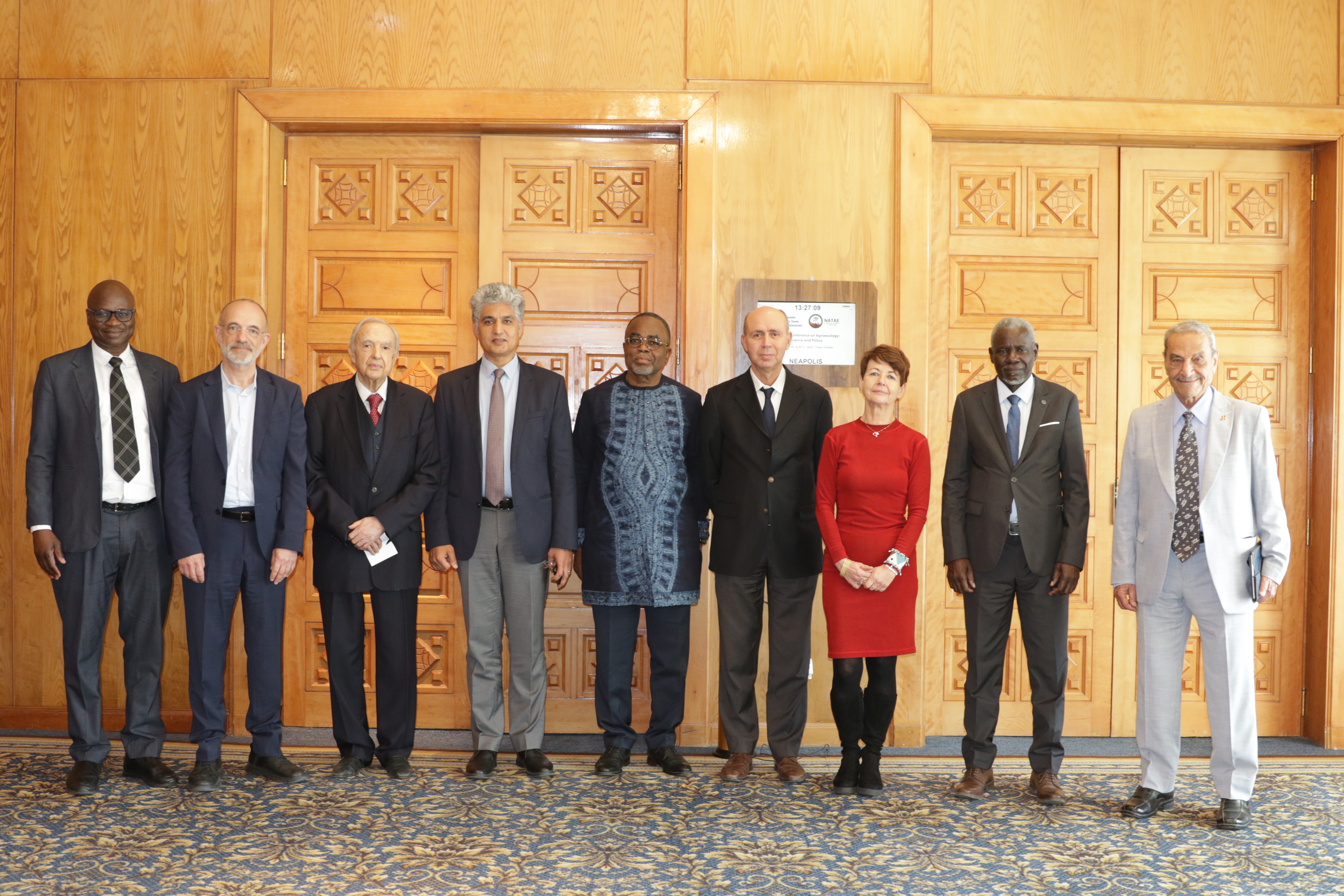
27th Session of the OSS Strategic Orientation Committee, Tunis, January 28, 2025
Held on January 28, 2025 in Tunis, the 27th session of the Strategic Orientation…
Antalya, Türkiye | COP31, 9–20 November 2026
Eleven years after the adoption of the Paris Agreement, the challenge is to turn climate commitments into tangible results. Africa, which bears little responsibility for historical emissions but is highly exposed to the consequences of global warming, is calling for climate justice and effective action at COP31. The Sahara and Sahel Observatory (OSS) contributes to this collective effort by connecting scientific knowledge, institutional capacity-building, regional cooperation and access to climate finance, helping translate countries’ priorities into actions tailored to local contexts.
The Paris Agreement established a common framework to keep global warming well below 2°C and pursue efforts to limit it to 1.5°C. Eleven years after its adoption, the decisive question is how to accelerate emissions reductions while equipping populations to cope with changes that are already underway. Held in Antalya, COP31 provides another opportunity to advance discussions on adaptation, climate finance and international cooperation.
For Africa, these discussions have direct implications for the continent’s development prospects. Africa is among the lowest contributors to historical greenhouse gas emissions, yet its water resources, food systems, infrastructure and ecosystems are already experiencing climate-related losses and damage. This imbalance places equity at the heart of the continent’s expectations.
The consequences are tangible: threatened harvests, increasingly vulnerable access to water, disrupted economic activities and additional pressure on public spending. According to the World Meteorological Organization, drought affected more than 8.5 million people in East Africa in 2025. Persistent gaps in early warning systems also highlight the importance of investing in preparedness and anticipatory action.
In the face of these challenges, Africa must be able to influence the decisions shaping its climate future while asserting its capacity to develop and deliver solutions. This requires stronger coordination among countries, the promotion of priorities grounded in scientific evidence, and greater recognition of locally developed solutions.
The continent has valuable experience in shared resource management, land restoration, agroecology and community-based adaptation. Recognising these efforts must go hand in hand with public policies, technical expertise and financing that enable their consolidation and scaling up. African institutions, researchers, local authorities, producers’ organisations, women and young people all have a role to play in shaping responses and monitoring their results.
This capacity for initiative must also be reflected in climate negotiations. Access to finance, technology and expertise remains essential to implementing climate commitments.
For Africa, the impact of COP31 should be assessed in particular through the availability of more predictable adaptation finance, more efficient access procedures, increased support for national capacities and practical responses to loss and damage. The objective is to move beyond declarations and ensure that projects are effectively implemented.
The financing gap remains considerable. The United Nations Environment Programme (UNEP) estimates that developing countries' adaptation needs will reach USD 305 billion per year by 2035, while international public finance flows from developed countries amounted to between USD 28.2 billion and USD 31.7 billion in 2024. These figures cover all developing countries and illustrate the scale of the collective effort required.
Progress must be measurable: projects actually financed, shorter access procedures, better-equipped institutions, better-protected populations and investments that address local priorities. These remain expectations to be pursued and defended; they cannot be considered achieved before the conclusion of the negotiations.
In this context, the OSS contributes to a shared understanding of climate risks and possible responses. Its work combines natural resource monitoring, the production of decision-support data, institutional dialogue and capacity-building for countries. It helps translate complex environmental challenges into planning decisions and operational programmes. The concerted management of transboundary water resources and support for the implementation of environmental agreements are central areas of its expertise.
At COP31, the three events co-organised by the OSS and its partners, focusing on synergies among the three Rio Conventions, financing adaptation in the water sector, and agroecological solutions, contribute to this approach. They bring together knowledge, national experiences and the expectations of financial partners to identify new avenues for cooperation.
Accredited to the Green Climate Fund and the Fund for responding to Loss and Damage (FRLD), the OSS supports countries in preparing and implementing climate projects. This combination of technical expertise, institutional capacity-building and access to financial mechanisms is part of a climate action agenda driven by African institutions.
The expected outcomes are practical: better-structured programmes, accessible financing, stronger early warning systems, concerted water management, and solutions that combine climate resilience, land restoration and biodiversity conservation. At COP31, the OSS aims to strengthen the partnerships and capacities needed to make these ambitions a reality.
Eleven years after Paris, the credibility of climate action is measured by its ability to protect populations and deliver tangible results. For Africa, climate justice means having its priorities recognised, its solutions supported and the means to implement them. This is the ambition to which the OSS is committed.
Held on January 28, 2025 in Tunis, the 27th session of the Strategic Orientation…
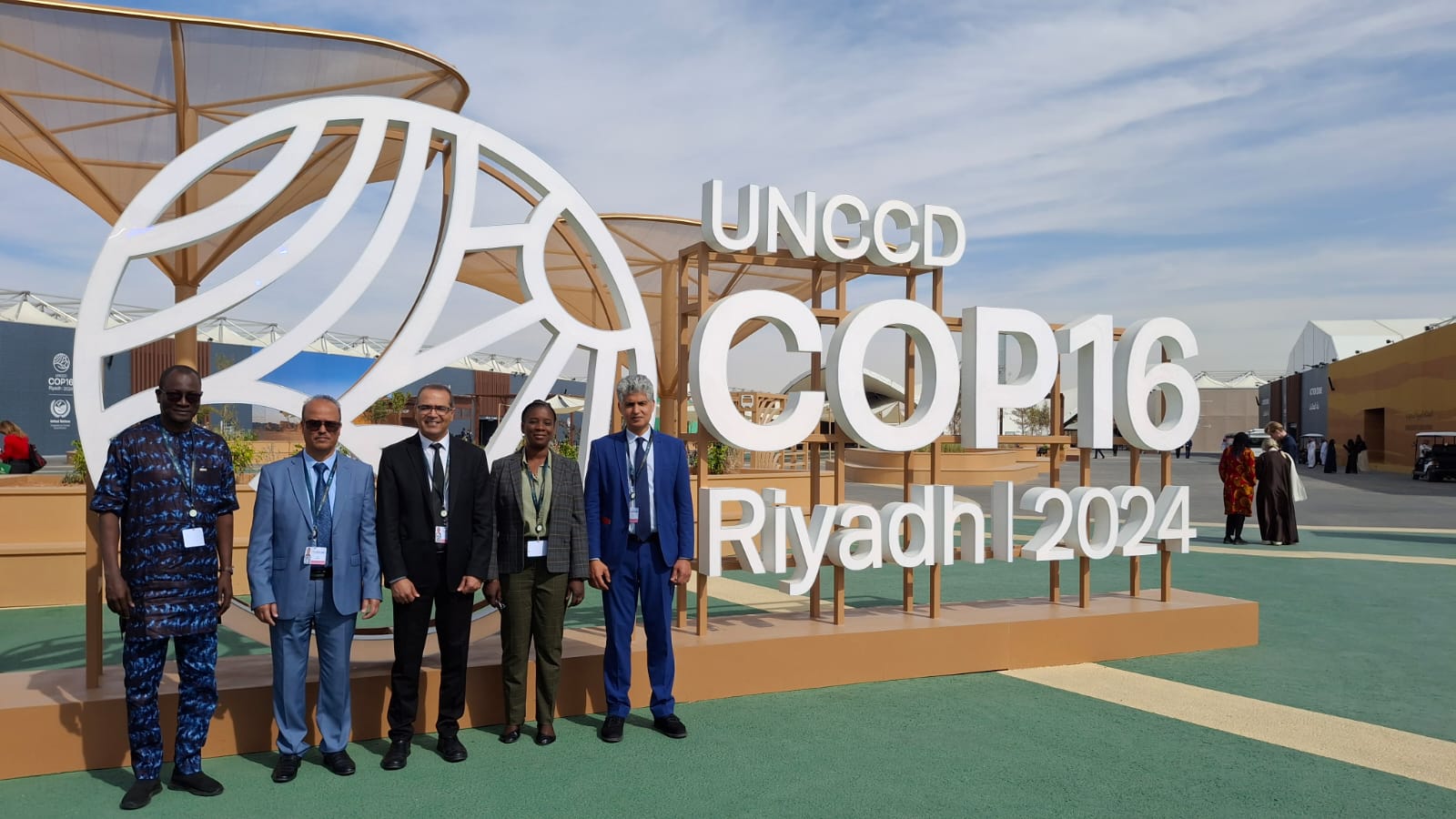
The participation of the Sahara and Sahel…
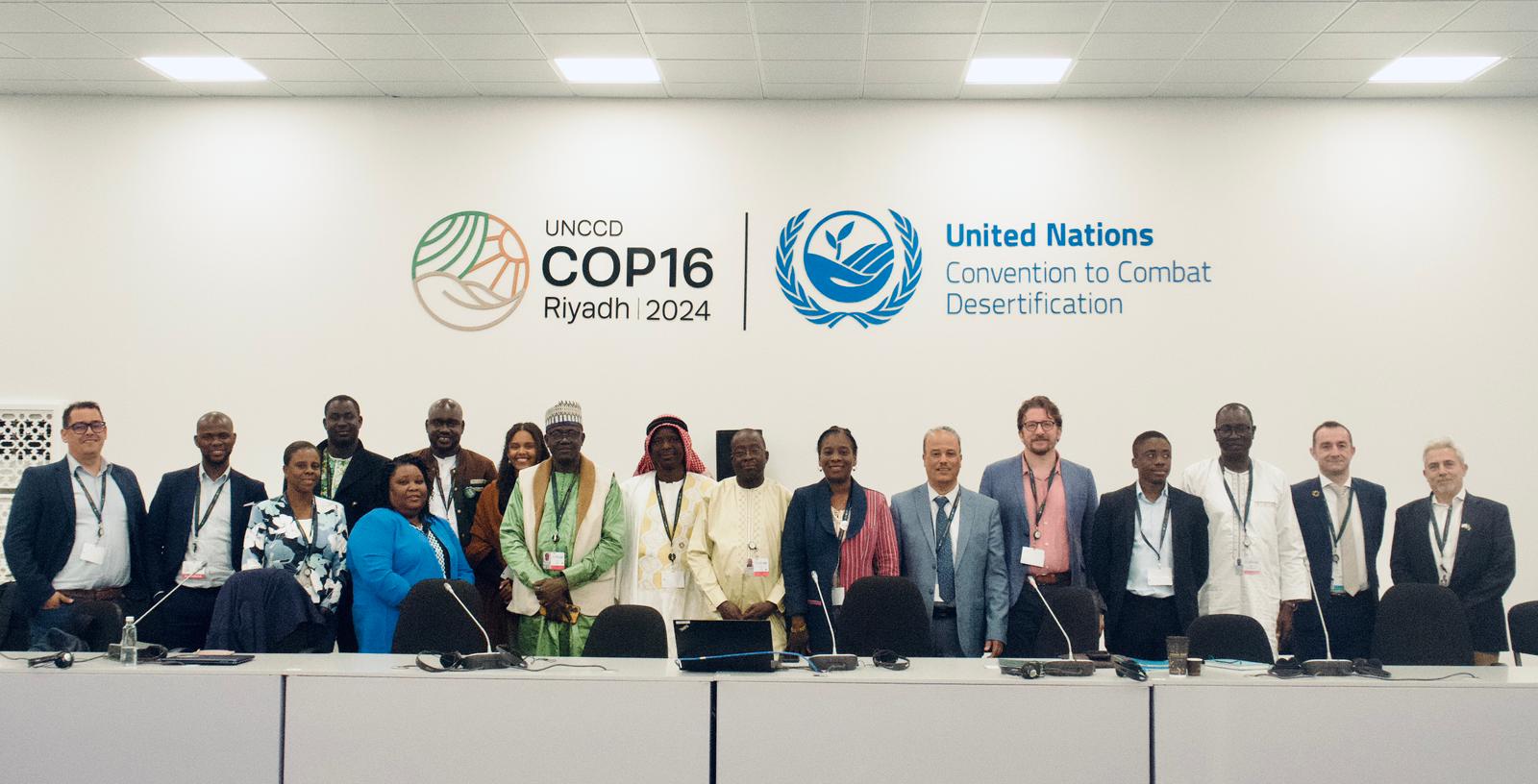
OSS Side Event at COP16: Strengthening Resilience in the Sahel through Multi-…