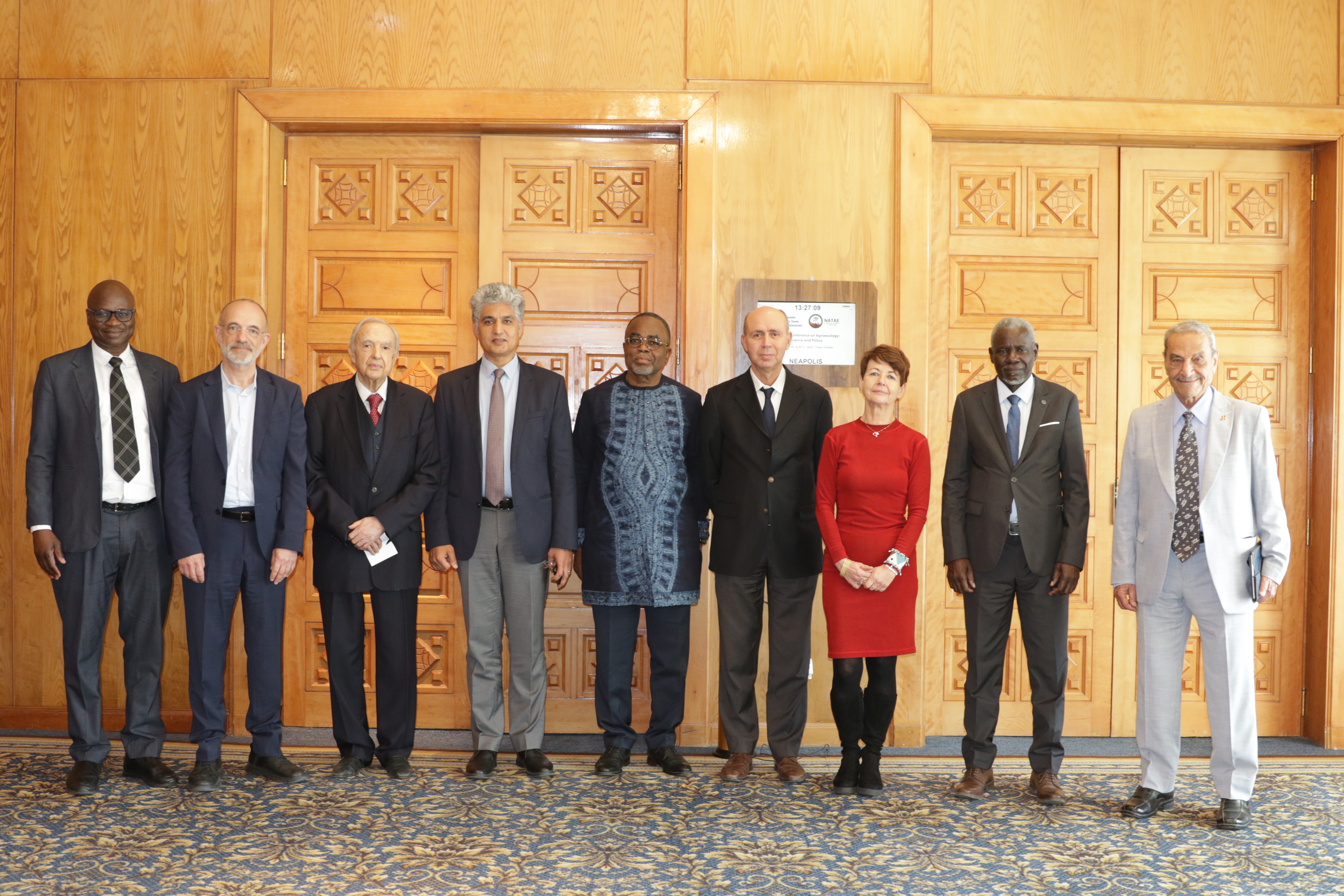
27th Session of the OSS Strategic Orientation Committee, Tunis, January 28, 2025
Held on January 28, 2025 in Tunis, the 27th session of the Strategic Orientation…
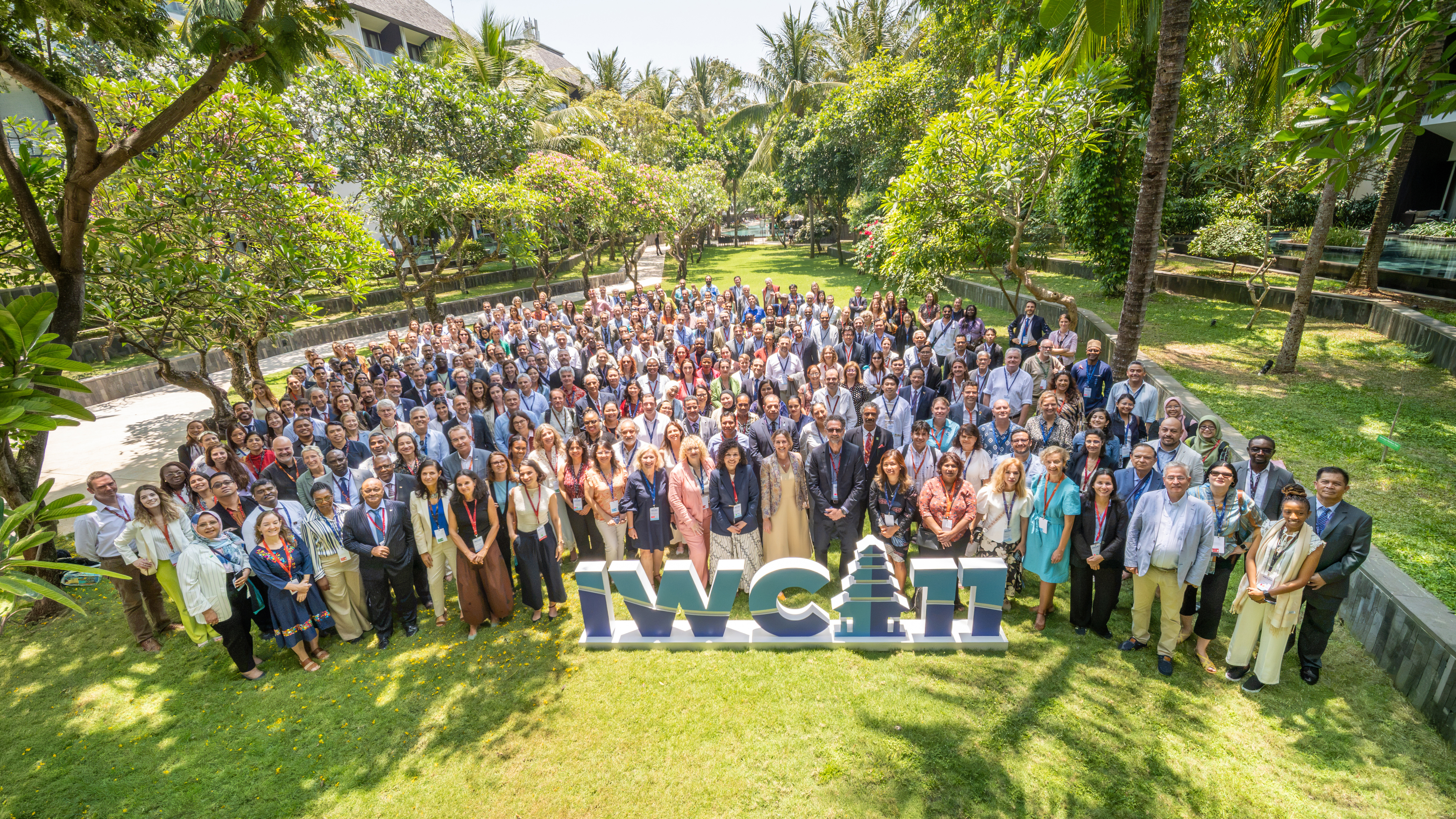
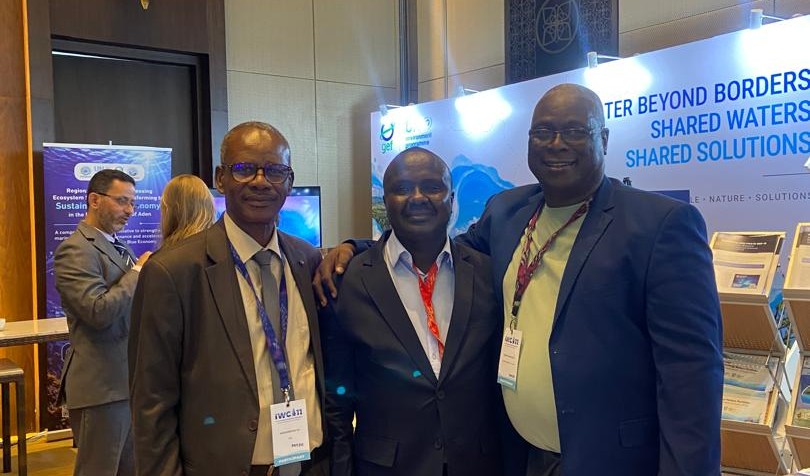
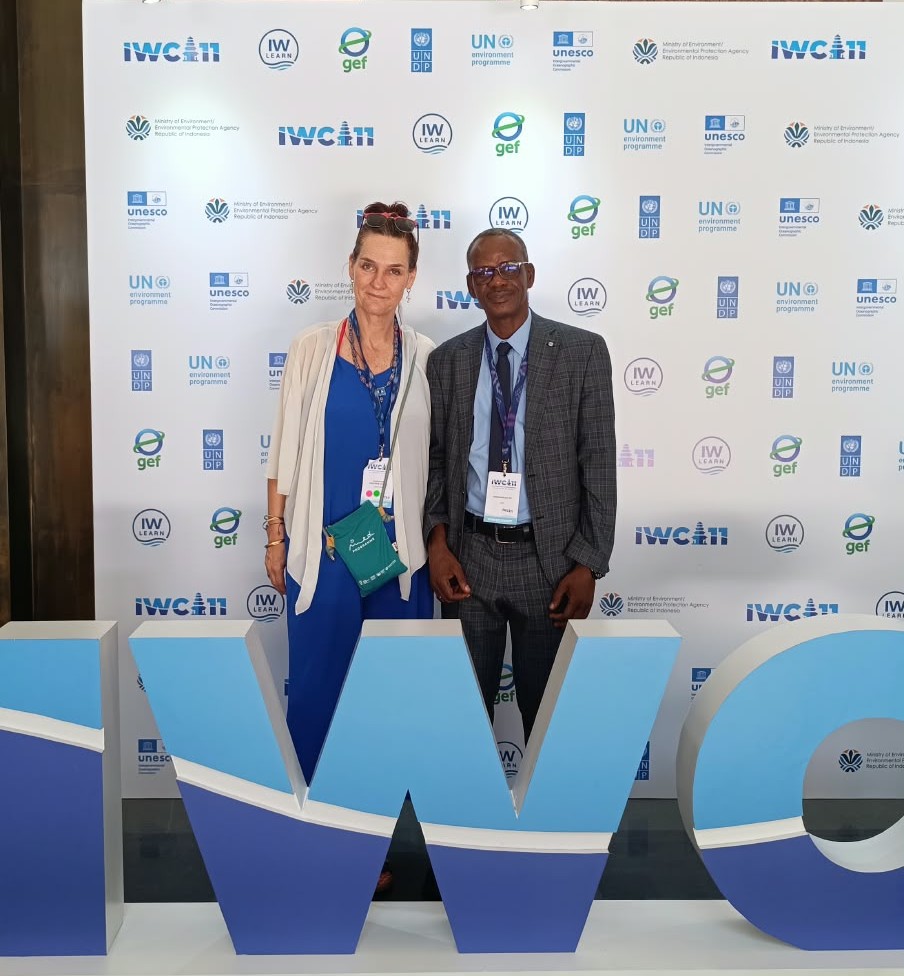
Bali, Indonesia | 19–22 October 2026
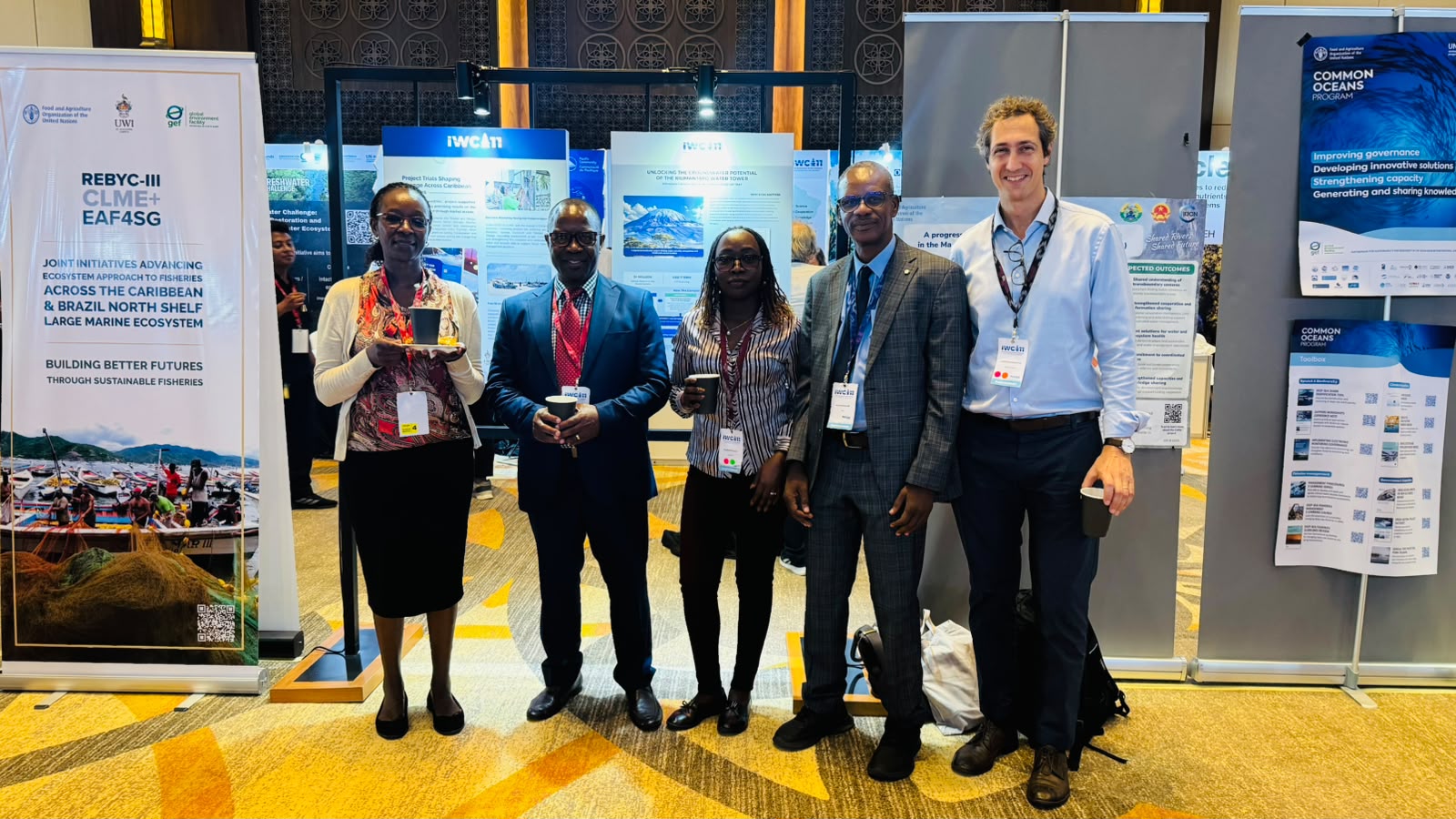
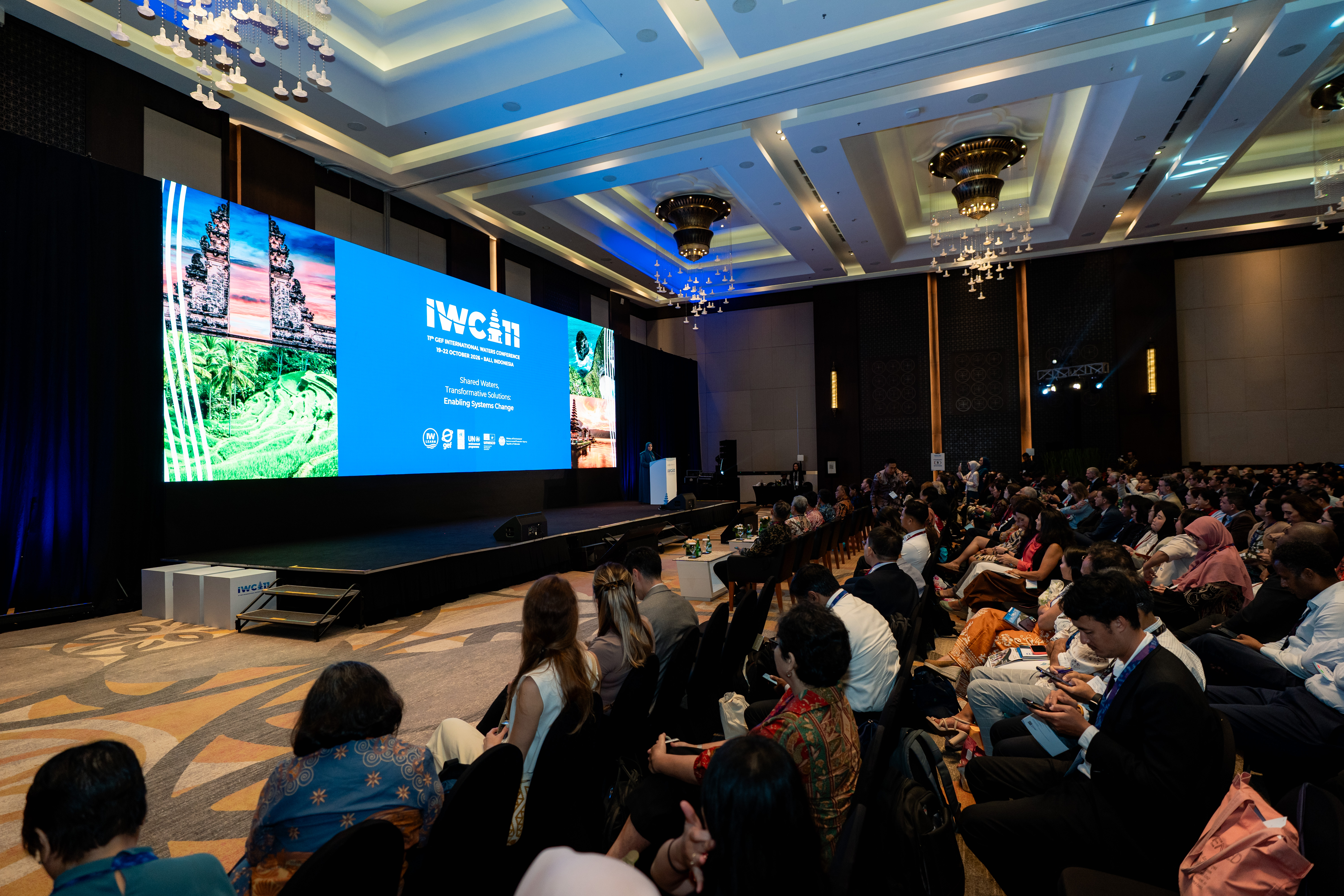
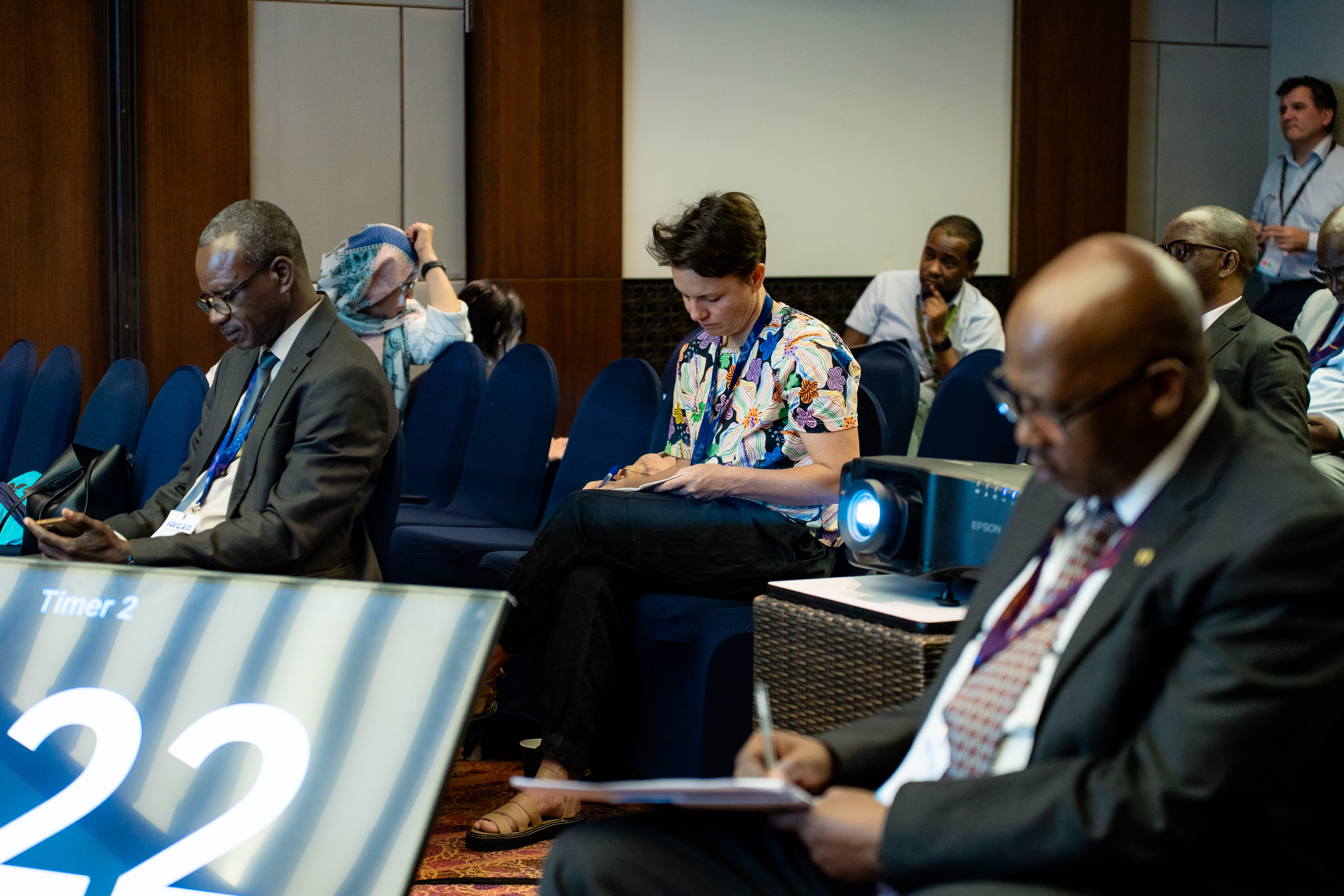
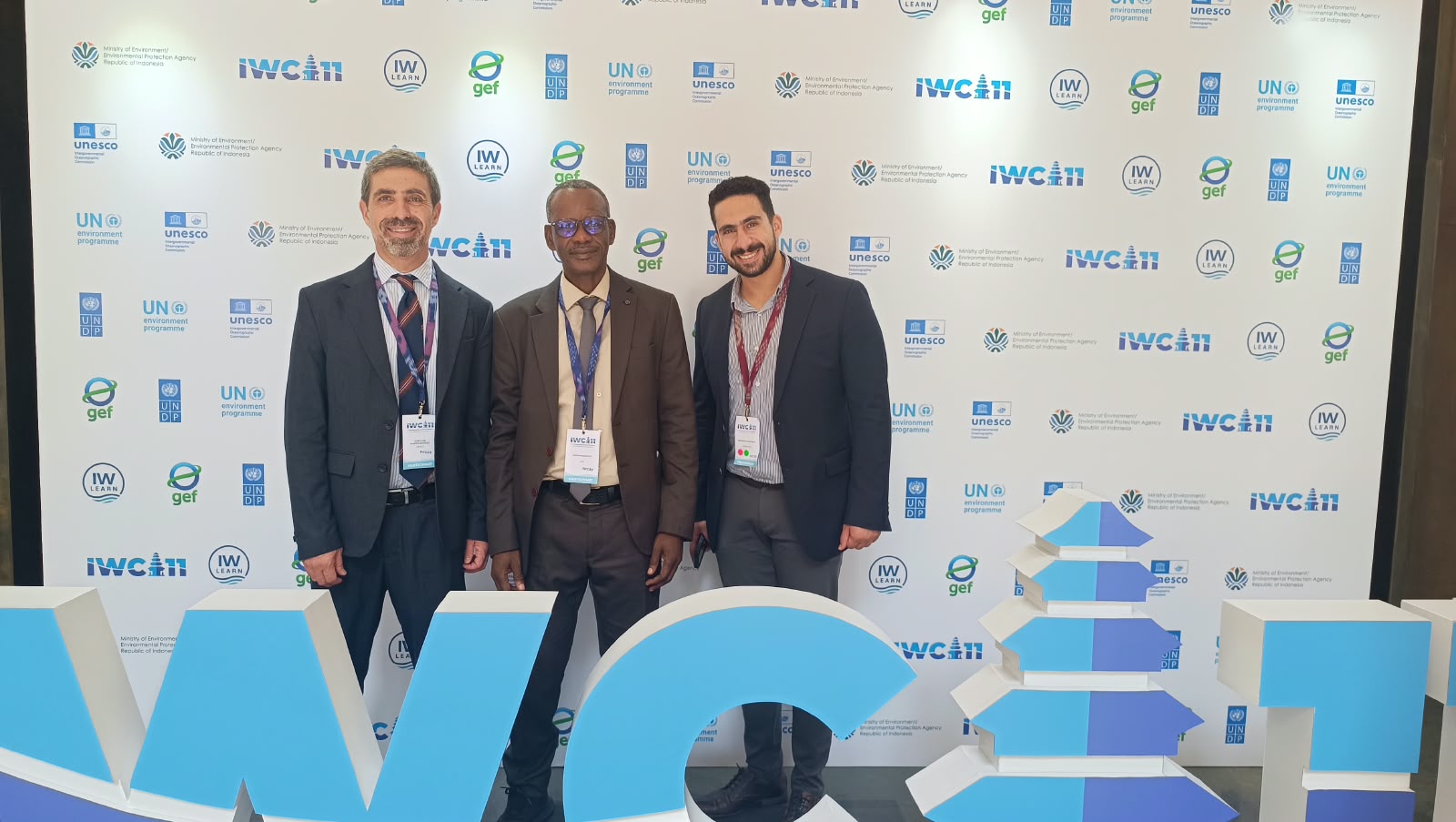
The OSS participated in the 11th Global Environment Facility (GEF) Biennial International Waters Conference (IWC11), held in Bali, Indonesia, from 17 to 22 October 2026, under the theme “Shared Waters, Transformative Solutions: Enabling Systems Change.” The OSS took part in the conference activities from 19 to 22 October 2026.
Bringing together key stakeholders involved in international water cooperation, including national and regional institutions, basin organizations, implementing agencies, technical and financial partners, and civil society representatives, the conference provided a valuable platform for exchanging experiences and sharing best practices. It aimed, in particular, to identify innovative and replicable approaches to strengthening the sustainable management of transboundary water resources and shaping the next generation of GEF projects under its ninth replenishment cycle (GEF-9).
Showcasing African Experience in the Conjunctive Management of Surface Water and Groundwater
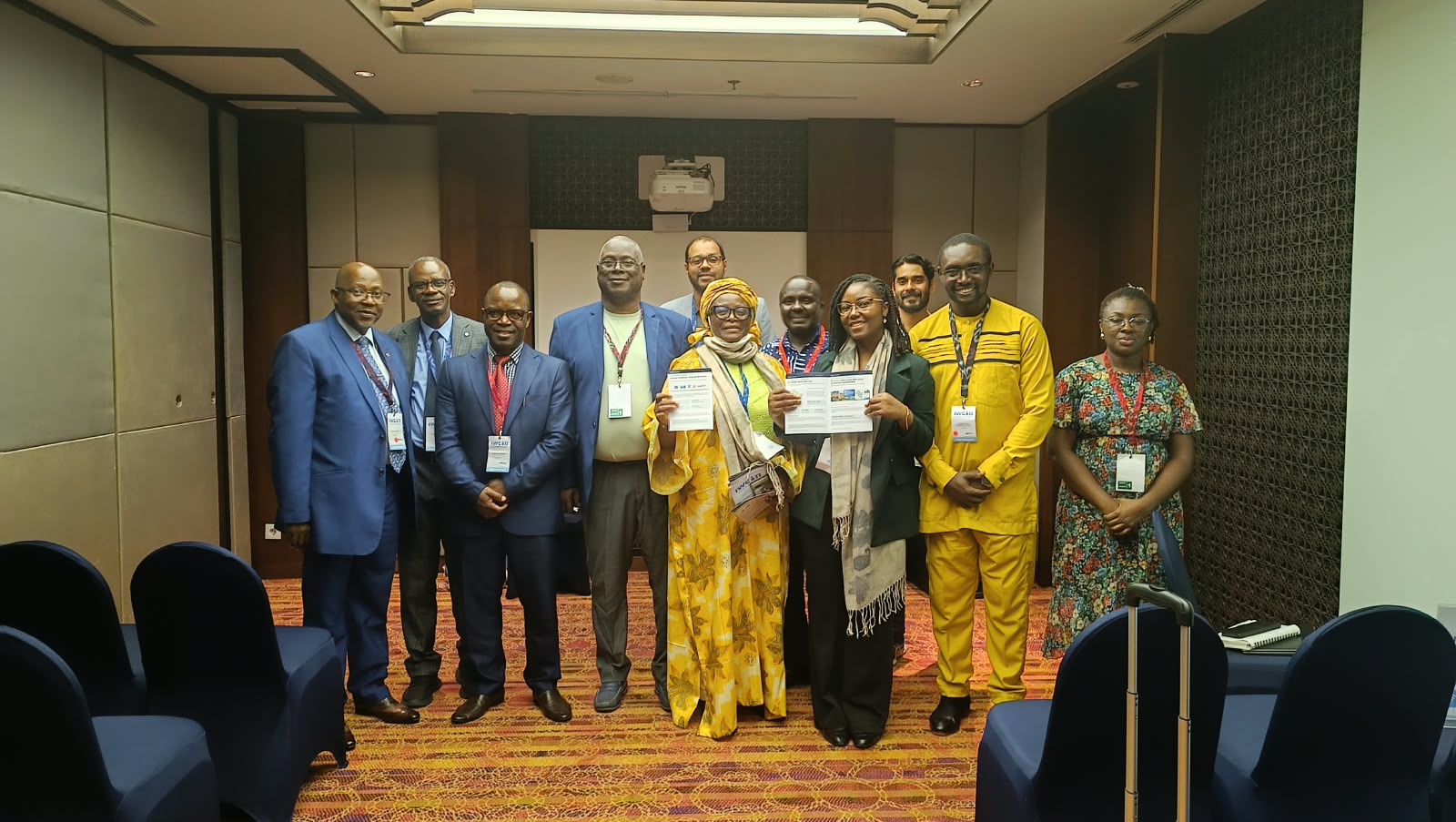
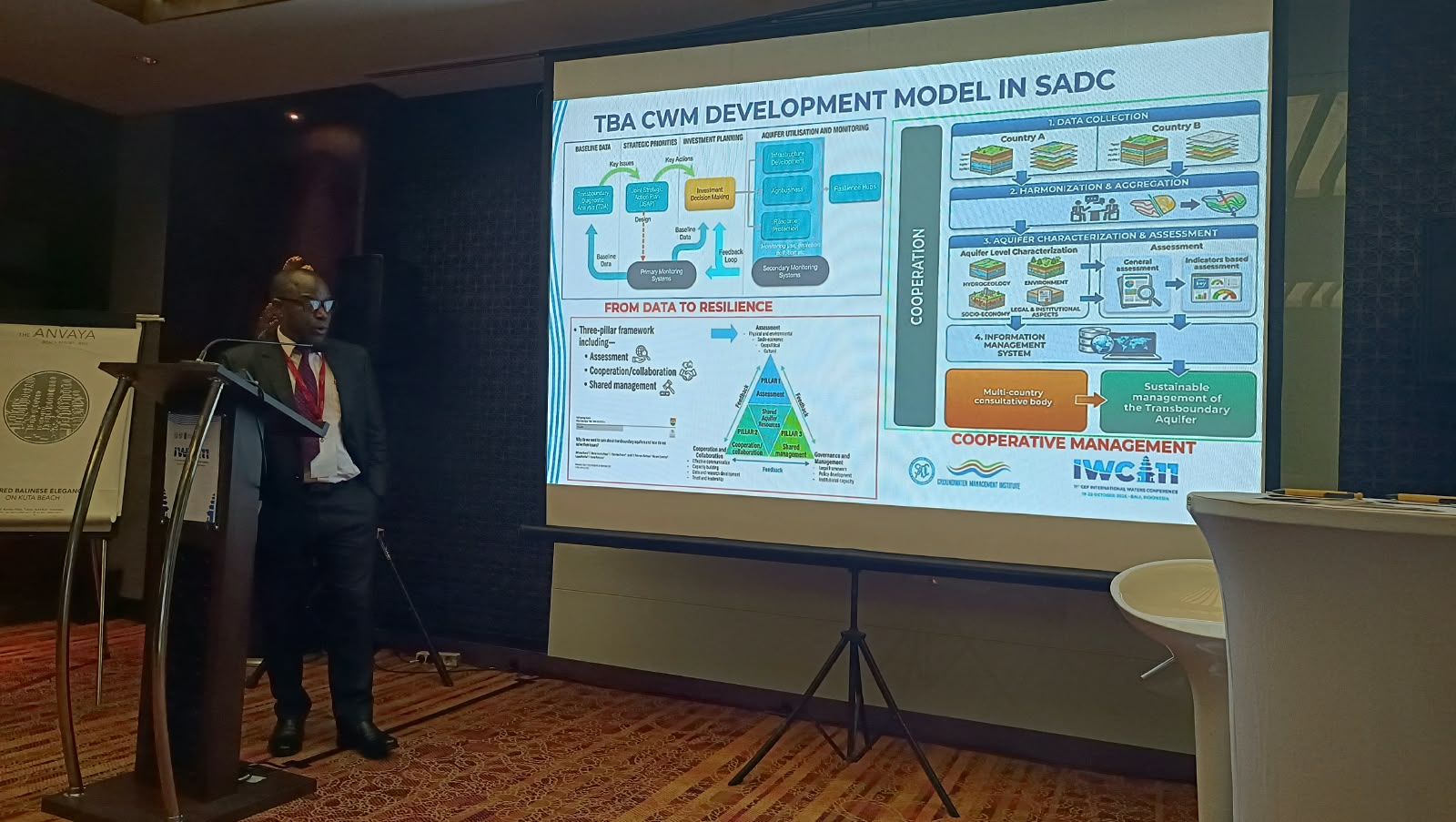
As part of the conference, the OSS contributed to facilitating a workshop entitled “Conjunctive Management of Transboundary Water Resources in Africa: Experience Shared and Lessons Learnt.”
The session highlighted progress achieved across several African transboundary river basins and aquifer systems, emphasizing the importance of an integrated approach to surface water and groundwater management to strengthen water security, preserve ecosystems, and enhance resilience to climate change. It was organized in partnership with the Nile Basin Initiative (NBI), UNESCO, and a specialized institution of the Southern African Development Community (SADC).
On this occasion, the OSS shared lessons learned from the implementation of its projects in the Iullemeden–Taoudéni/Tanezrouft Aquifer System (ITTAS) and the Senegal-Mauritanian Aquifer System (SMAS).
These experiences demonstrate the critical role of generating and sharing scientific knowledge, harmonizing hydrogeological data, developing joint monitoring and modelling tools, and establishing consultation mechanisms among countries sharing common water resources.
The OSS particularly emphasized the need to move beyond resource assessment and diagnosis towards operational governance, coordinated planning, and joint investments. This transition requires sustained commitment from countries, appropriate institutional arrangements, and sustainable financing mechanisms.
Ensuring the Long-Term Sustainability of Project Achievements Beyond Funding
The OSS also participated in the interactive session “How to Move Beyond Projects and Ensure that Impact Lasts?”, which addressed the sustainability challenges of projects funded under the GEF International Waters Programme.
Discussions focused on the conditions needed to preserve and scale up results beyond project completion, particularly in terms of financial resource mobilization, institutional ownership, partnerships, and the continuity of cooperation mechanisms.
Drawing on its experience in implementing regional projects, the OSS highlighted the importance of integrating sustainable institutional arrangements, diversified financing strategies, and concrete pathways for sustaining and building on project achievements from the earliest stages of project design.
Strengthening Regional Cooperation and the Resilience of Shared Waters in West Africa
The OSS also contributed to the session “How to Strengthen Regional Cooperation and Innovative Solutions for Better Resilience of Transboundary Waters in West Africa?”, which explored innovative approaches to enhancing cooperation and strengthening the resilience of shared water resources in West Africa.
Discussions focused particularly on experiences gained in the transboundary Mono and Volta basins, as well as opportunities to strengthen dialogue mechanisms, joint planning, and benefit-sharing arrangements related to water resources management.
Drawing on the experience gained through the ITTAS, SMAS, and IREE (Regional Initiative for Water and Environment) projects, the OSS emphasized the importance of strengthening the capacities of regional and national institutions, promoting knowledge exchange, and developing solutions tailored to the climate and environmental challenges facing African transboundary basins.
From Shared Knowledge to Coordinated Action
The OSS participation in IWC11 reaffirmed its commitment to integrated, cooperative, and sustainable management of transboundary water resources in Africa.
The various sessions highlighted a shared priority: translating scientific knowledge and project achievements into lasting cooperation mechanisms capable of supporting coordinated decision-making and strategic investments for the benefit of communities and ecosystems.
Looking ahead to GEF-9, the OSS intends to continue contributing to the development of regional partnerships, the strengthening of shared water governance, and the preparation of initiatives that promote water security, climate change adaptation, and sustainable development across Africa.
Held on January 28, 2025 in Tunis, the 27th session of the Strategic Orientation…
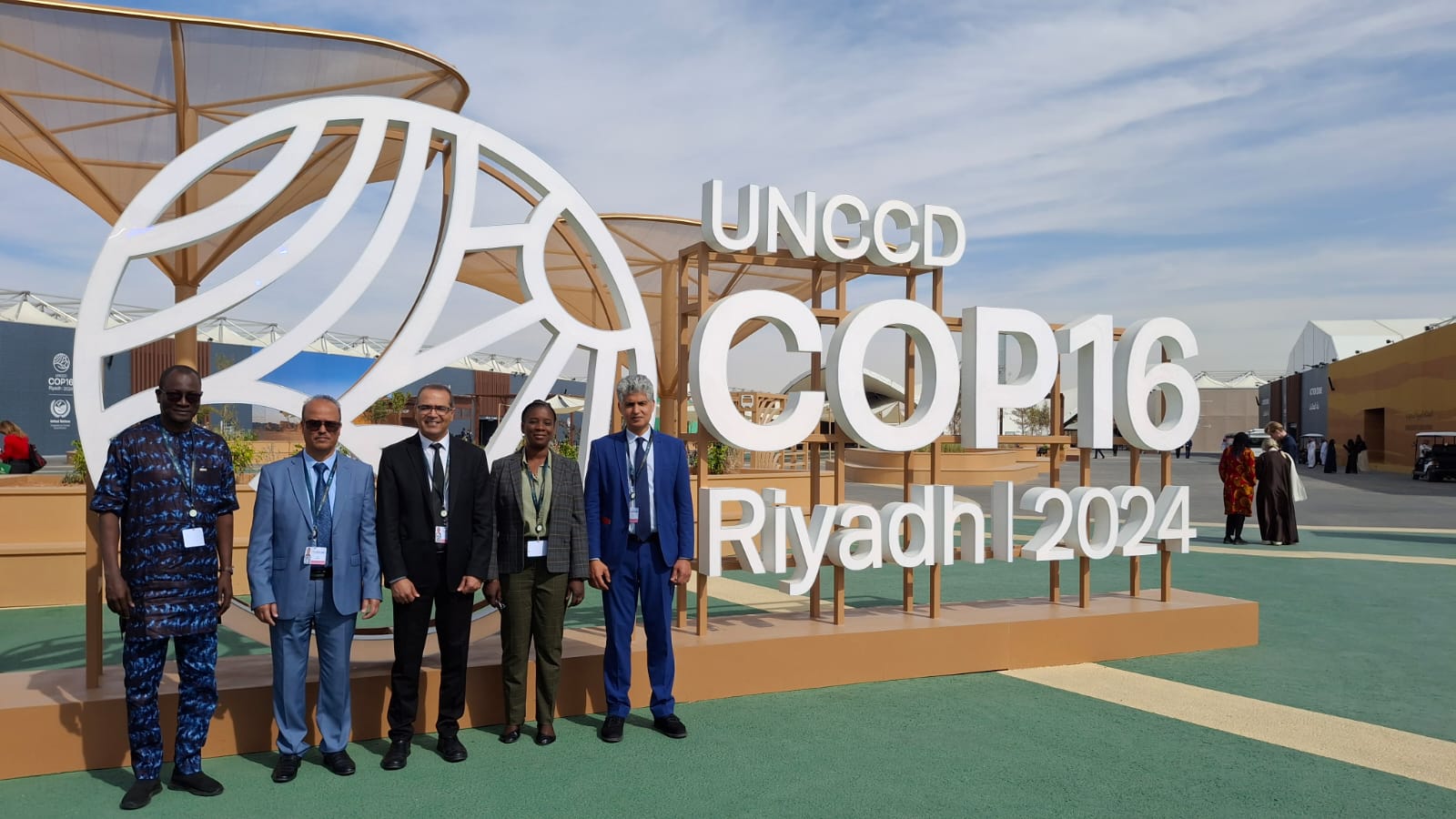
The participation of the Sahara and Sahel…
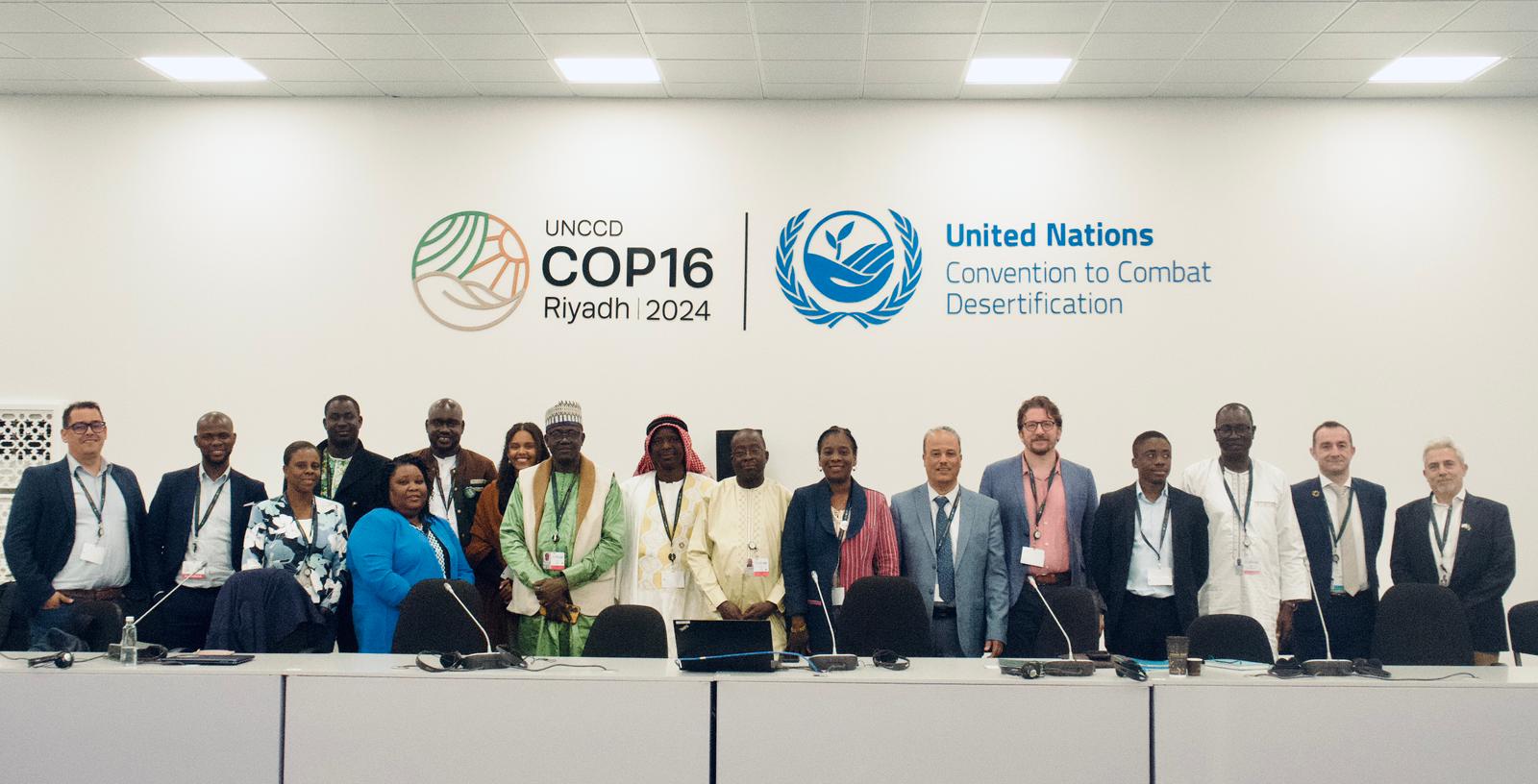
OSS Side Event at COP16: Strengthening Resilience in the Sahel through Multi-…