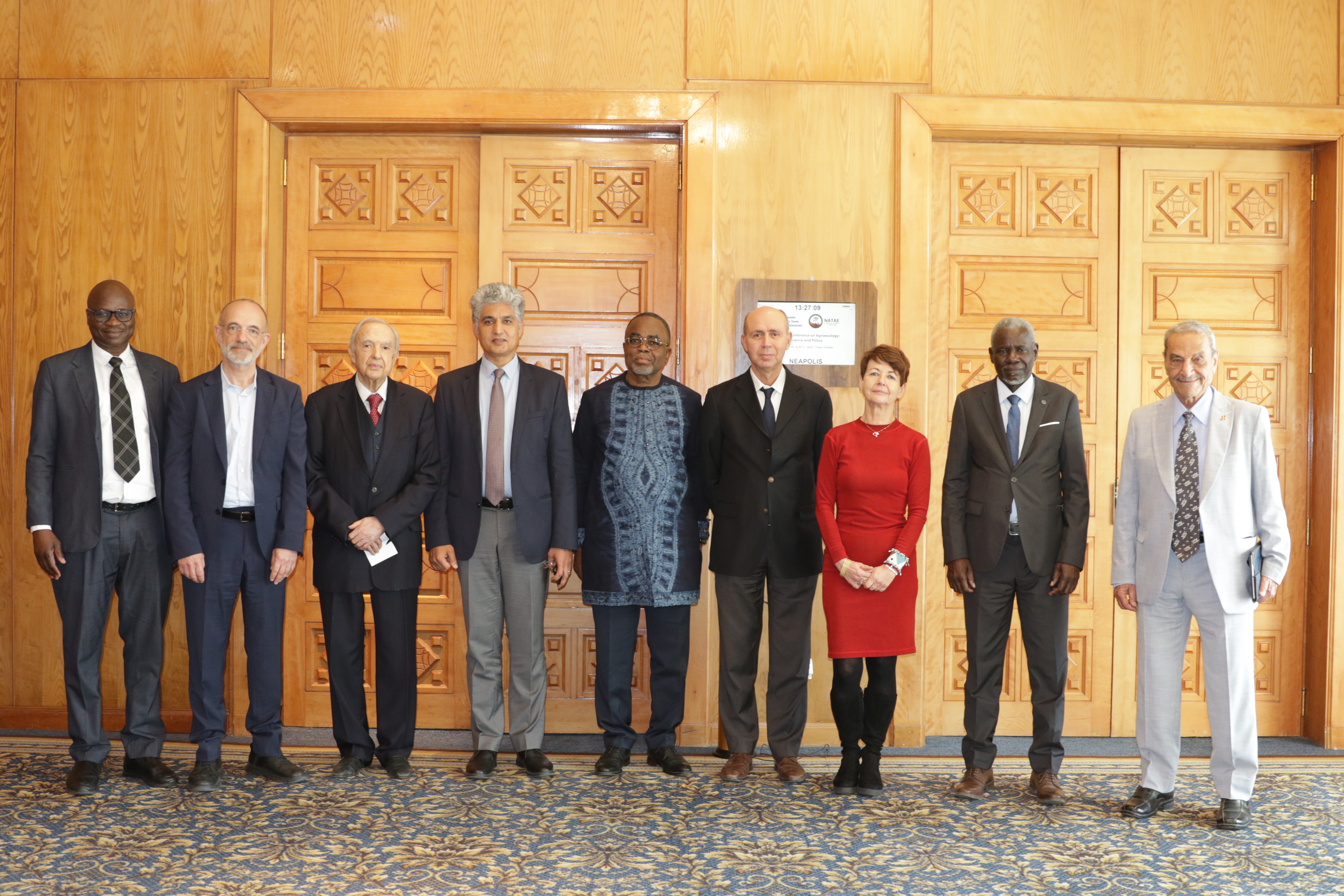
27th Session of the OSS Strategic Orientation Committee, Tunis, January 28, 2025
Held on January 28, 2025 in Tunis, the 27th session of the Strategic Orientation…

Antalya, Türkiye | November 2026
As COP31 concludes with progress on adaptation and climate finance, but without consensus on an overarching political agreement, Africa remains committed to securing accessible funding and responses commensurate with its needs. In Antalya, the Sahara and Sahel Observatory (OSS) championed this ambition by bringing together scientific expertise, regional cooperation and financial partners. Through its initiatives and exchanges with countries, OSS is helping pave the way for translating African priorities into sustainable adaptation programmes that benefit both populations and ecosystems.
For African countries, the COP31 negotiations raised a critical question: how can growing adaptation needs be addressed when resources remain difficult to mobilise? Beyond announced commitments, their expectations relate to the availability and predictability of funding, access conditions and the strengthening of national capacities.
The conference ended without consensus on the overarching political text proposed by the Presidency. Nevertheless, progress was made on adaptation, climate finance and technical assistance. For Africa, the significance of these developments will depend on their translation into accessible resources and concrete interventions that address people's needs.
This outcome highlights the need to strengthen the link between international negotiations and national priorities. Operationalising the Global Goal on Adaptation and addressing loss and damage must help protect populations, strengthen economic resilience and preserve natural resources.
As an accredited entity of the Green Climate Fund (GCF) and the Adaptation Fund (AF), OSS operates precisely at this intersection. It supports countries in project preparation, institutional strengthening and the mobilisation of the resources needed to implement their initiatives.
Financing adaptation in the water sector was a major focus of OSS engagement. On 16 November, the Observatory organised, together with the International Network of Basin Organizations (INBO) and the World Water Council (WWC), a meeting dedicated to turning adaptation priorities into bankable projects and sustainable investments.
Discussions highlighted three essential conditions: strengthening the capacities of basin organisations, improving the governance of shared water resources and enhancing project preparation. Ms Khaoula Jaoui, Director of the Climate Department and Coordinator of Technical Programmes, emphasised the role of transboundary cooperation in developing coherent investments at basin level.
This expertise was also presented during a meeting organised under the Water Convention, focusing on transboundary cooperation, water diplomacy and climate finance. The experience of the North-Western Sahara Aquifer System (NWSAS), shared by Algeria, Libya and Tunisia, illustrated the importance of shared knowledge and dialogue between States for the sustainable management of water resources.
At the Water for Climate Pavilion, OSS further developed this approach by presenting its support to African institutions in integrated water resources management and access to climate finance, notably through the Bouclier project, designed for the Mono River Basin Authority.
OSS also advocated for stronger alignment between responses to climate change, biodiversity loss and land degradation. At the Francophonie Pavilion, a meeting bringing together representatives of the African Development Bank, FIRCA, Secours Islamique France and the NDC Partnership provided an opportunity to explore synergies between the three Rio Conventions.
Discussions highlighted the importance of coordinating public policies, planning and investments to develop integrated programmes. A single intervention can contribute simultaneously to climate resilience, land restoration and biodiversity conservation, while supporting local livelihoods.
This approach also guided the meeting organised on 18 November with the French Development Agency (AFD), focusing on agroecology as a driver of adaptation in the Mediterranean region. Drawing in particular on the achievements of NATAE and the MEDAE network, discussions highlighted the complementary roles of local knowledge, research and agricultural innovation.
The participation of farmers, support for sustainable practices and the conditions for transferring solutions between territories were central to the discussions. The meeting showcased OSS–AFD cooperation around a shared ambition: bringing knowledge, public policies and financing closer together to support more resilient agricultural systems.
Participation in partners' events enabled OSS to promote these priorities in other dialogue platforms. At the Mediterranean Pavilion, discussions highlighted the challenges posed by drought, land degradation and ecosystem vulnerability, as well as the associated financing needs.
During the meeting organised by ENDA Energie, dedicated to financing local climate action in Africa, discussions focused on ways to enable local authorities and grassroots stakeholders to turn their climate plans into concrete action.
These contributions highlighted a key condition for effective investment: ensuring continuity between planning, project preparation, financing and local ownership of solutions.
Bilateral meetings provided an opportunity to clarify countries' needs and identify prospects for cooperation. A delegation led by Ms Khaoula Jaoui held discussions with Chad on the launch and governance of the ECOVERSE project, as part of cooperation with the Ministry of Environment, Fisheries and Sustainable Development, headed by H.E. Mr Hassan Bakhit Djamous, Chad's Minister of Environment, Fisheries and Sustainable Development.
Discussions with Mali focused on the implementation of RICOWAS, while those with Nigeria addressed support for a federal initiative led by the National Agency of the Great Green Wall. With Uganda, exchanges explored potential funding opportunities for a new phase of the DRESSEA and EURECCCA projects.
The meeting with H.E. Dr Aliou Gori Diouf, Senegal's Minister of Environment and Ecological Transition, reaffirmed the strong ties between Senegal, an OSS member country, and the Observatory. Initiatives under preparation with the Ministry in charge of Agriculture and the Senegal River Basin Development Authority (OMVS) were discussed, with shared interest in deepening cooperation and mobilising funding.
Further meetings with Somalia, Angola and Namibia provided an opportunity to discuss ongoing projects, particularly those related to the Okavango Basin for the countries concerned, as well as prospects for new initiatives with the GCF and the AF. Moving these initiatives forward will depend on confirming national priorities, ensuring technical preparation and mobilising the necessary resources.
COP31 provided OSS with a strategic opportunity to strengthen its partnerships and consolidate its position among Africa's leading climate finance stakeholders. Its added value lies in its ability to connect knowledge of natural resources, regional cooperation, institutional strengthening and financial support.
The opportunities identified in Antalya call for coordinated follow-up to advance projects and develop new programmes. The impact of this mobilisation will ultimately be measured by their implementation and the benefits they deliver to populations.
Eleven years after the Paris Agreement, COP31's mixed outcome calls on Africa to strengthen its common position in negotiations and accelerate the preparation of programmes that address its priorities. The challenge is to support African-led solutions while maintaining the commitment to international solidarity and accessible financing. OSS can contribute to this momentum by bringing together scientific expertise, regional cooperation and financial support, helping translate countries' priorities into sustainable investments that strengthen community resilience, preserve ecosystems and ensure the sustainable management of natural resources.
Held on January 28, 2025 in Tunis, the 27th session of the Strategic Orientation…
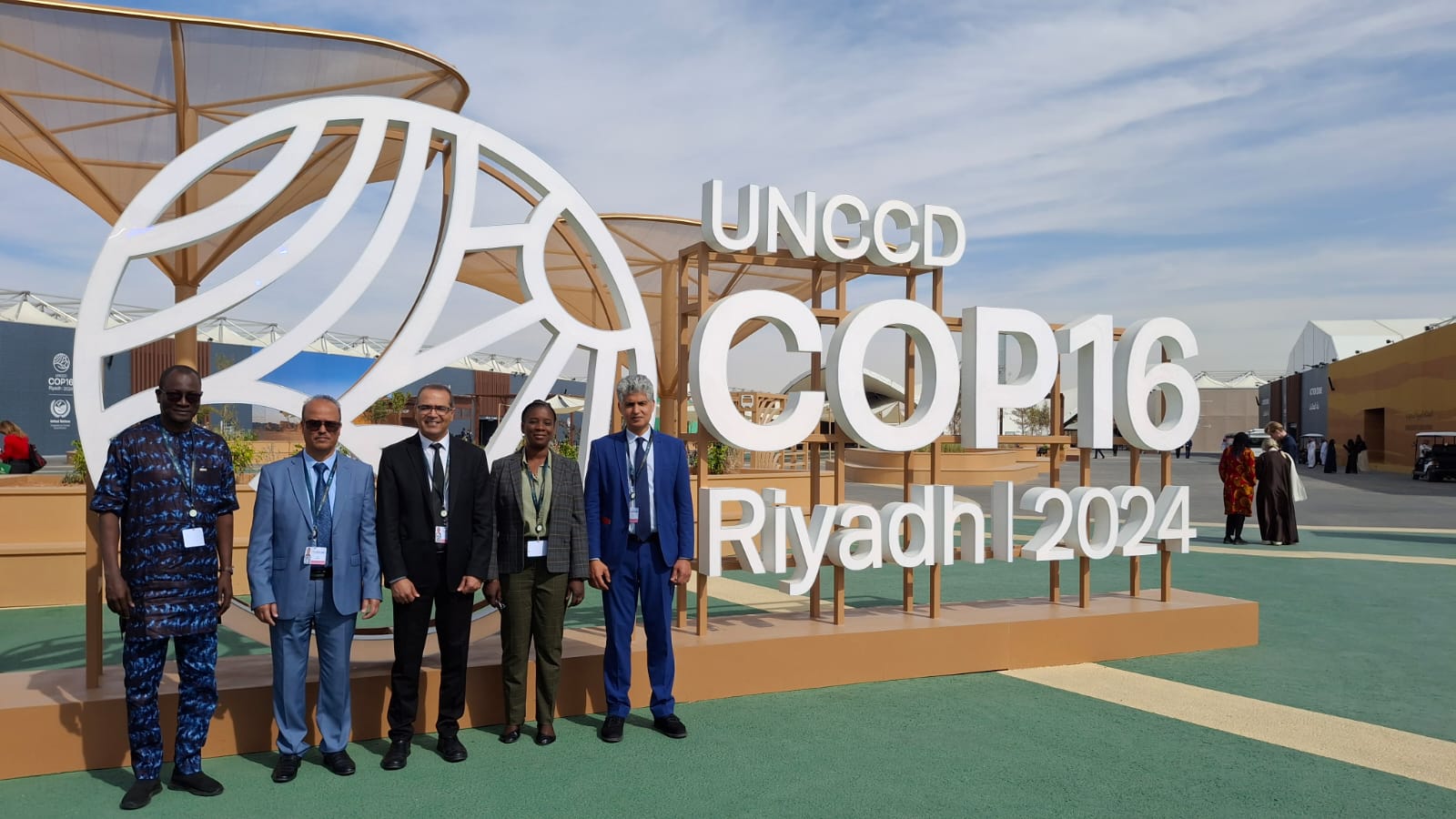
The participation of the Sahara and Sahel…
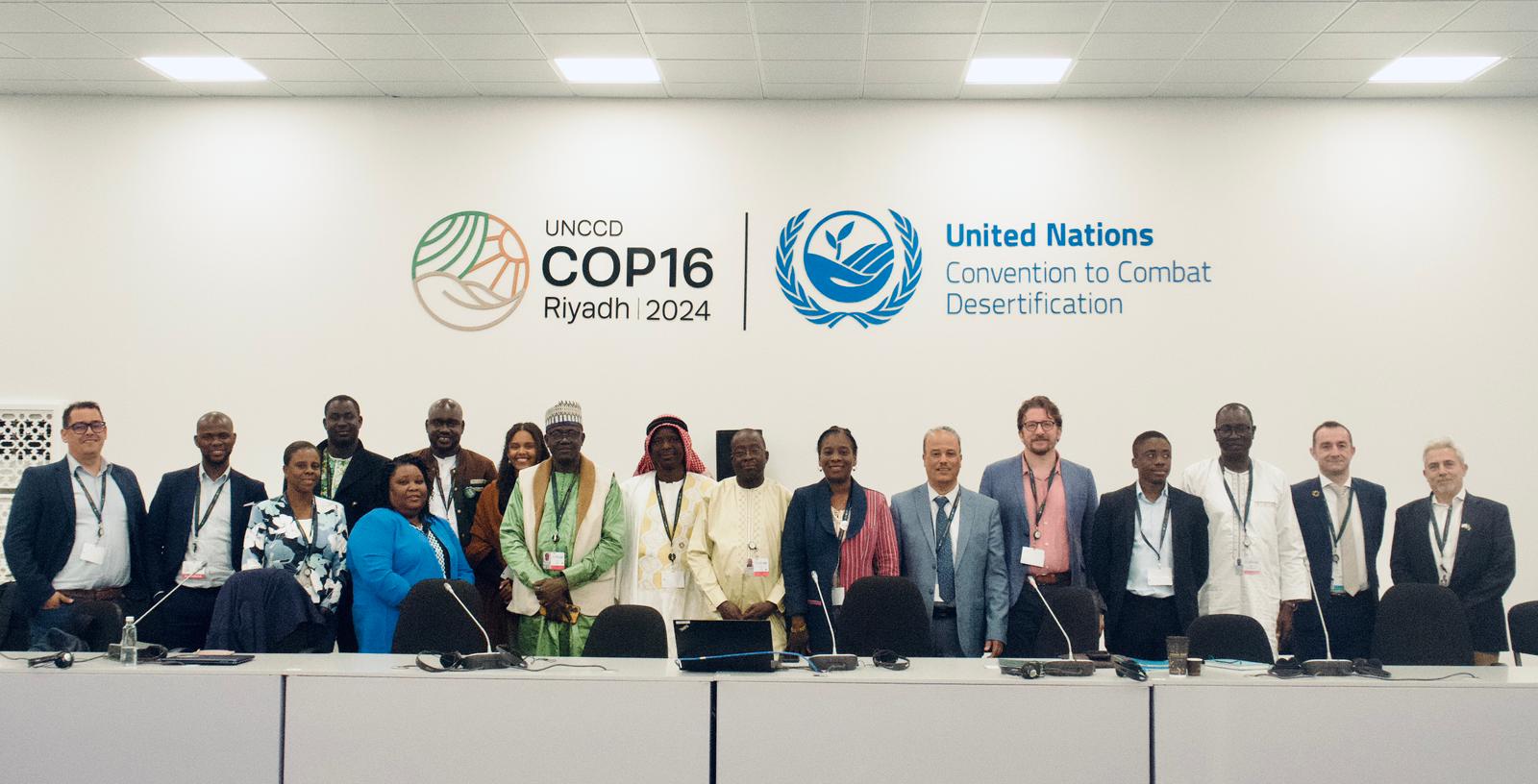
OSS Side Event at COP16: Strengthening Resilience in the Sahel through Multi-…