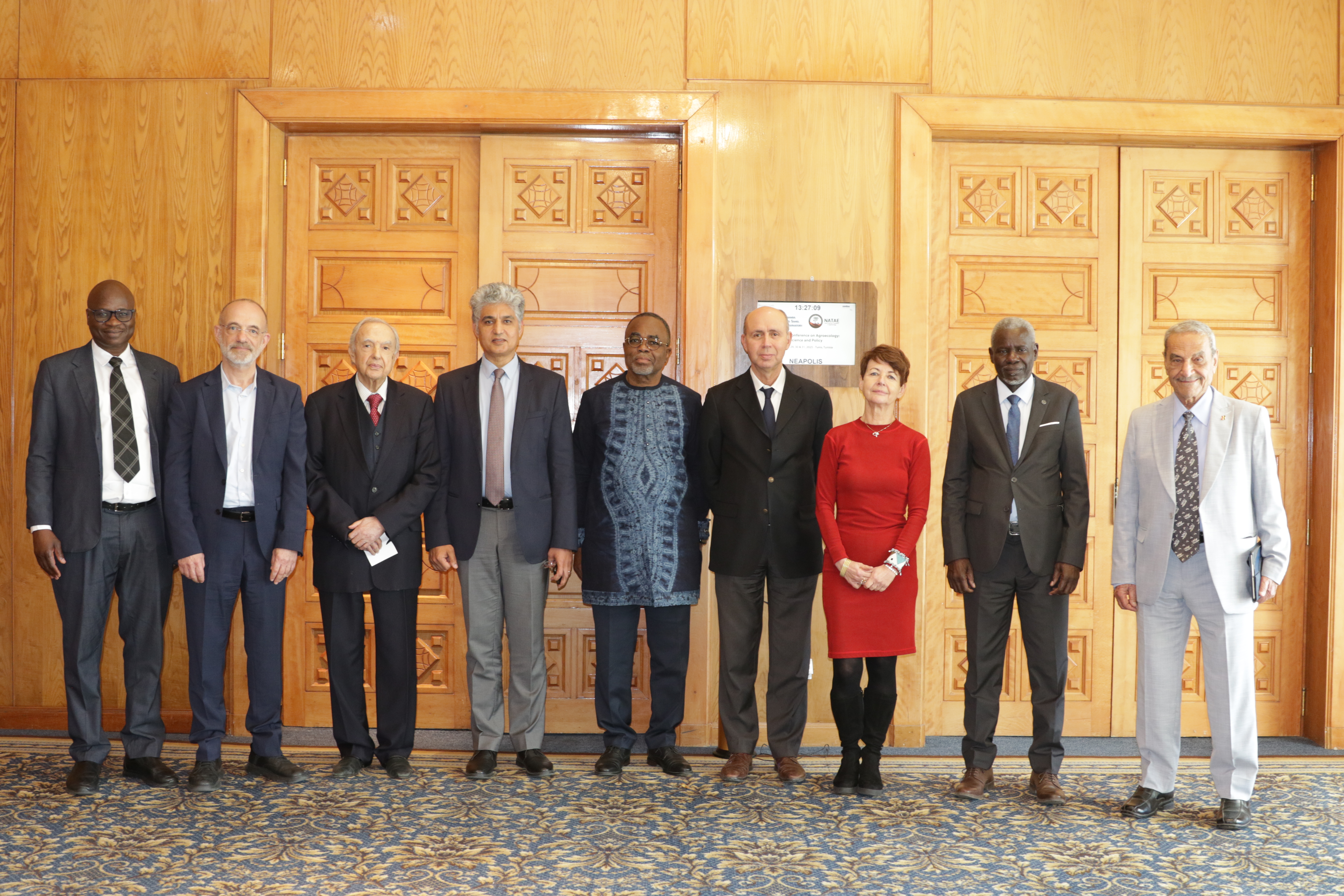
27th Session of the OSS Strategic Orientation Committee, Tunis, January 28, 2025
Held on January 28, 2025 in Tunis, the 27th session of the Strategic Orientation…
March 22, 2026
World Water Day aims to support the achievement of Sustainable Development Goal 6: “clean water and sanitation for all by 2030.” For 2026, the United Nations has chosen the theme “Water as a source of equality,” particularly between women and men. This issue goes beyond the mere availability of water resources - it raises fundamental questions about women’s rights to access water worldwide.
Water is far more than a natural resource: it is a key driver of development, resilience, and equity. Yet its access and management continue to reflect deep inequalities, especially between women and men.
Across many regions in Africa, women remain on the front lines of water-related challenges as they are responsible for its collection and management, and bear the full consequences of its scarcity or poor quality. This reality limits their access to education, economic opportunities, and decision-making.
More broadly, women and girls around the world carry the greatest burden of water insecurity. In over 80% of rural households without direct access to water, often walking long distances - and managing its use. This work accounts for an estimated 250 million hours every day globally.
The “Water and Gender” theme highlights a clear reality: the water crisis is also a crisis of inequality. When women are fully involved in water governance, solutions become more inclusive, more sustainable, and ultimately more effective.
In this context, water is a central pillar of the Sahara and Sahel Observatory (OSS), which promotes integrated, equitable, and sustainable water resource management.
Through its regional initiatives and its commitment to cooperation, it contributes to strengthening stakeholders’ capacities and integrating social and gender aspects into water policies.
In this regard, the OSS presidency of the African Network of Basin Organizations (ANBO), reflects its commitment to coordinated and inclusive governance of transboundary basins - key levers for ensuring equitable access to water for women across Africa.
Elevating water as an instrument of equality means recognizing the central role of women, valuing their expertise and leadership, and ensuring their meaningful participation in decision-making processes.
Equitable water management does not benefit women alone - it is a cornerstone for more resilient, prosperous and sustainable societies.
Held on January 28, 2025 in Tunis, the 27th session of the Strategic Orientation…
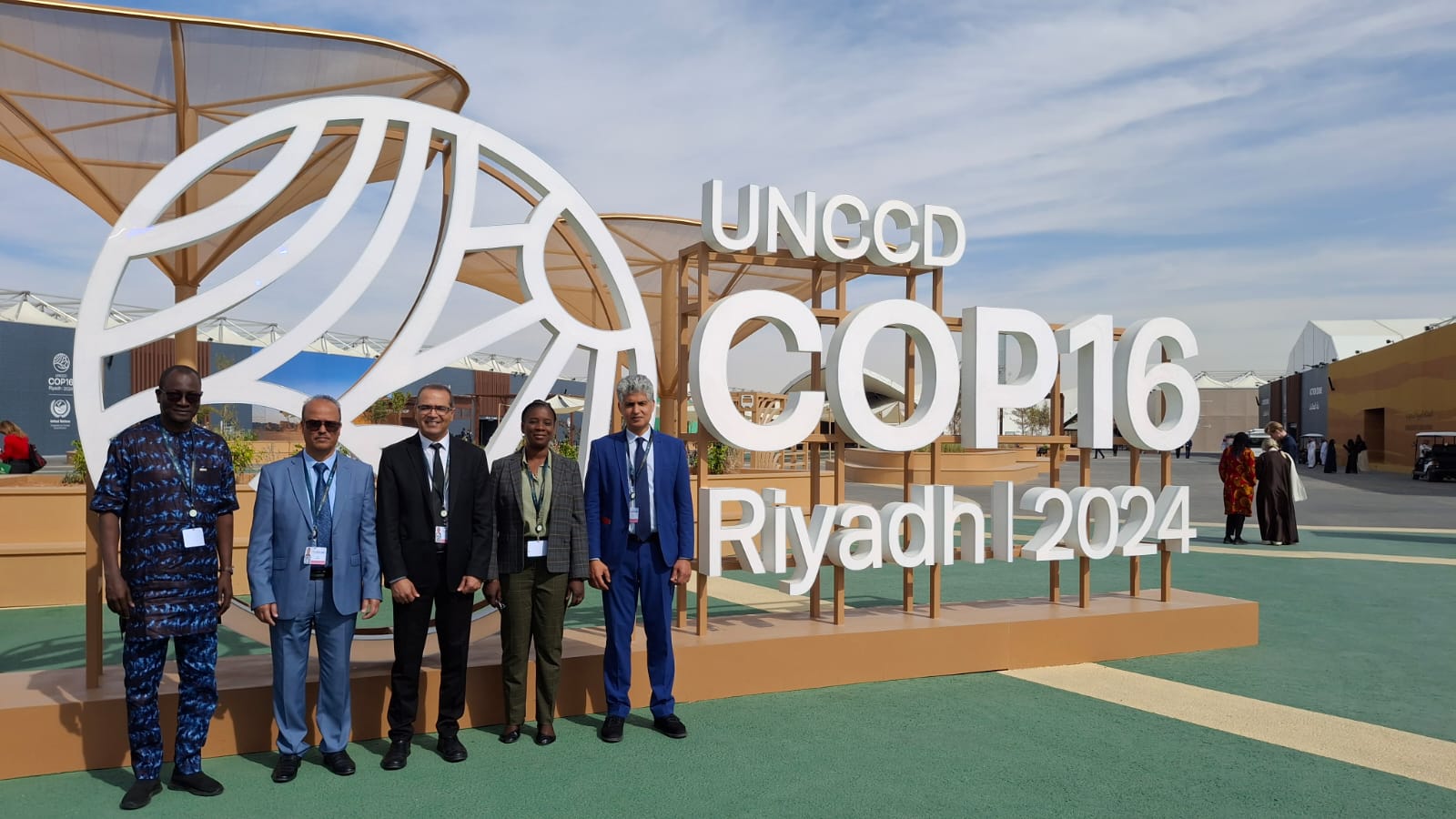
The participation of the Sahara and Sahel…
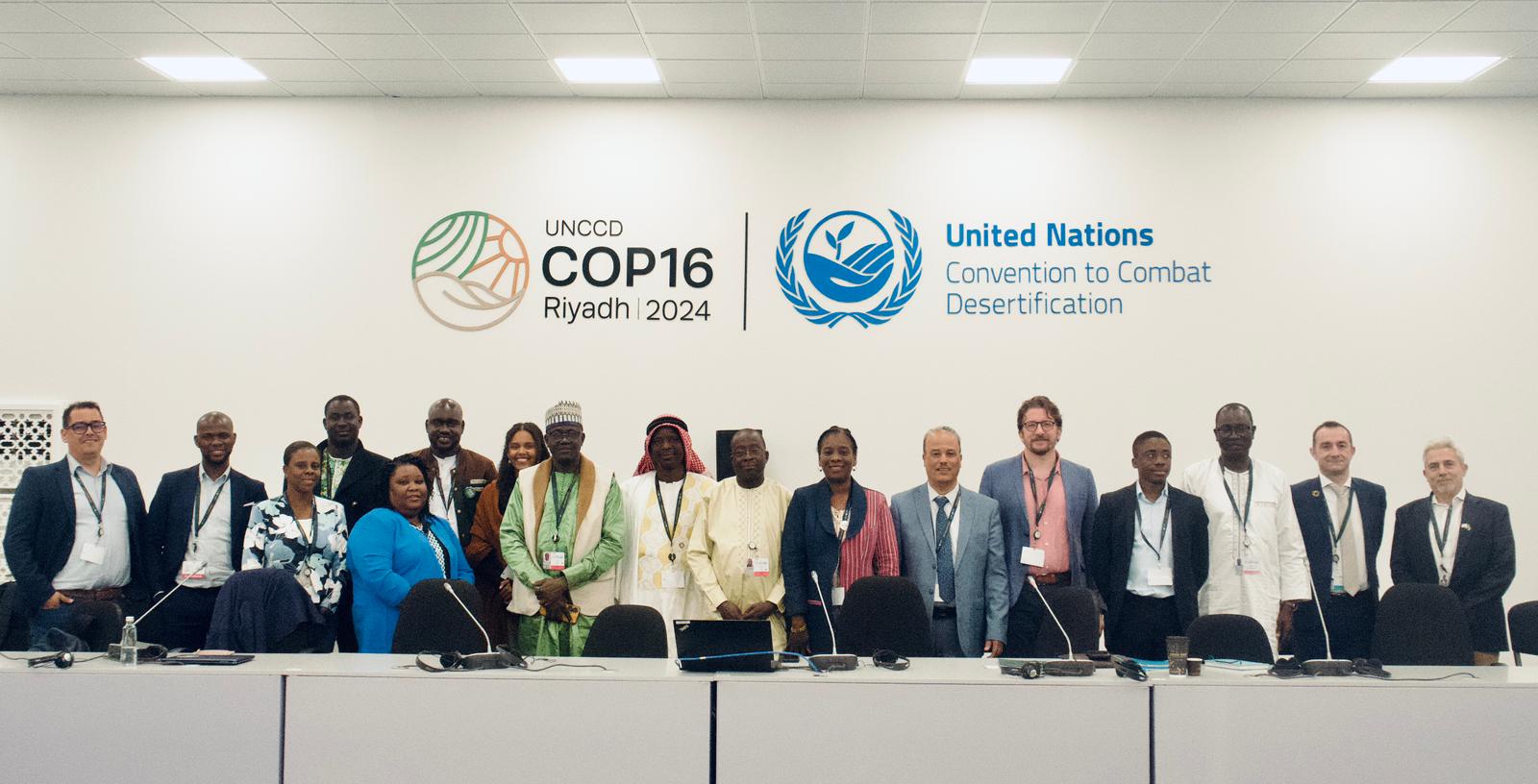
OSS Side Event at COP16: Strengthening Resilience in the Sahel through Multi-…