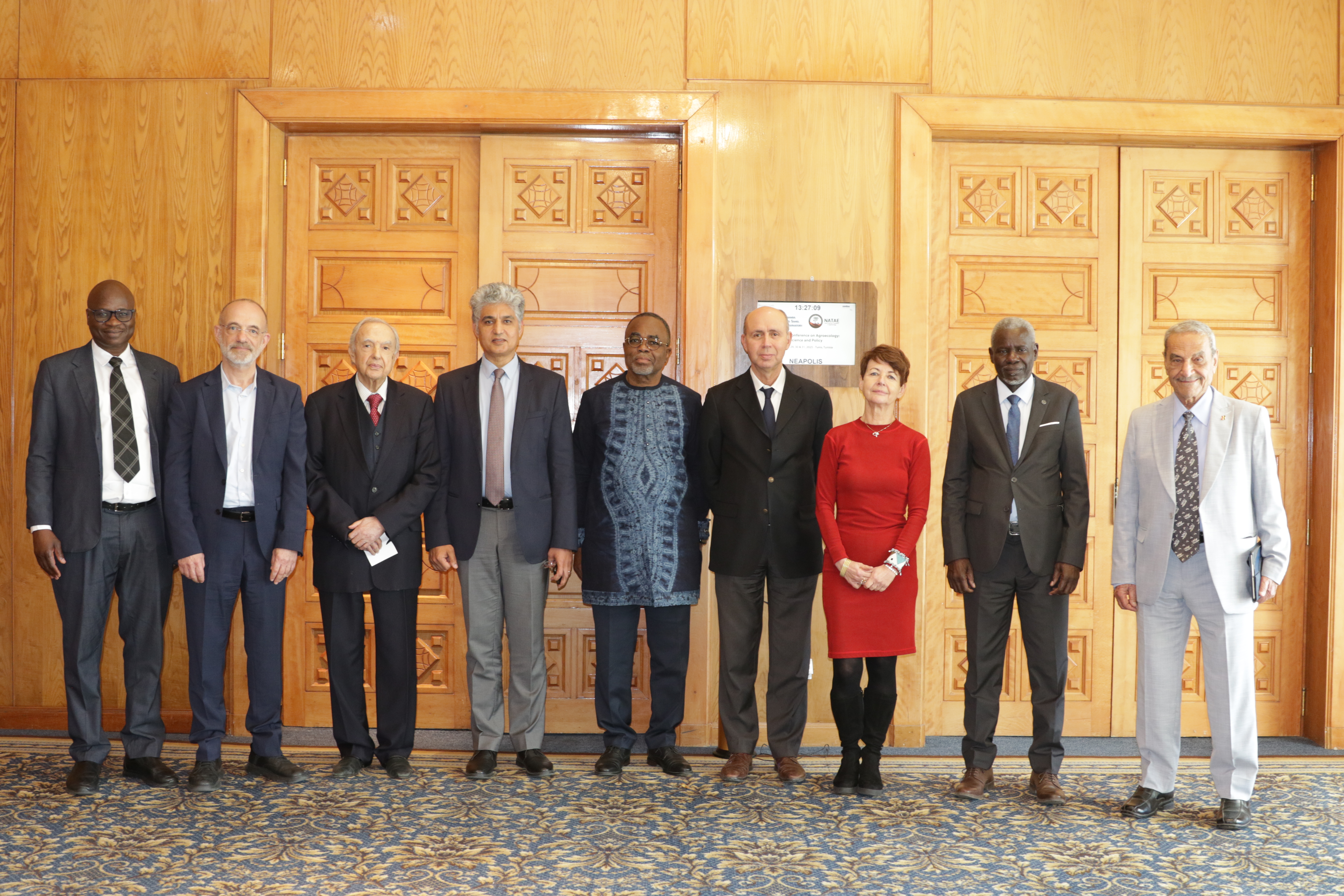
27th Session of the OSS Strategic Orientation Committee, Tunis, January 28, 2025
Held on January 28, 2025 in Tunis, the 27th session of the Strategic Orientation…
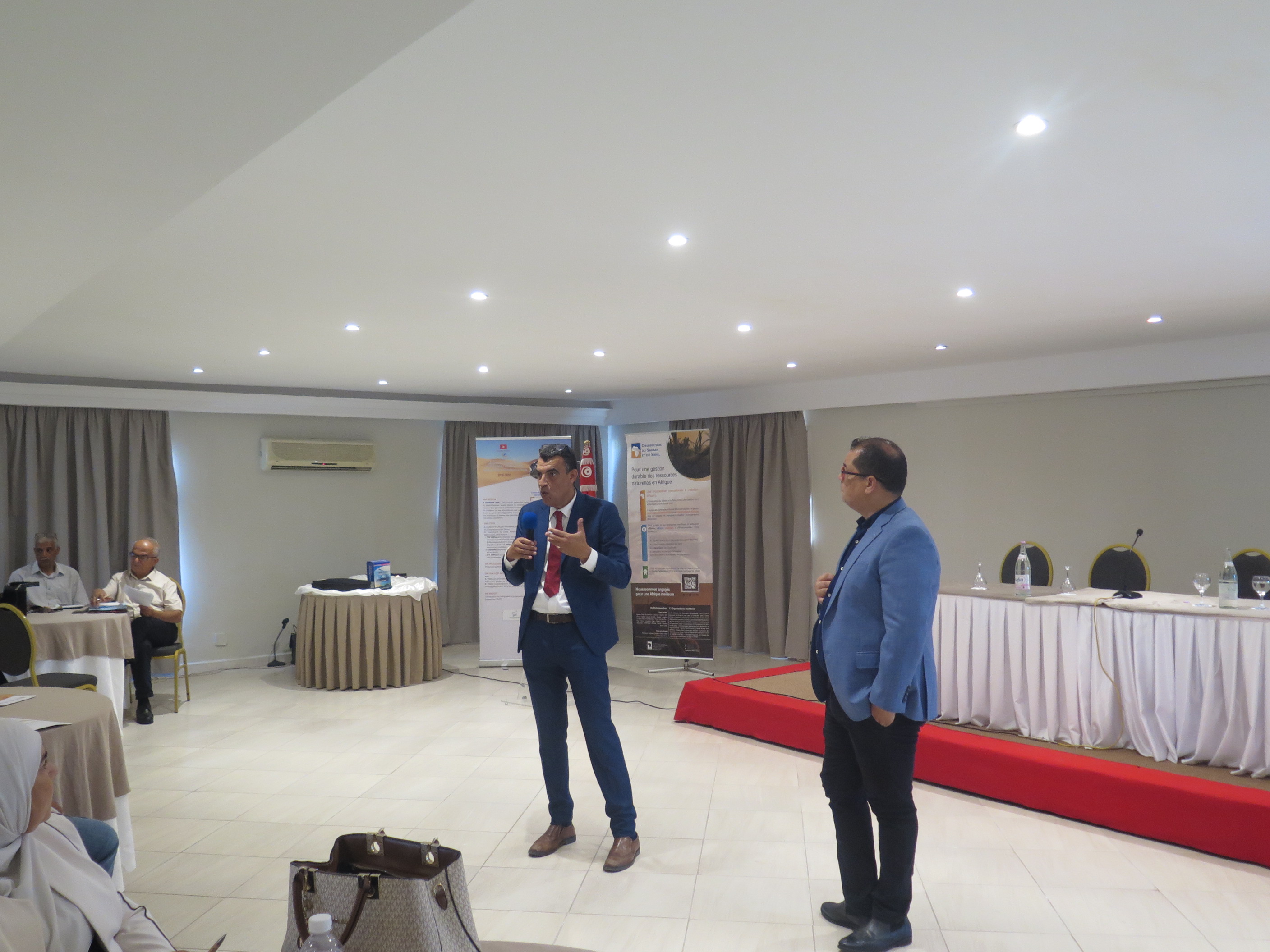
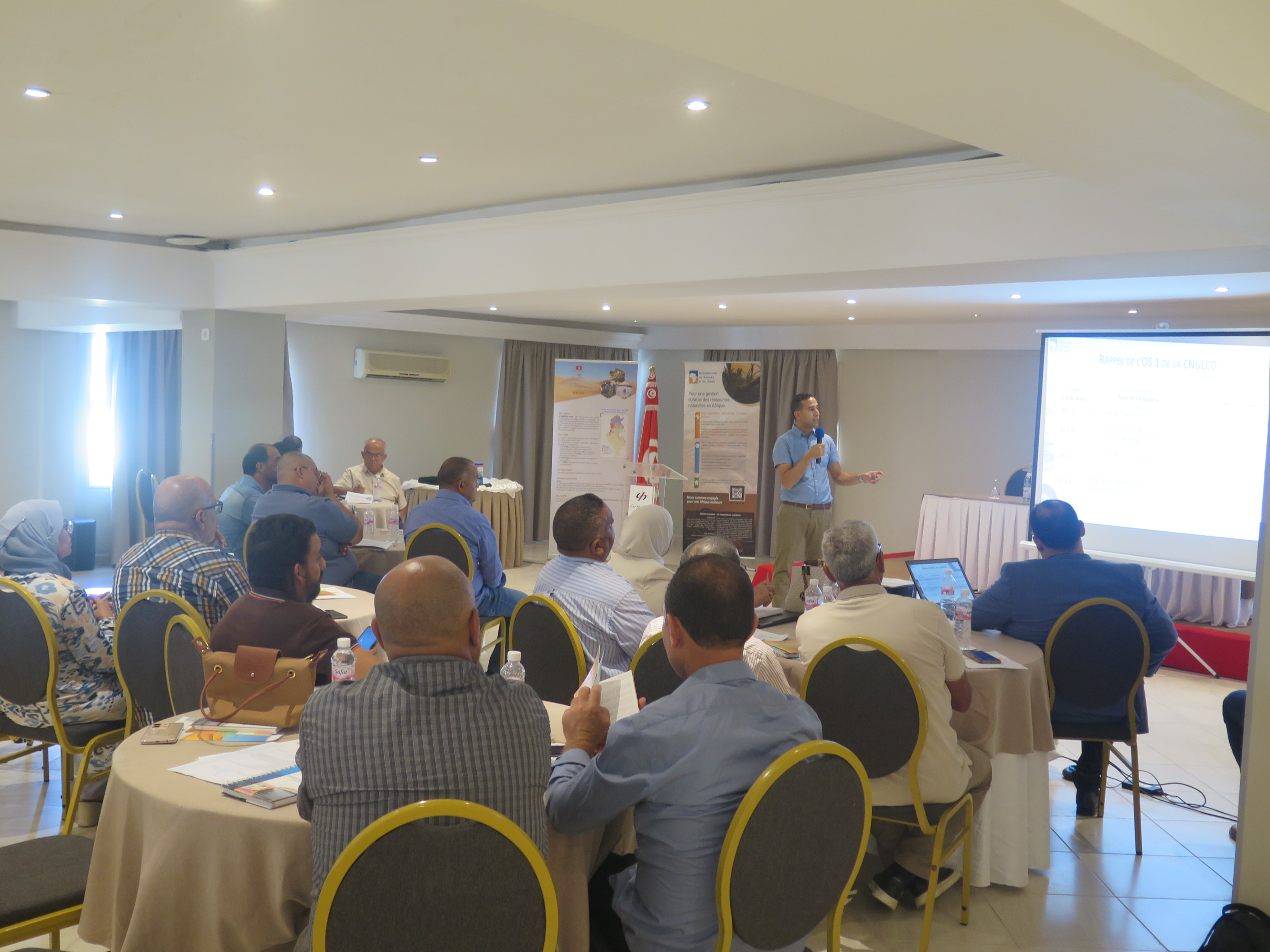
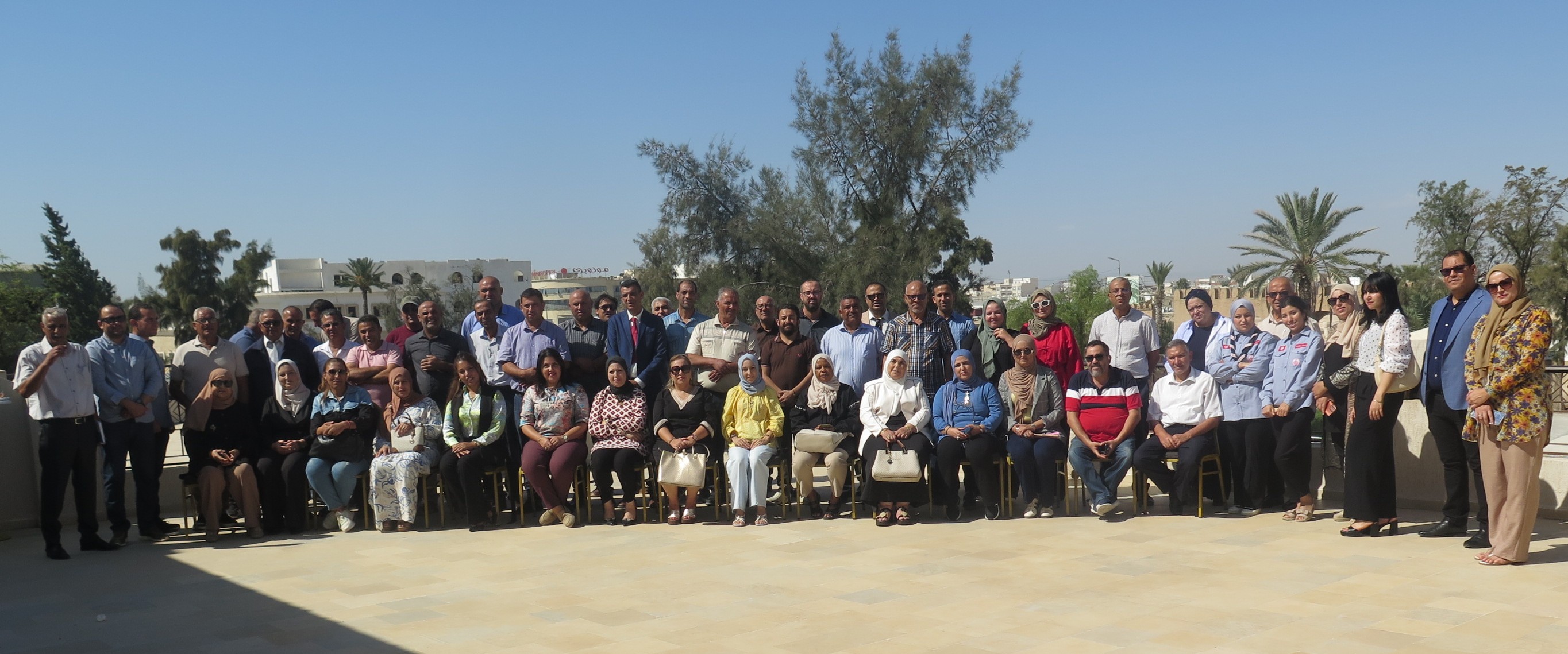
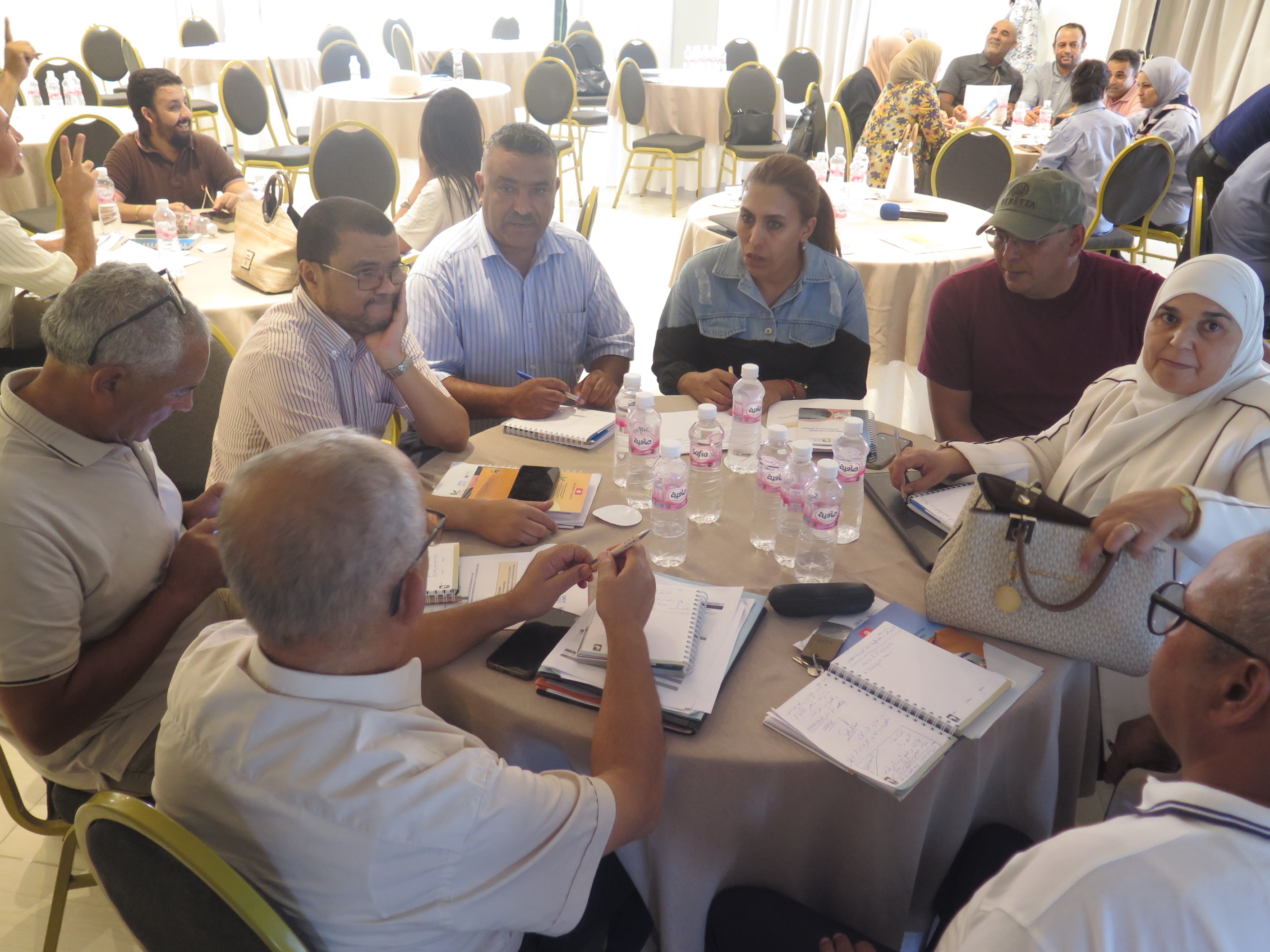
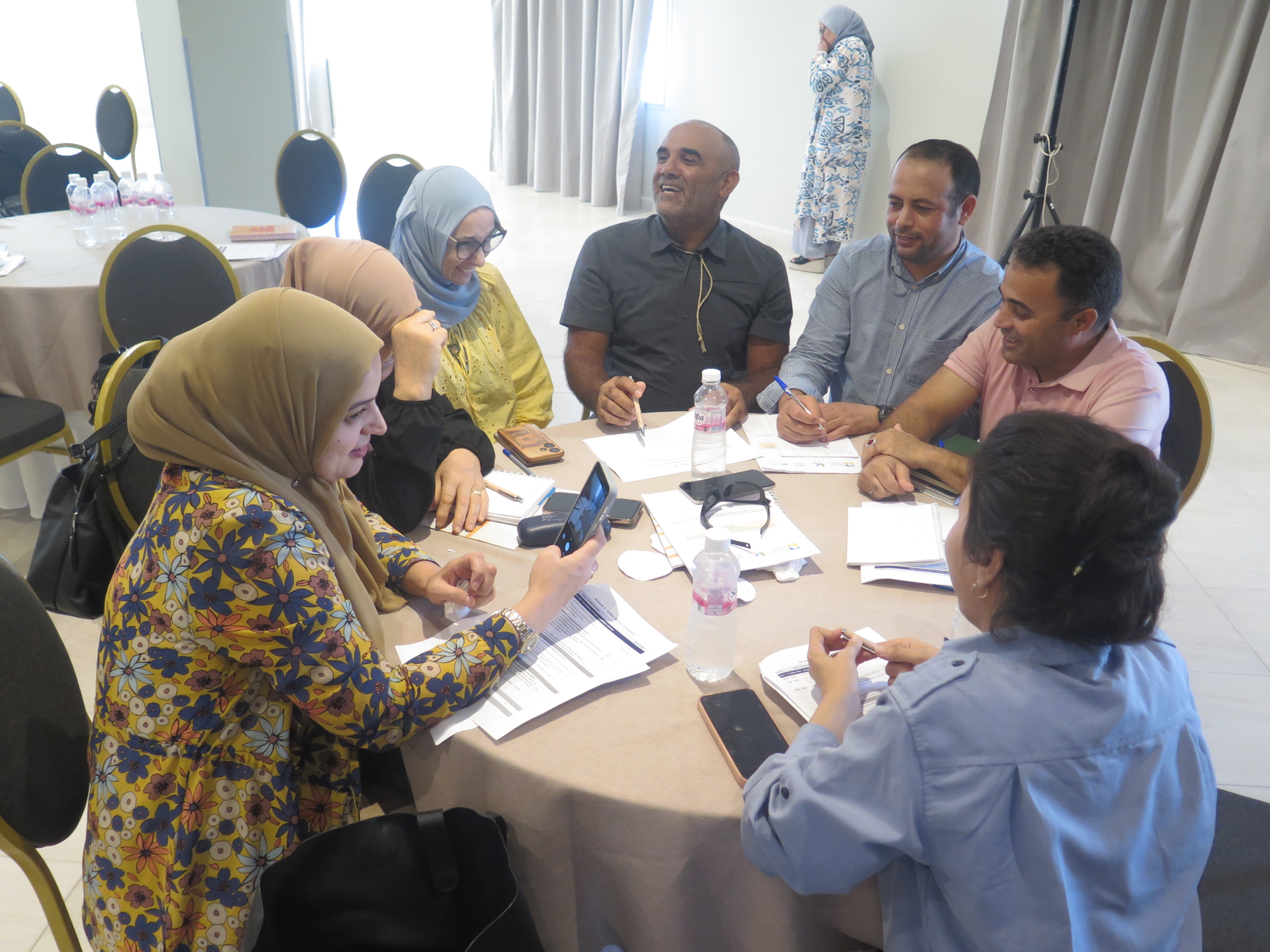
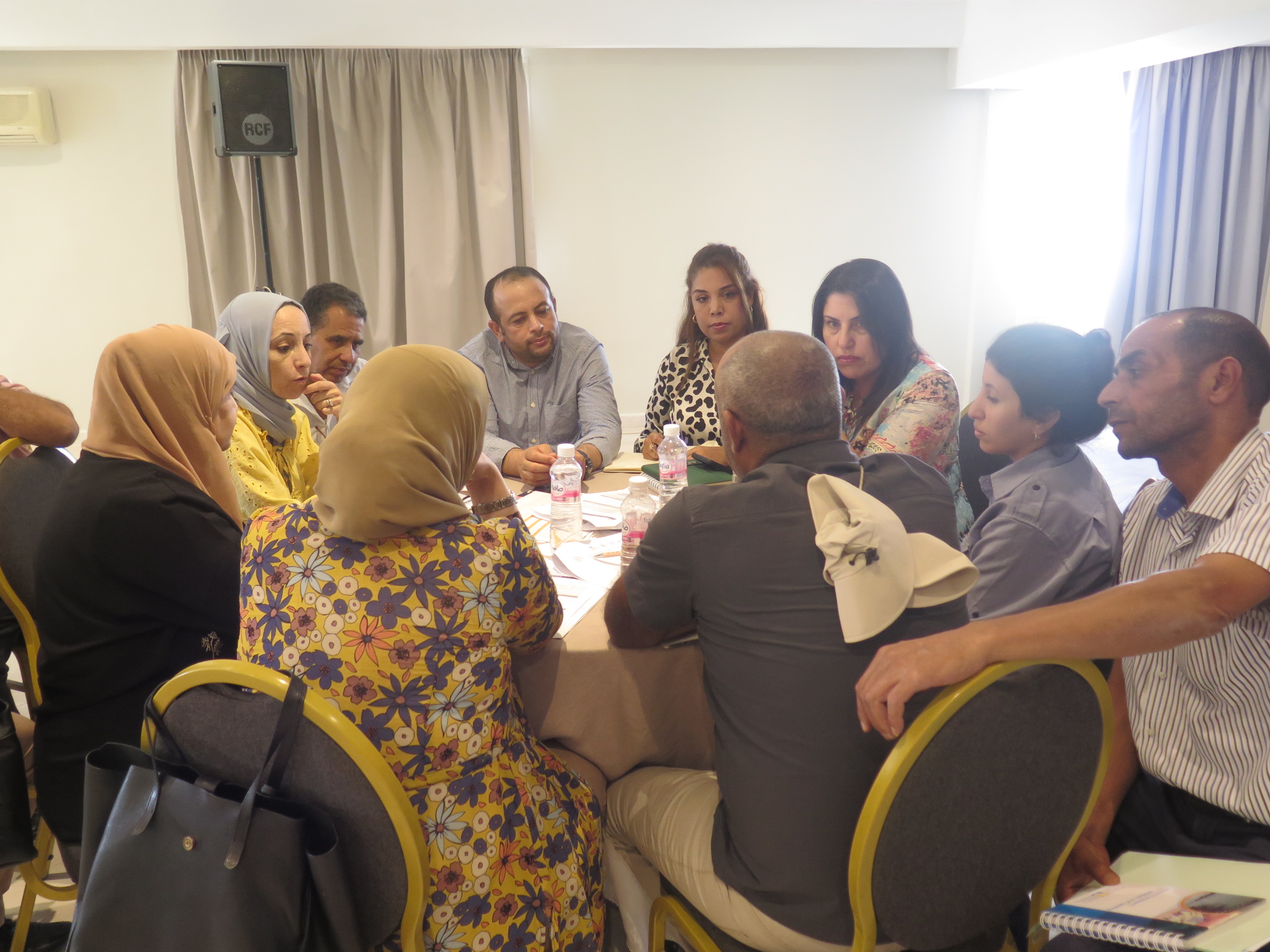
Kairouan, 6–7 October 2026
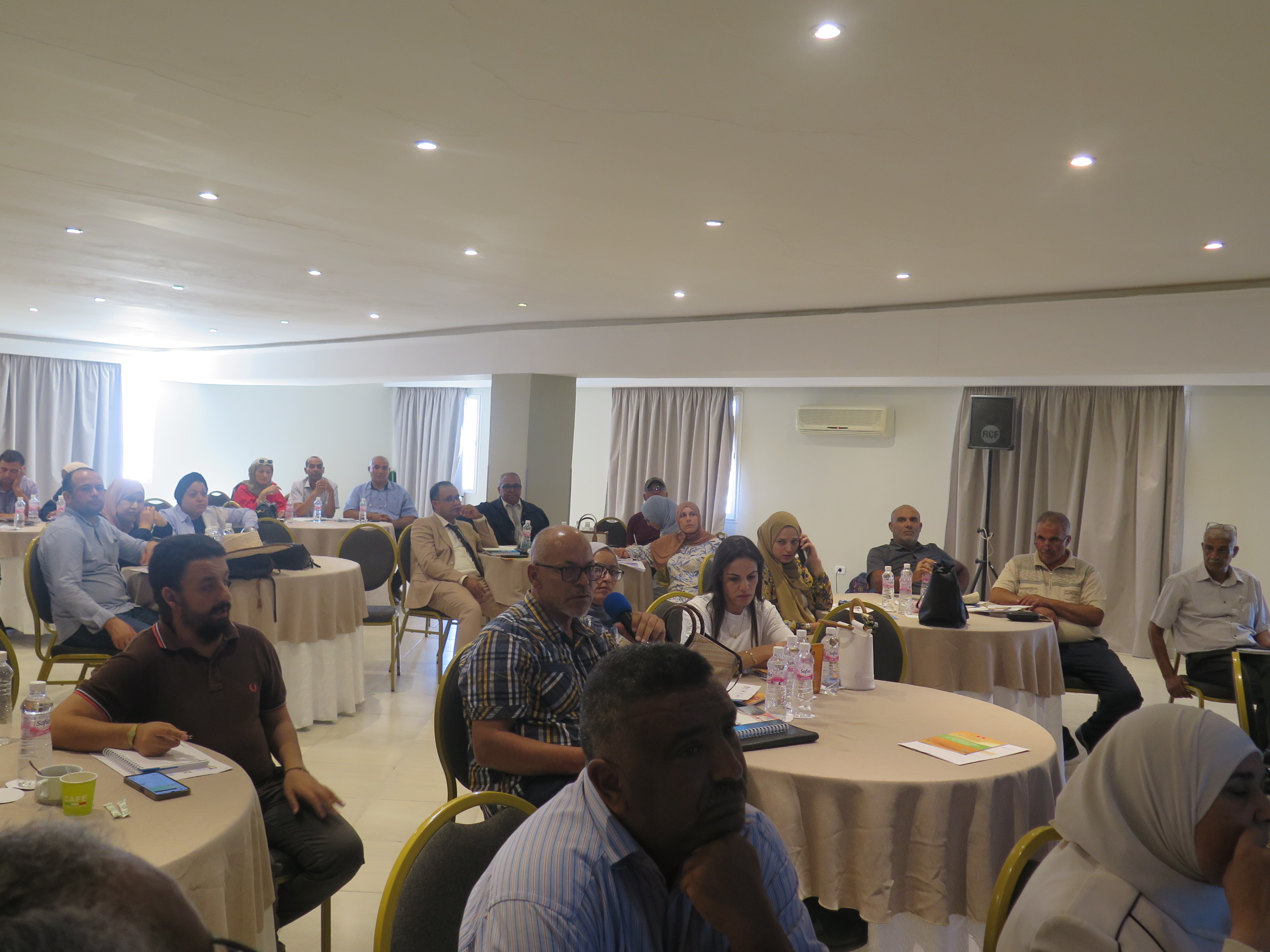
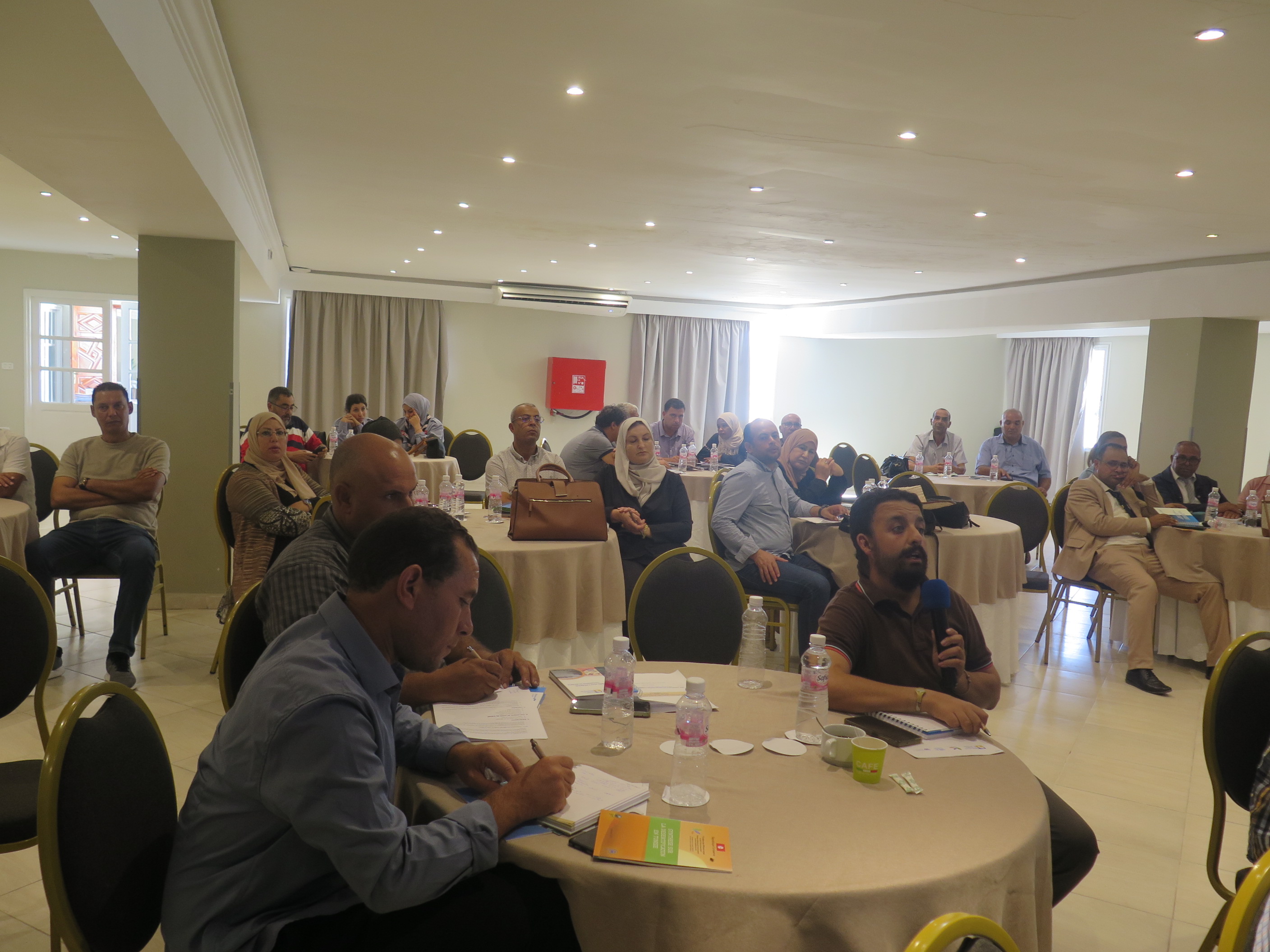
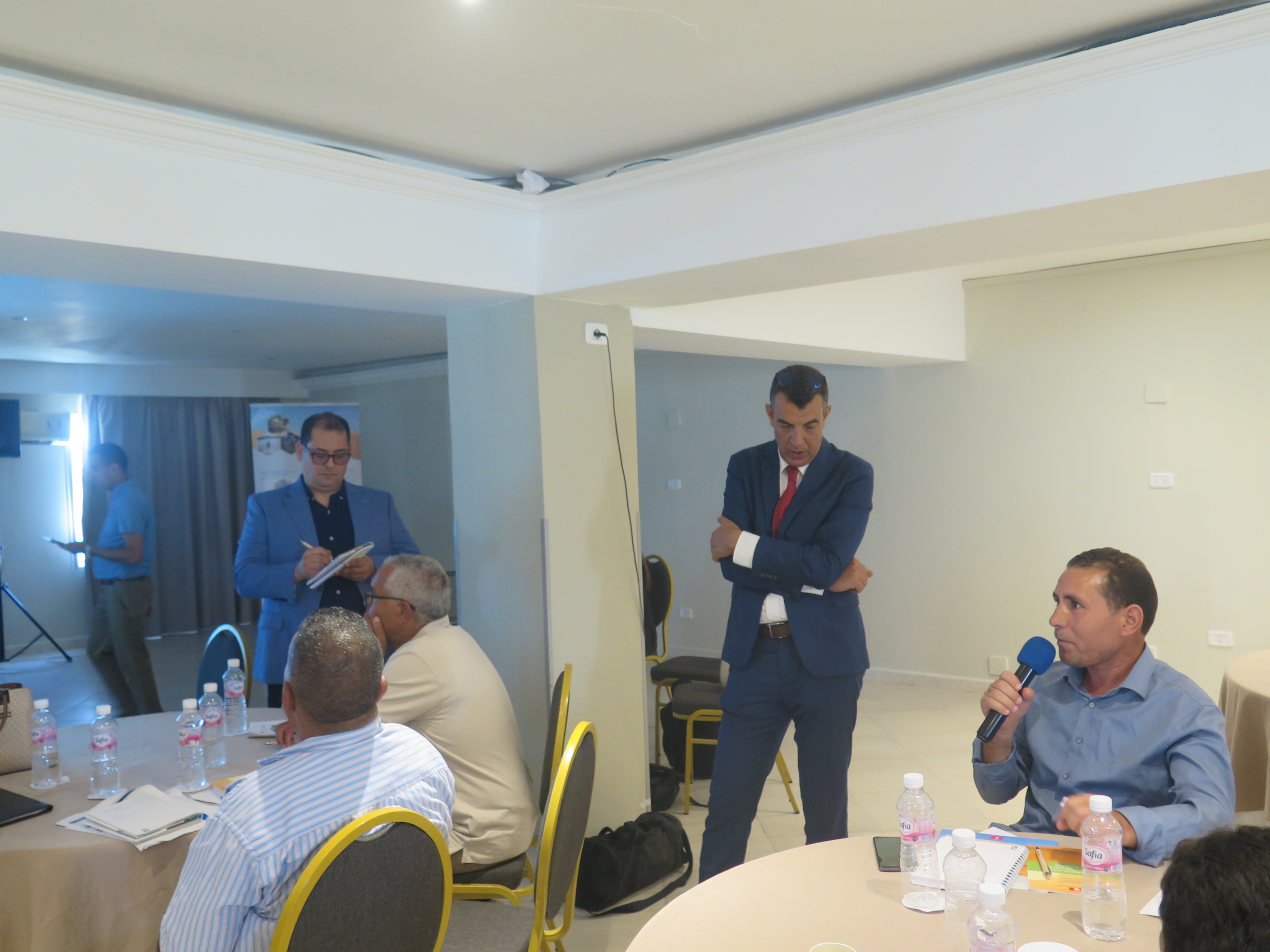
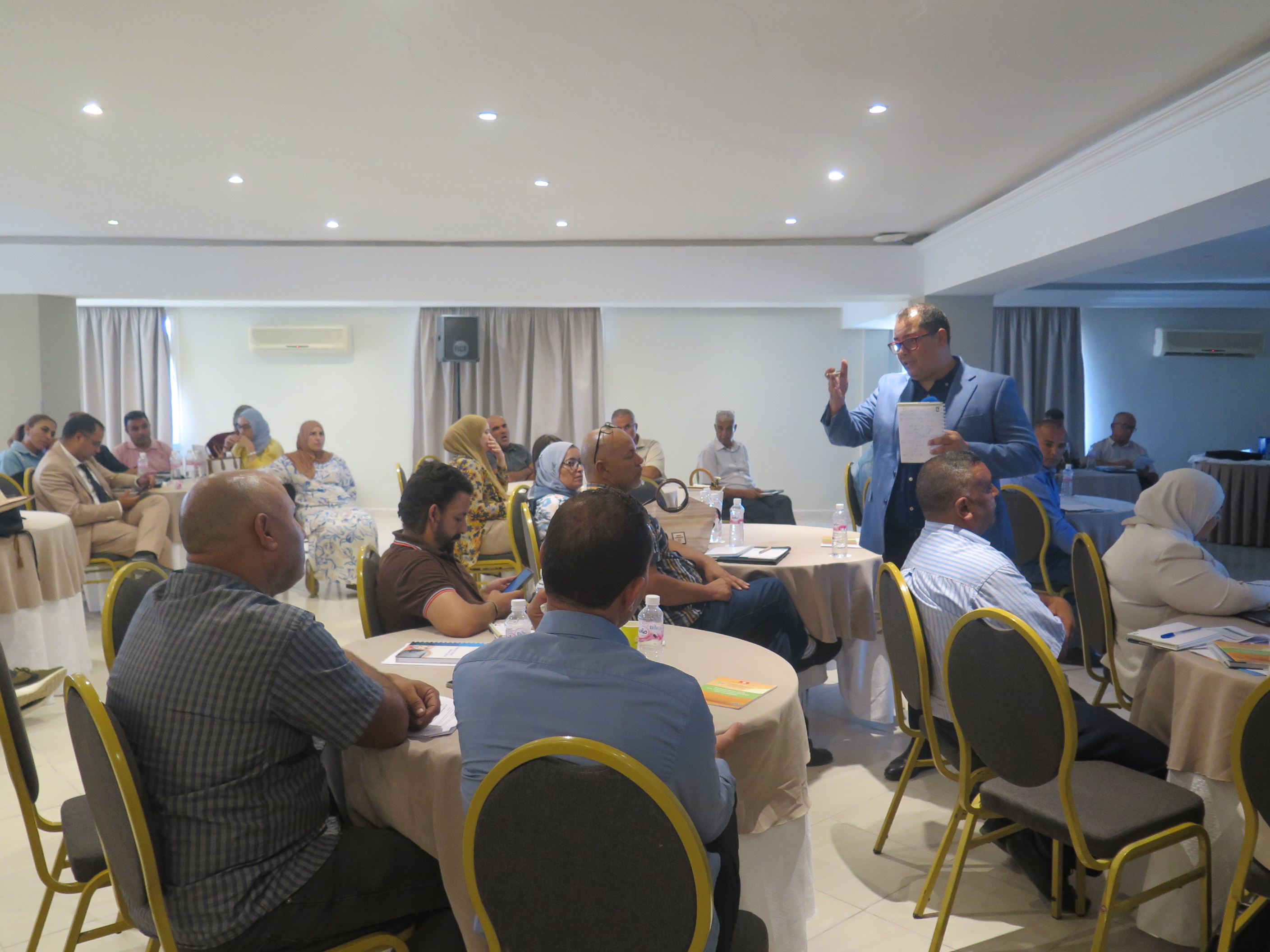
From the South to the Centre and then the North, Tunisia’s 2026 National Report to the United Nations Convention to Combat Desertification is being developed through a process firmly grounded in local realities. Through a series of regional consultations conducted with the Ministry of Environment, the Sahara and Sahel Observatory is supporting a process that combines Earth observation data, technical expertise and field knowledge. Following Zarzis, Kairouan is hosting the second stage of this nationwide process on 6 and 7 October 2026, focusing on the central governorates.
As part of its support to Tunisia in preparing its 2026 National Report to the United Nations Convention to Combat Desertification (UNCCD), the Sahara and Sahel Observatory (OSS), in collaboration with the Ministry of Environment, is organizing a regional information, training and validation workshop in Kairouan, bringing together relevant institutions and stakeholders from the central governorates.
This meeting marks the second stage of a regional process designed to strengthen the participation of local stakeholders in national reporting. Its objective is to consolidate available data, strengthen capacities in UNCCD reporting methodologies and tools and, above all, compare technical findings with knowledge of local conditions.
At the heart of the discussions is Sustainable Development Goal indicator 15.3.1, which measures the proportion of land that is degraded over total land area. Participants are reviewing preliminary results for its three sub-indicators: land cover, land productivity and soil organic carbon.
Using maps and findings derived notably from Earth observation, participants are directly involved in analysing and interpreting the available information. Their knowledge of local conditions makes it possible to compare the results with realities on the ground and to better identify areas actually affected by land degradation, as well as those where restoration or improvement trends are being observed.
The discussions are helping to refine the identification of critical areas (hotspots) and areas showing positive trends (bright spots), while also highlighting potential data gaps. Particular attention is being paid to false positives and false negatives, in order to determine whether changes detected through geospatial analyses actually correspond to land degradation or improvement.
This territorial validation stage is critical. Earth observation data provide an objective assessment of observed changes, while the expertise of local stakeholders makes it possible to interpret these changes in light of land uses, environmental dynamics and the specific realities of each territory. Combining these sources of knowledge therefore helps strengthen the quality and reliability of the information that will feed into the National Report.
The Kairouan workshop is part of a progressive process covering the different regions of the country. It follows a first meeting held in Zarzis on 1 and 2 October 2026, which focused on the southern governorates. The process will continue in Tabarka on 20 and 21 October 2026, with the northern governorates.
Through these three regional consultations — South, Centre and North — territorial contributions will be progressively collected, analysed and consolidated to build a national assessment that reflects the diversity of situations observed on the ground. The process will culminate in a national validation workshop, bringing together the regional contributions and enabling the collective validation of the data and analyses to be included in Tunisia’s 2026 National Report.
Through this support, OSS is helping to make UNCCD reporting a technical, participatory and locally grounded process. Combining Earth observation, scientific expertise and field knowledge will enable Tunisia to establish a consolidated assessment of the state and dynamics of land degradation and restoration, supporting the sustainable management of natural resources and efforts to combat desertification.
Held on January 28, 2025 in Tunis, the 27th session of the Strategic Orientation…
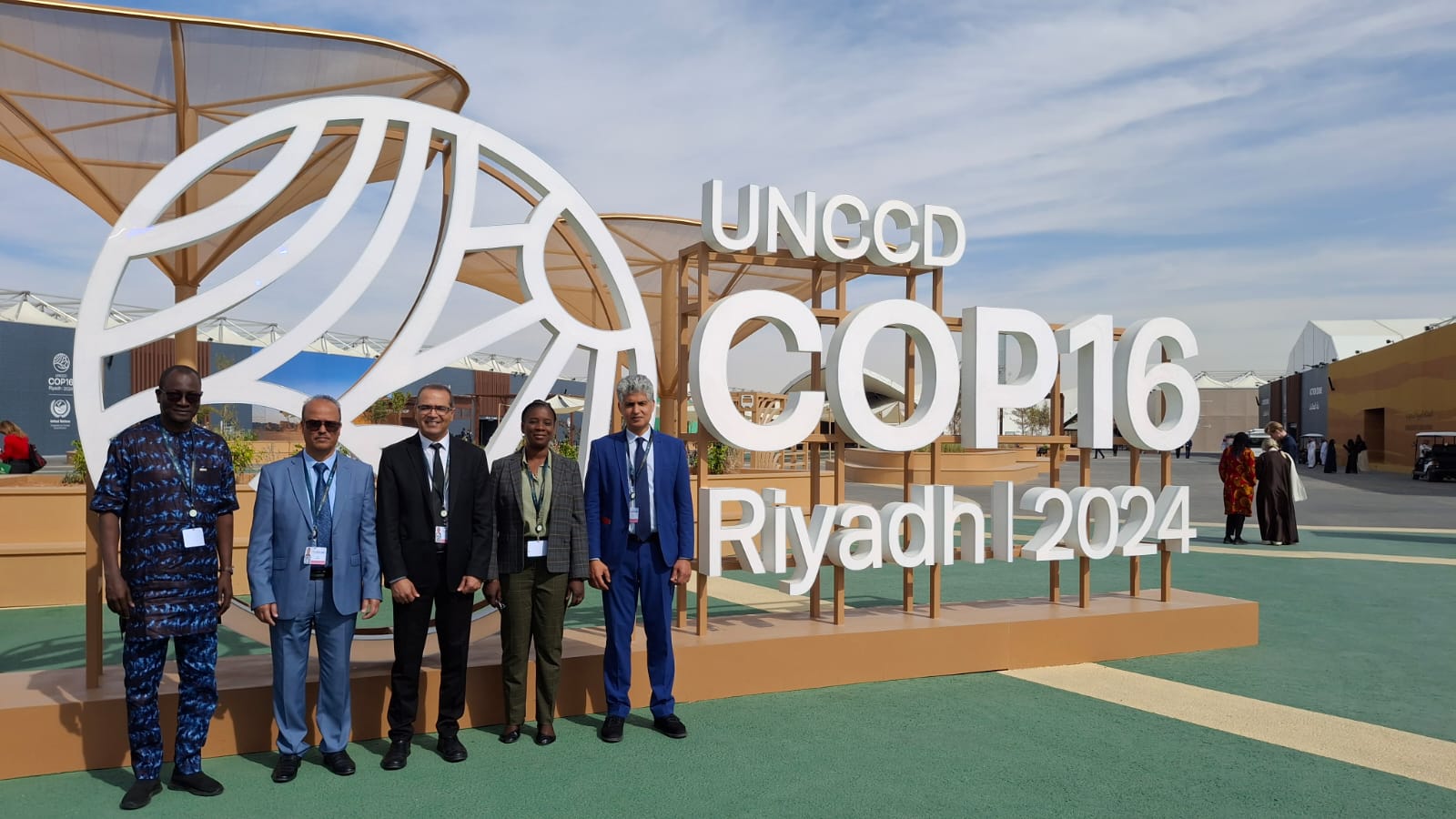
The participation of the Sahara and Sahel…
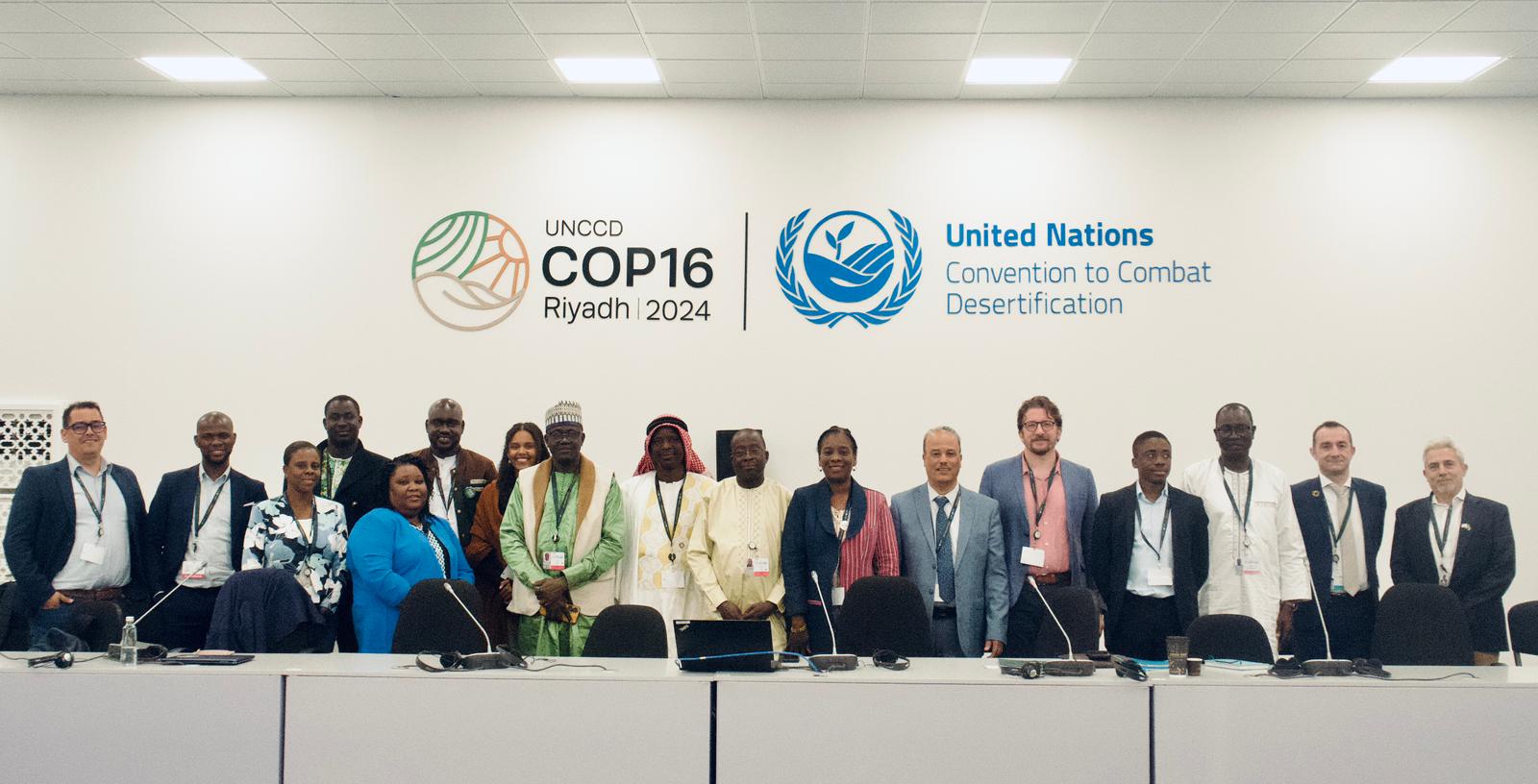
OSS Side Event at COP16: Strengthening Resilience in the Sahel through Multi-…