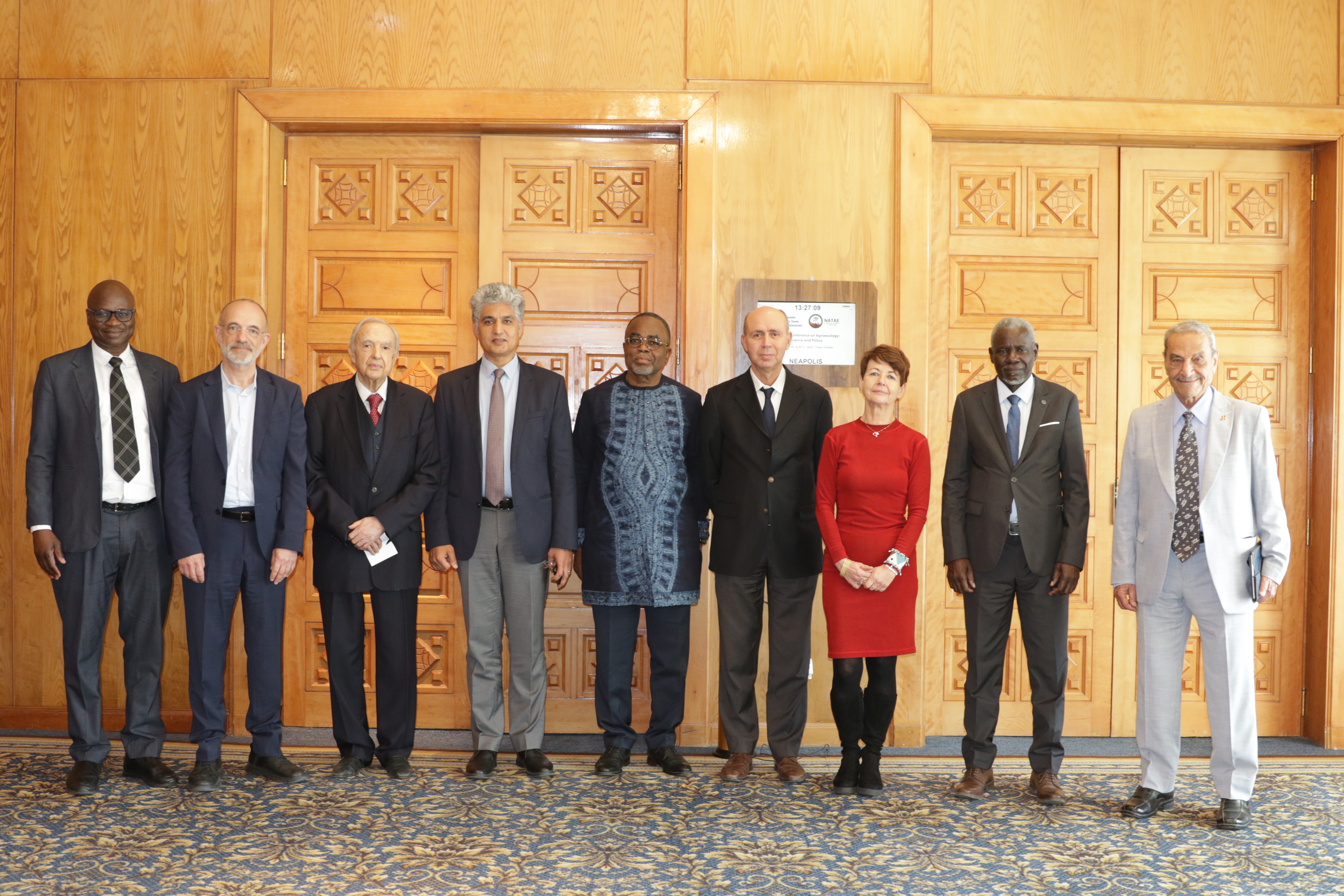
27th Session of the OSS Strategic Orientation Committee, Tunis, January 28, 2025
Held on January 28, 2025 in Tunis, the 27th session of the Strategic Orientation…
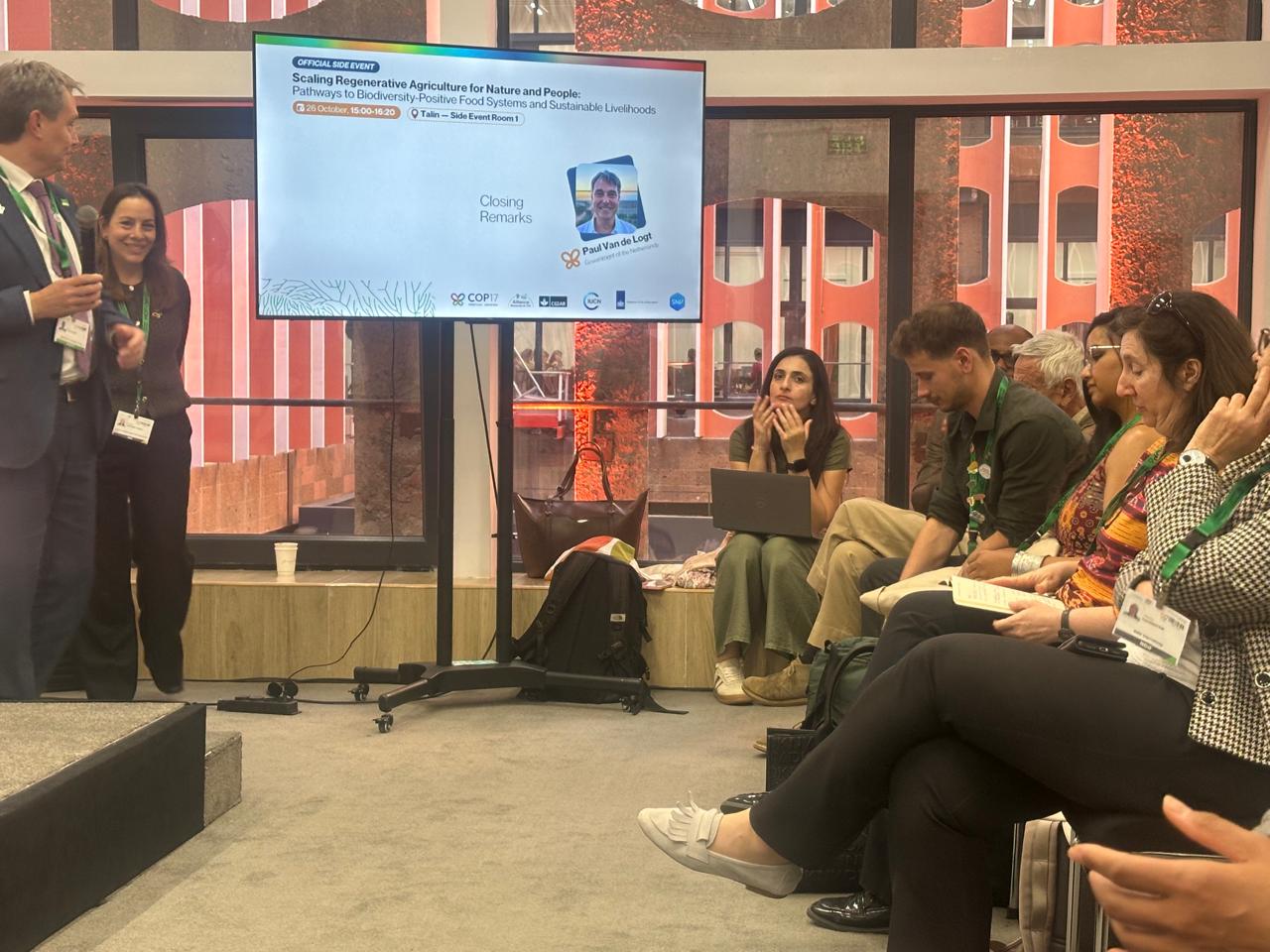
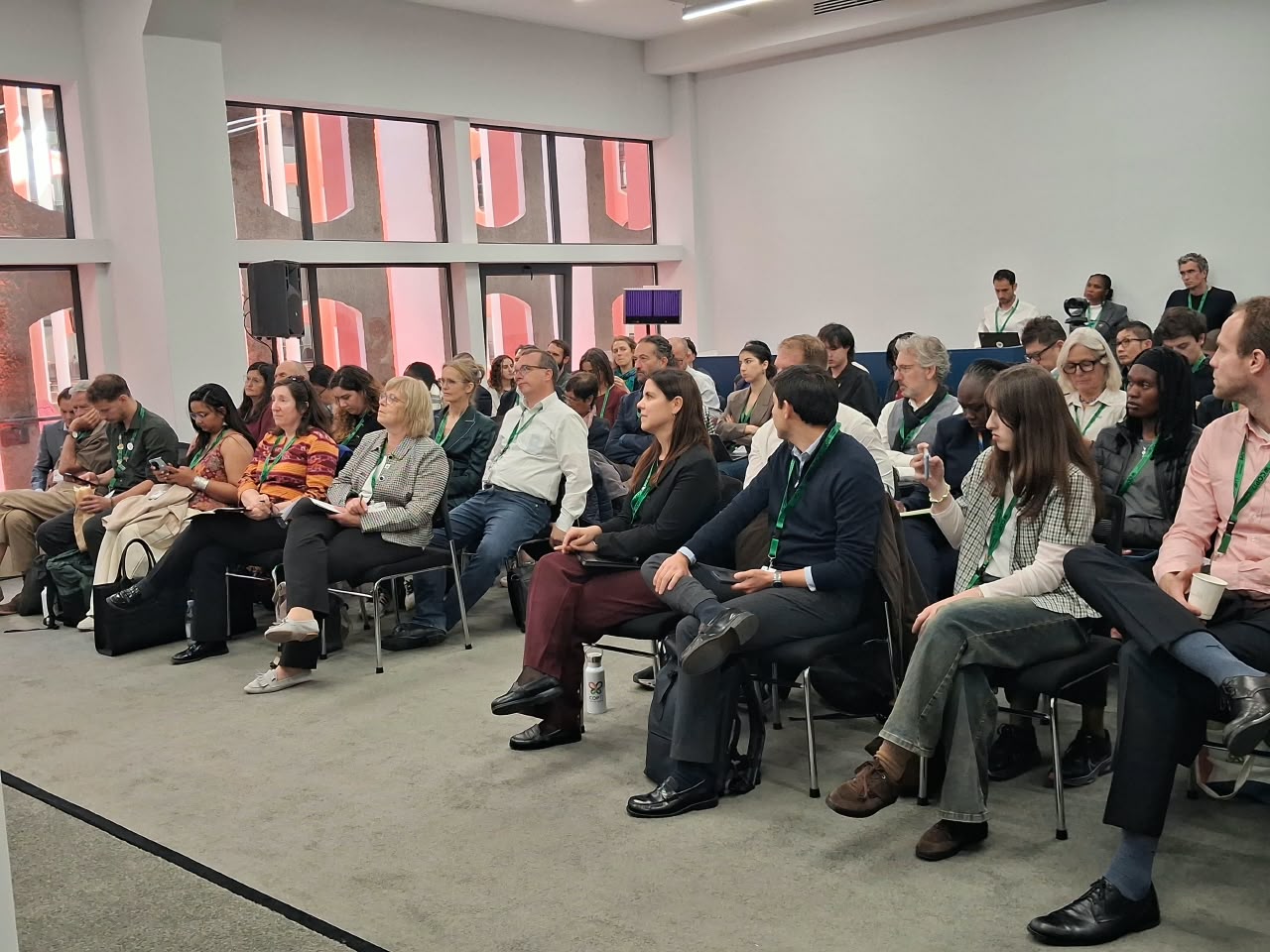
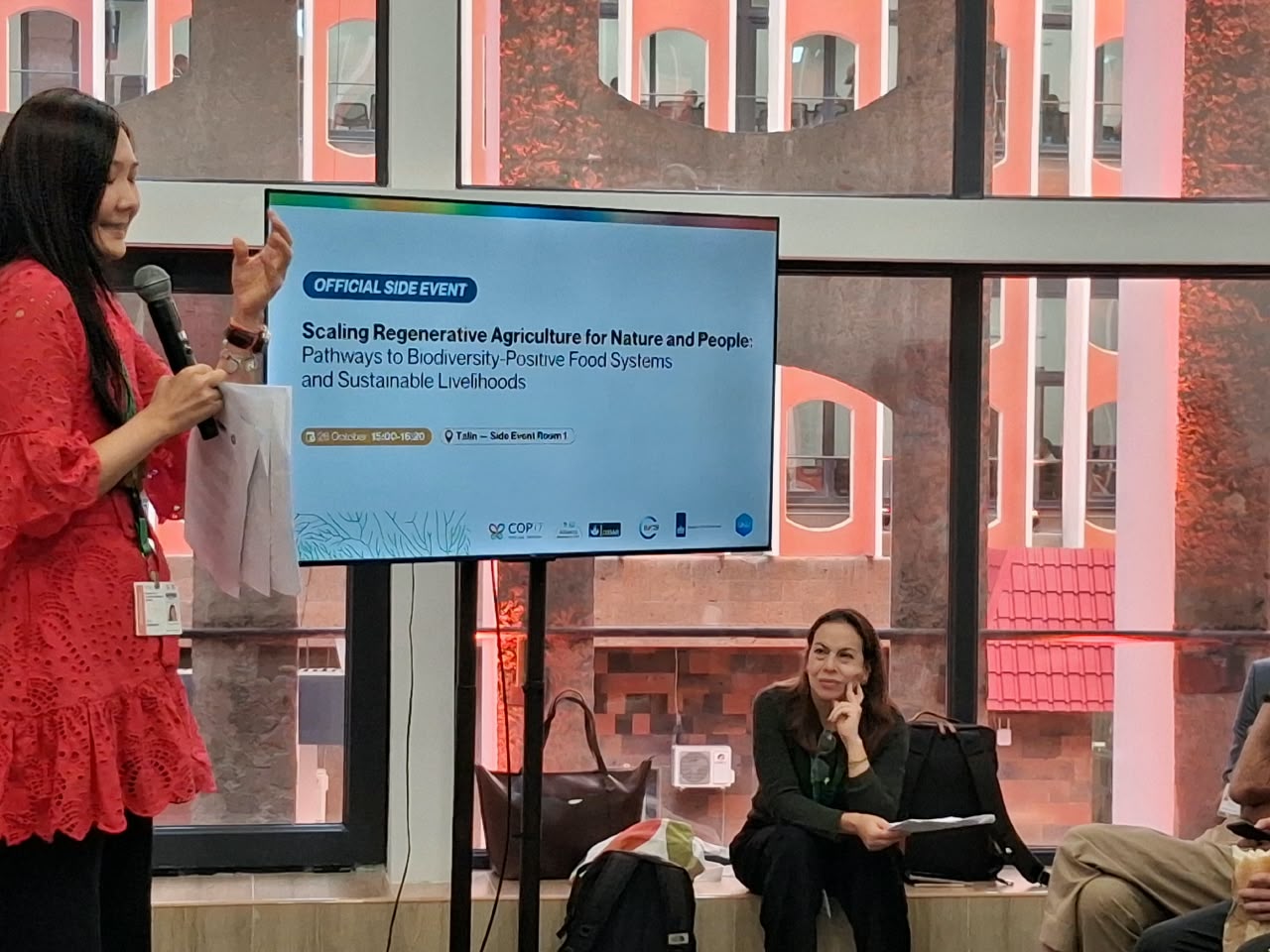
At the 17th meeting of the Conference of the Parties to the Convention on Biological Diversity (COP17), held in Yerevan, the Sahara and Sahel Observatory (OSS), represented by Ms. Leila Bennani, Communication Officer, shared the experience of the NATAE (North African Transition to Agroecology) project to illustrate how agroecology can contribute to more resilient agricultural systems that reconcile food production, biodiversity conservation and sustainable livelihoods.
During the session entitled “Scaling Regenerative Agriculture for Nature and People: Pathways to Biodiversity-Positive Food Systems and Sustainable Livelihoods”, discussions focused on the conditions needed to scale up regenerative agriculture, restore degraded ecosystems and promote sustainable farming practices in line with Targets 2 and 10 of the Kunming-Montreal Global Biodiversity Framework. Participants also highlighted the importance of financing and the role of agricultural value chain actors in driving this transition.
NATAE: Agroecological Solutions Tailored to Local Contexts
Funded by the European Union under the Horizon Europe programme, the NATAE project relies on Living Labs to foster the co-design of agroecological practices involving researchers, farmers and other local stakeholders.
As a project partner, the OSS contributes to this approach, bringing scientific research closer to producers’ needs and the environmental realities of North Africa. In a subregion facing water stress, land degradation and the impacts of climate change, diversifying agricultural systems offers a way to strengthen resilience and promote more sustainable natural resource management.
This participatory approach reflects the key issues discussed during the session: transforming farming practices to better reconcile production, soil health, biodiversity conservation and ecosystem restoration.
Connecting Local Initiatives with Biodiversity Targets
Scaling up these practices requires moving beyond farm-level interventions and better aligning agricultural activities with conservation and restoration objectives at the landscape level. It also calls for stronger links between scientific knowledge, field experience and biodiversity monitoring systems.
The OSS contribution therefore highlighted the value of better connecting local initiatives, such as NATAE’s Living Labs, with biodiversity planning and monitoring processes, helping document results and inform decision-making.
Ensuring the Long-Term Sustainability of the Agroecological Transition
The transition continues to face practical challenges, including the costs of adopting new practices, access to technical support, market opportunities and the availability of long-term funding. Farmers’ organisations and small and medium-sized agri-food enterprises can help overcome these barriers by facilitating the adoption of sustainable practices and strengthening local value chains.
On this occasion, the OSS also emphasised the need to develop sustainable financing mechanisms and ensure that farmers benefit equitably from the value created.
Through NATAE, the OSS contributes to discussions on the conditions needed to accelerate the agroecological transition in North Africa and bring agricultural practices into closer alignment with biodiversity targets, for the benefit of both people and ecosystems.
Held on January 28, 2025 in Tunis, the 27th session of the Strategic Orientation…

The participation of the Sahara and Sahel…
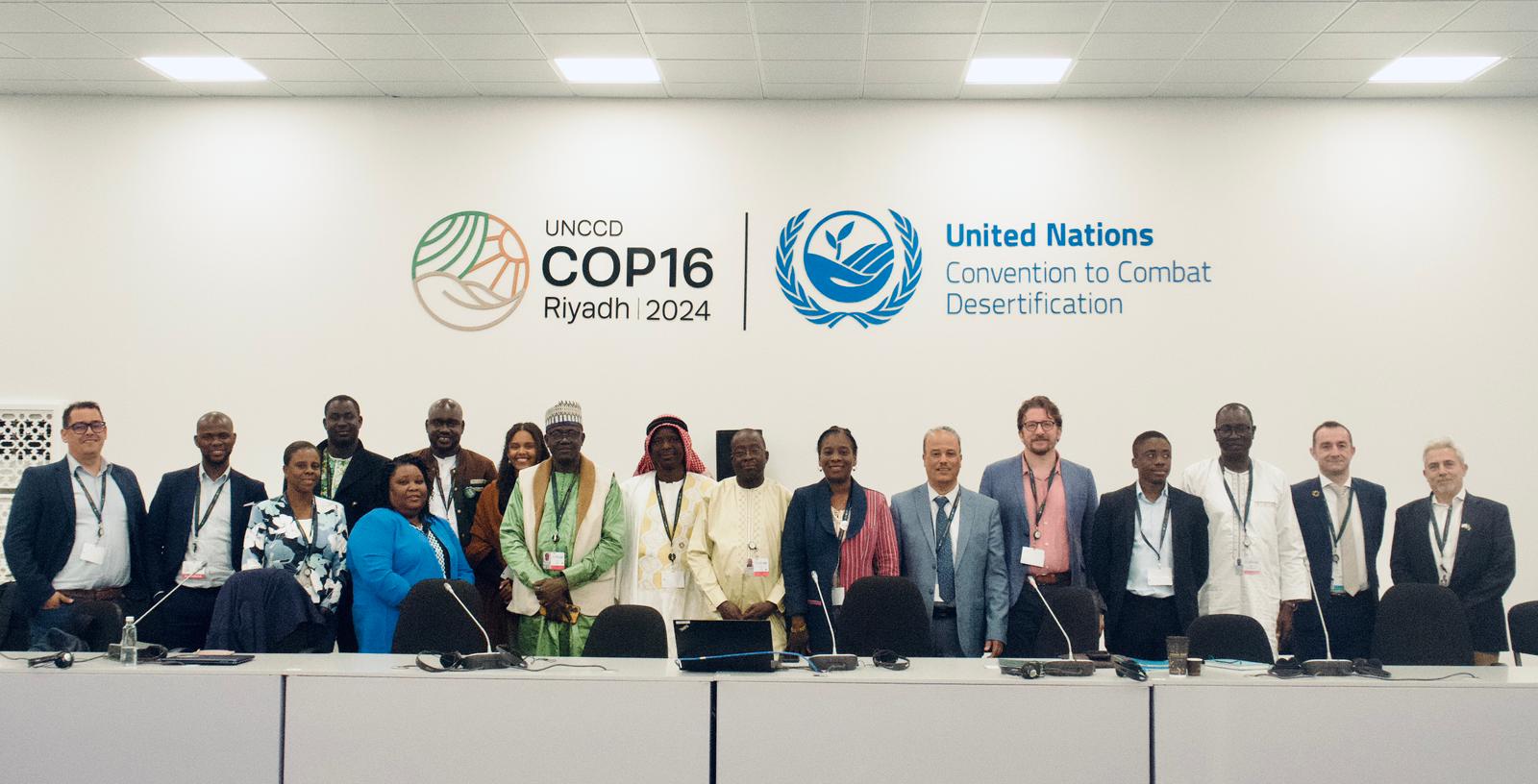
OSS Side Event at COP16: Strengthening Resilience in the Sahel through Multi-…