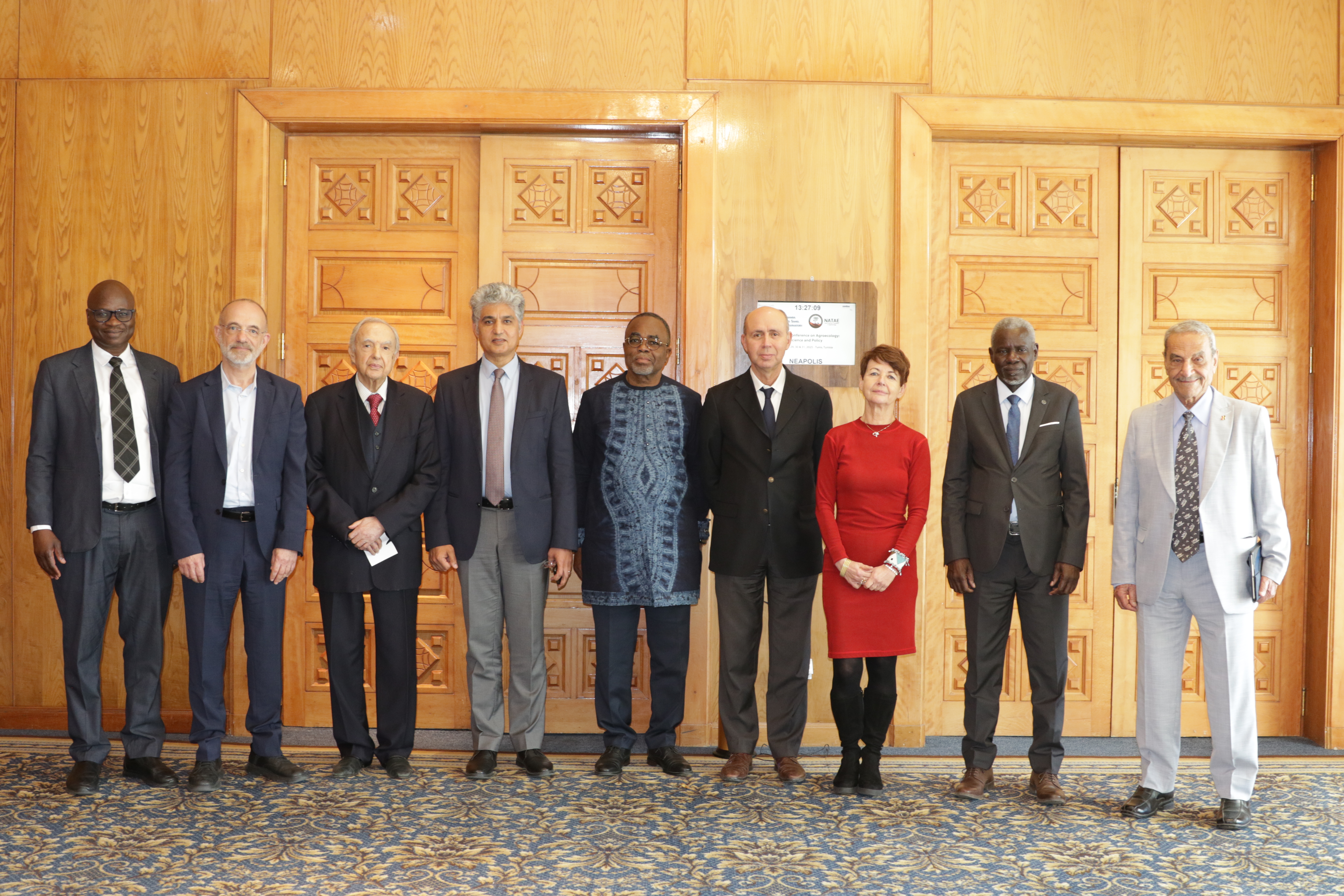
27th Session of the OSS Strategic Orientation Committee, Tunis, January 28, 2025
Held on January 28, 2025 in Tunis, the 27th session of the Strategic Orientation…
Djerba, March 26, 2026
Climate change, desertification, and drought intersect, reinforce one another, and profoundly shape the lives of territories and their populations in Africa. Fully aware of these phenomena, the Sahara and Sahel Observatory organized a side event, as part of the DA26 international summit, to shed light on these challenges and highlight concrete solutions developed at local and national levels.
Its documentary book “Africa Facing the Climate Challenge: From Injustice to Resilience”, led the way to discussions, combining scientific data with testimonies gathered from field actors.
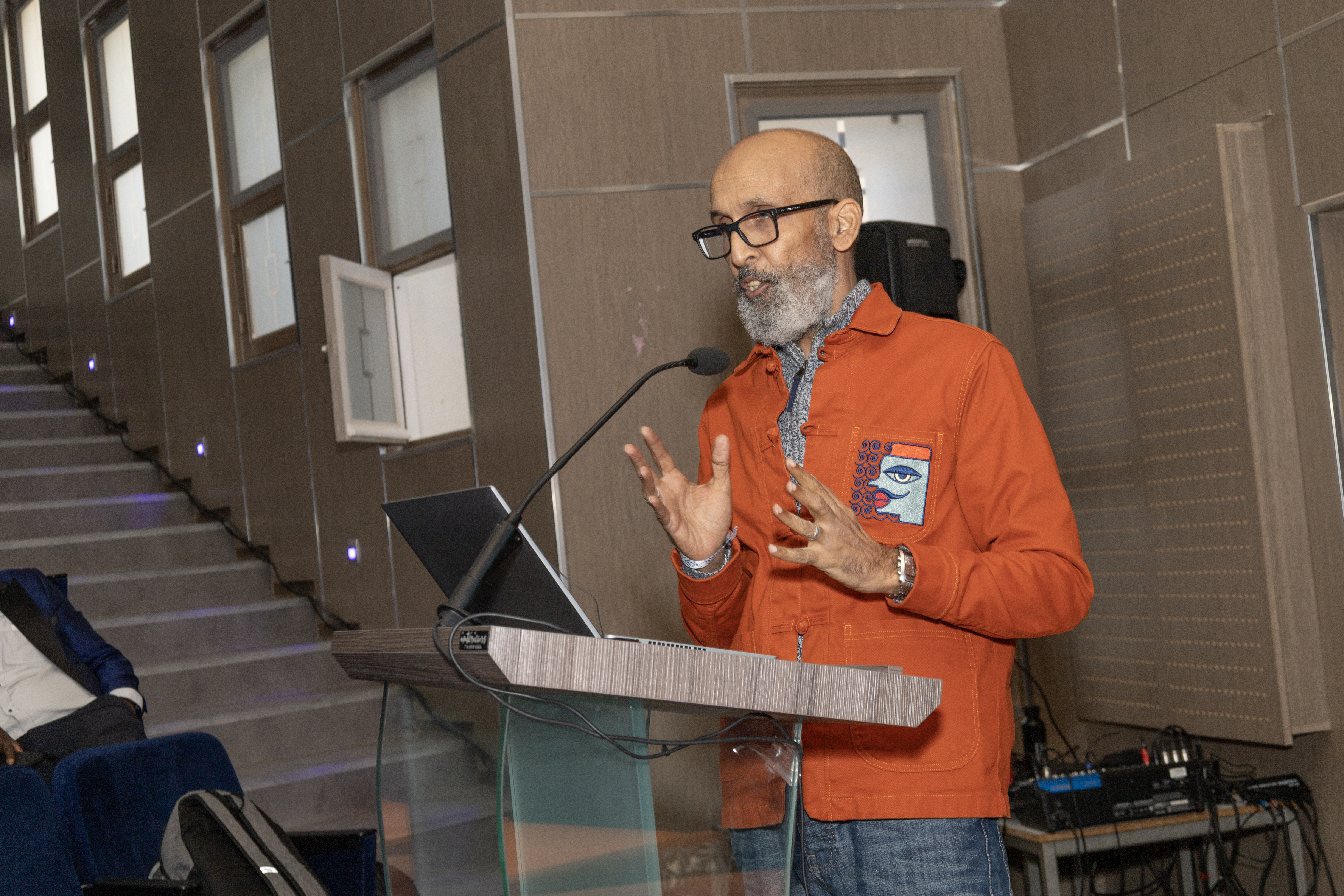
Following welcome and opening remarks by Mr. Nabil Ben Khatra, OSS Executive Secretary, Mr. Mourad Briki, Watch & Prospective, Capacity Building and Communication Department Director, presented key figures and main survey findings, offering a comprehensive overview of climate impacts and dynamics across Africa.
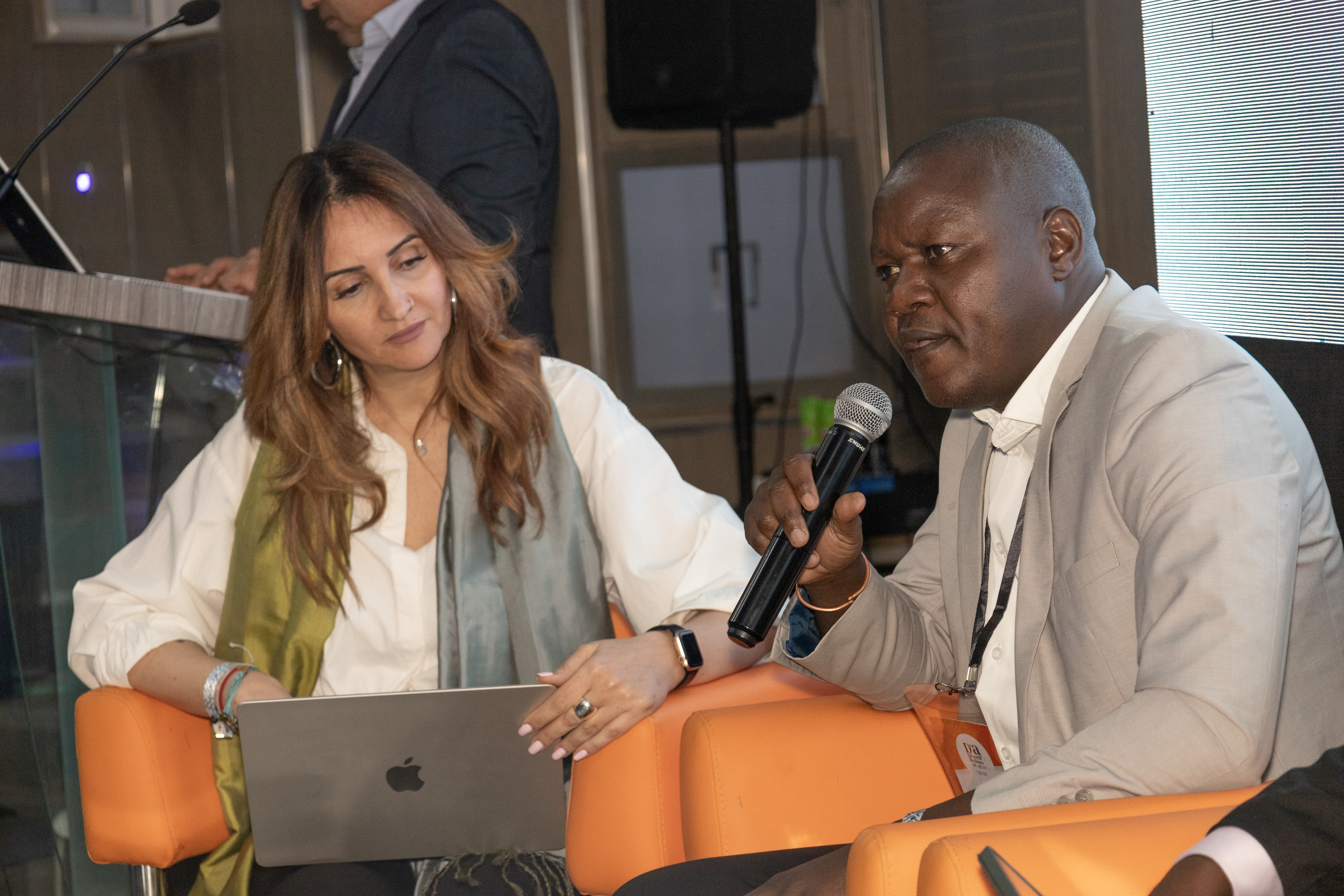
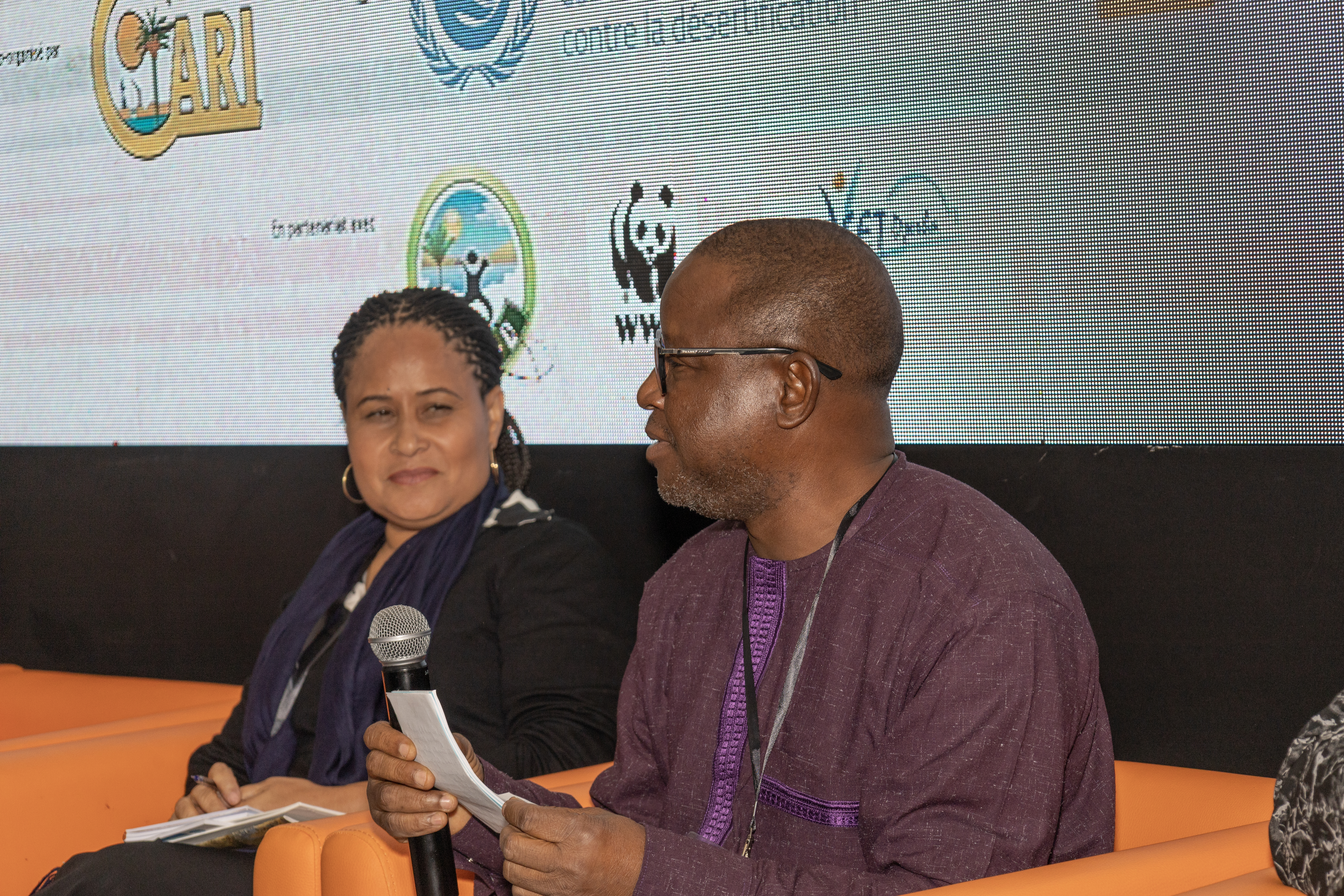
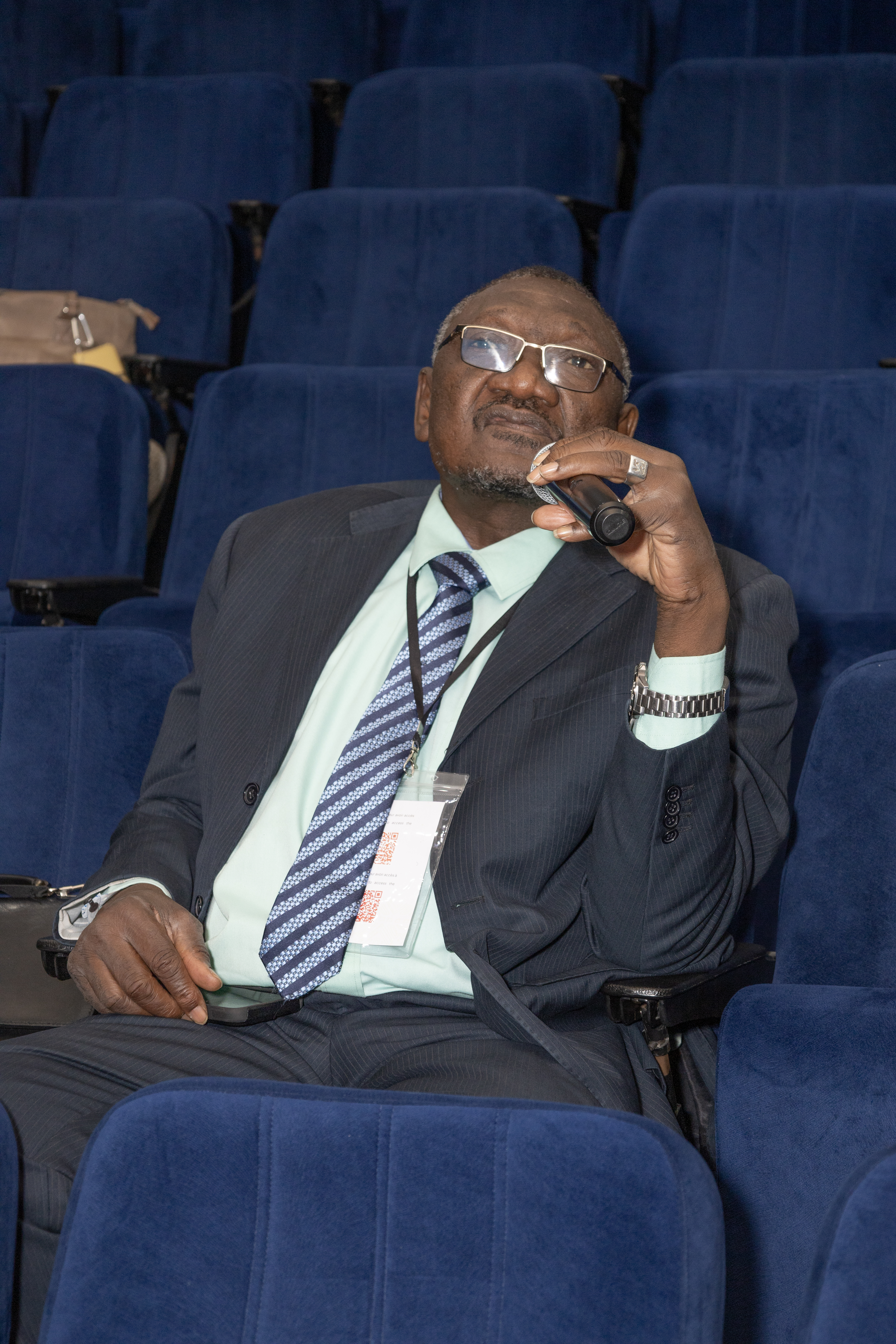
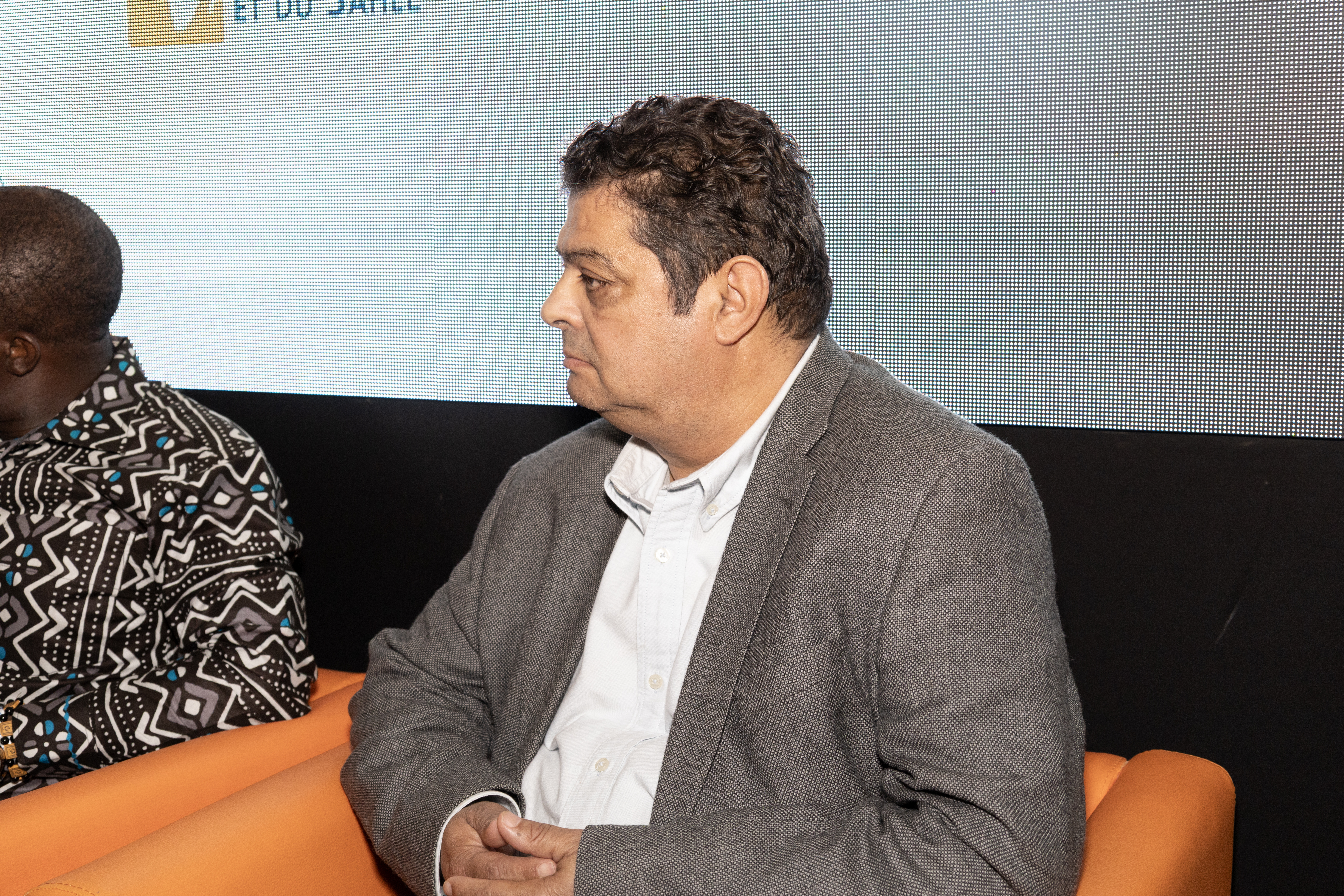
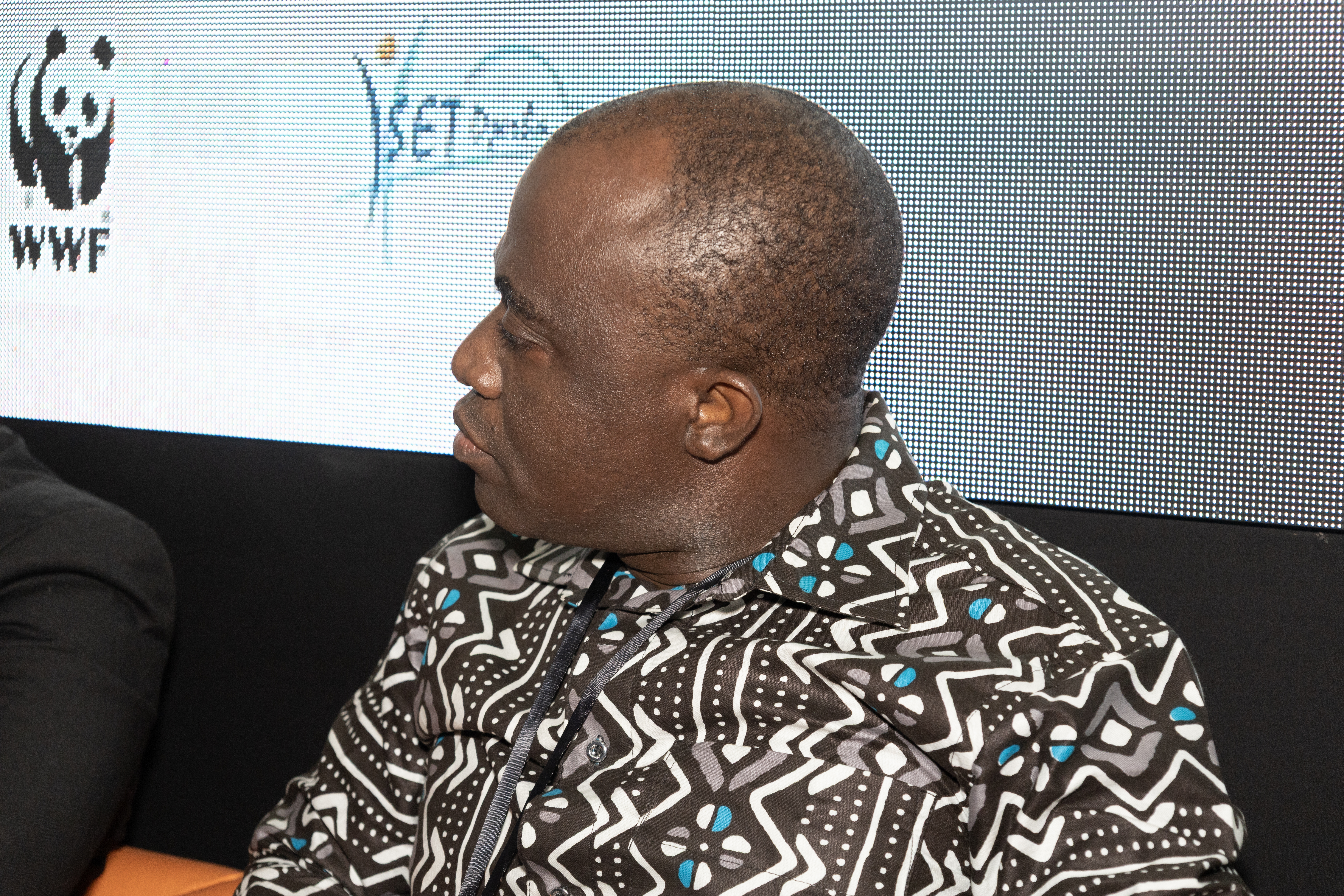
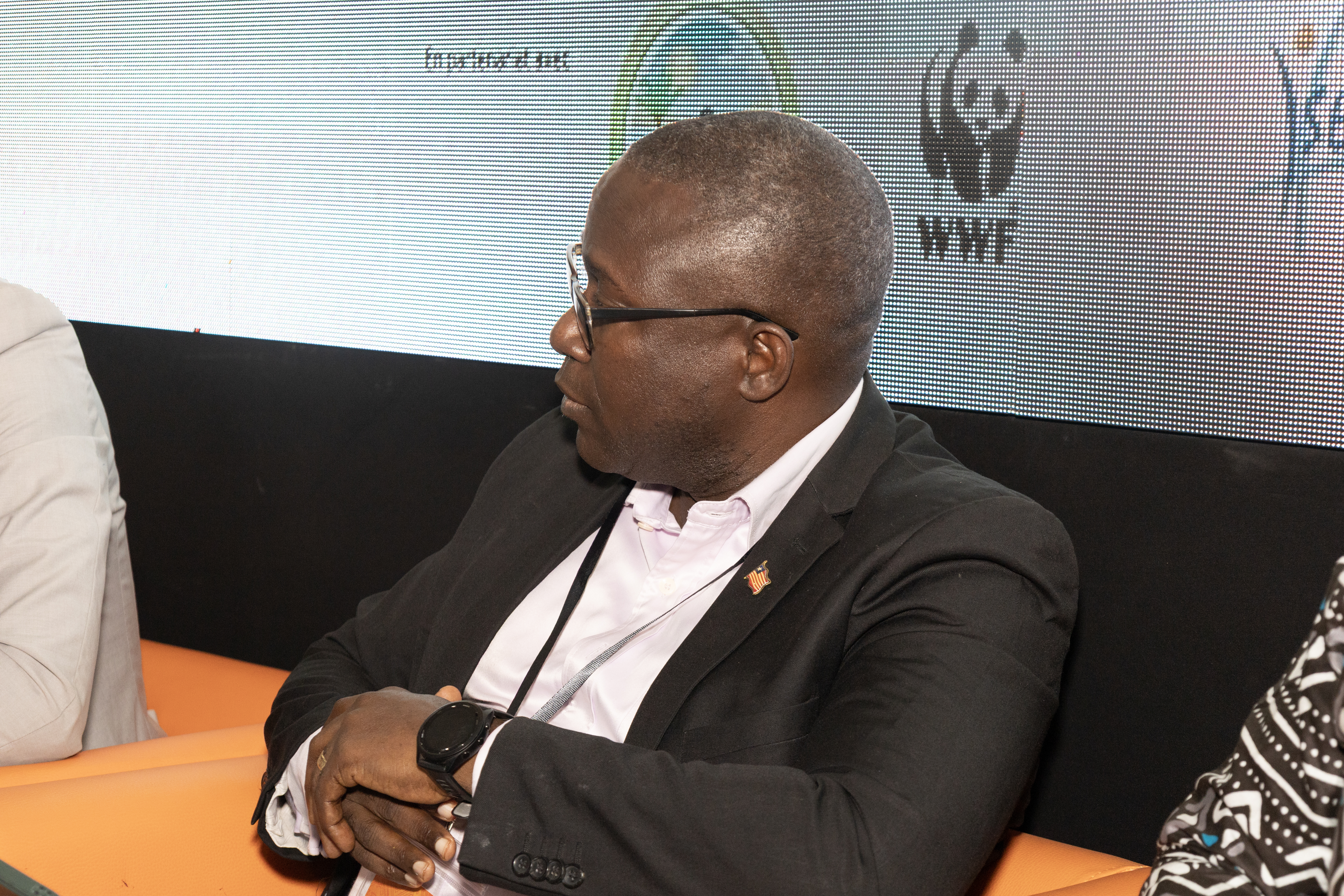
A panel moderated by Mrs. Khaoula Jaoui, Head of the Climate Department, focused on territorial resilience and country-level experiences. Mr. Barnabe Kabore from Burkina Faso explained the way local communities are reinventing agricultural practices to cope with increasingly severe droughts, drawing on ancestral knowledge while adopting context-appropriate technologies. Mr. Ibrahim Madougou from Niger emphasized the importance of coordination between local actors and institutions to secure water access and protect the soils. Mrs. Aïssa Regalla de Barros from Guinea-Bissau spoke about community engagement in restoring fragile ecosystems and combating desertification. Mr. Georges Sossou from Benin presented initiatives in agricultural diversification and sustainable natural resource management, while Mr. Sion Shifa from Namibia illustrated the use of climate monitoring tools to anticipate droughts and guide local decision-making. Mr. Robert Bimba from Liberia underscored the importance of community and women’s inclusion in resilience programs, and Mr. Azziz Hirche from Algeria outlined strategies for risk prevention and the protection of rangelands and arid and semi-arid areas.
Climate injustice continues to affect Africa despite its limited responsibility; drought and desertification reinforce one another; climate finance remains insufficient and could be better targeted; Africa can and must be an active agent of its own resilience; and the OSS book becoming a strategic tool for knowledge and advocacy, capable of guiding decision-making and inspiring action, were the five major messages that emerged from these discussions.
Held on January 28, 2025 in Tunis, the 27th session of the Strategic Orientation…
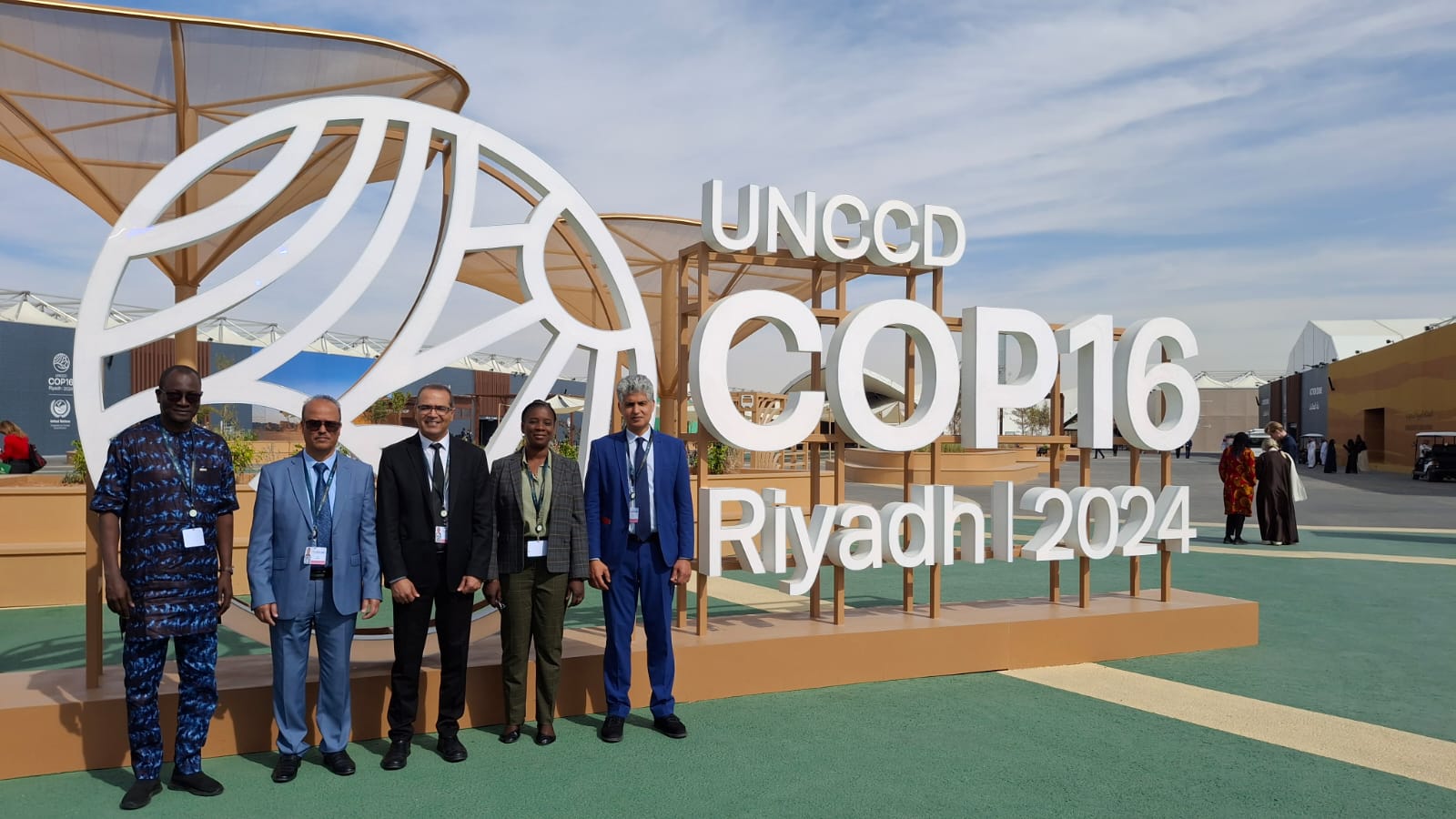
The participation of the Sahara and Sahel…
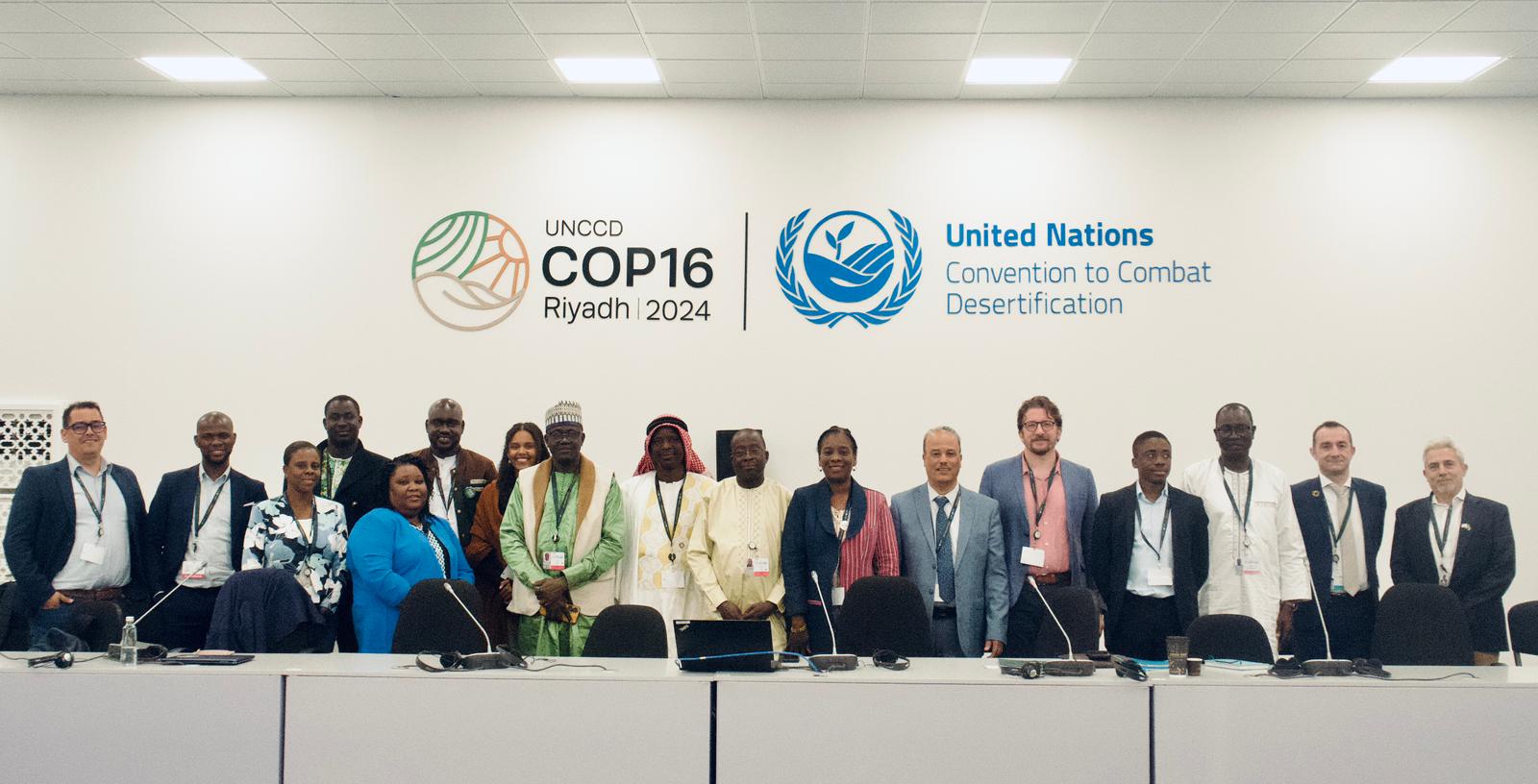
OSS Side Event at COP16: Strengthening Resilience in the Sahel through Multi-…