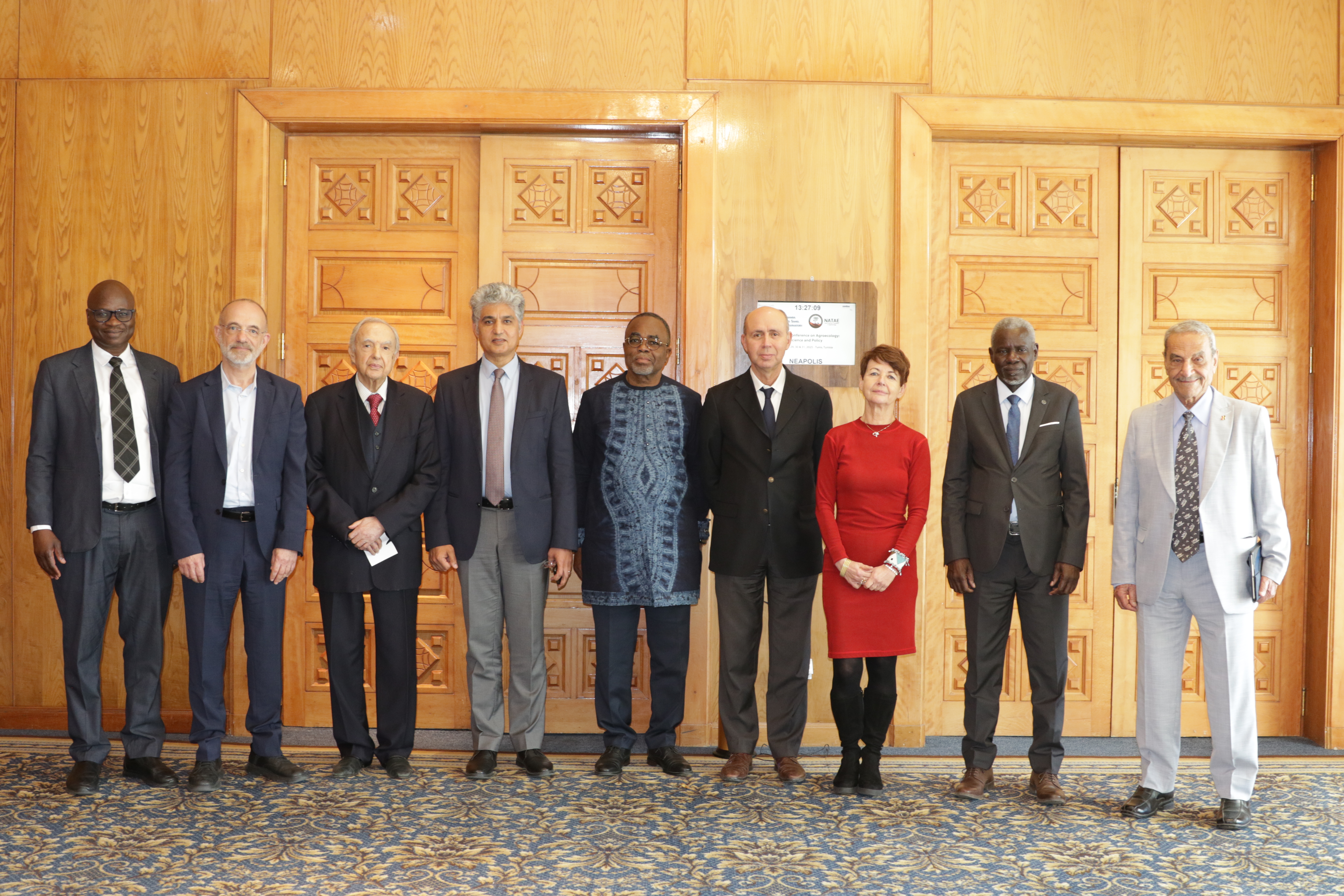
27th Session of the OSS Strategic Orientation Committee, Tunis, January 28, 2025
Held on January 28, 2025 in Tunis, the 27th session of the Strategic Orientation…
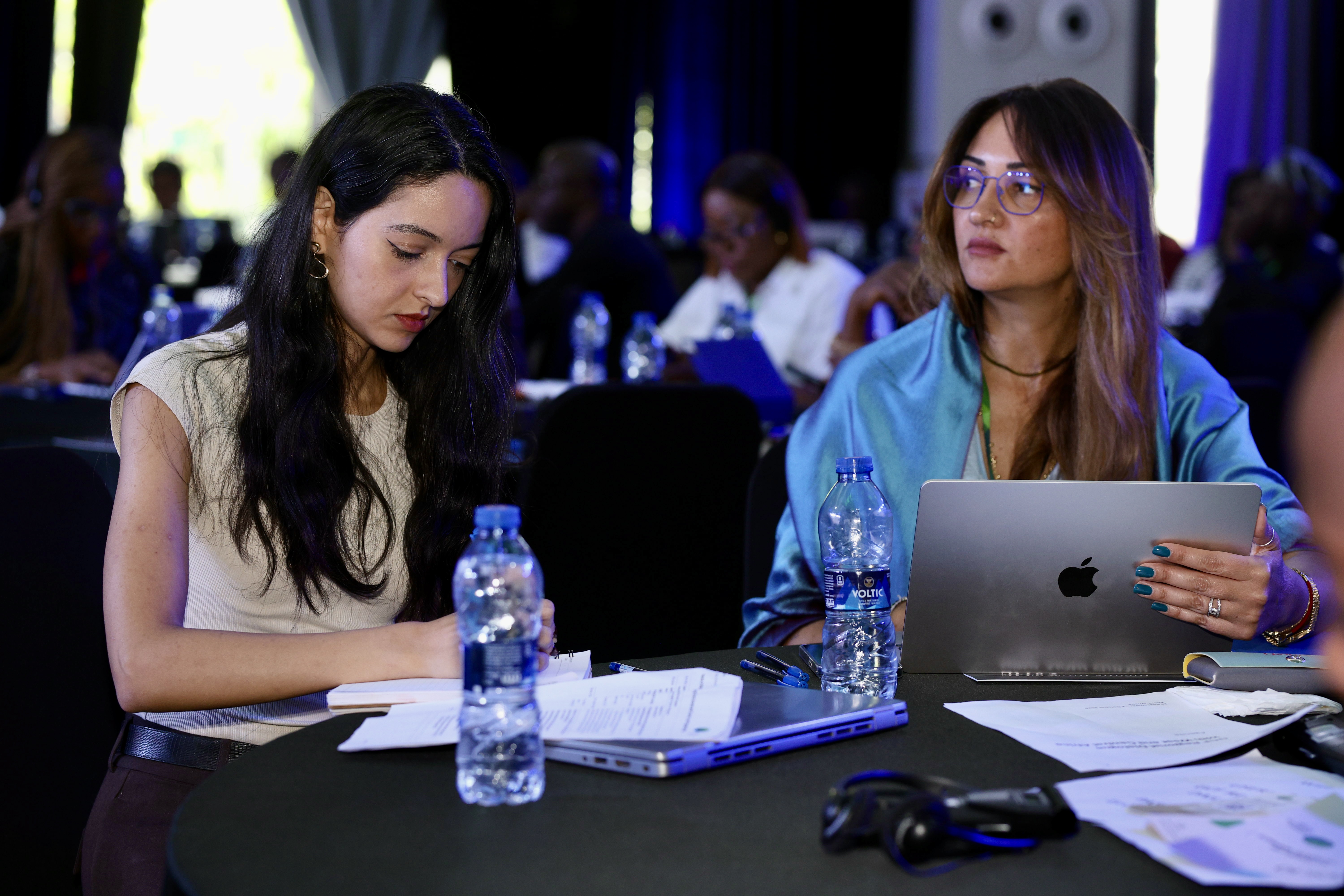
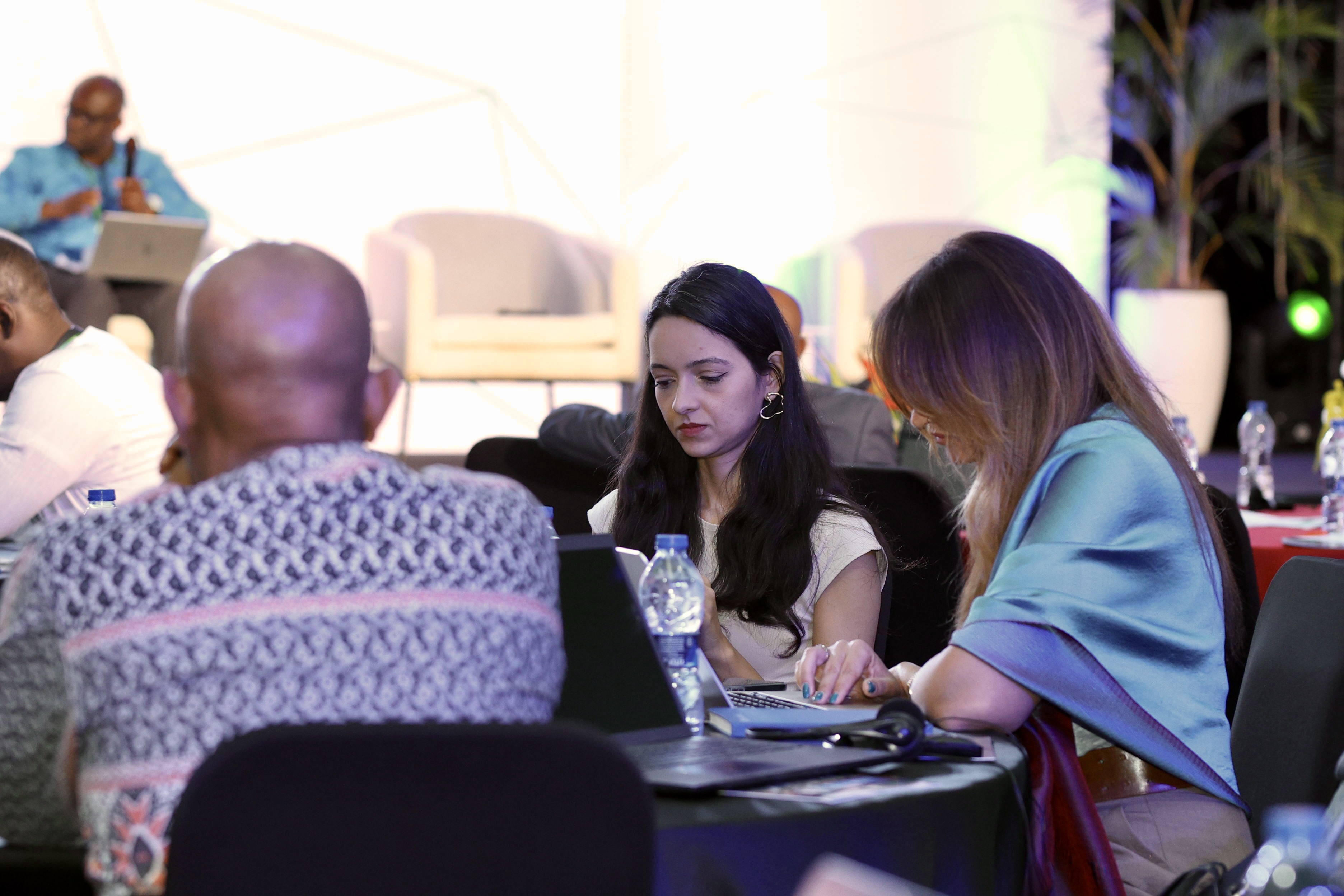
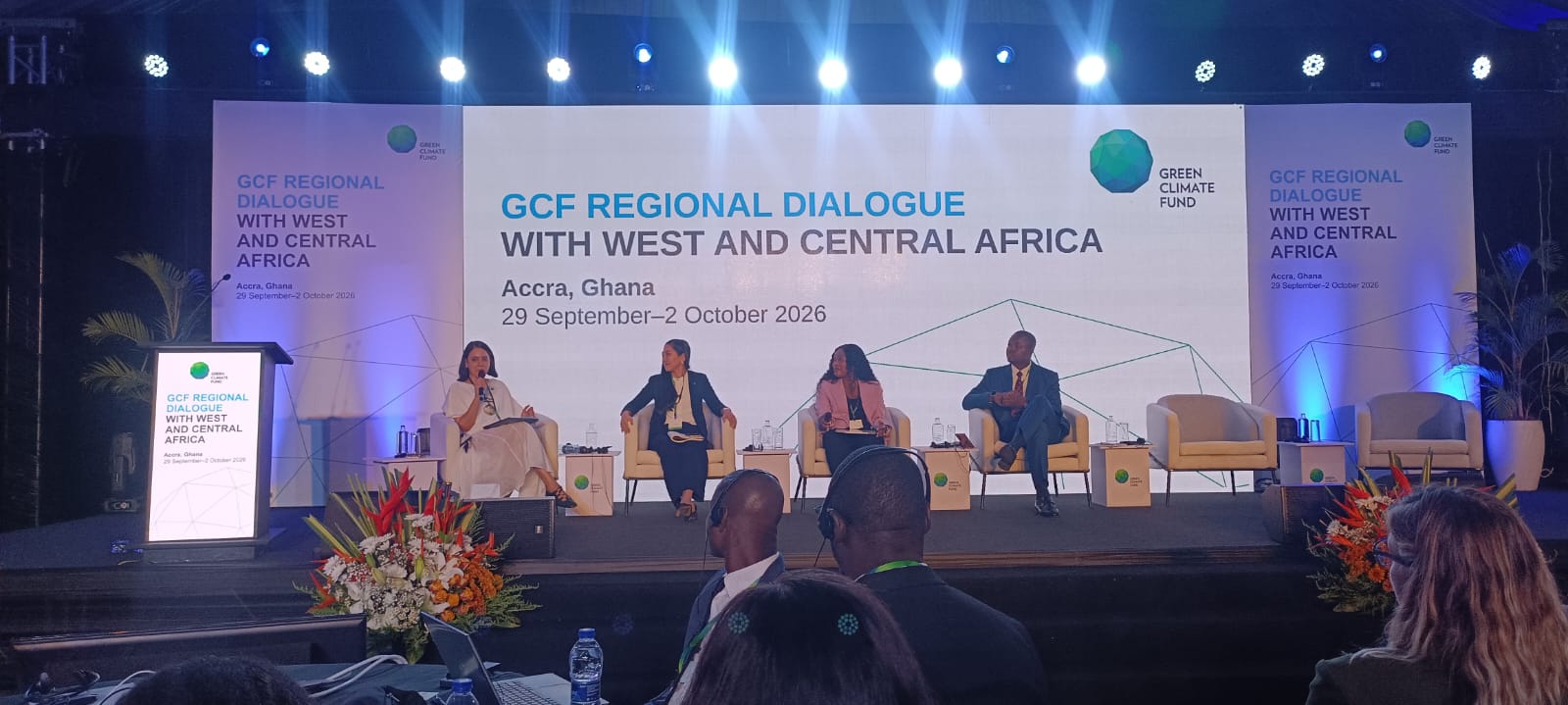
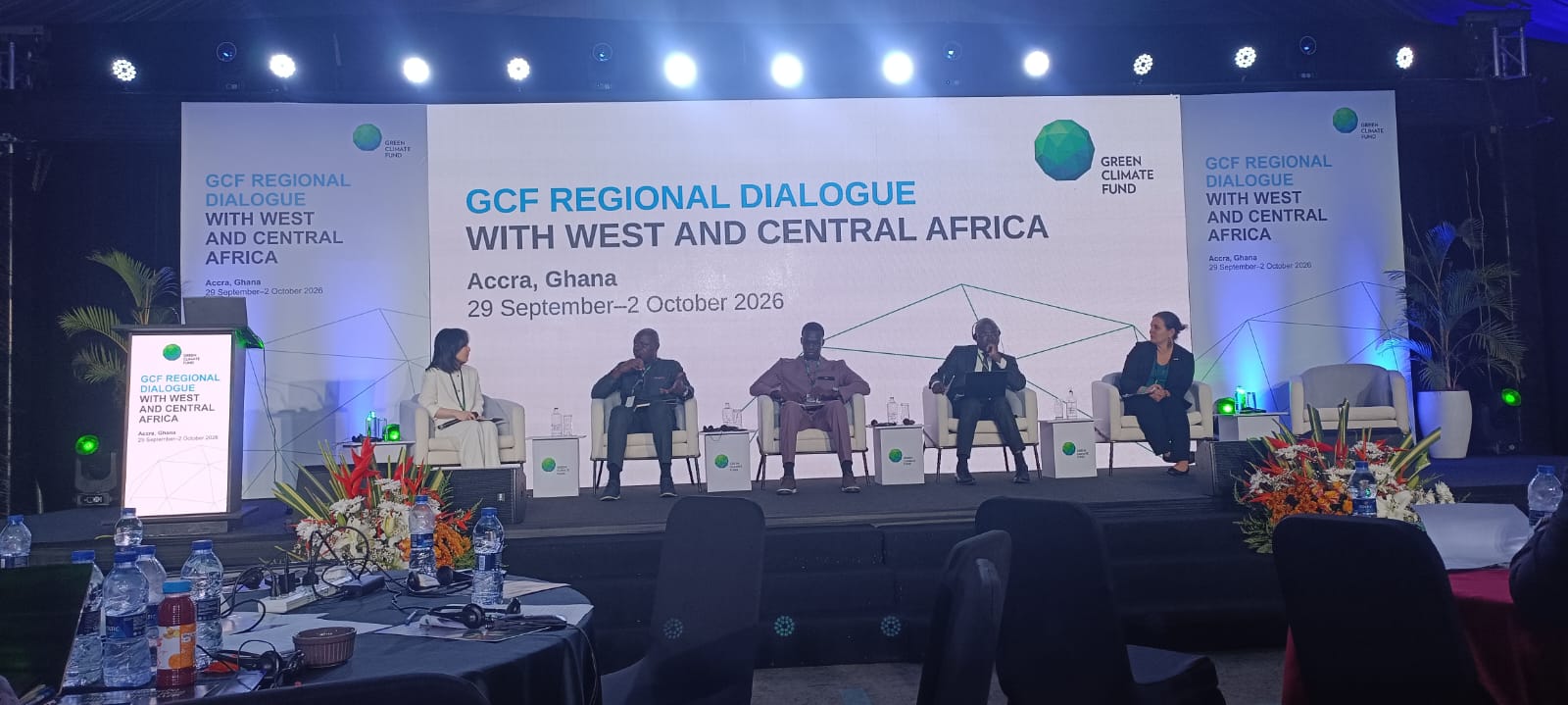
Accra, Ghana | 29 September – 2 October 2026
The Sahara and Sahel Observatory (OSS) participated in the GCF Regional Dialogue with West and Central Africa, held from 29 September to 2 October 2026 in Accra, Ghana. Organized by the Green Climate Fund (GCF), the four-day Dialogue brought together National Designated Authorities (NDAs), Direct Access Entities (DAEs), Accredited Entities, development partners, private-sector actors and other regional stakeholders to exchange on priorities and practical approaches for scaling up access to climate finance across West and Central Africa.
Held at an important stage in the evolution of the GCF’s regional engagement, the Dialogue provided a platform to examine how climate priorities can be translated into investment-ready programmes, strengthened institutional capacities and effective climate action on the ground. Discussions covered GCF programming, investment structuring, Readiness support, Direct Access, private-sector engagement, project development and funding proposal appraisal.
Addressing the evolving climate finance landscape
The Dialogue provided a strategic perspective on the evolving climate finance landscape in West and Central Africa, with particular attention to the opportunities and constraints affecting the mobilisation and scaling-up of investment. Discussions addressed the GCF’s strategic direction, public-sector climate finance, private-sector engagement and blended finance, alongside approaches to strengthening and accelerating investment pipelines.
Particular attention was given to areas where climate finance can support transformative action, including urban resilience and low-emission mobility, food security and resilient rural livelihoods, ecosystem and nature-based finance, and climate action in vulnerable and complex operating environments.
Across these discussions, participants highlighted the importance of moving beyond isolated interventions towards programmes capable of generating broader and lasting transformation. Strengthening project preparation, addressing bankability and financing barriers, mobilising private capital and building coherent investment pipelines emerged as key elements in translating national climate priorities into scalable investments.
Strengthening Readiness and Direct Access
A significant part of the Dialogue focused on Readiness support and Direct Access, reflecting the central role of national institutions in strengthening country ownership and enabling countries to lead the development and implementation of climate finance programmes.
Discussions on Readiness highlighted the need to strengthen the institutional and operational capacities of Direct Access Entities so that they can not only develop climate finance pipelines, but also effectively implement and oversee the resulting programmes and projects.
Experiences shared by DAEs also demonstrated the value of peer learning, technical cooperation and South-South exchanges in strengthening project development and implementation capacities.
The discussions on Direct Access further examined the role of DAEs in advancing country ownership, developing investment-ready pipelines and strengthening implementation systems. Participants exchanged on practical challenges faced by accredited national and regional institutions and on ways to make engagement with the GCF more efficient. The evolution of the GCF’s processes for concept notes and funding proposals, including the importance of early engagement with the Fund, was also highlighted as an important factor in improving the quality and efficiency of project preparation.
From project preparation to effective implementation
The Dialogue placed equal emphasis on what happens after project approval, highlighting the importance of anticipating implementation challenges and maintaining the conditions required for projects to deliver their intended results.
Discussions on adaptive management showed how legal and administrative processes, procurement delays, changes in costs or technology and other implementation realities may require justified adjustments during the project cycle. Participants stressed the importance of anticipating such challenges at the design stage, maintaining early and continuous engagement with the GCF, and ensuring that any adjustments remain consistent with approved objectives and expected results.
The role of NDAs was also highlighted as extending beyond the No-Objection process, particularly in maintaining alignment with national priorities throughout the project cycle. In this context, the GCF Liaison Officer placement scheme was presented as a mechanism to strengthen the interface between NDAs and the Fund, supporting their ongoing engagement with the GCF. This complementary support can contribute to more effective coordination and sustained country ownership during implementation.
These considerations were complemented by discussions on the GCF’s appraisal of funding proposals, with particular attention to the quality and coherence of the climate rationale. The sessions emphasized the need to clearly establish the climate problem, provide a credible baseline and counterfactual, identify the barriers to climate action and demonstrate a coherent link between the theory of change, activities, outputs and expected outcomes. For adaptation and mitigation interventions alike, robust evidence, clear additionality, realistic assumptions and a credible pathway towards lasting impact remain essential elements of a strong funding proposal.
A dedicated session further addressed the legal and contractual dimensions of GCF funding proposals. Discussions covered the roles and responsibilities of Accredited and Executing Entities, contractual arrangements across the implementation chain, legal due diligence, eligibility requirements, financial instruments and the traceability of GCF resources to final beneficiaries. Particular attention was given to ensuring consistency between the funding proposal, its annexes and the applicable legal documentation, as well as to the GCF’s transition towards the revised Standard Conditions framework. The session underscored the importance of addressing legal requirements at an early stage to facilitate the review and approval process and minimise potential delays during implementation.
OSS strengthens engagement with the GCF and partners
For OSS, the Regional Dialogue also provided an important opportunity to strengthen its engagement with the GCF and regional partners. Alongside its participation in the Dialogue sessions, OSS held several bilateral meetings with GCF officers responsible for different thematic and country initiatives.
These exchanges focused on projects currently implemented by OSS, as well as on proposals and concept notes under development within its portfolio. Discussions addressed ongoing processes, project preparation and opportunities to advance emerging interventions in line with GCF requirements and country priorities.
Bilateral exchanges were also held with partners, including National Designated Authority counterparts and other regional stakeholders, around potential new initiatives and areas of cooperation. These engagements contributed to strengthening the links between national priorities, project development and access to GCF resources, while opening perspectives for further collaboration.
Through its mandate to support African countries in addressing environmental and climate challenges, and a GCF Accredited Entity, OSS continues to support African countries in strengthening their capacities to access and effectively deploy climate finance. The Regional Dialogue provided valuable insights into the evolving GCF architecture and reinforced the importance of country ownership, strong institutions, quality project preparation, effective implementation and strategic partnerships in translating climate priorities into concrete and sustainable investments.
The exchanges held in Accra will inform OSS’s continued engagement with the GCF and its national and regional partners, supporting the development of robust, country-driven climate finance initiatives that contribute to climate resilience across West and Central Africa.
Held on January 28, 2025 in Tunis, the 27th session of the Strategic Orientation…
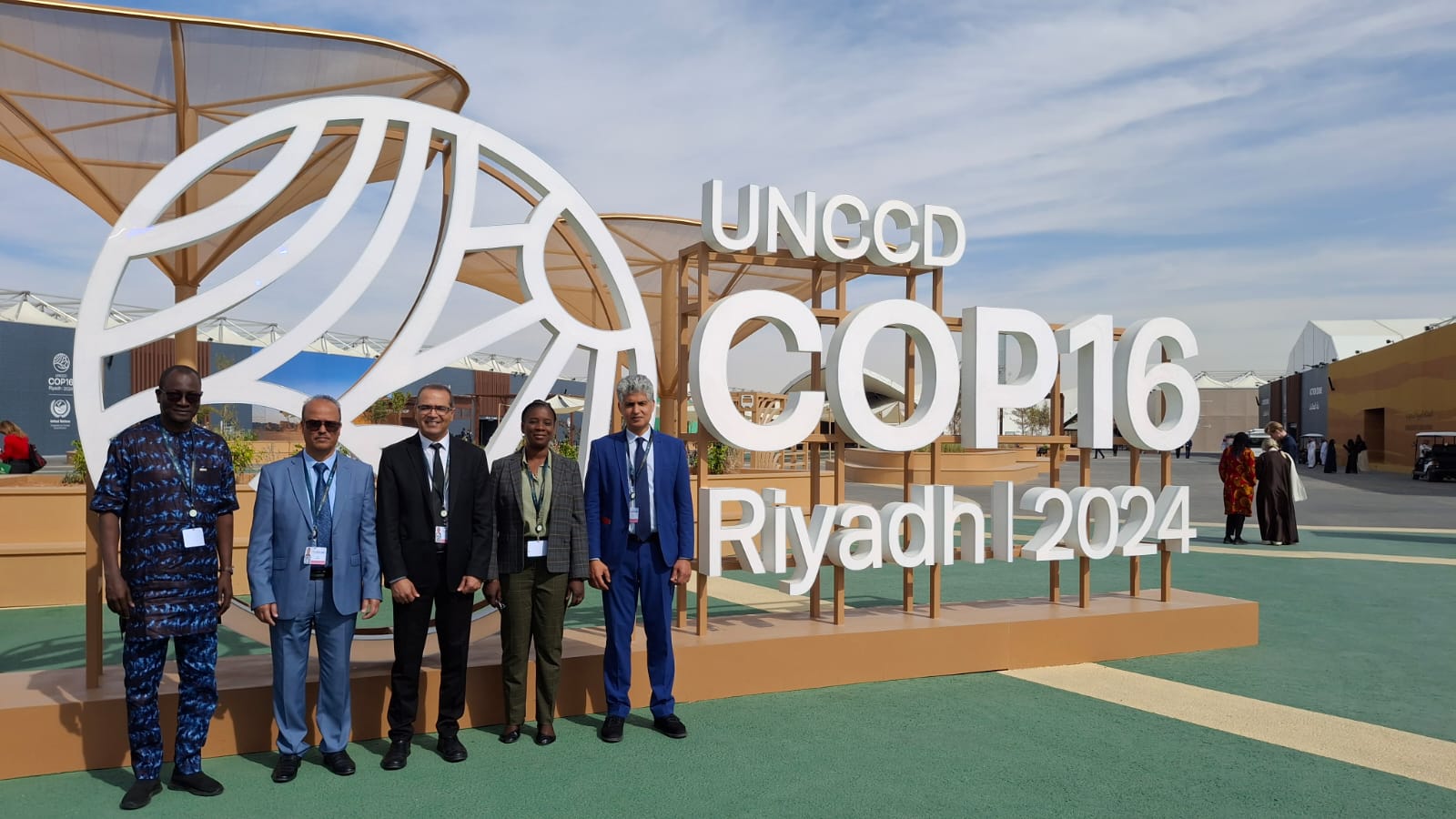
The participation of the Sahara and Sahel…
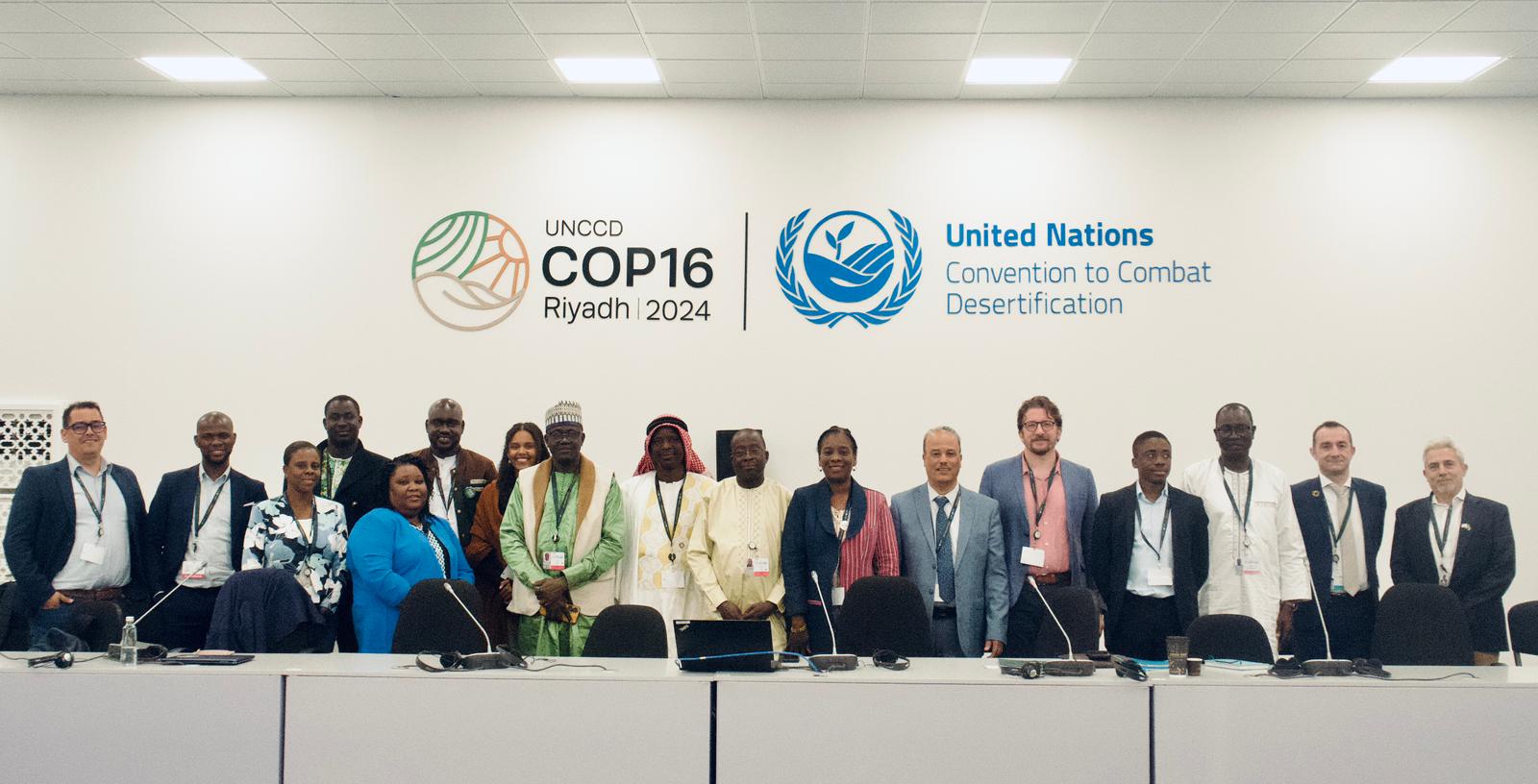
OSS Side Event at COP16: Strengthening Resilience in the Sahel through Multi-…