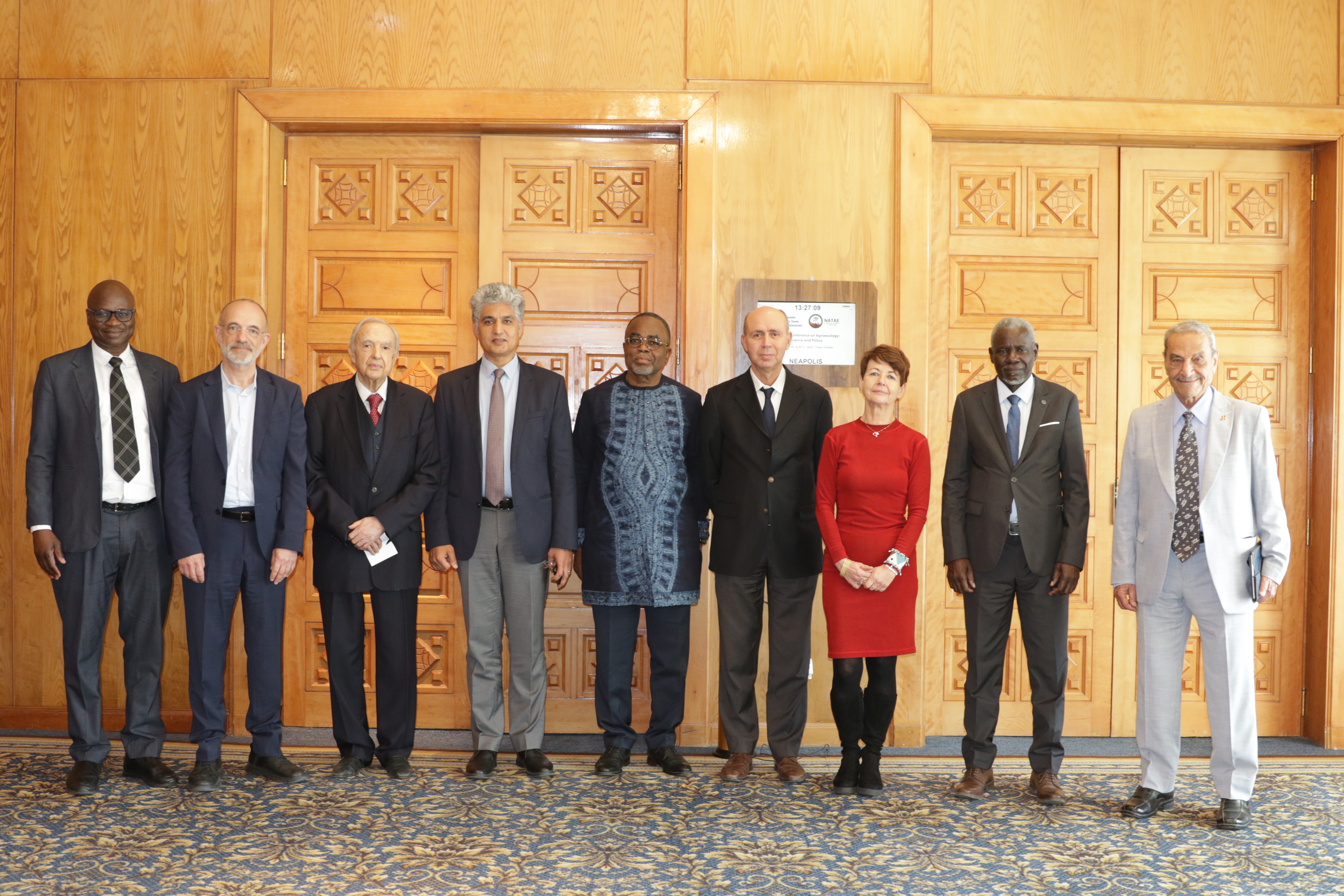
27th Session of the OSS Strategic Orientation Committee, Tunis, January 28, 2025
Held on January 28, 2025 in Tunis, the 27th session of the Strategic Orientation…
Hammamet, 16 November 2026
The fight against antimicrobial resistance (AMR) cannot be limited to the human and animal health sectors. Soils, water resources, ecosystems and wildlife are also affected by the circulation of resistant microorganisms and the spread of antimicrobial resistance genes. Better understanding these interactions and incorporating them into national policies is now a major challenge in ensuring the long-term protection of both human health and the environment.
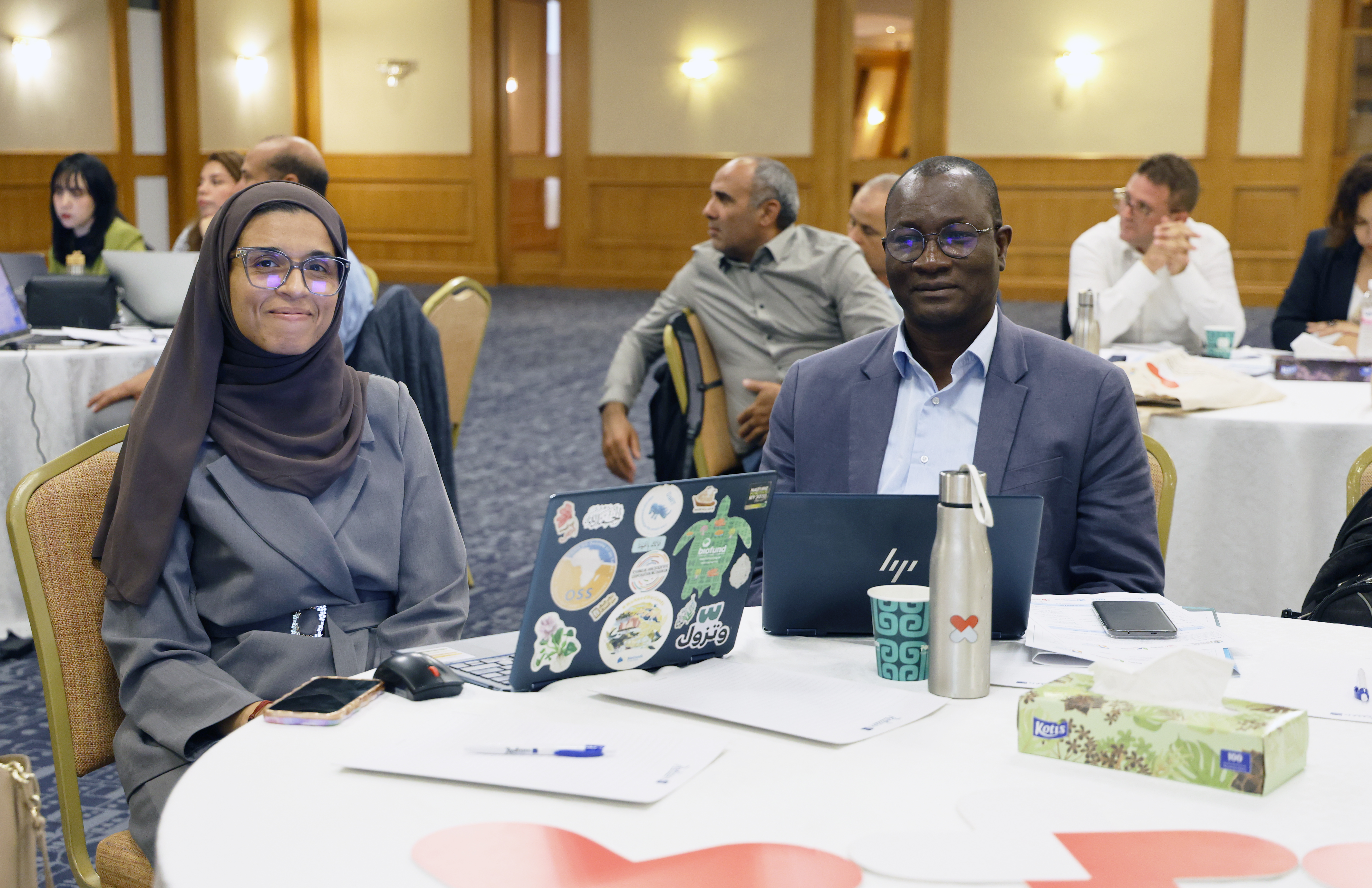
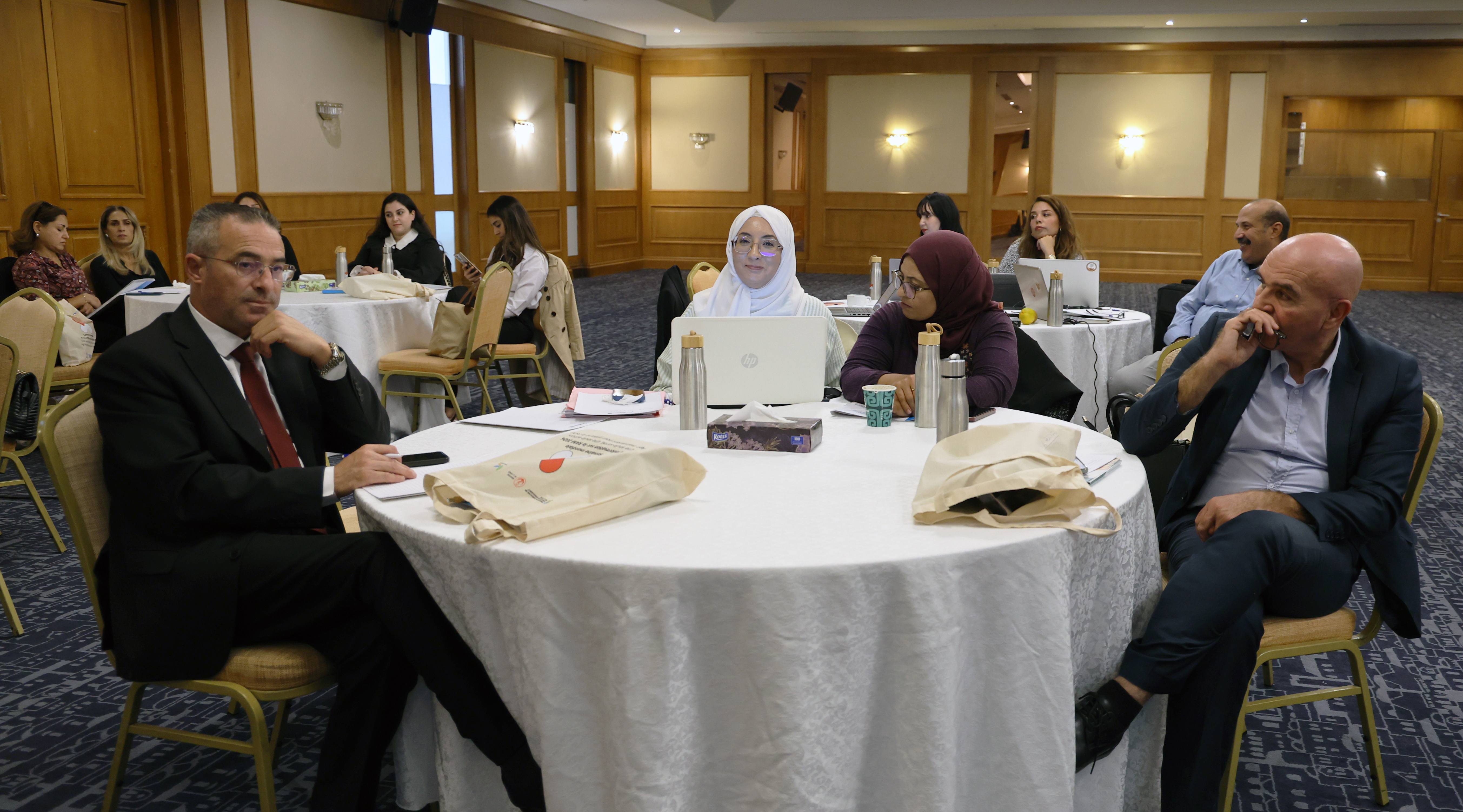
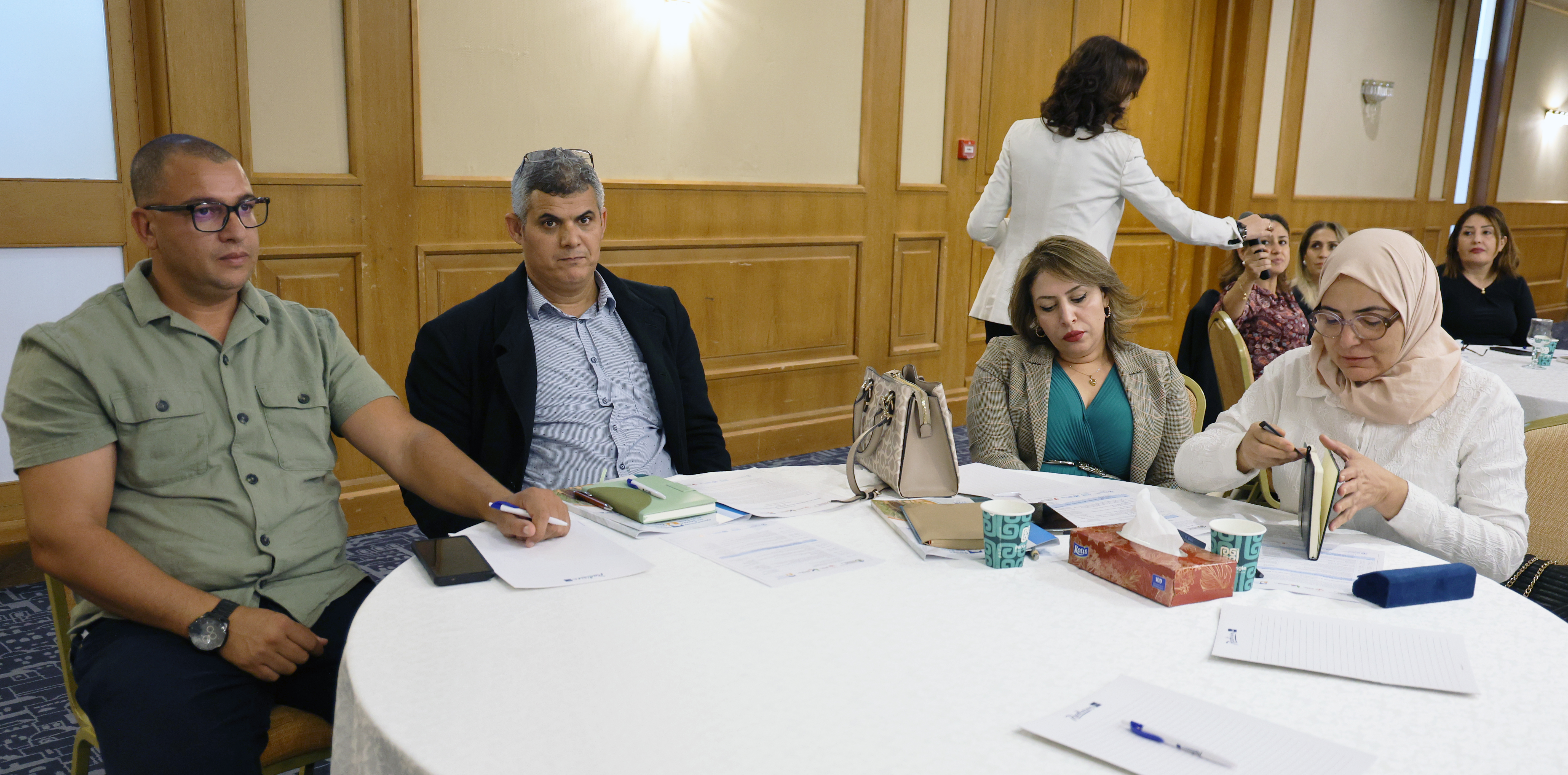
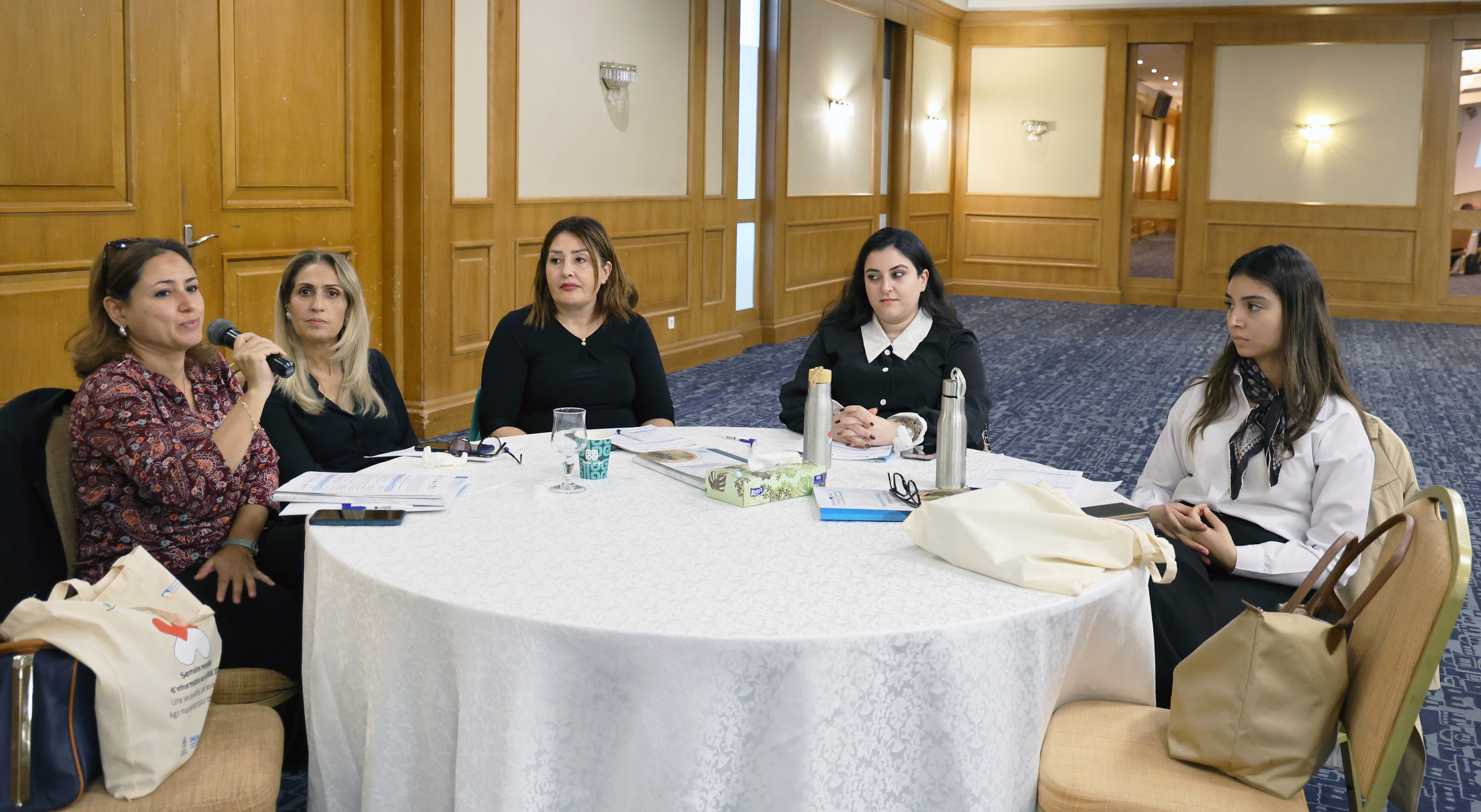
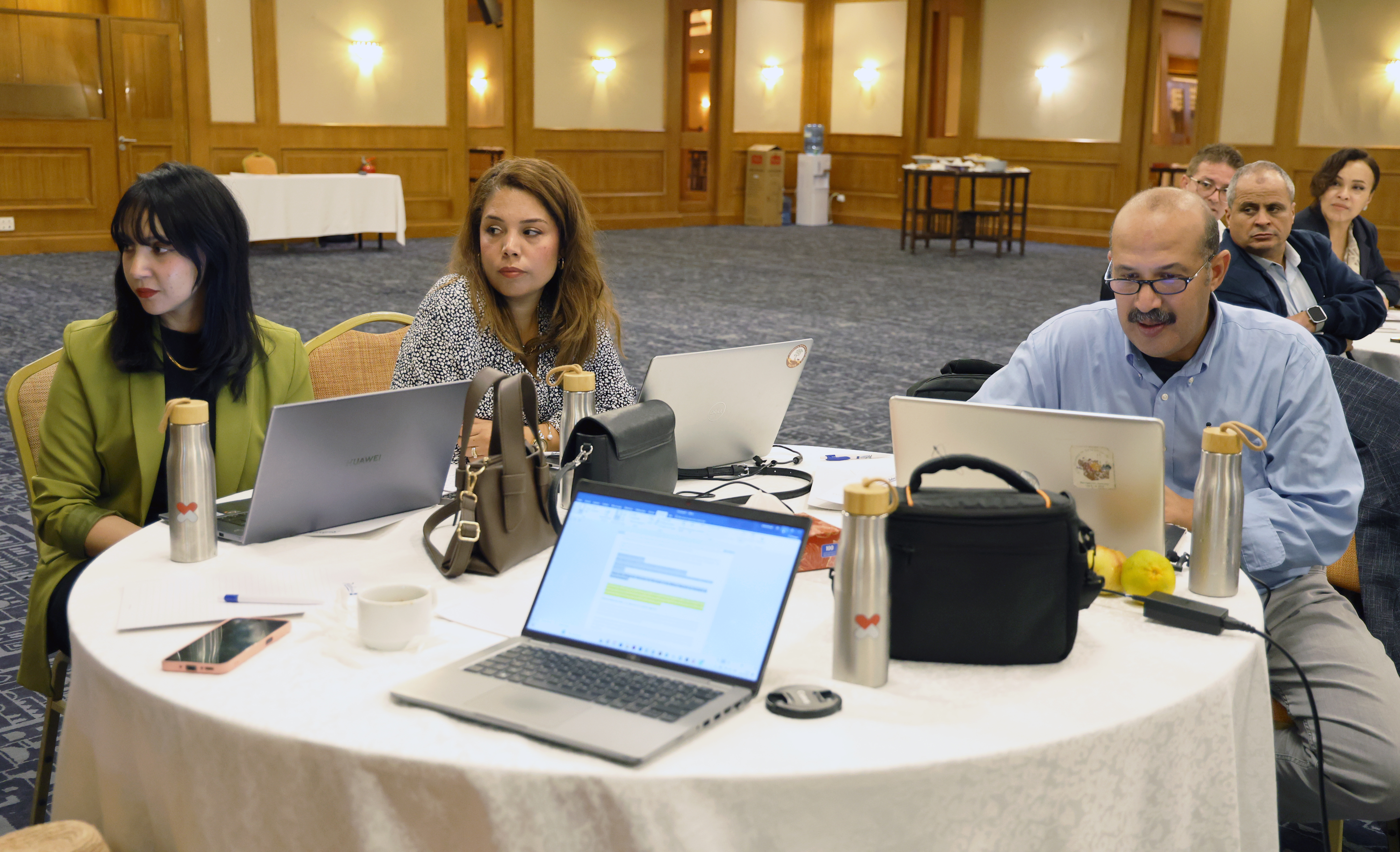
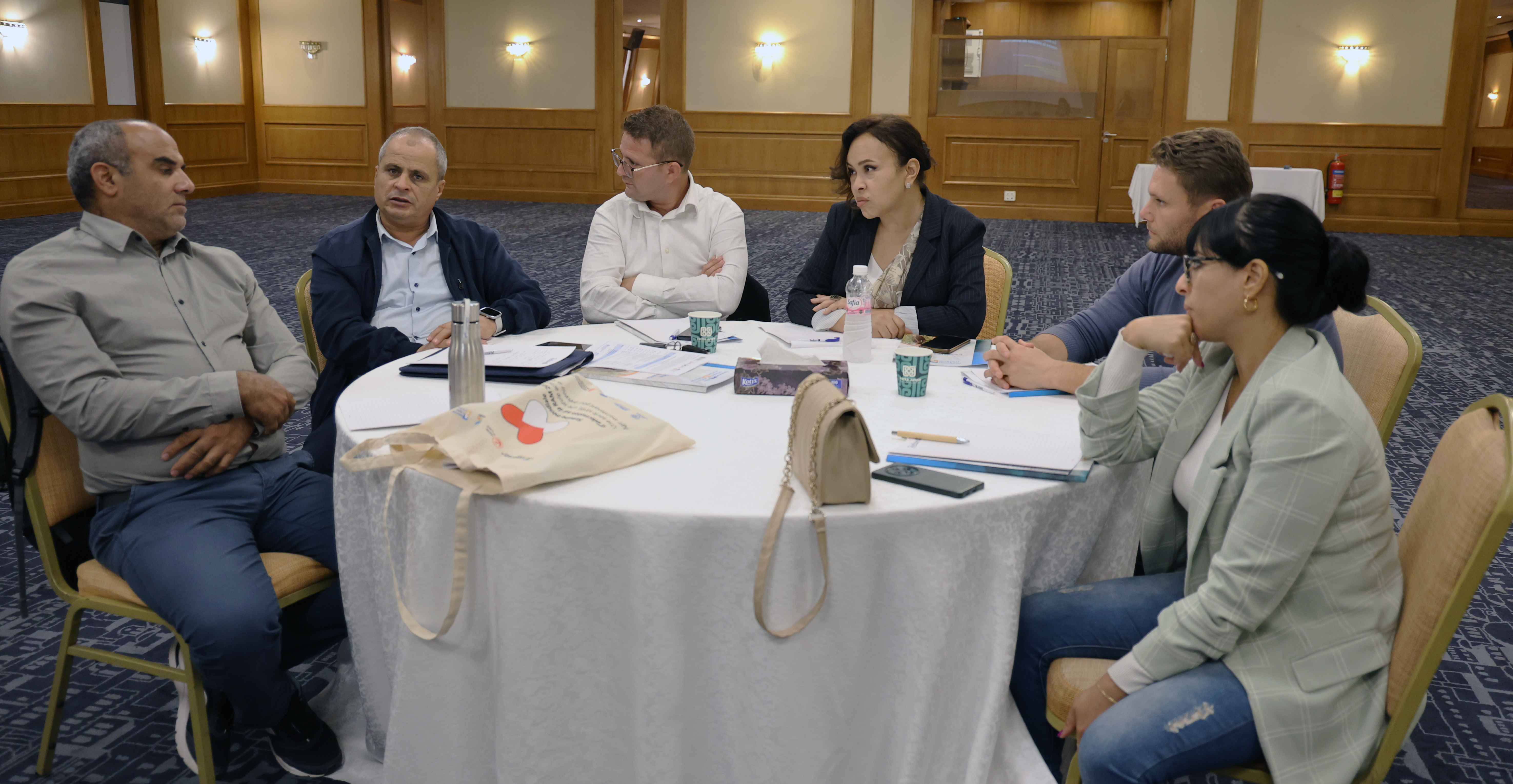
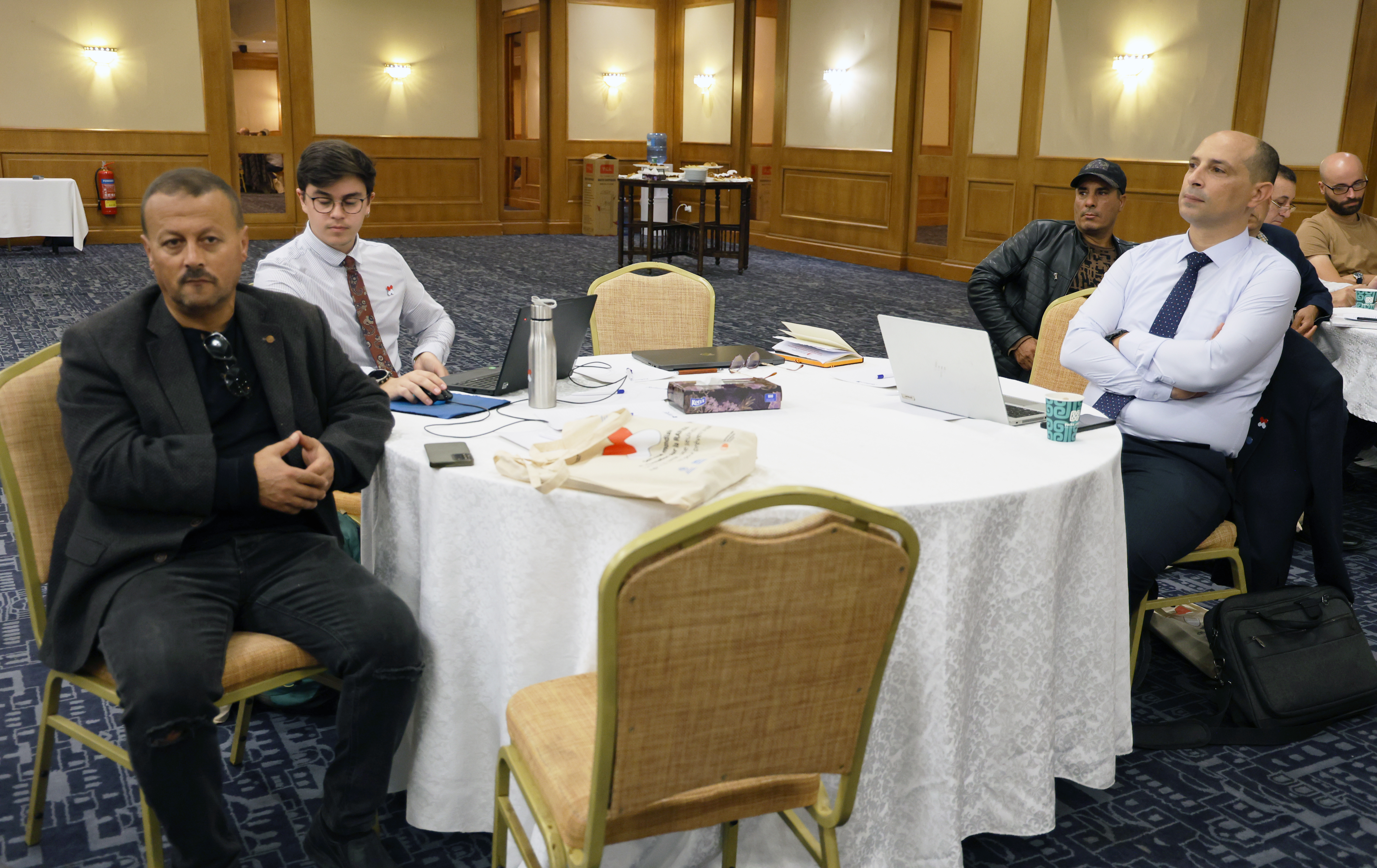
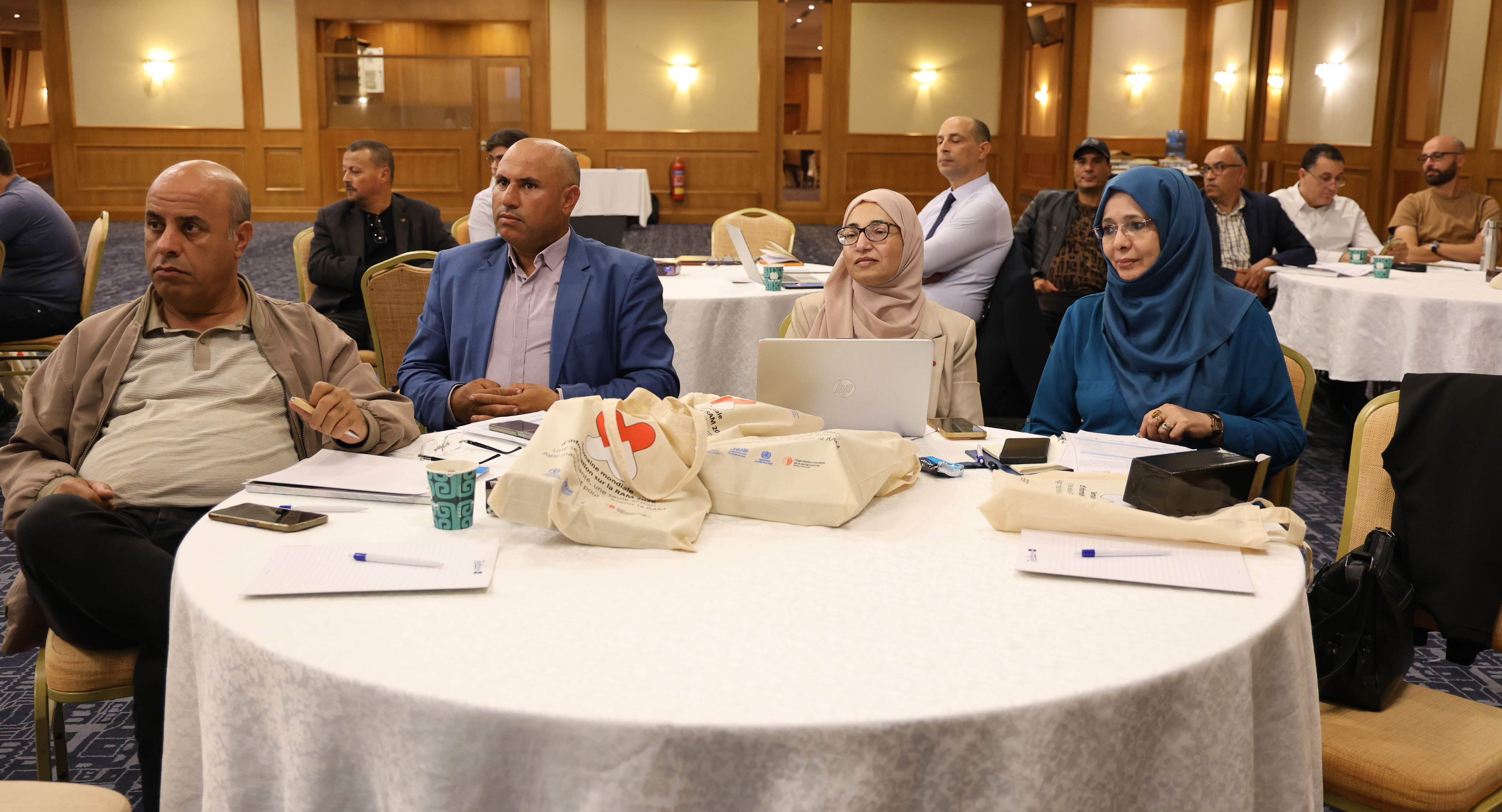
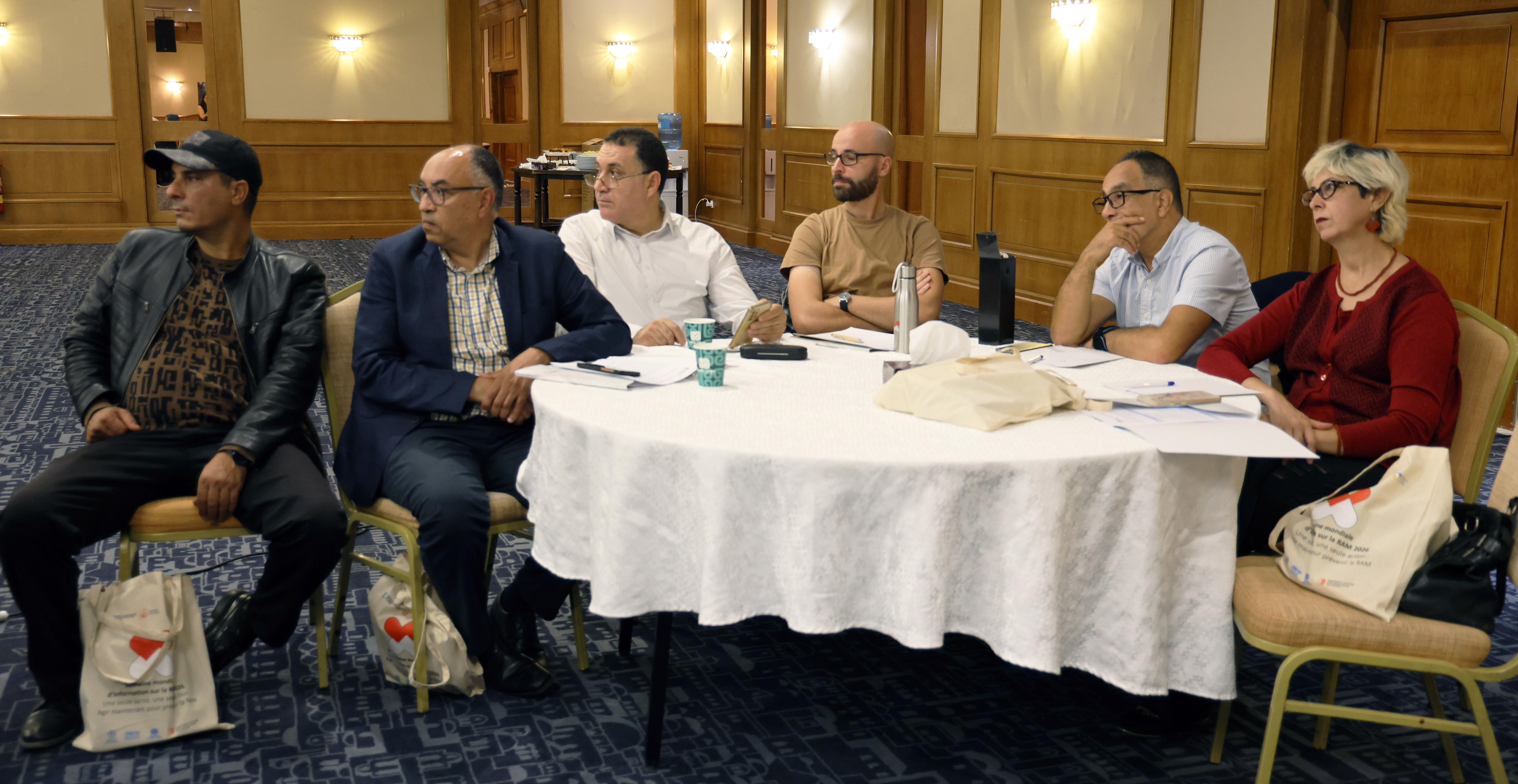
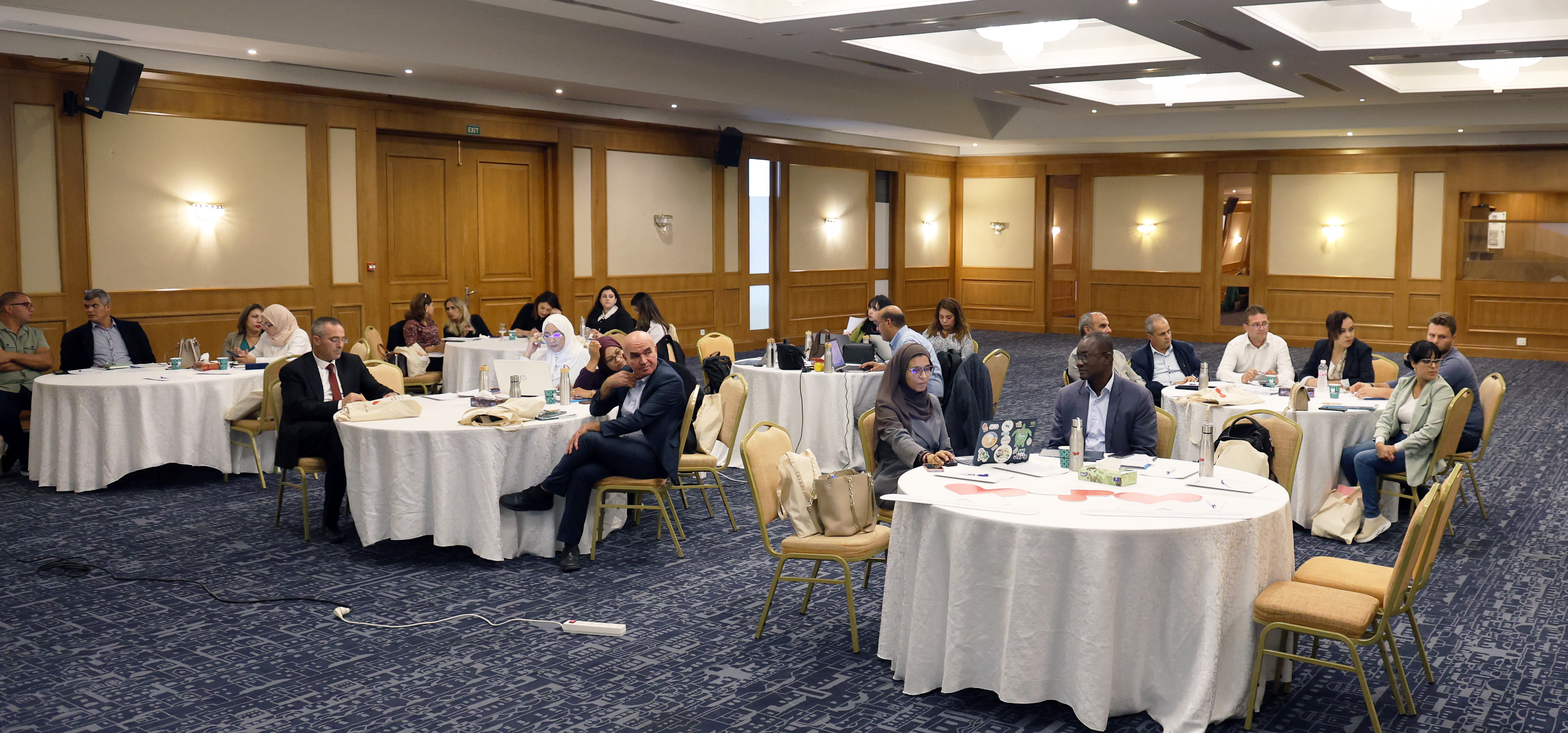
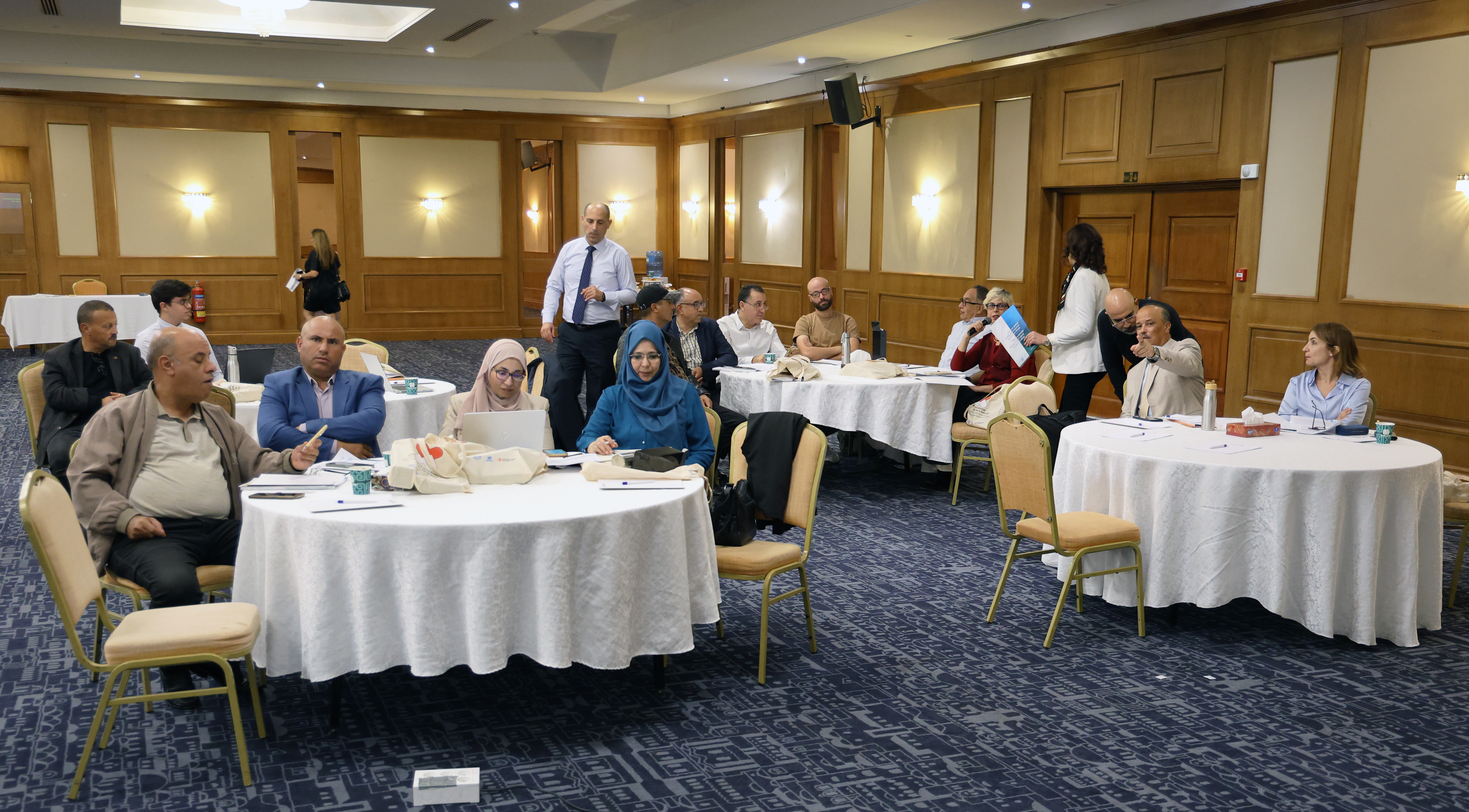
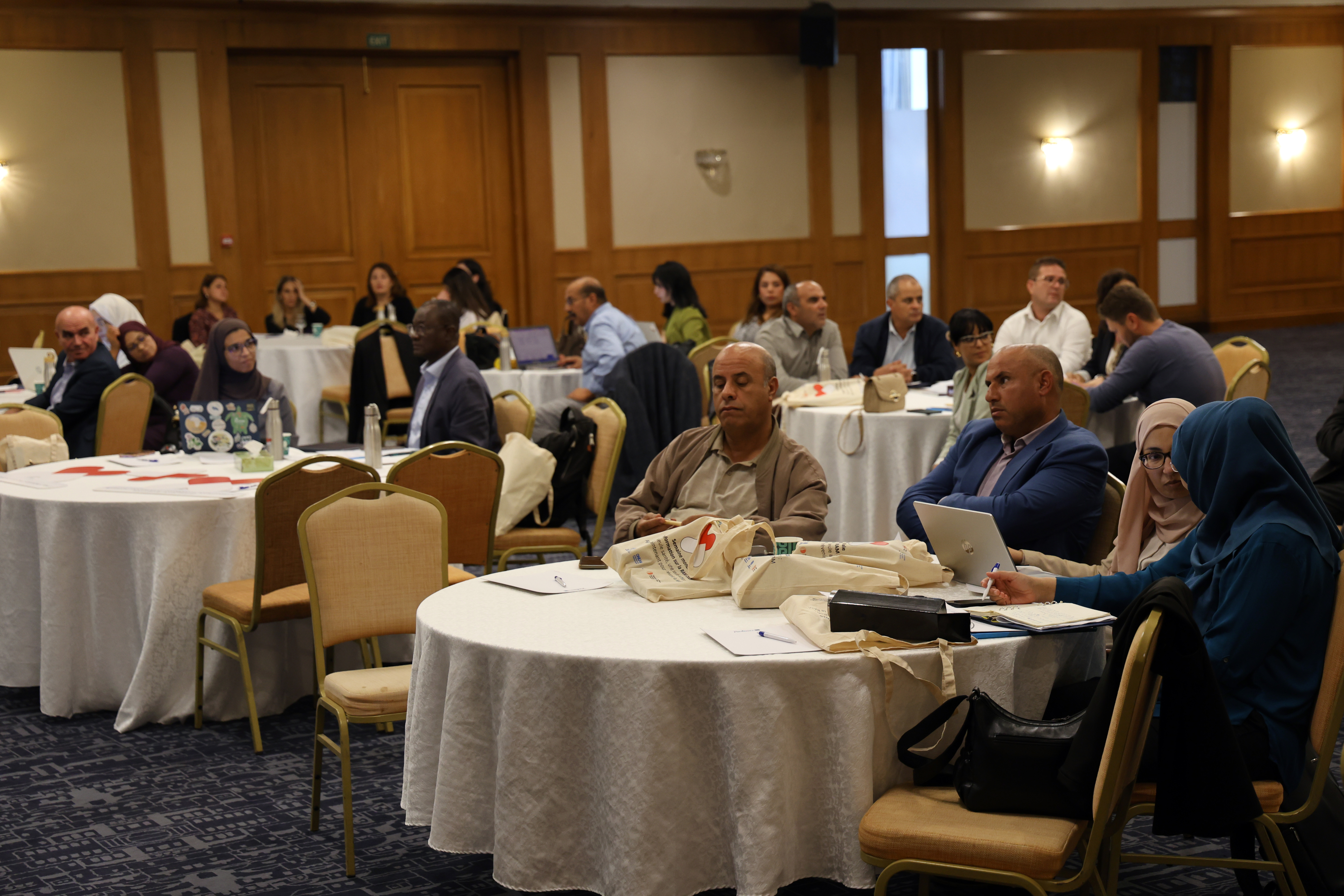
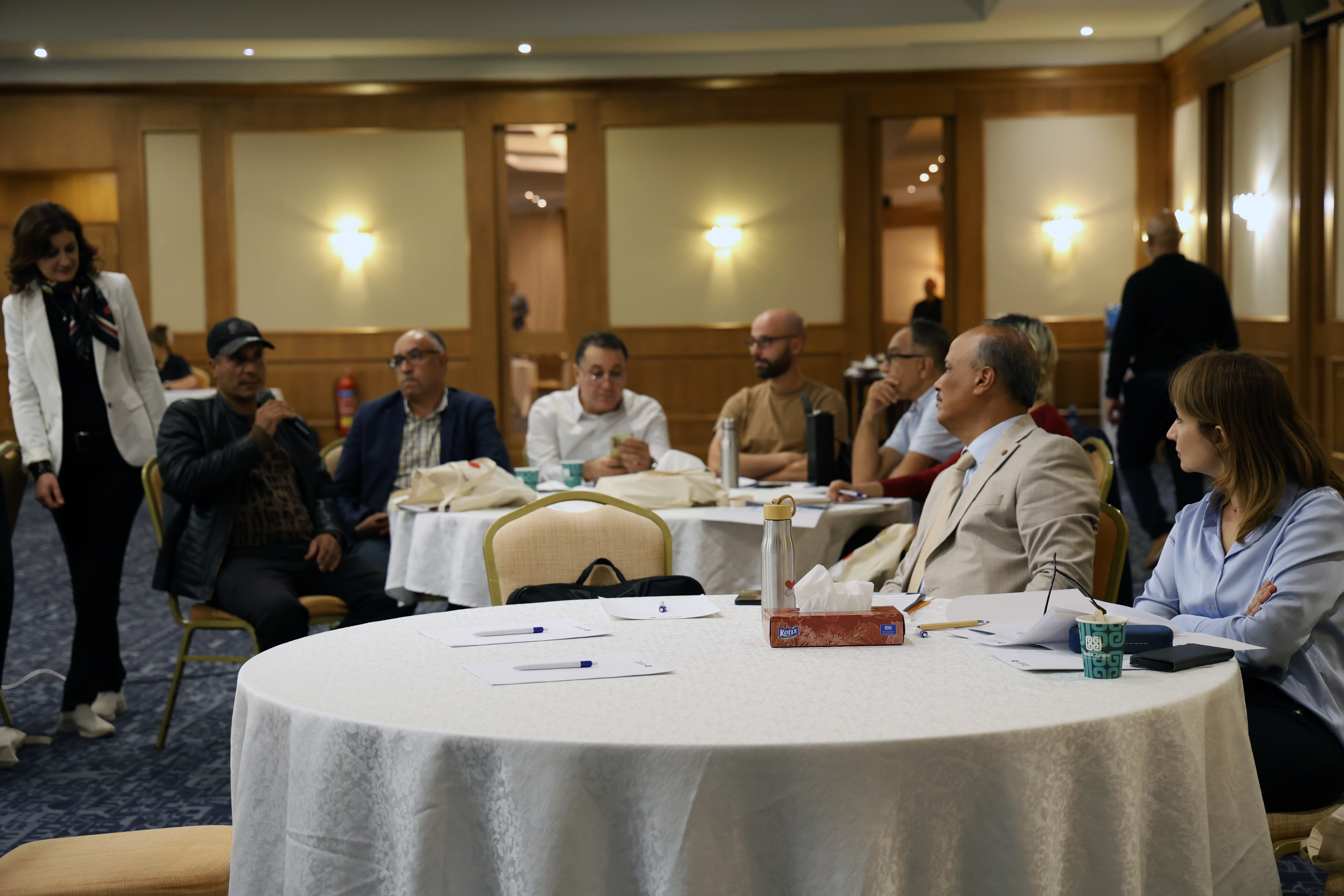
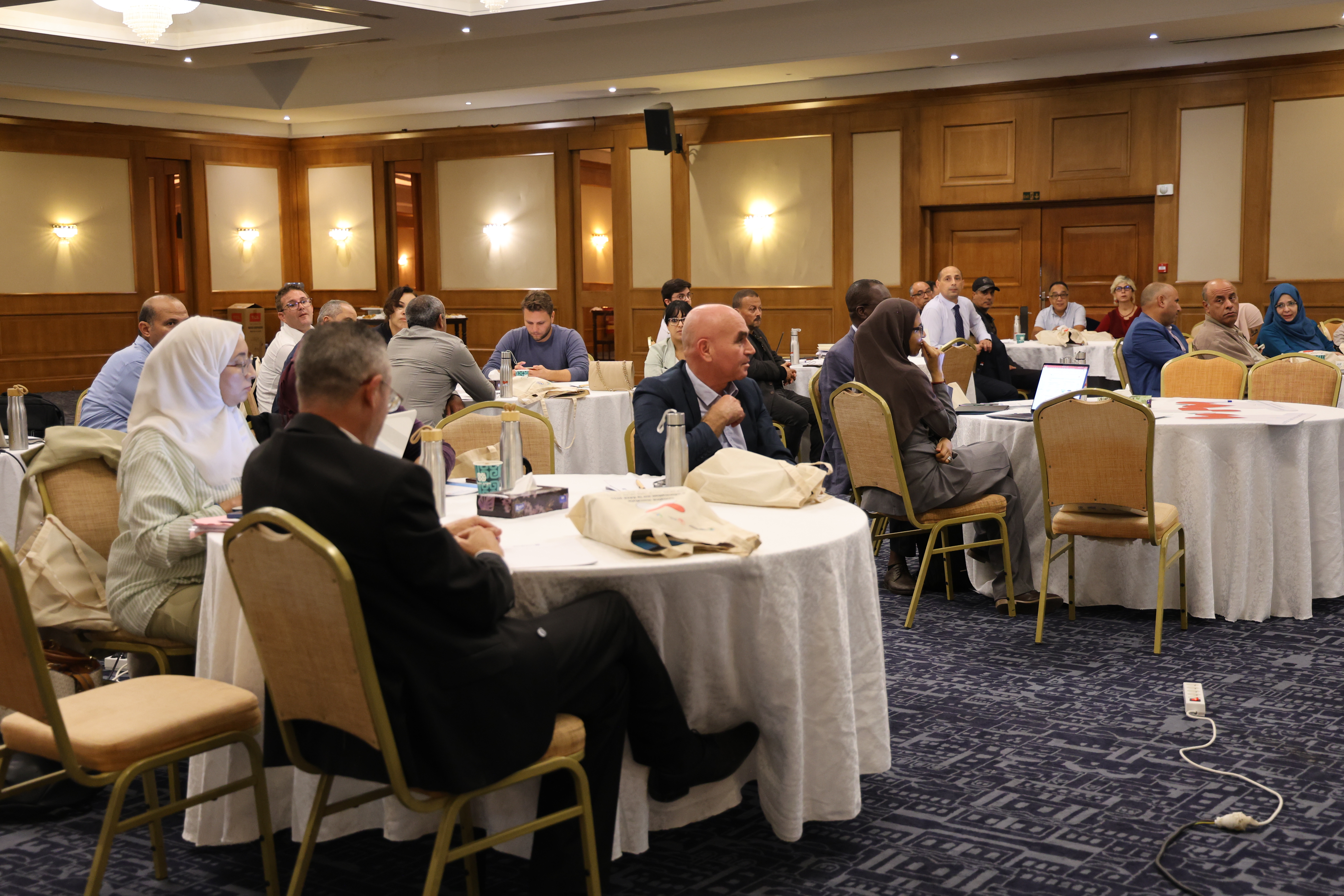
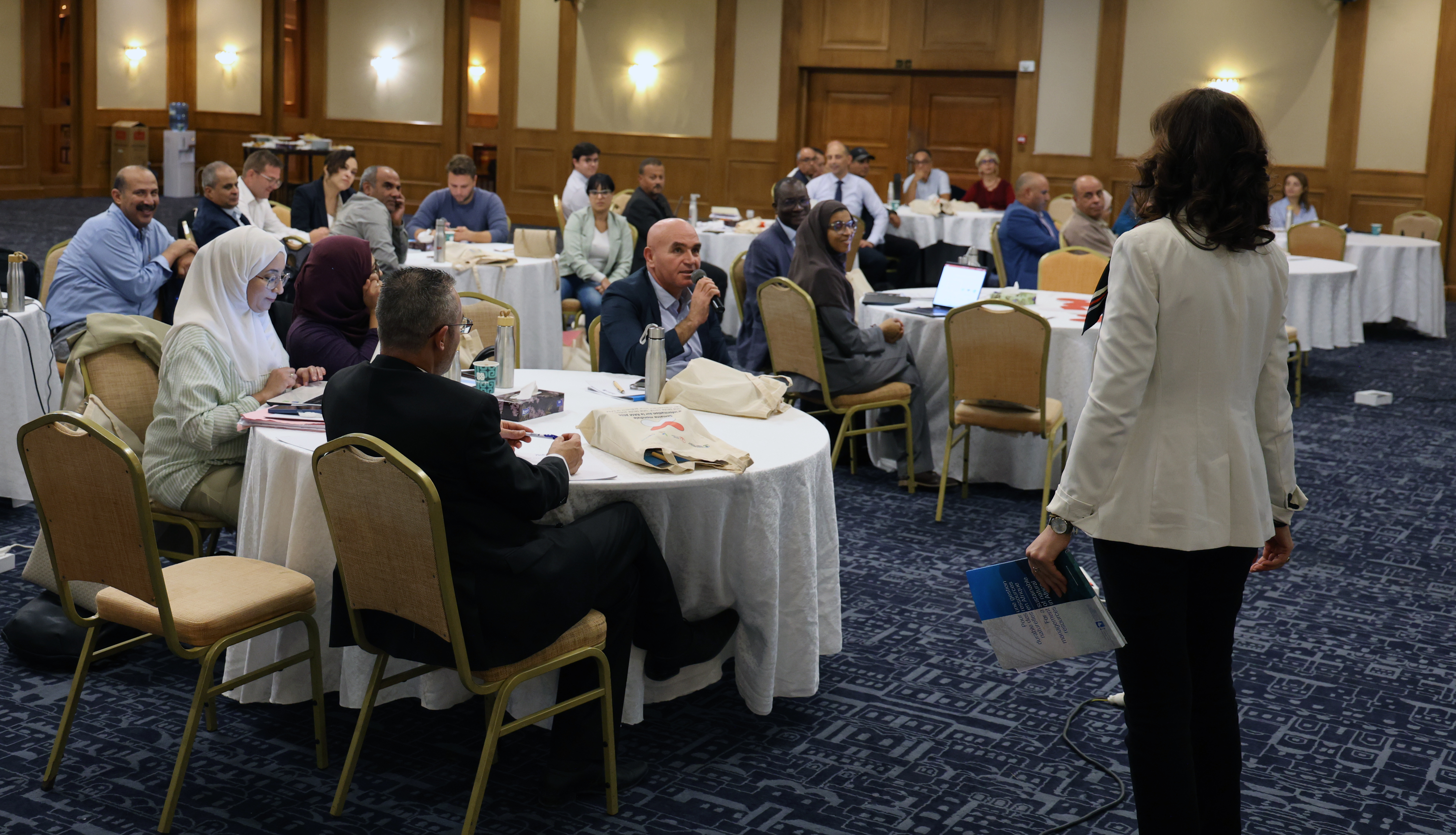
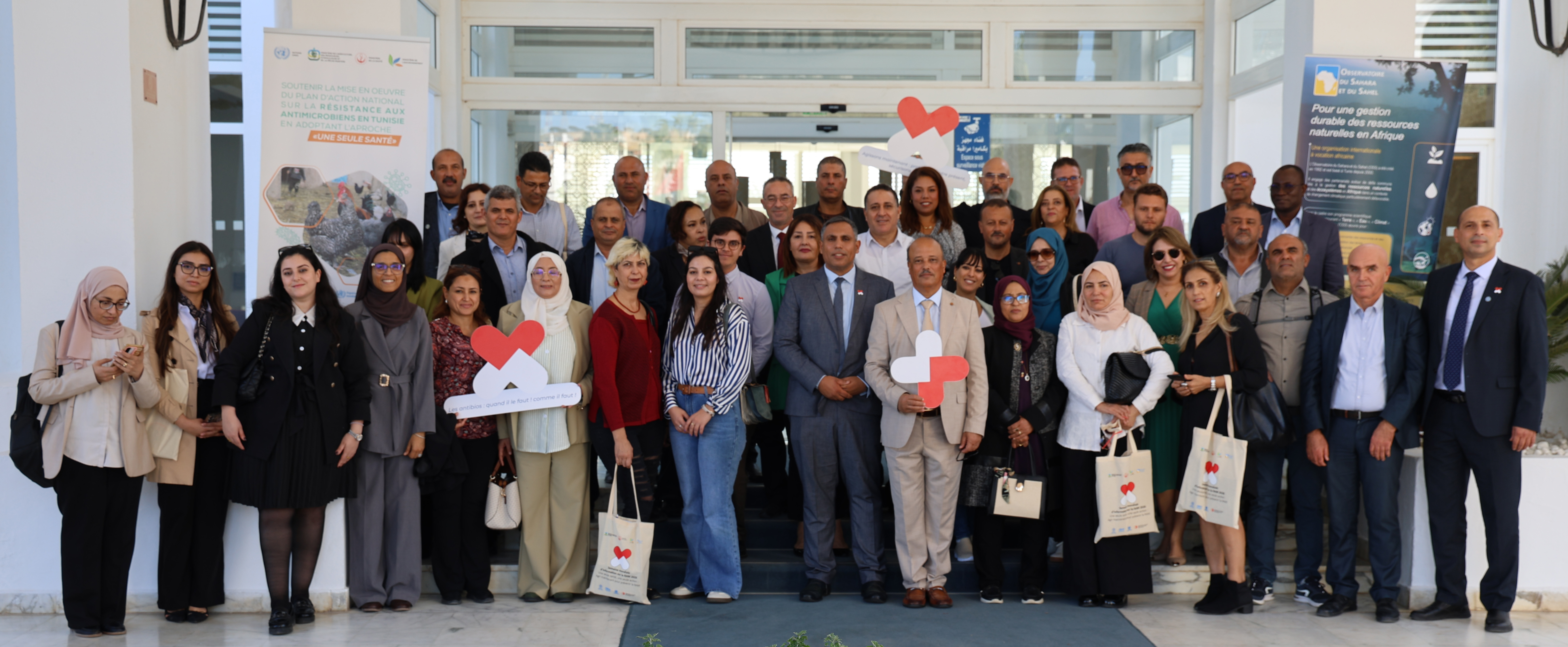
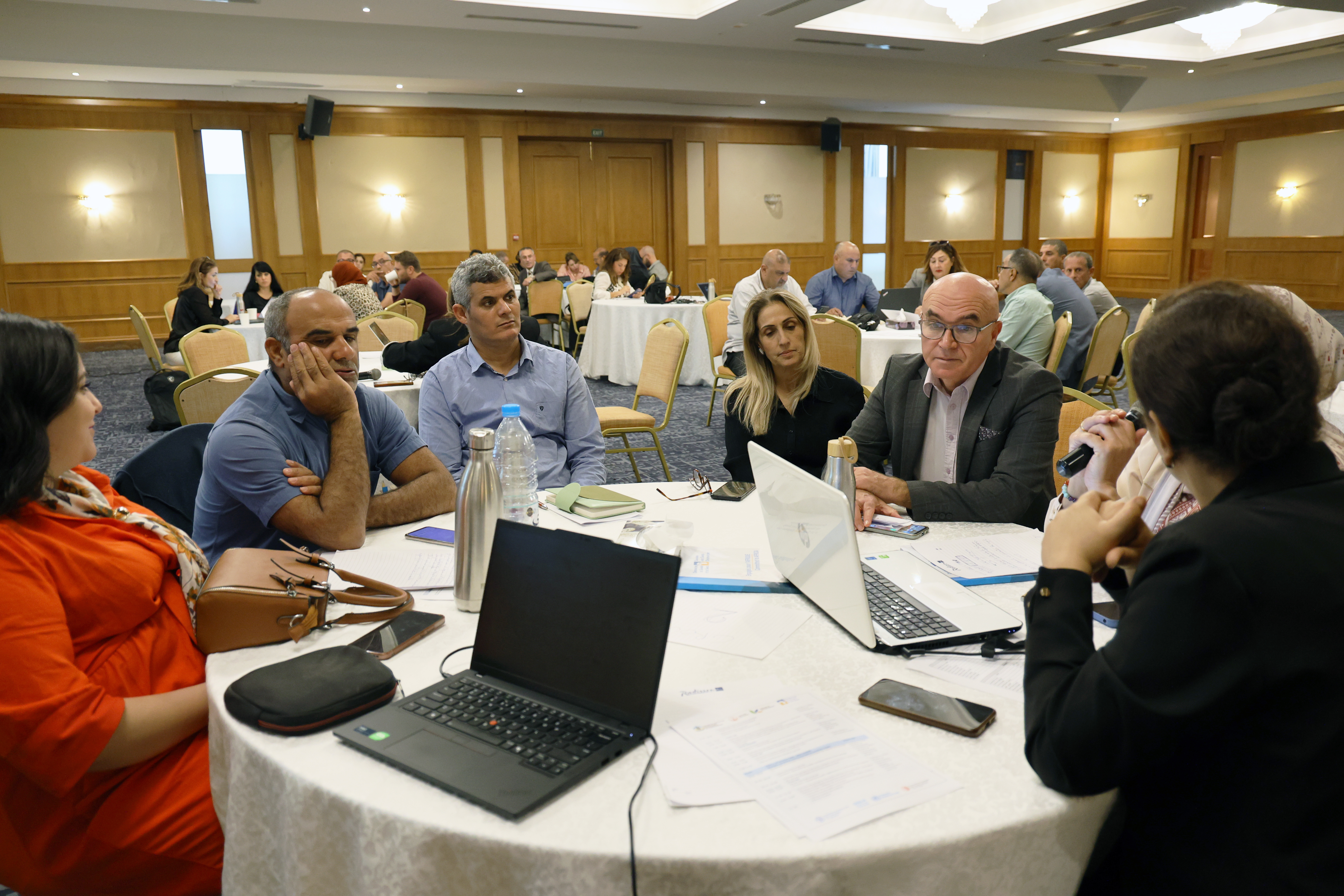
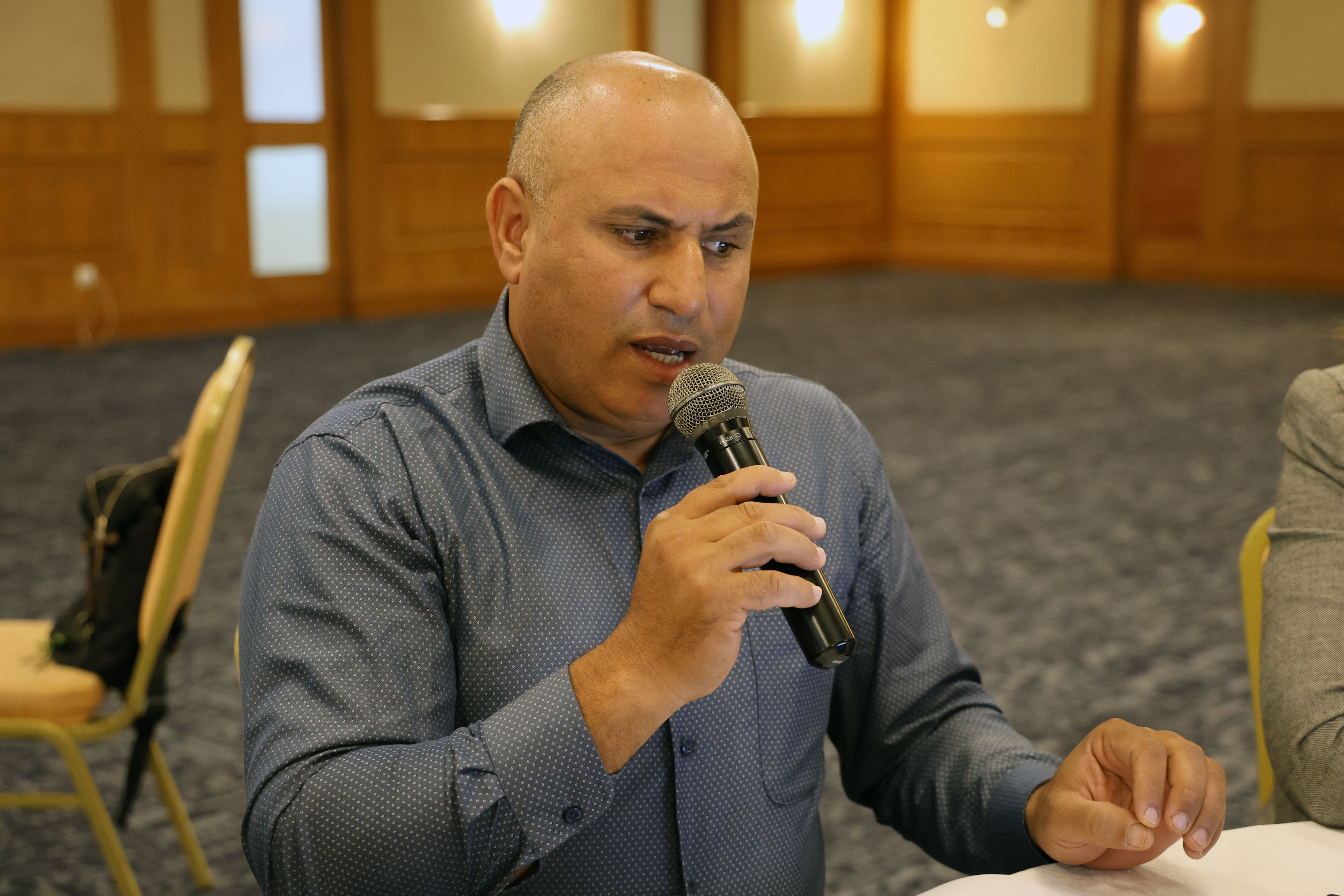
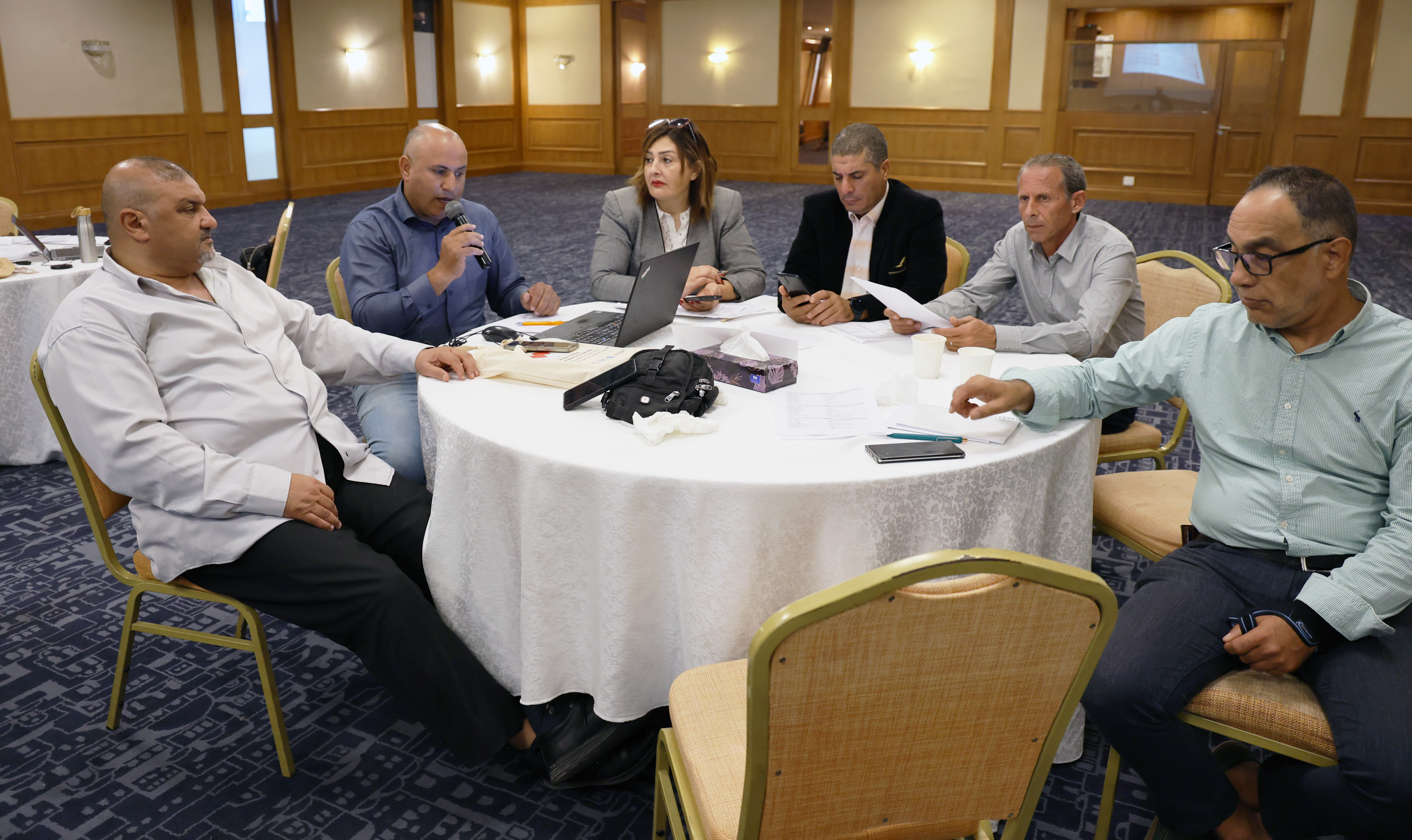
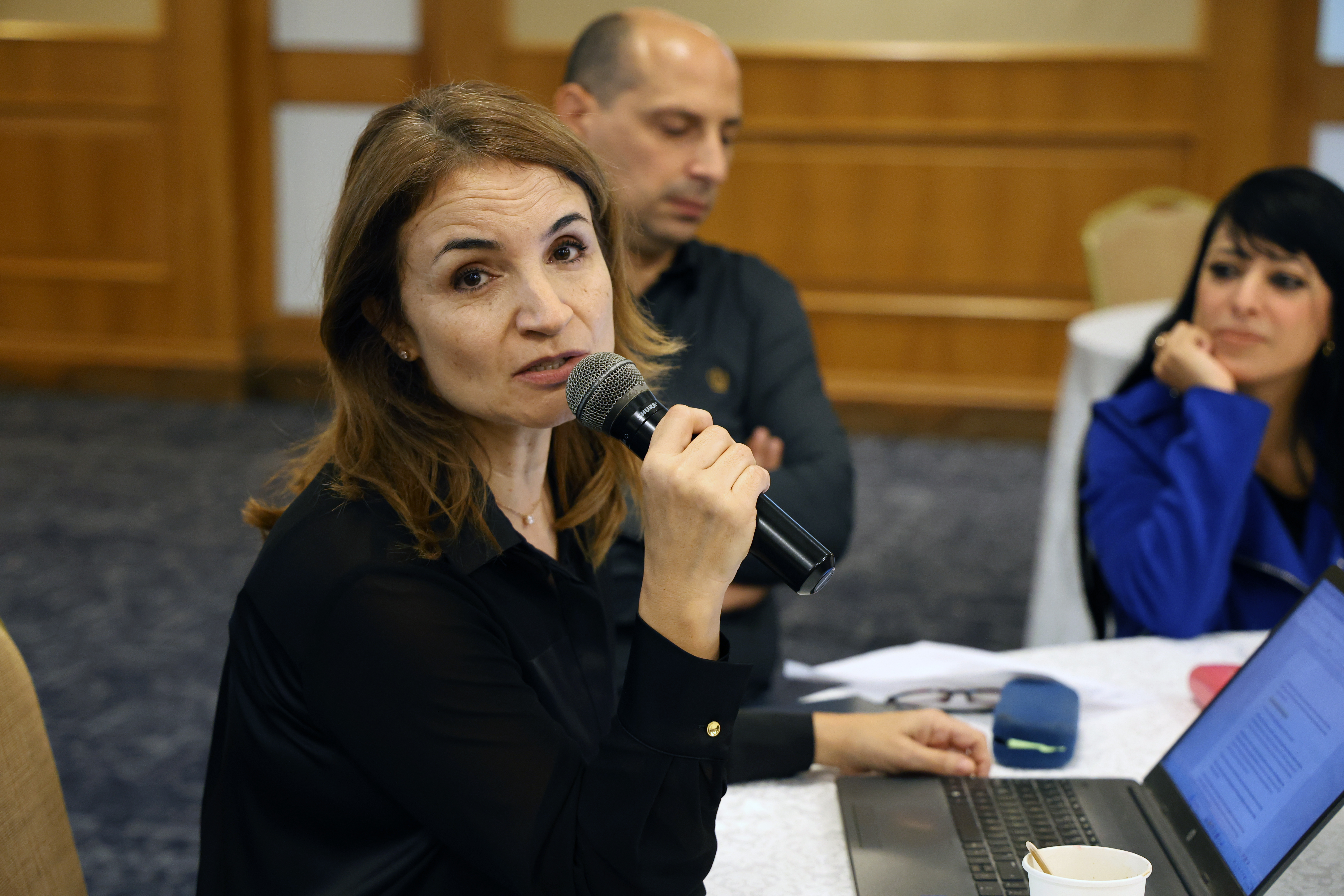
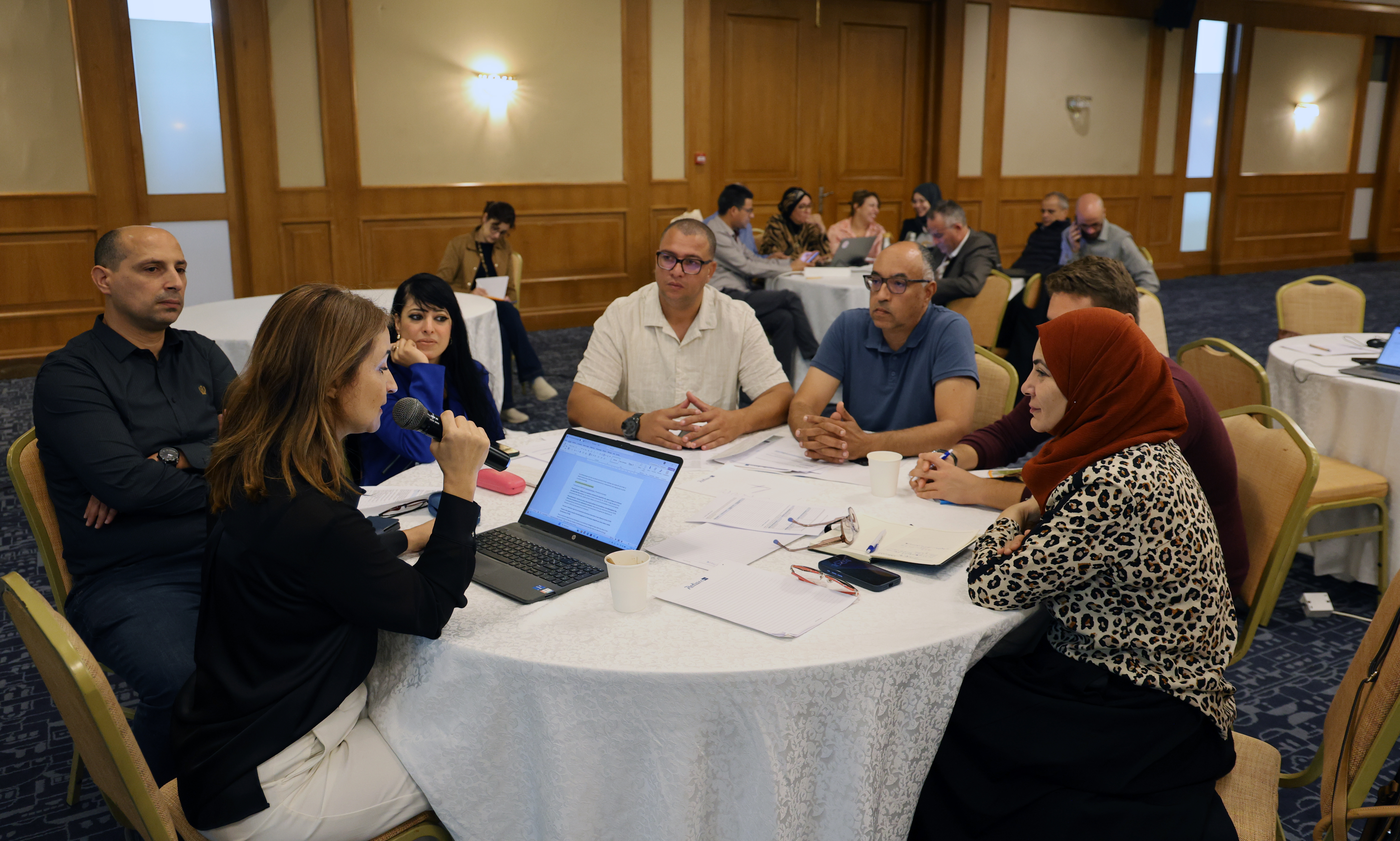
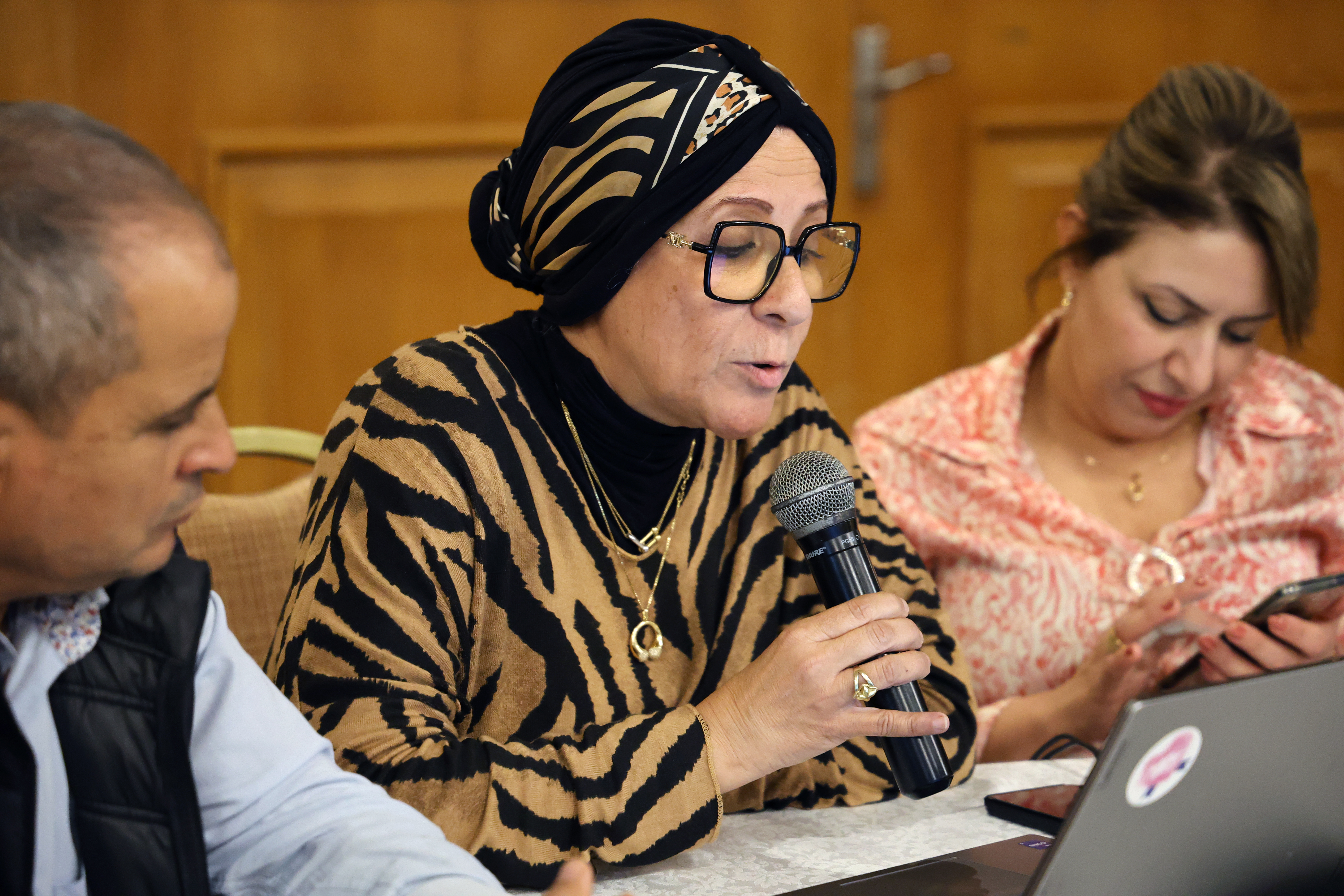
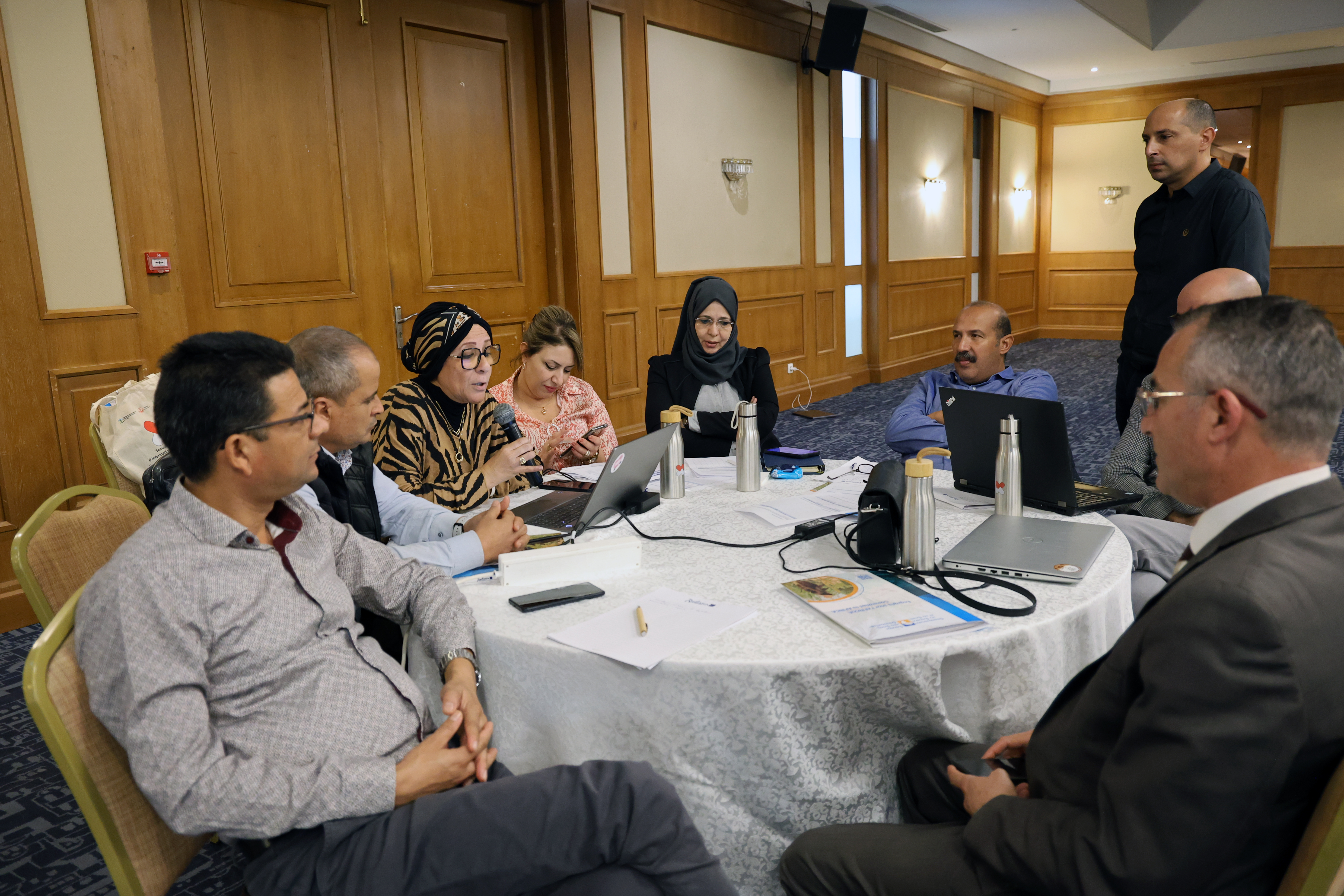
It is within this context that the national workshop on integrating the environmental dimension into the fight against AMR in Tunisia is being held from 16 to 18 November 2026 in Hammamet. Organized by the Tunisian Ministry of Environment and the Sahara and Sahel Observatory (OSS), in collaboration with the United Nations Environment Programme (UNEP), the workshop brings together institutional representatives, experts, researchers and stakeholders from sectors involved in the One Health approach.
The opening session featured addresses by Mr. Nabil Hamada, Director at the OSS; Mr. Hatem Ben Belgacem, Director of Ecology and Natural Environments at the Ministry of Environment; Mr. Thomas Verbaere, representative of the United Nations Environment Programme (UNEP); and Mr. Soufien Sghaier, FAO consultant and coordinator of the AMR-MPTF project in Tunisia.
In his opening remarks, Mr. Nabil Hamada highlighted the importance of strengthening institutional and scientific cooperation to better address the interactions between the environment, biodiversity and health in national antimicrobial resistance strategies.
Mr. Hatem Ben Belgacem emphasized the environmental challenges associated with AMR and outlined national priorities aimed at strengthening the contribution of the environmental sector to these efforts.
For his part, Mr. Thomas Verbaere commended Tunisia's progress in this area. He stressed the importance of building on existing achievements and developing a realistic action plan based on national priorities and the capacities of the institutions involved.
Mr. Soufien Sghaier recalled the role of this initiative in supporting national efforts to combat AMR. He particularly emphasized the need for cross-sectoral coordination and stronger integration of the environmental dimension into the national response.
Antimicrobial resistance occurs when microorganisms develop resistance to treatments that were previously effective. While this phenomenon poses a major threat to human and animal health, the environment can also contribute to the selection and spread of antimicrobial resistance.
Wastewater discharges, livestock effluents and other human activities, together with inadequate management of antimicrobial residues, can promote the presence and circulation of resistant bacteria and resistance genes in natural environments.
Aquatic and terrestrial ecosystems, as well as wildlife, are important components to consider when monitoring AMR. Addressing this environmental dimension requires stronger scientific knowledge, enhanced surveillance systems and improved coordination among institutions.
In Tunisia, this momentum is part of the process of updating the National Action Plan on Antimicrobial Resistance (NAP-AMR 2026), developed under the One Health approach. Following a national validation phase of its strategic directions, the current challenge is to translate environmental priorities into concrete actions.
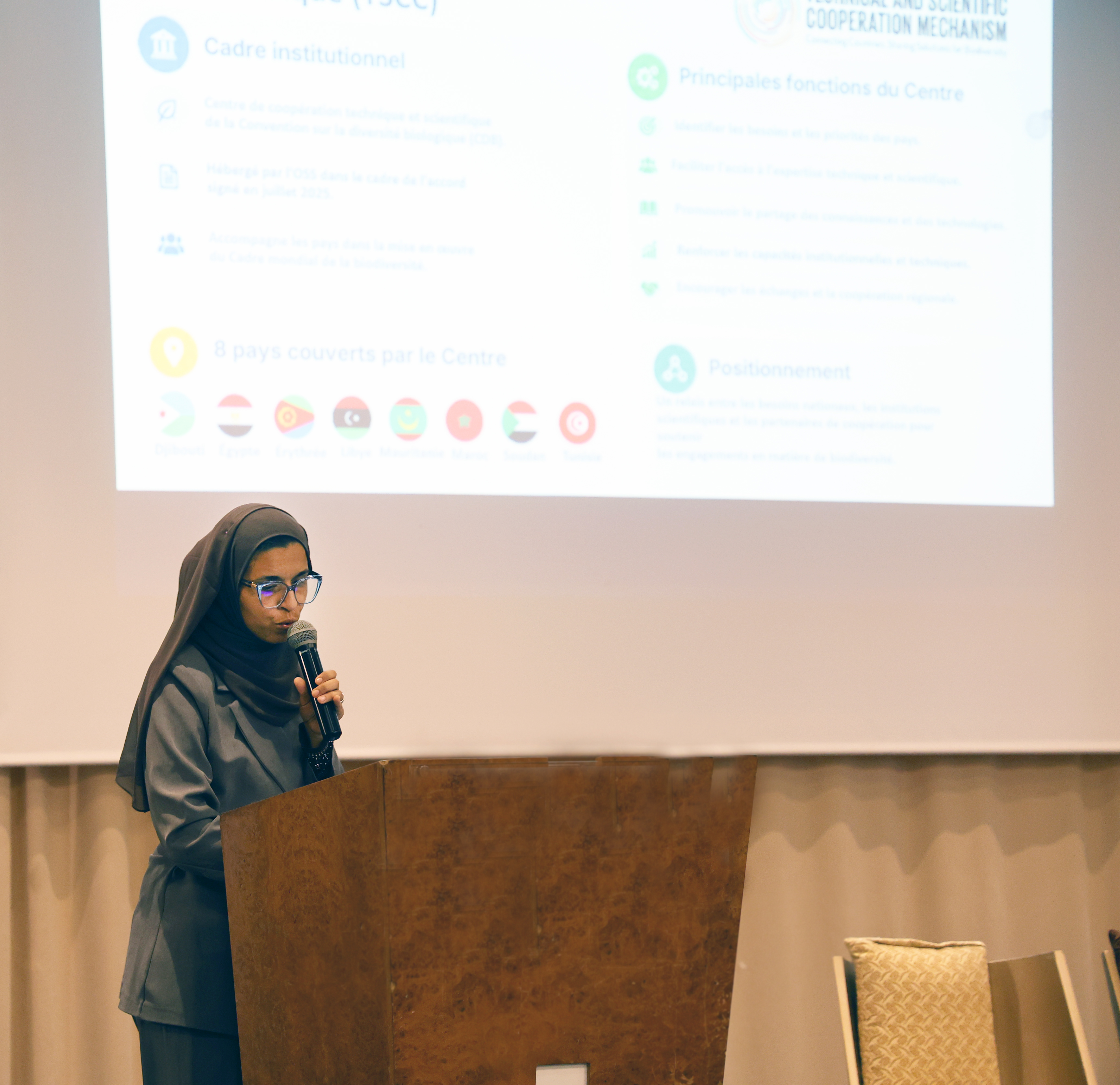
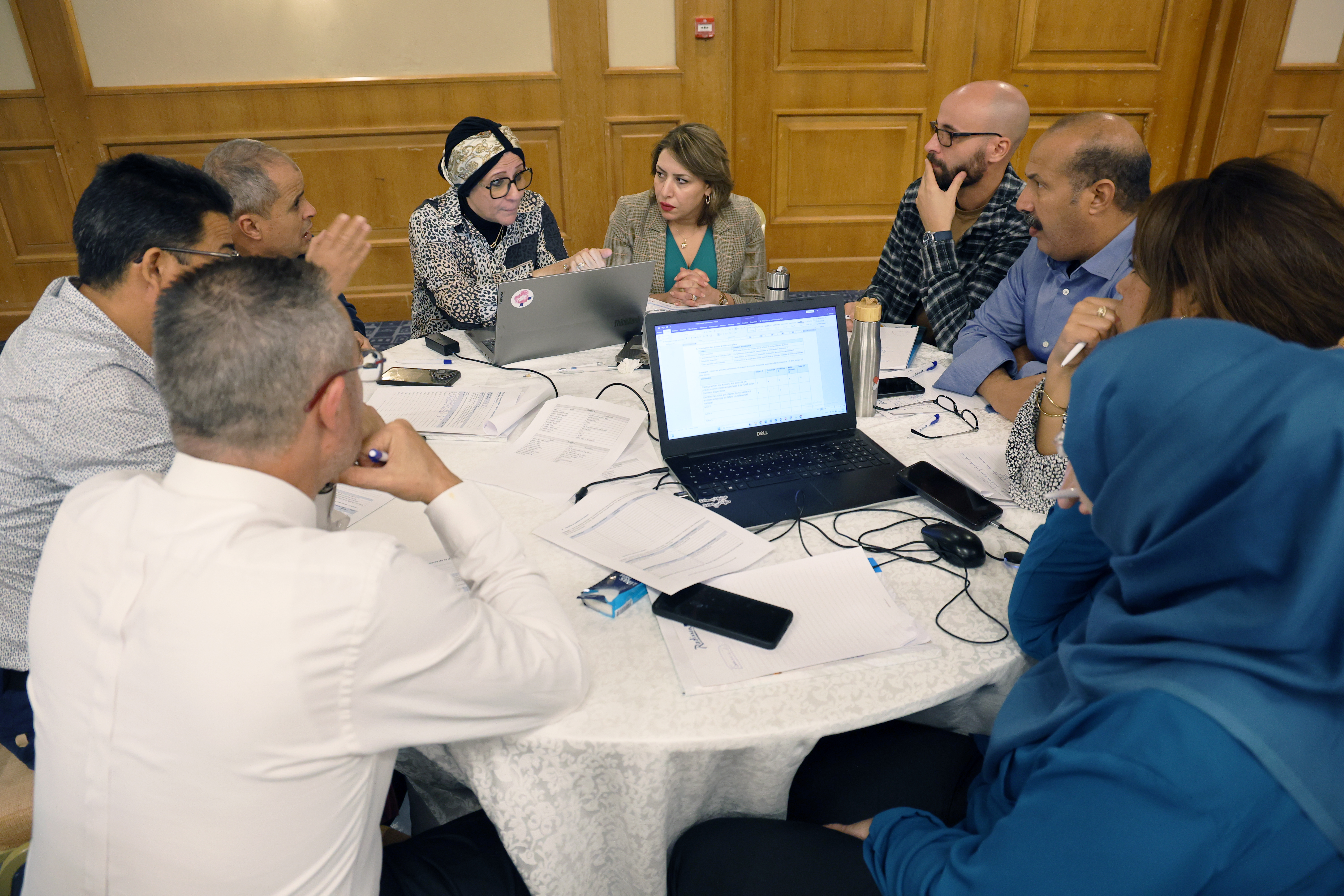
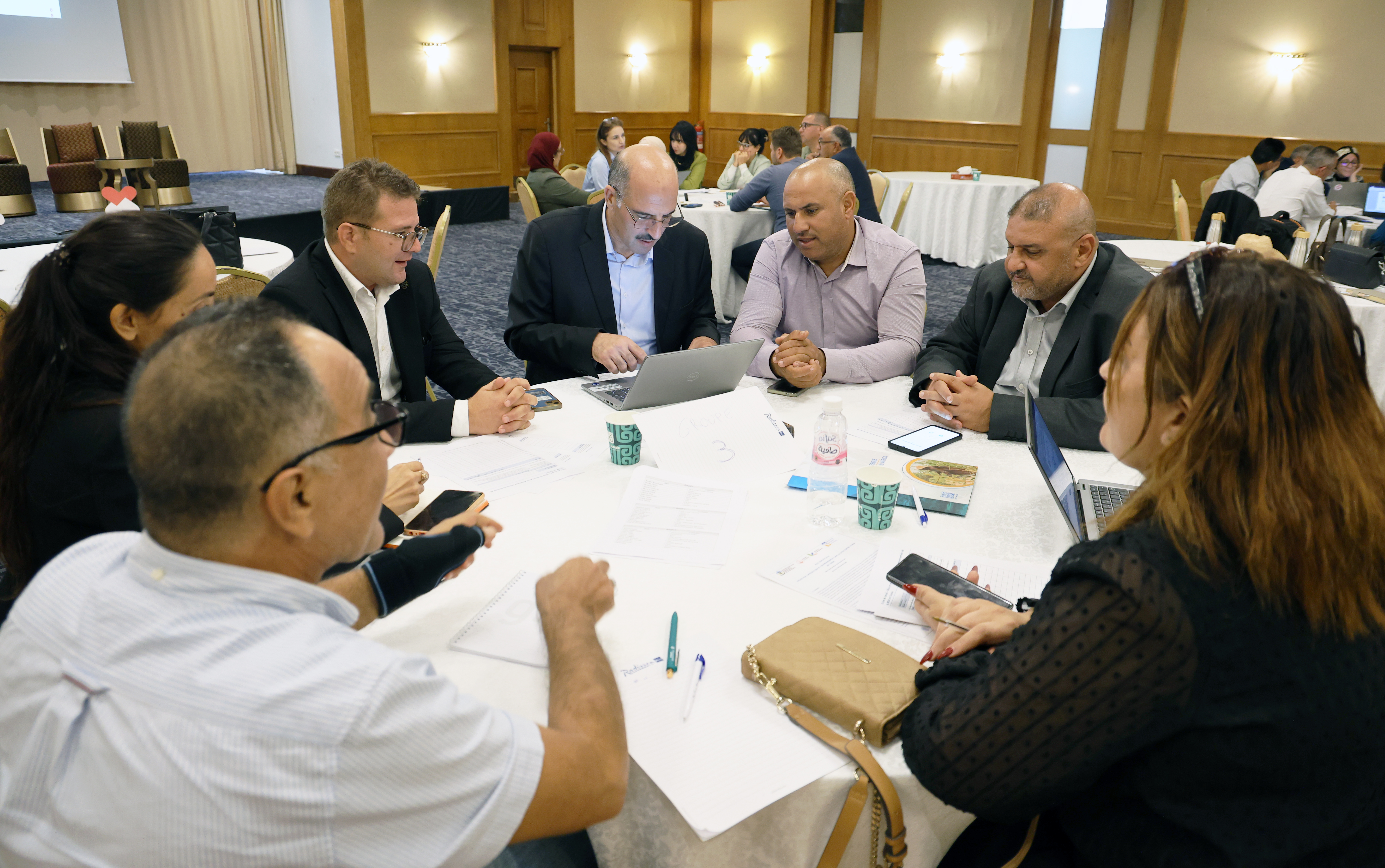
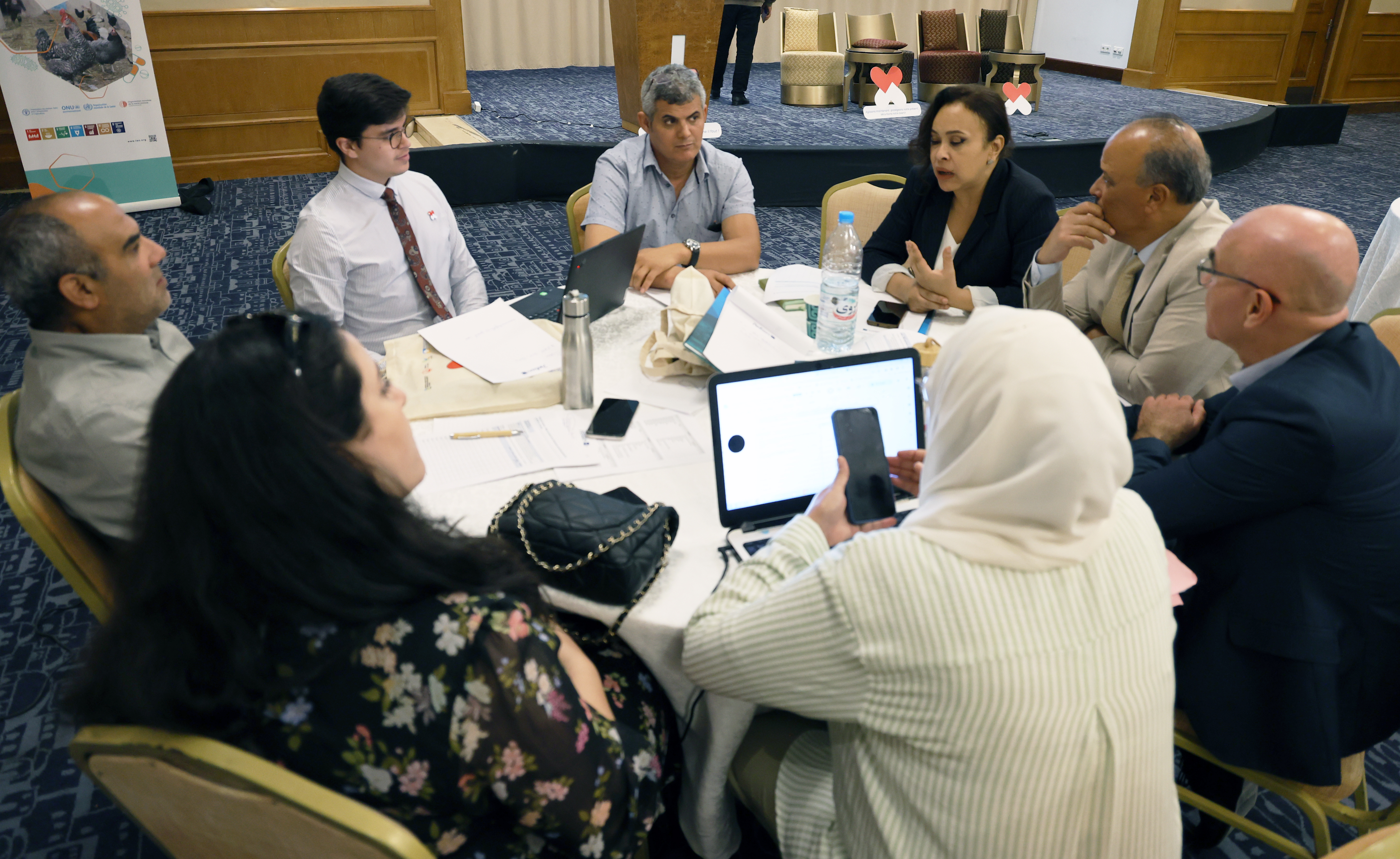
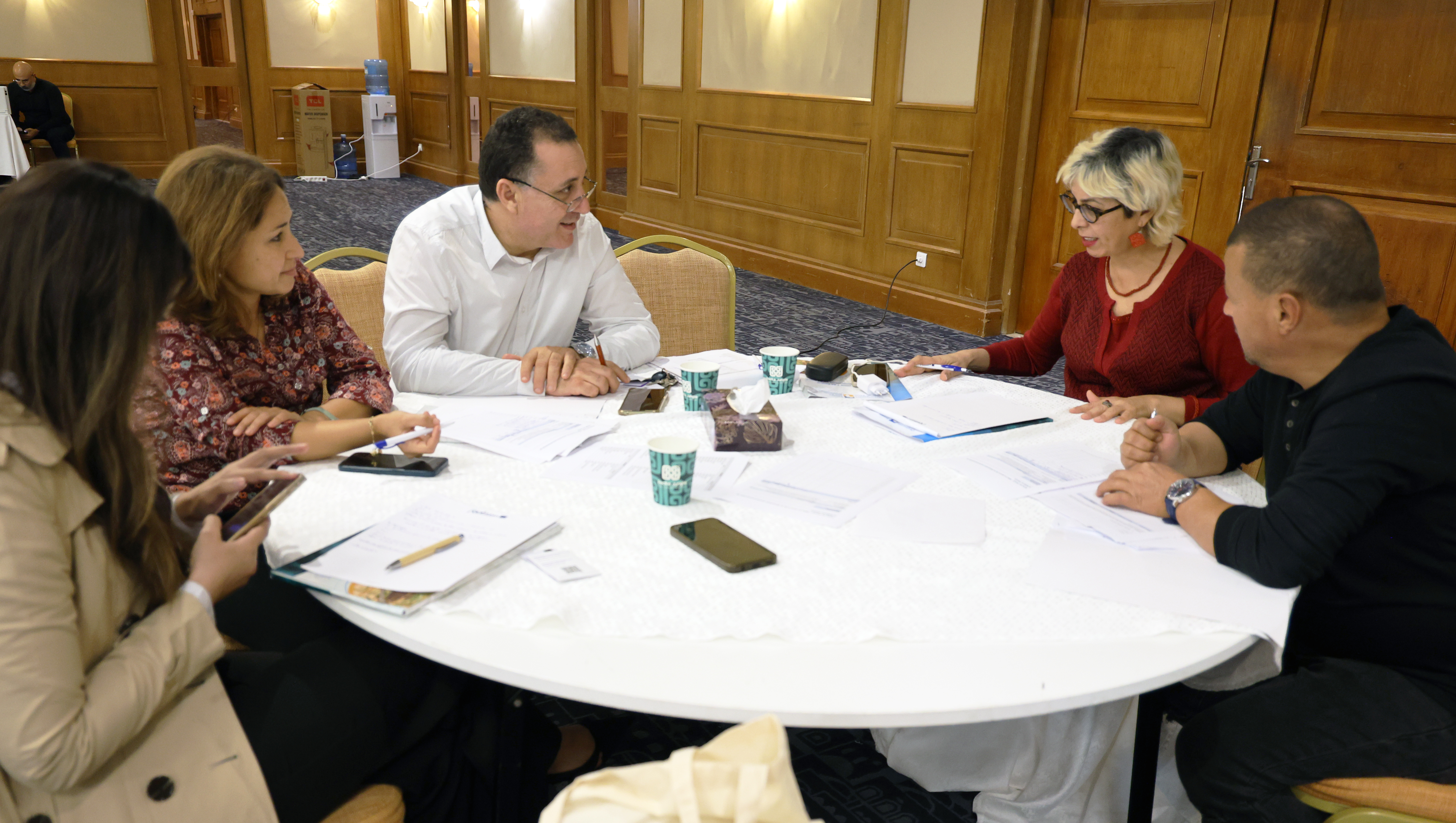
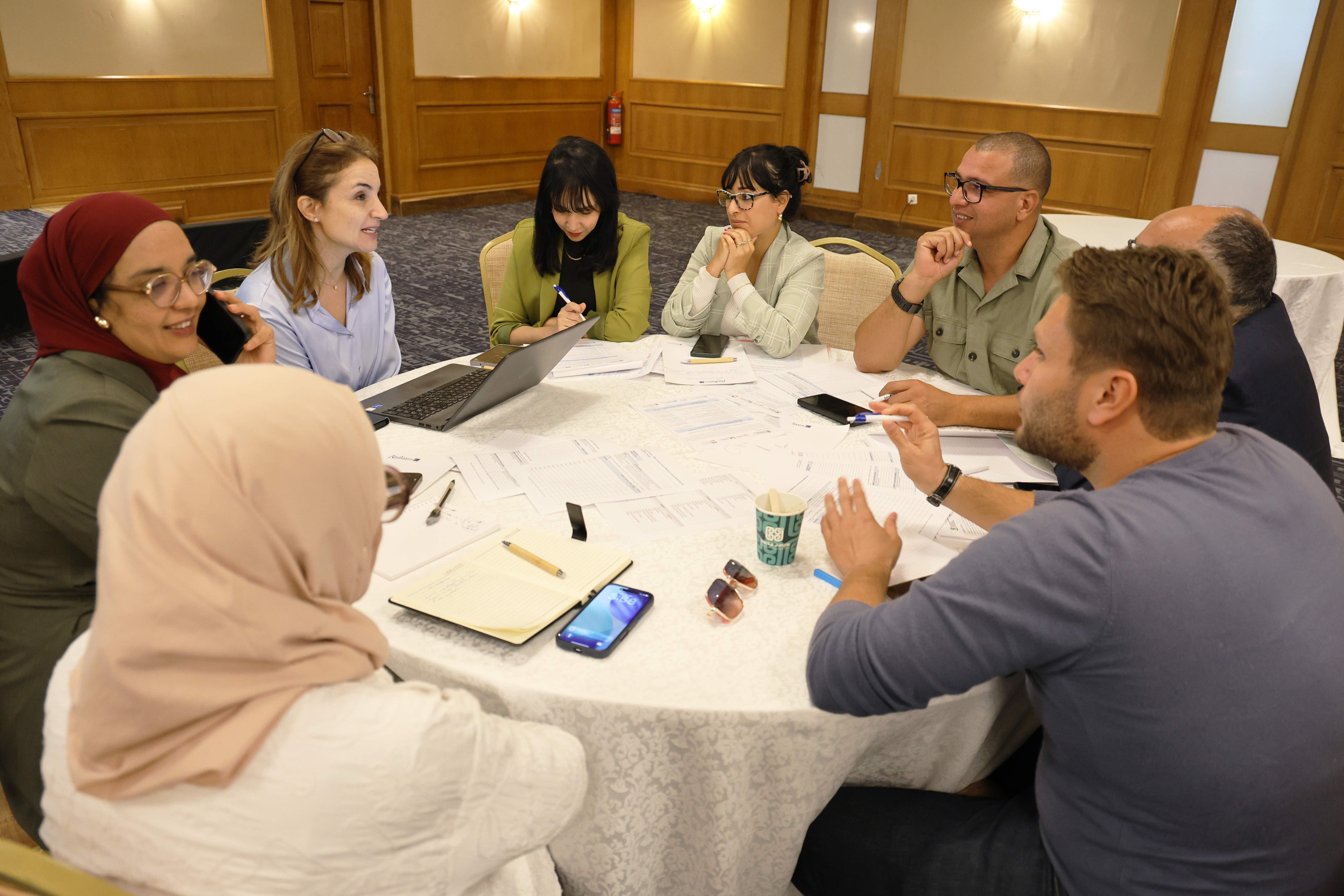
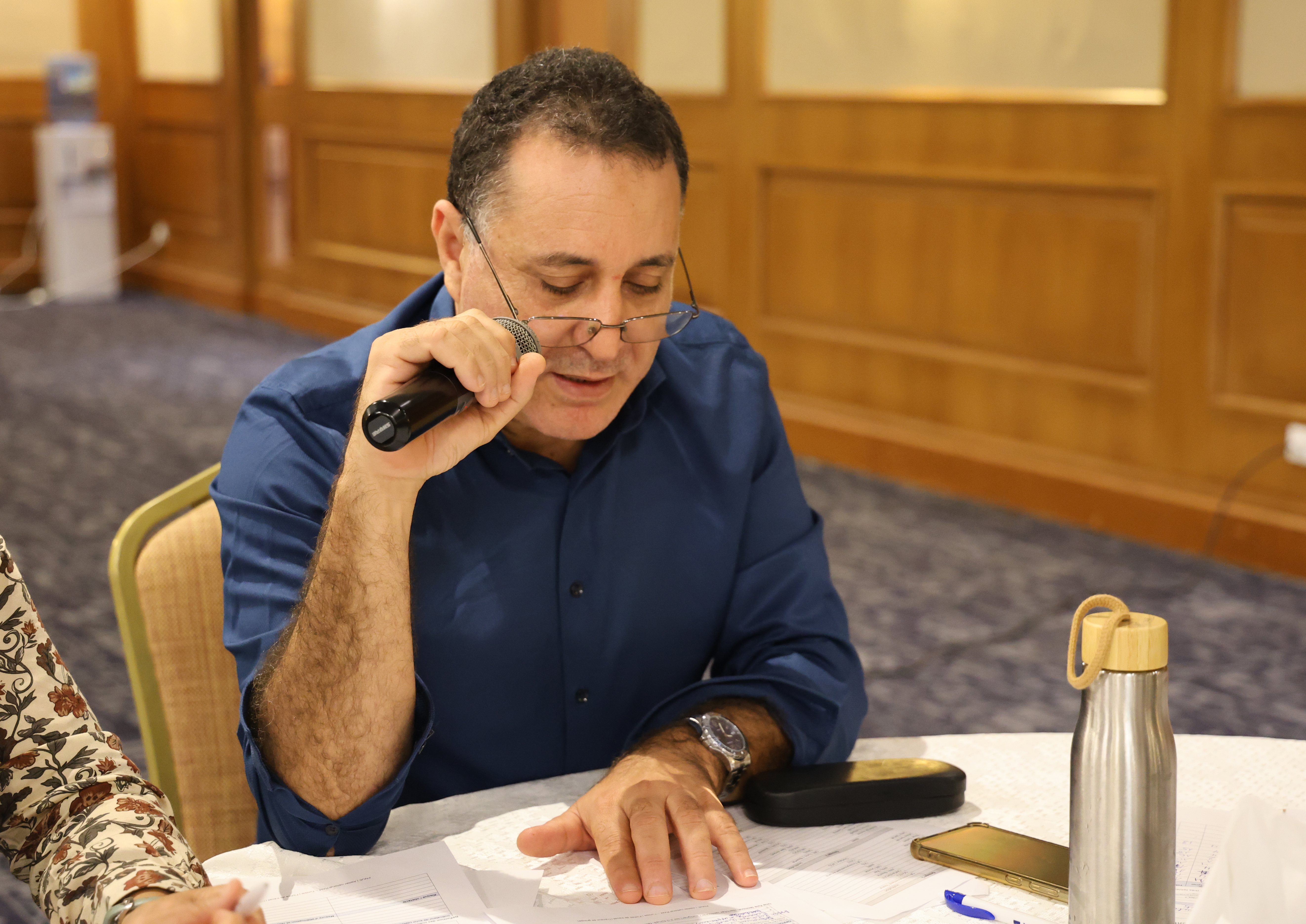
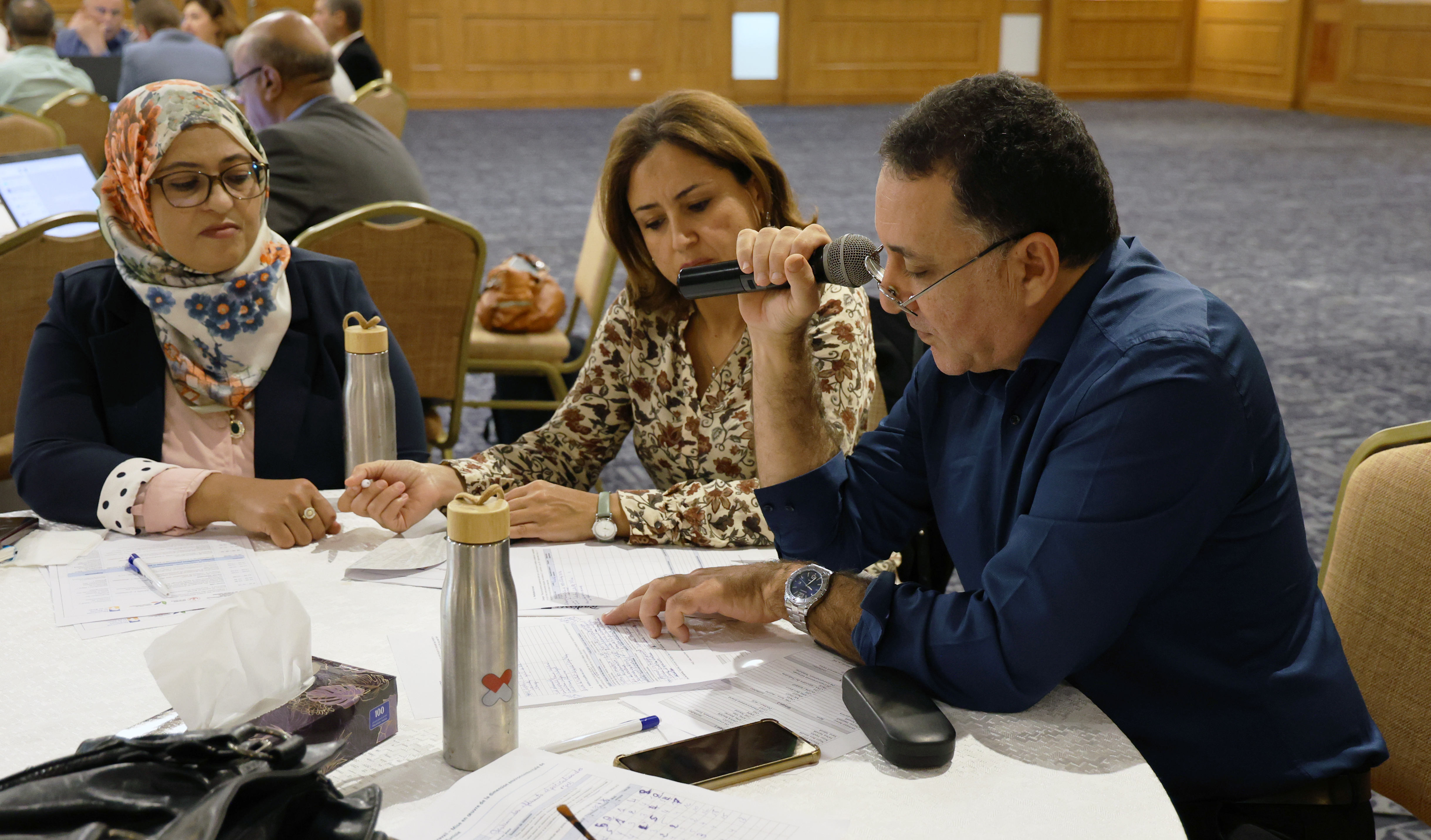
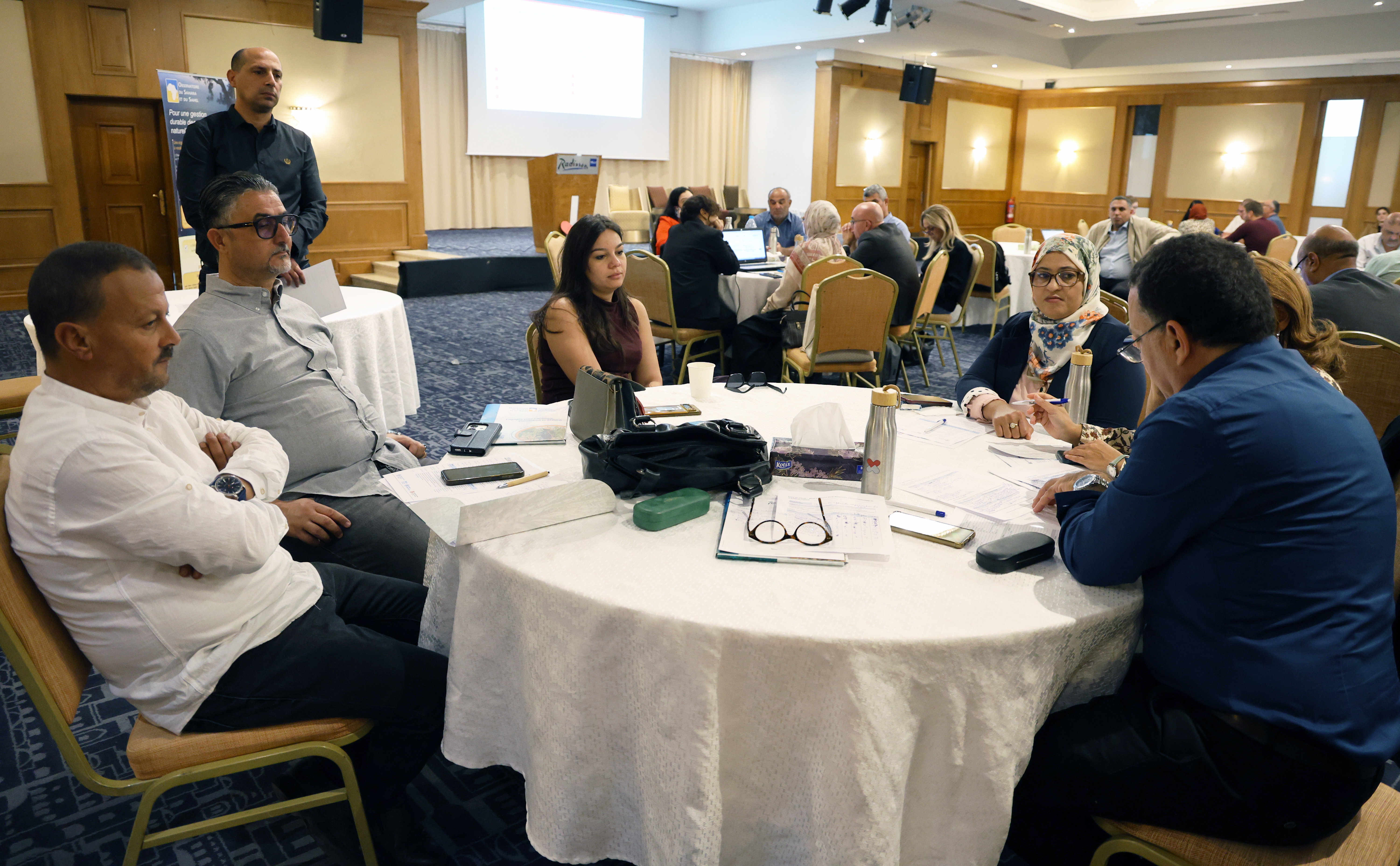
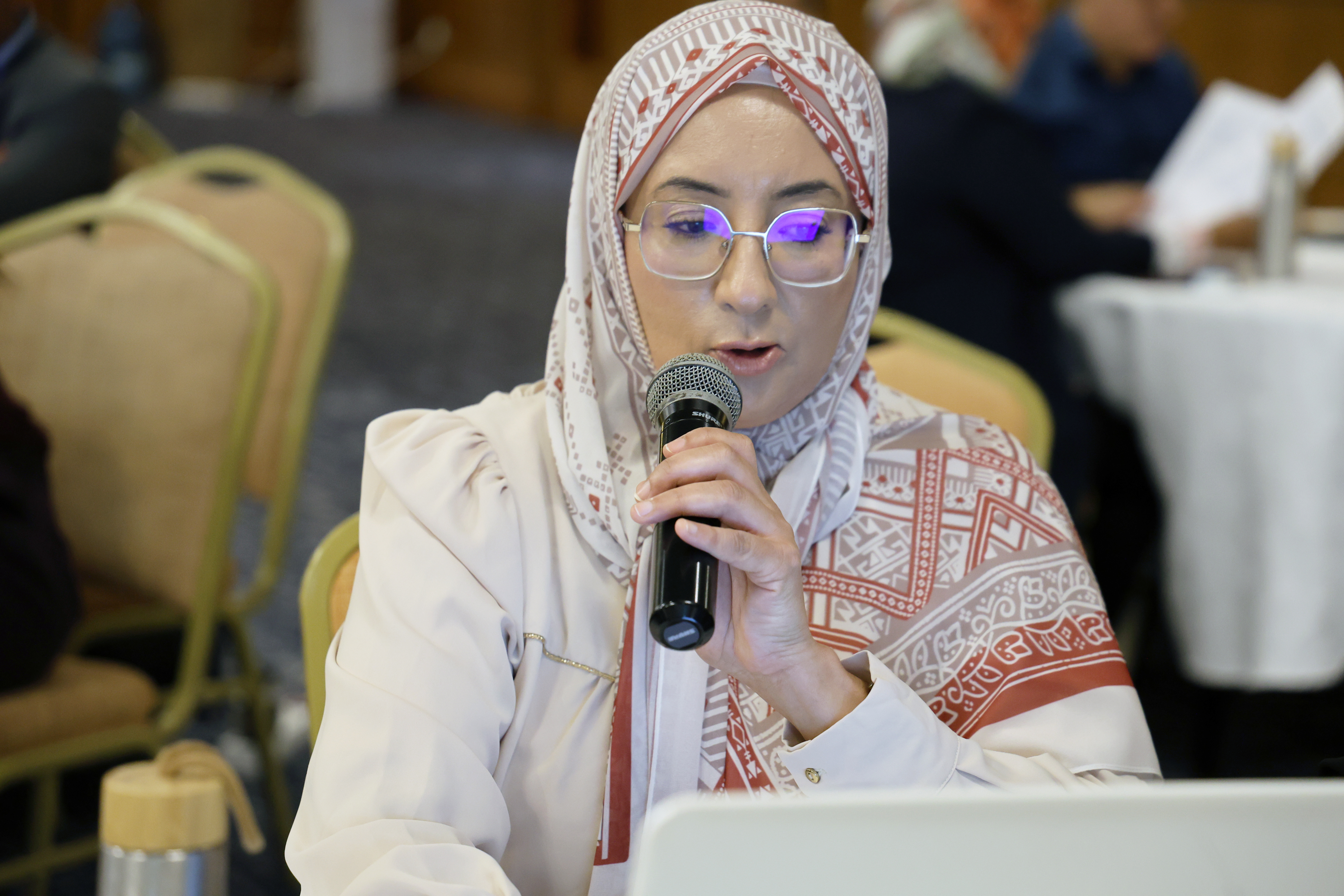
Over three days, participants are examining five thematic scenarios to identify priority actions, institutional responsibilities and the partnerships required. Discussions are complemented by presentations on the NAP-AMR 2026, biodiversity and the One Health approach, research on AMR in wildlife, and the current state of knowledge on the environmental dimension of AMR in Tunisia. Particular attention is being given to antimicrobial residues, resistant bacteria and resistance genes across different environmental matrices.
Beyond knowledge sharing, the objective is to identify practical courses of action to support the implementation of the NAP-AMR 2026. The collaborative work is expected to help clarify institutional roles, identify constraints and support needs, and define the next steps.
This approach is based on a clear conviction: tackling antimicrobial resistance requires a coordinated response in which environmental protection has a central and integral role.
By fostering dialogue among institutions, scientists and national stakeholders, the OSS reaffirms the importance of technical and scientific cooperation in better understanding the links between biodiversity, the environment and health, and in supporting the implementation of integrated and sustainable responses.
Held on January 28, 2025 in Tunis, the 27th session of the Strategic Orientation…
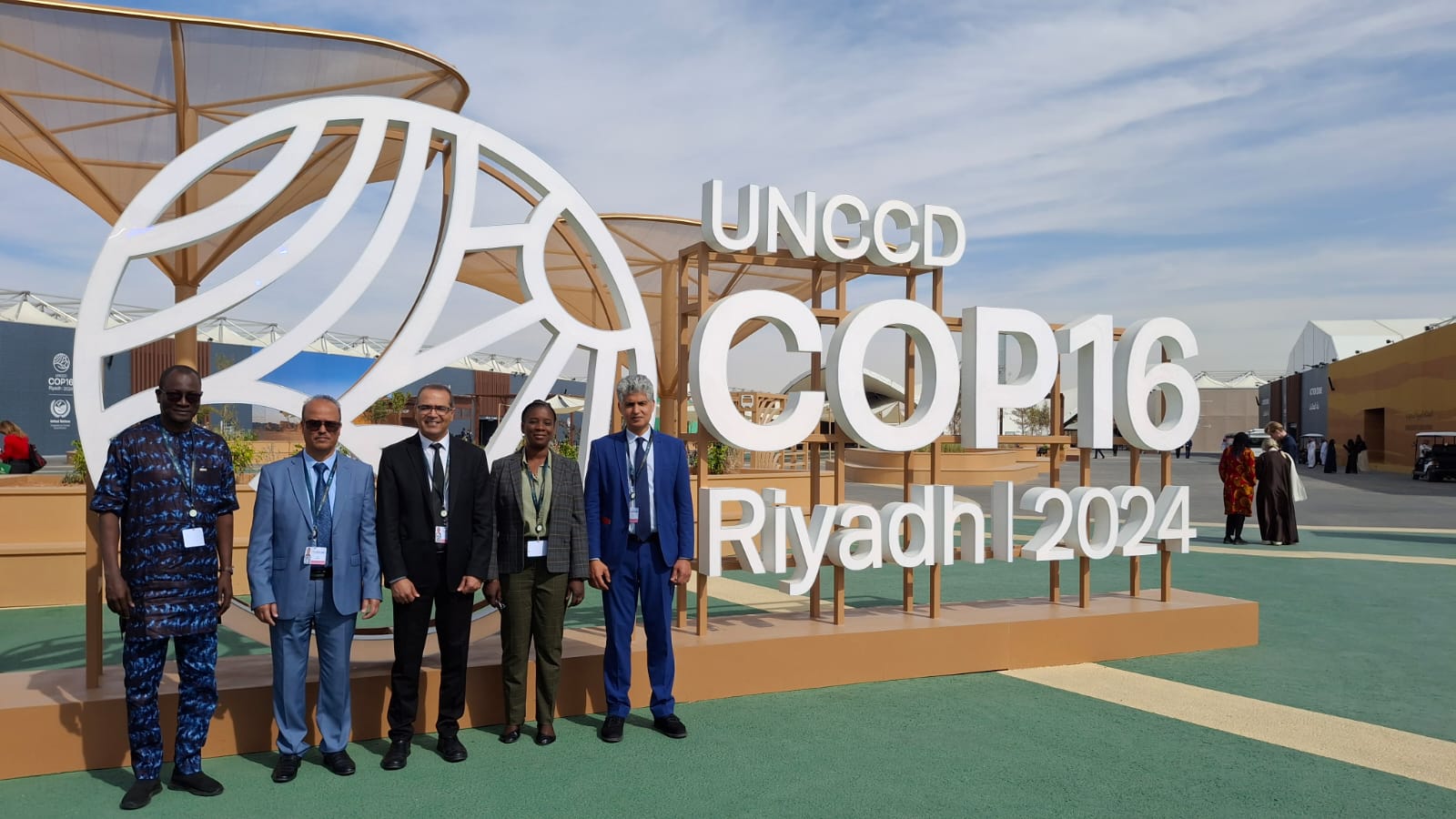
The participation of the Sahara and Sahel…
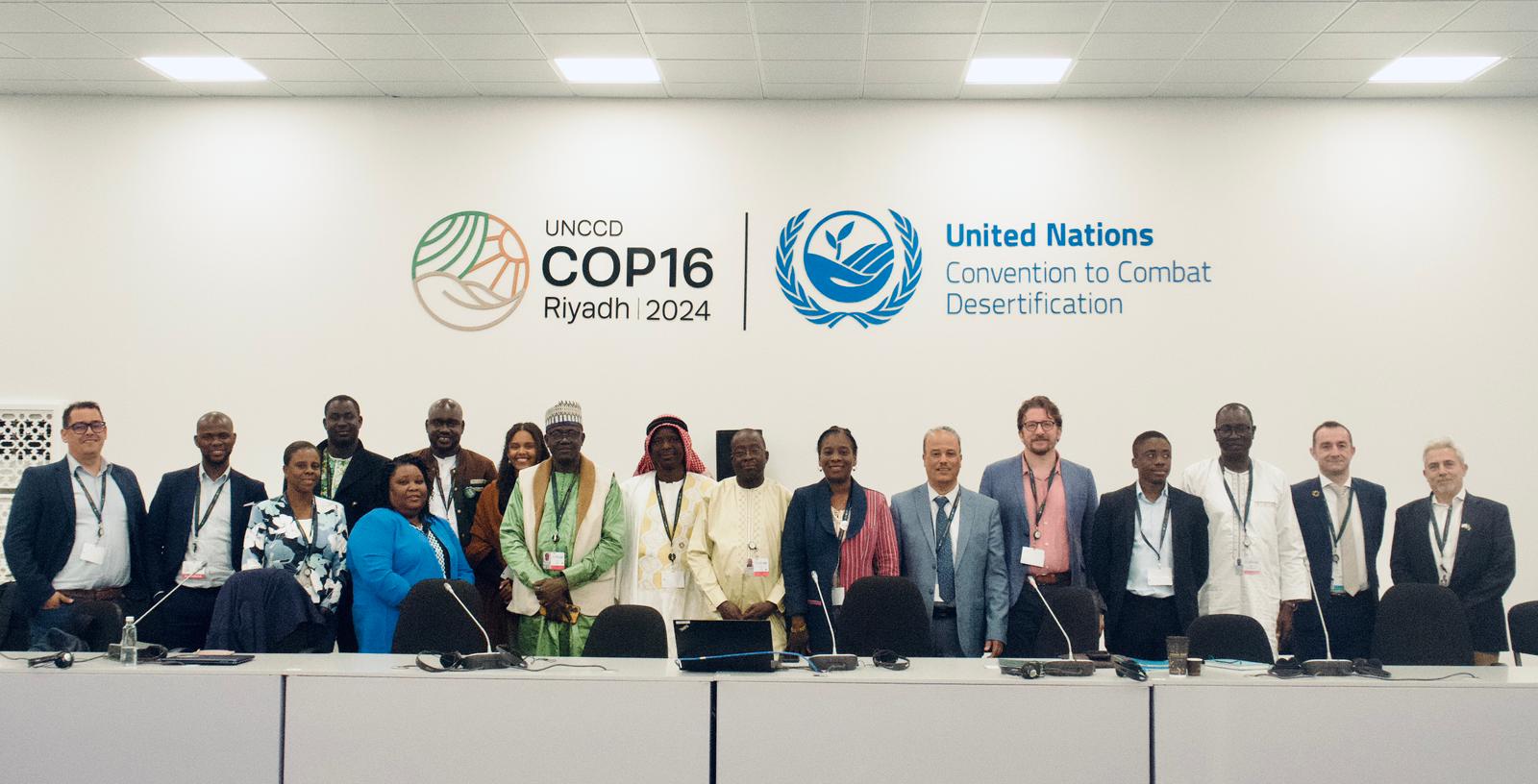
OSS Side Event at COP16: Strengthening Resilience in the Sahel through Multi-…