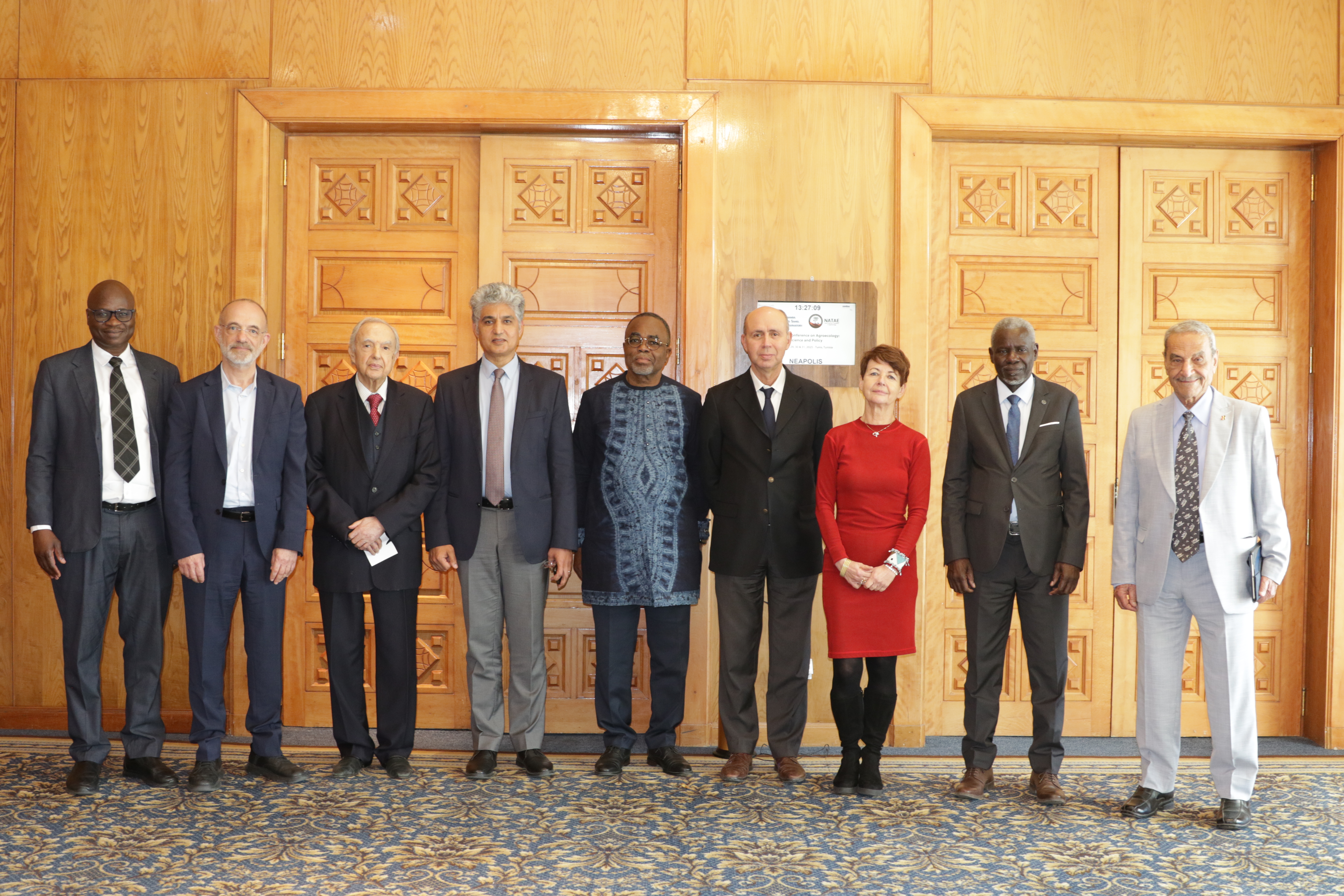
27th Session of the OSS Strategic Orientation Committee, Tunis, January 28, 2025
Held on January 28, 2025 in Tunis, the 27th session of the Strategic Orientation…
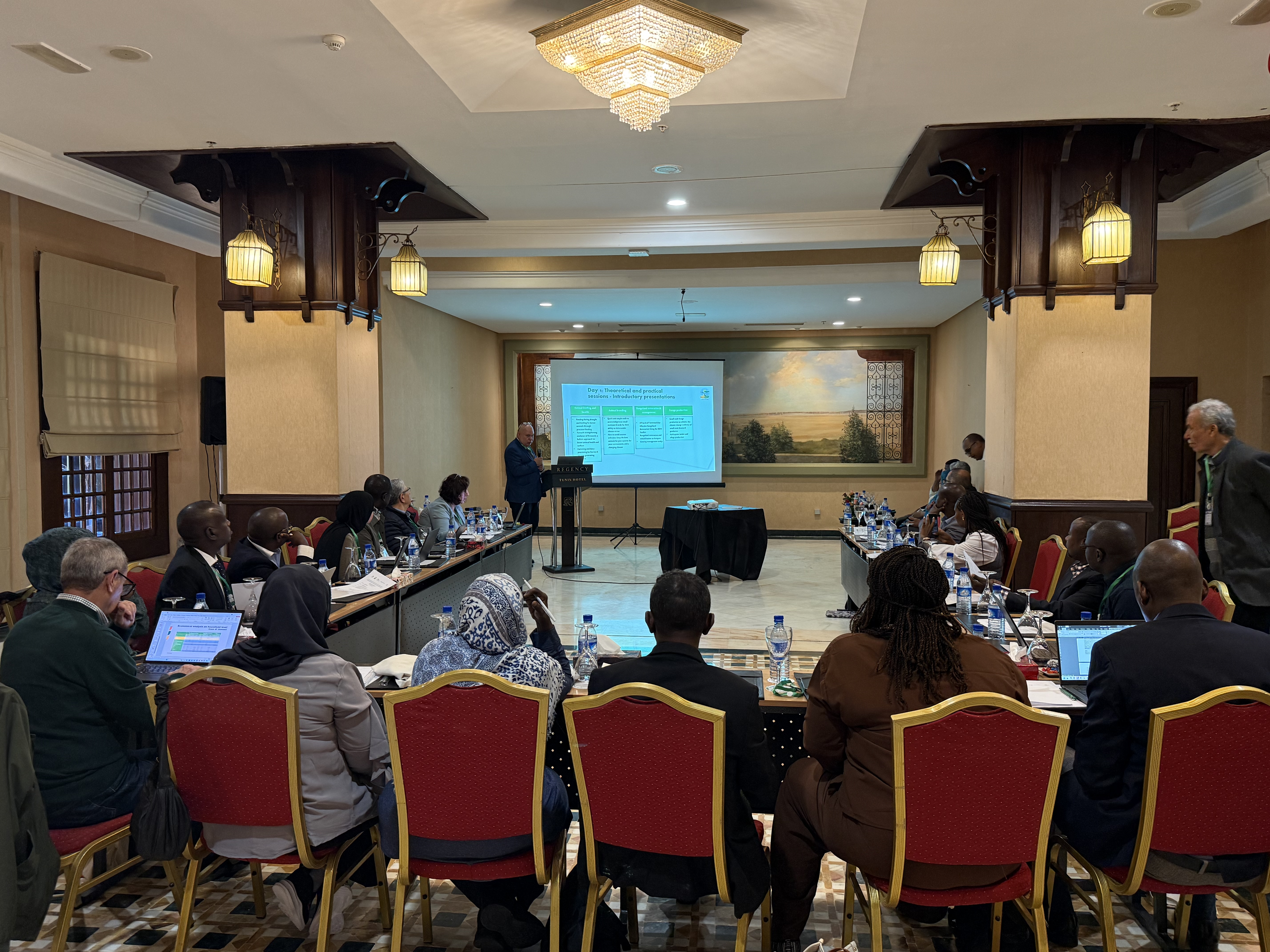
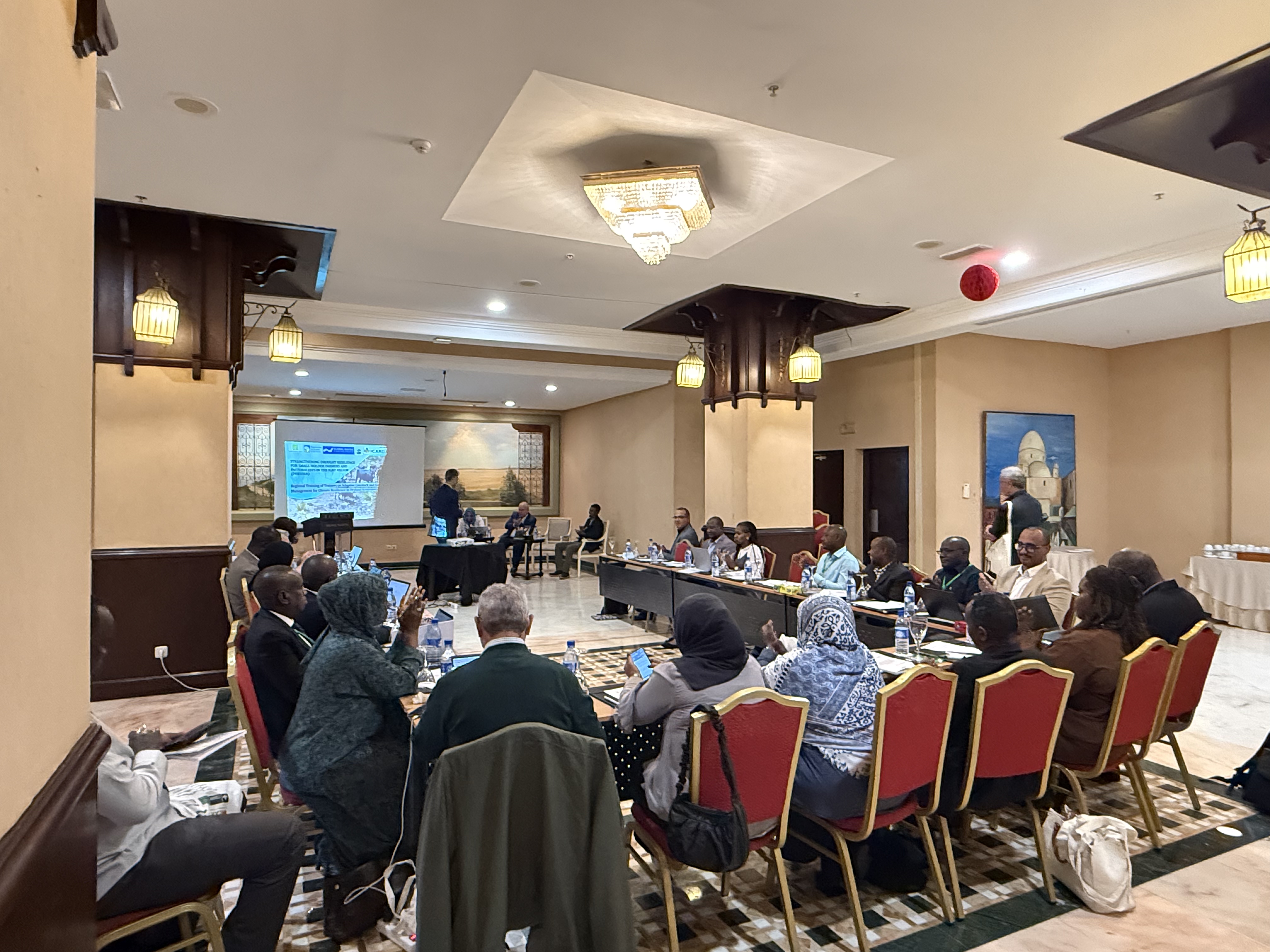
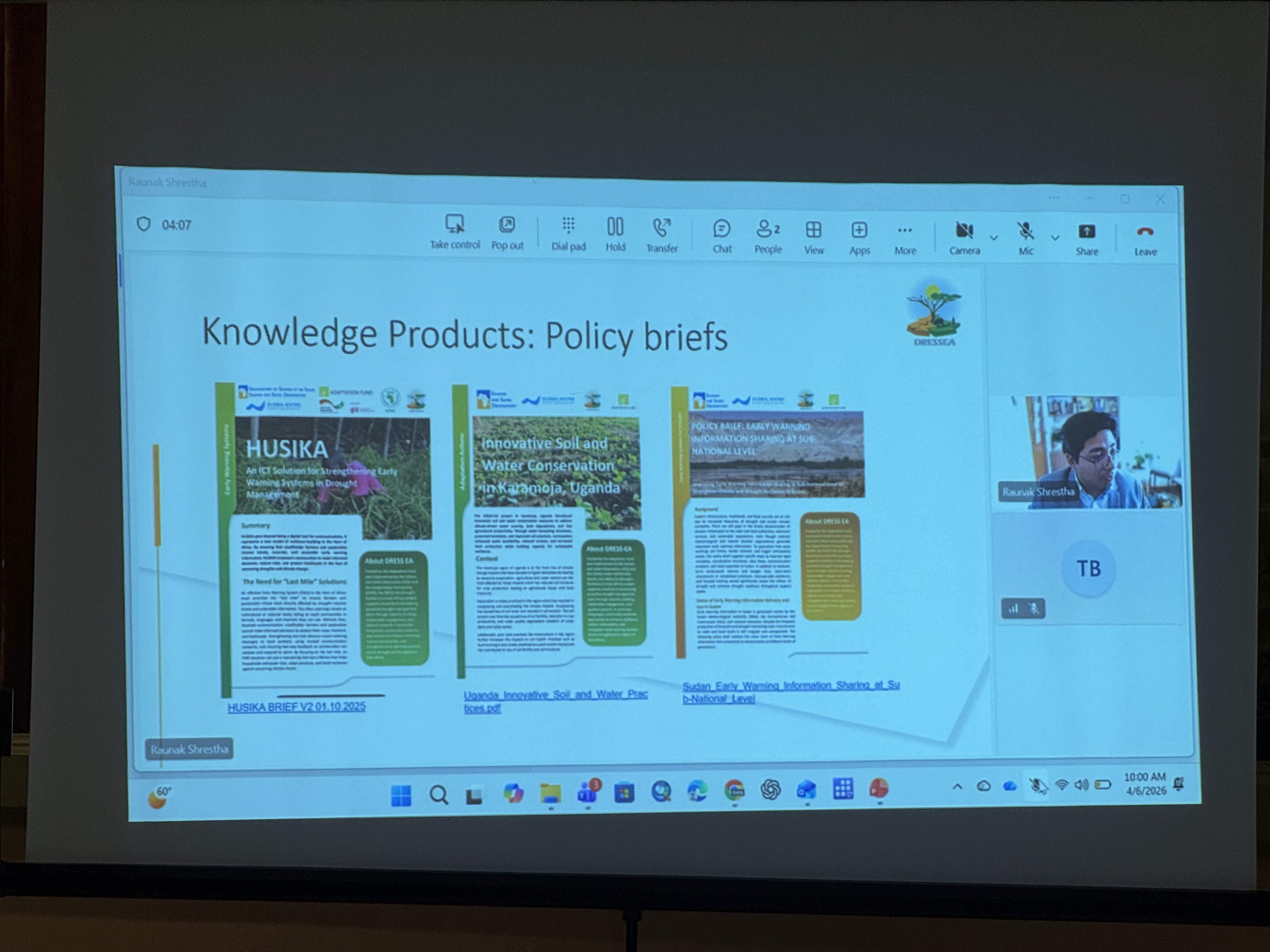
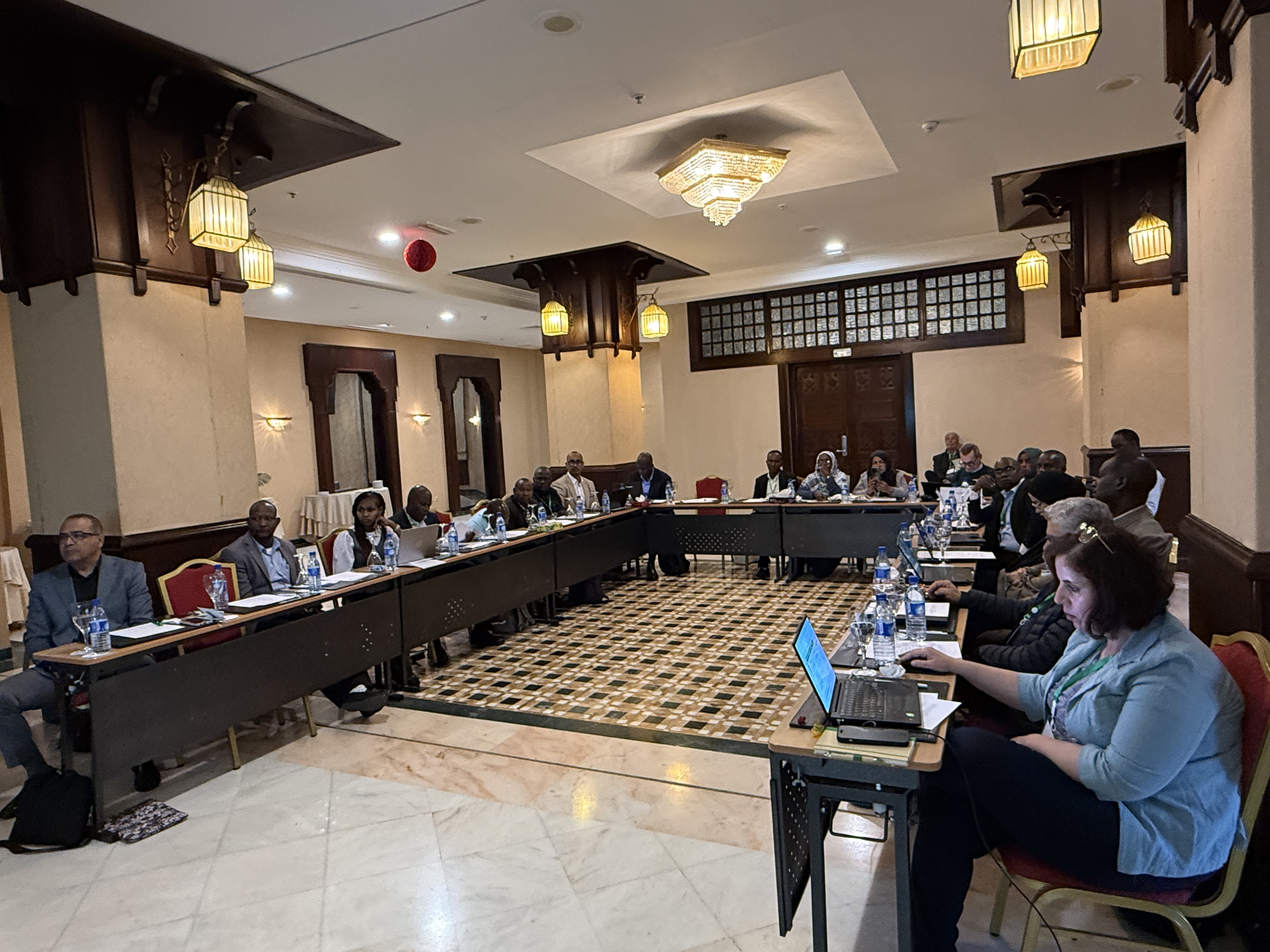
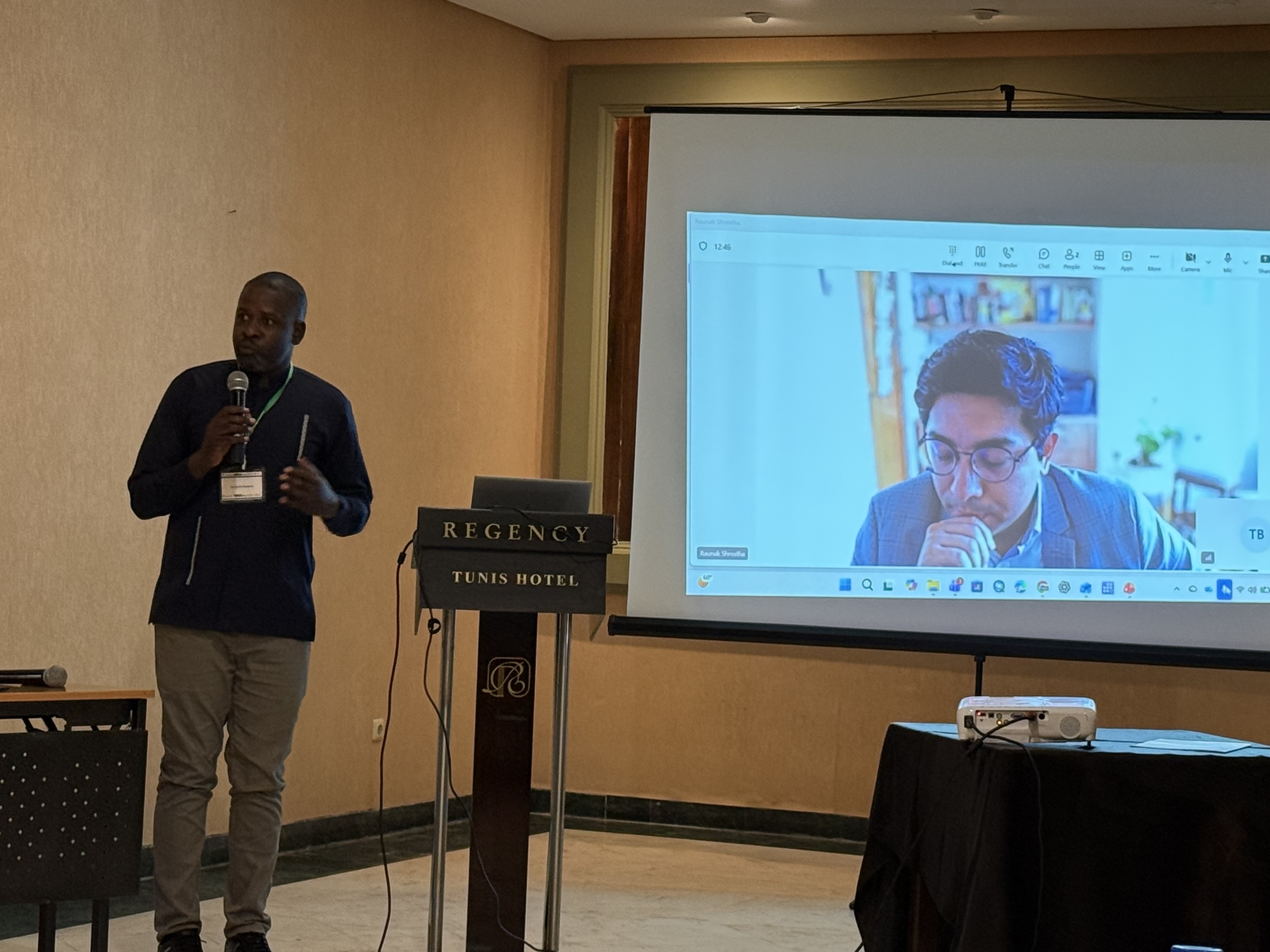
In April 2026, Tunis turns into a hub of regional collaboration as the Sahara and Sahel Observatory brought together partners from the IGAD region for a Learning Visit and Regional Training of Trainers on adaptive livestock and rangeland management. Working with the Global Water Partnership and ICARDA, the OSS convened extension officers, technical experts, and community facilitators from Djibouti, Kenya, Sudan, and Uganda under the DRESS-EA project, which aims to strengthen drought resilience for smallholder farmers and pastoralists.
Across the IGAD region, climate variability is reshaping lives. Recurrent droughts are undermining fragile rangelands and the pastoralist livelihoods that depend on them. The impacts are not only environmental; they threaten food security, economic stability, and social cohesion. Under DRESS-EA, the OSS, Regional Implementing Entity to the Adaptation Fund, is advancing a holistic approach that links early warning systems, adaptive management practices, and institutional strengthening, and its Executive Secretary, Mr. Nabil Ben Khatra, put it starkly “when a pastoralist loses their herd, they lose their insurance, their nutrition, and their dignity.”
While the project has already built strong foundations, the OSS is now accelerating the shift from planning to implementation. The Regional Training of Trainers responds directly to requests from participating countries for stronger technical capacity in livestock and rangeland management and aligns with the recommendations of the DRESS-EA Regional Steering Committee to deepen knowledge sharing and regional collaboration.
At the heart of the initiative is the idea of capacity multiplication. Participants are not only learners but future trainers. Equipped with new knowledge and tools, they will pass on skills to local communities, reaching farmers and pastoralists at scale. The success of the ToT will be measured not by attendance but by the tangible changes it brings to communities across the IGAD region.
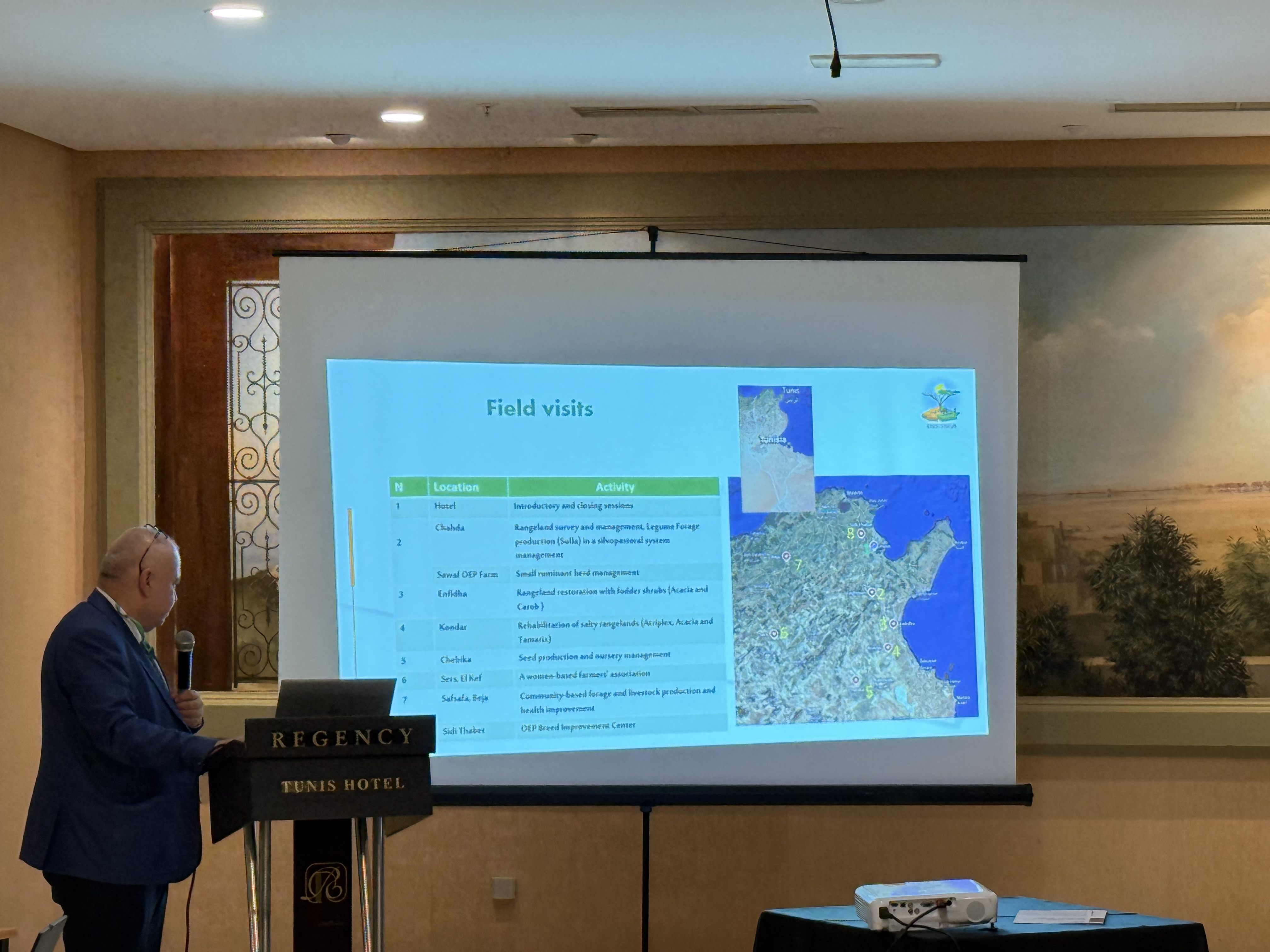
The program combines classroom sessions with field visits across Tunisia, including Zaghouan, Sousse, Kairouan, El Kef, and Beja, true mirrors of the dryland ecosystems of the IGAD countries and already hosting demonstration systems for rangeland and livestock management. Participants work directly with rangeland restoration and monitoring techniques, drought resilient livestock breeding strategies, hydroponic and alternative feed systems, community based breeding programs, and approaches to livestock value chain development and cooperatives. The Day 1 agenda alone reflects this integrated vision, moving from precision feeding and animal health to forage production and rangeland rehabilitation, ensuring that participants can apply what they learn in their own contexts.
Multi level integration is a key strength of this initiative. Scientific expertise from ICARDA complements regional coordination and policy alignment through GWP, while national institutions and community structures lead on the ground. Participants develop integrated livestock and rangeland management plans that feed into national drought strategies and policy dialogues, so the training becomes part of a broader system that links knowledge, policy, and action.
The OSS and its partners have also designed a follow up strategy to sustain the impact of the ToT. National level step down trainings will bring knowledge directly to communities, while case studies and knowledge products will capture and share lessons. A regional Community of Practice will allow partners to continue learning together, and policy engagement through national drought platforms will help institutionalize what has been learned.
The Learning Visit and ToT in Tunis represent more than a training event; they signal a renewed regional commitment to confronting climate challenges with practical, science based, and community driven solutions. As participants return to their countries, they take with them not only technical skills but a shared responsibility to transform drought prone systems into resilient, productive landscapes. In the words of OSS leadership, this moment marks a turning point, moving from planning to practice and from isolated efforts to collective resilience building across the IGAD region.
Held on January 28, 2025 in Tunis, the 27th session of the Strategic Orientation…
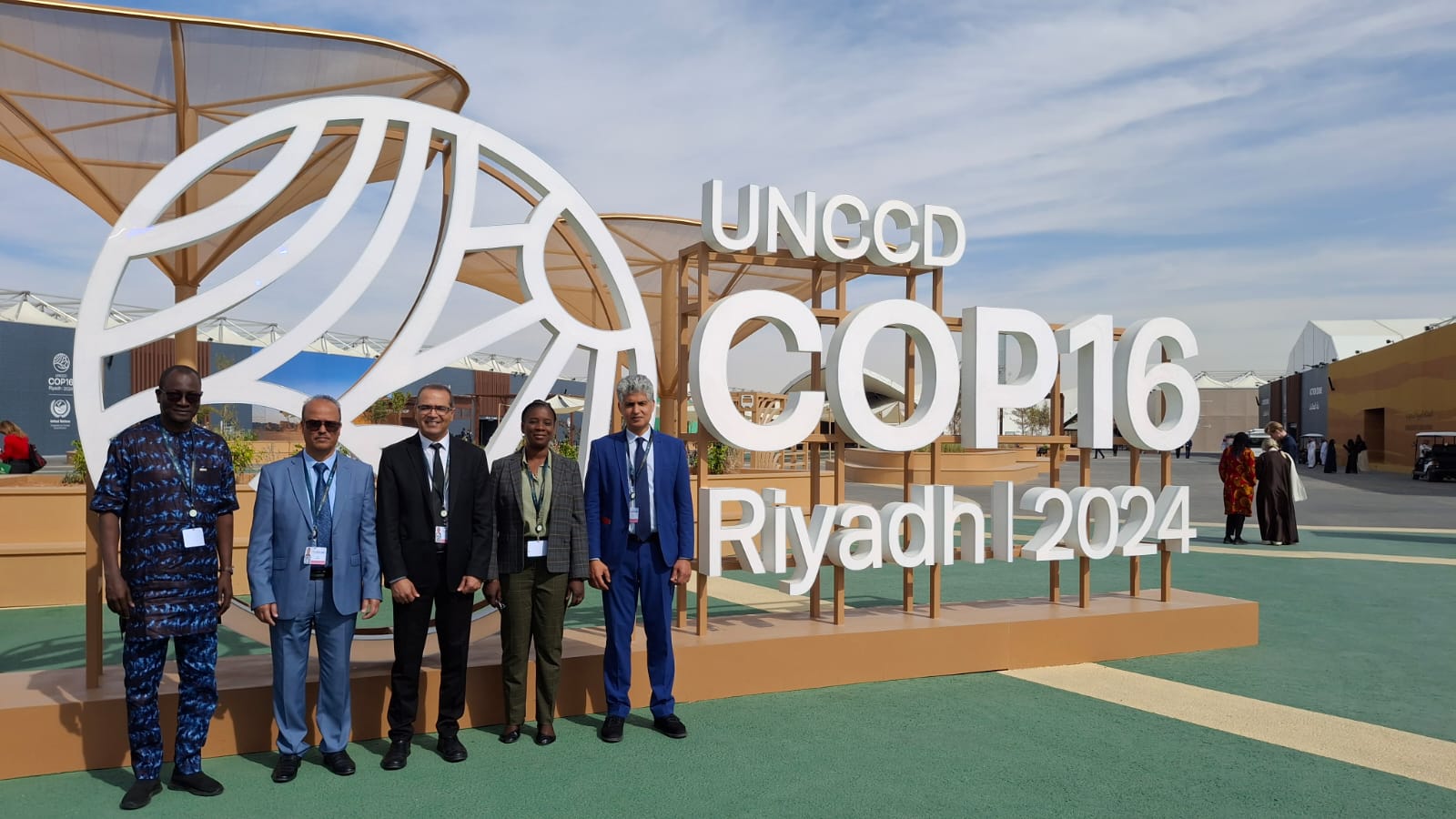
The participation of the Sahara and Sahel…
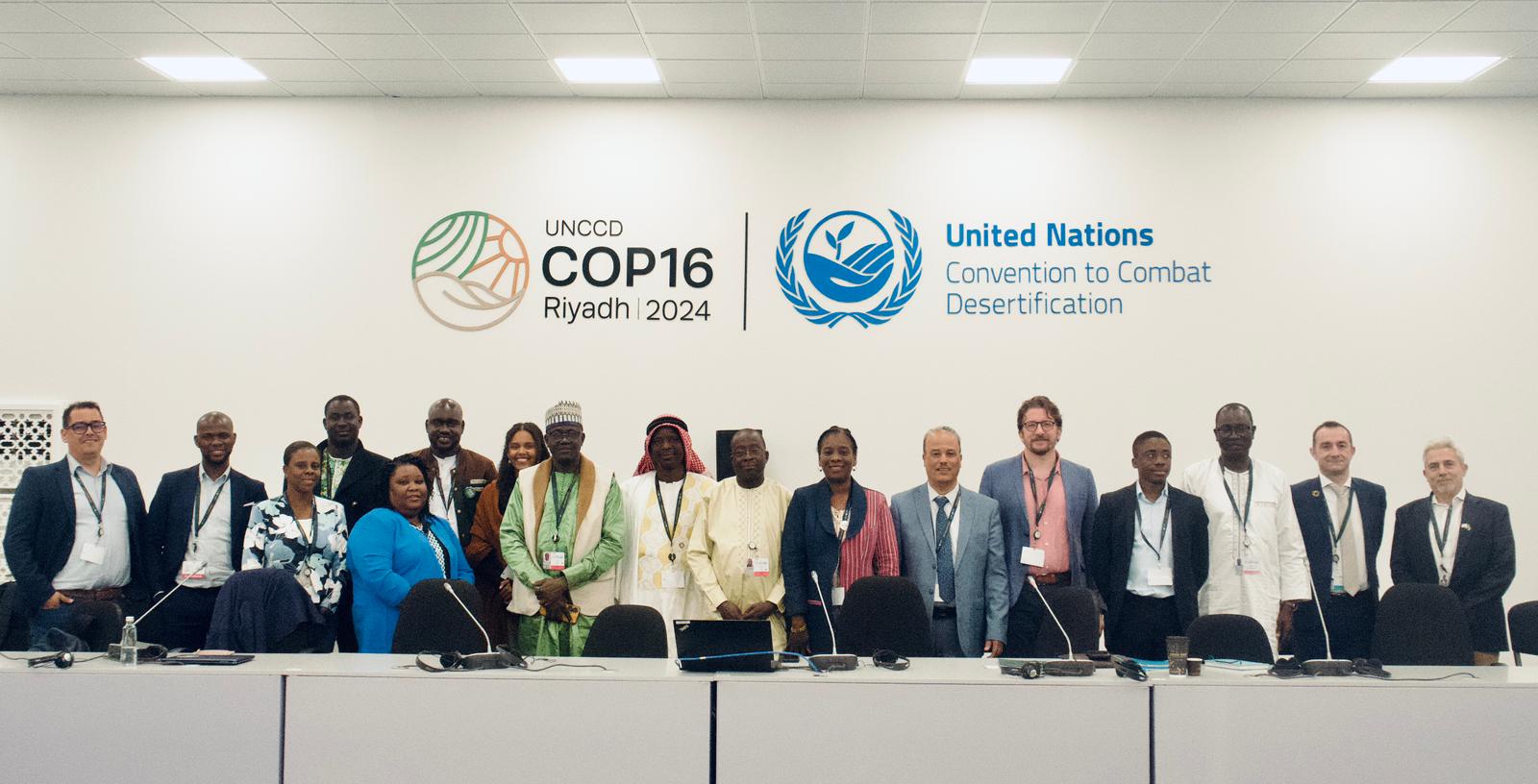
OSS Side Event at COP16: Strengthening Resilience in the Sahel through Multi-…