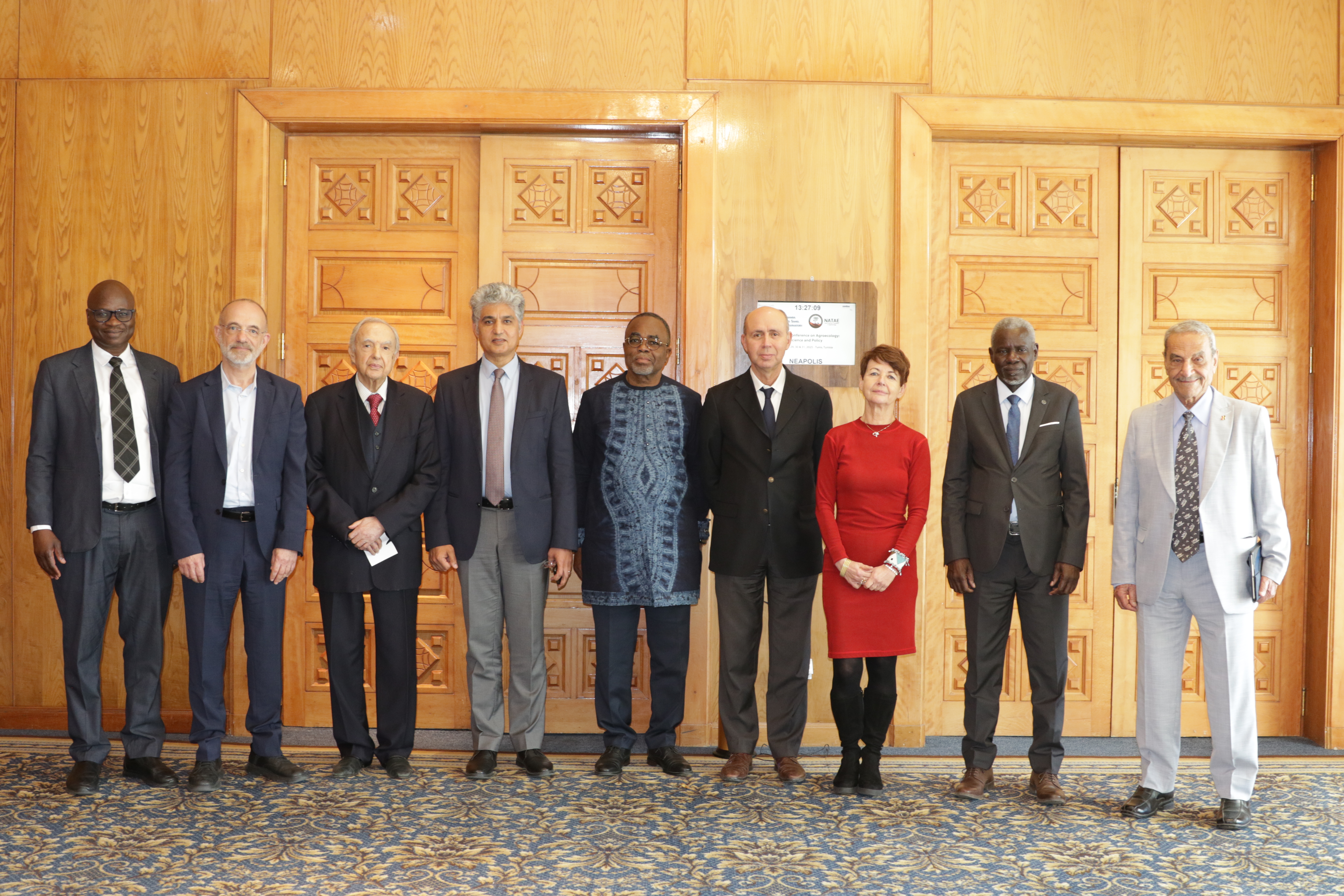
27th Session of the OSS Strategic Orientation Committee, Tunis, January 28, 2025
Held on January 28, 2025 in Tunis, the 27th session of the Strategic Orientation…
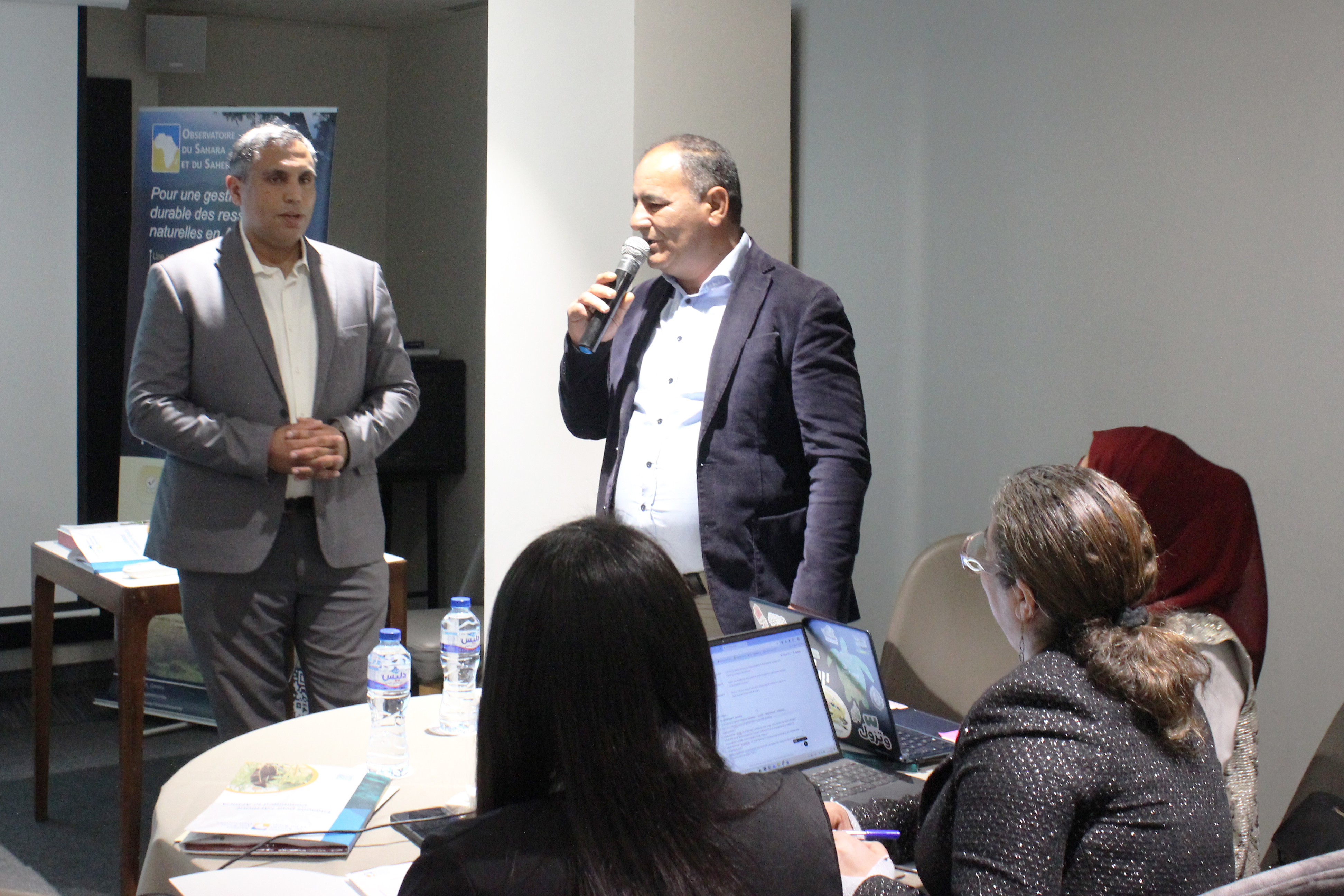
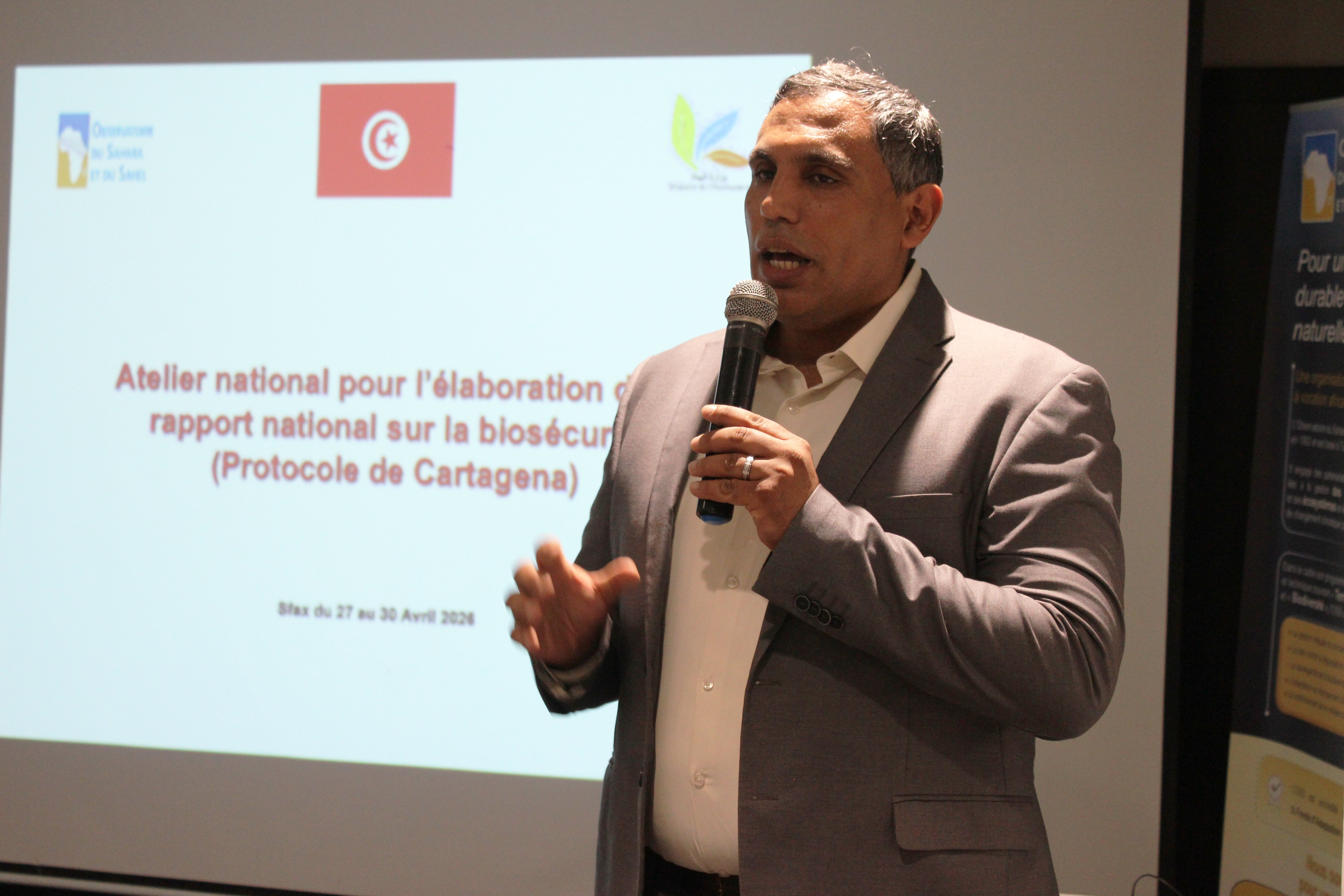
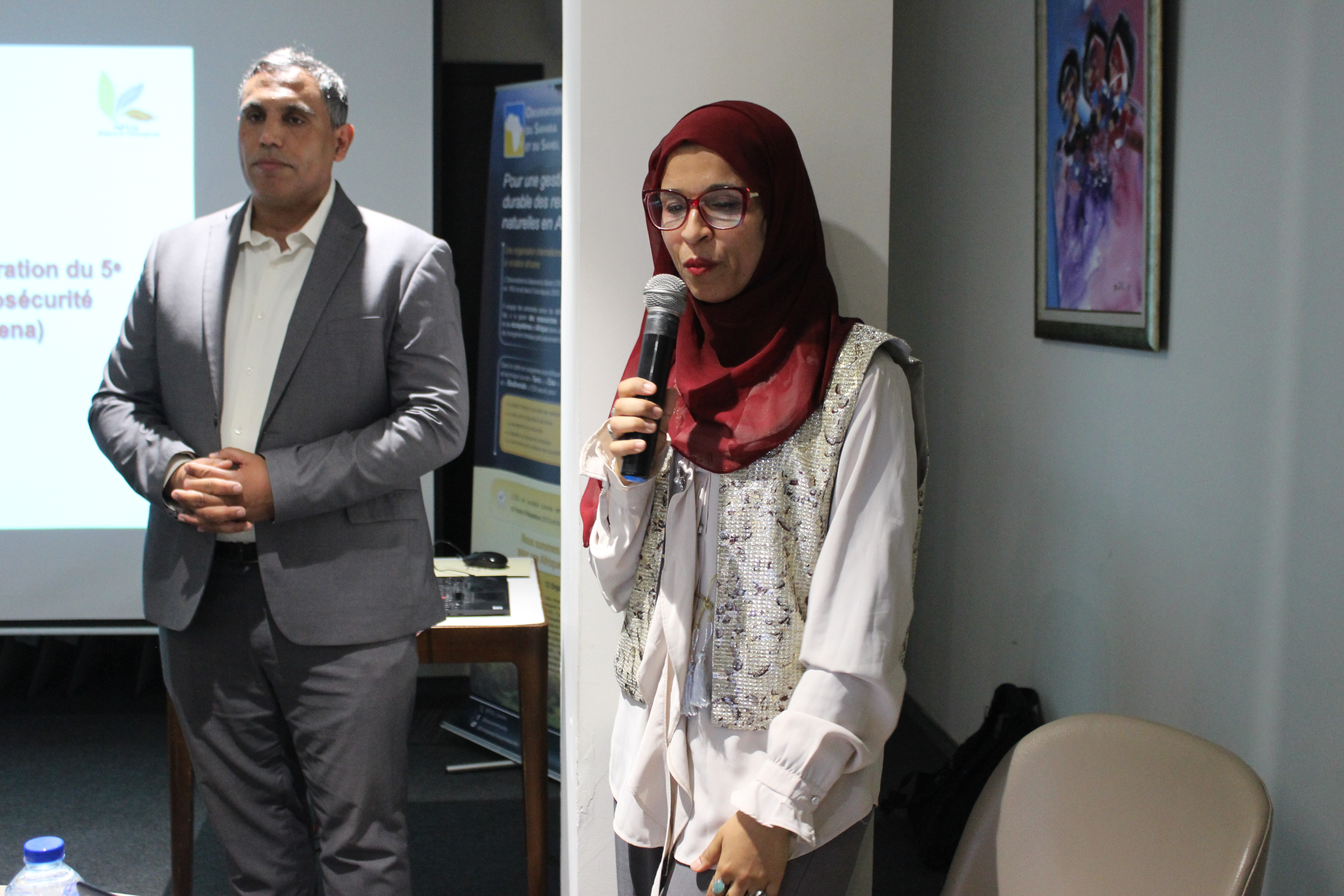
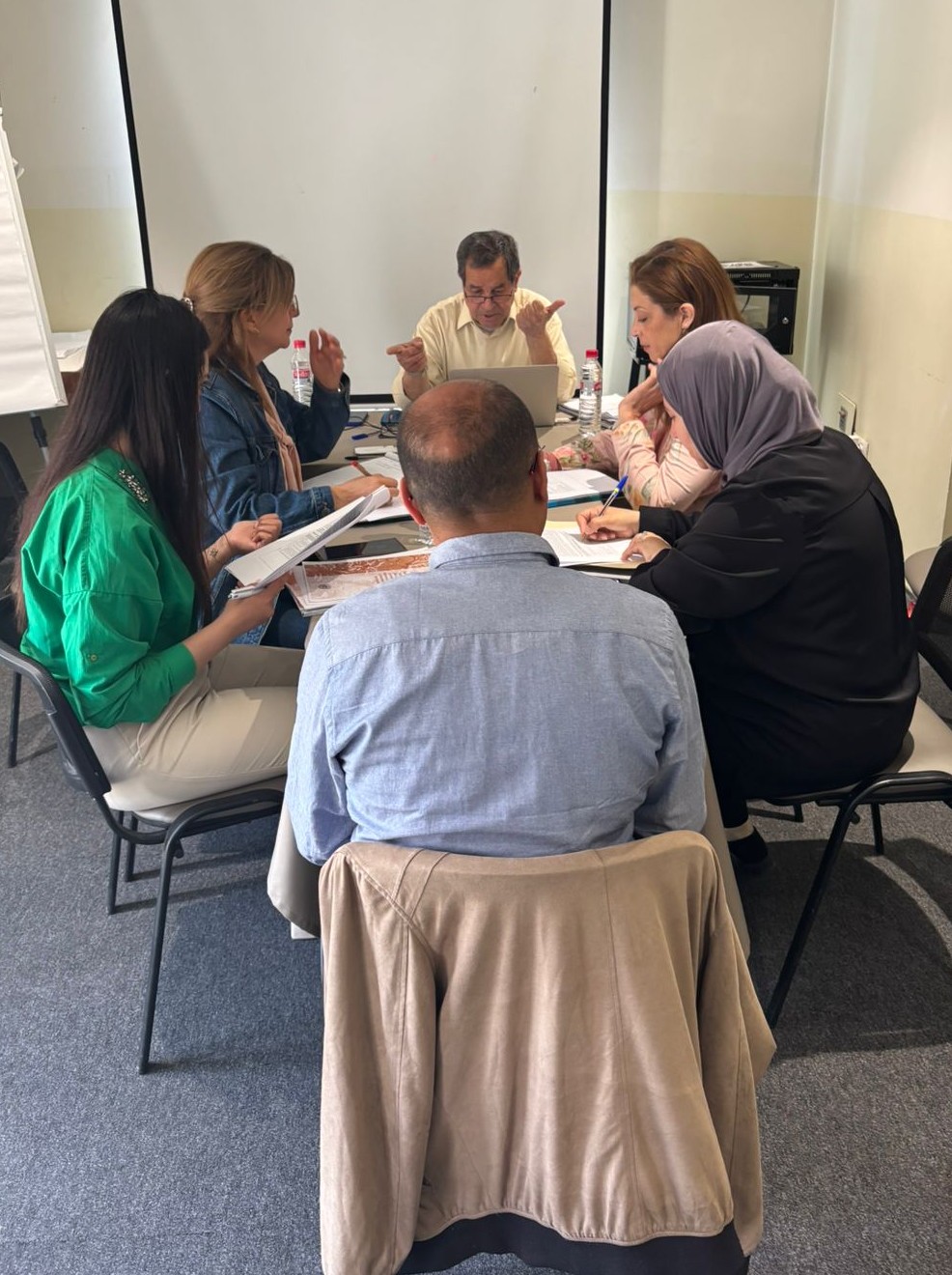
Sfax, April 27-29, 2026
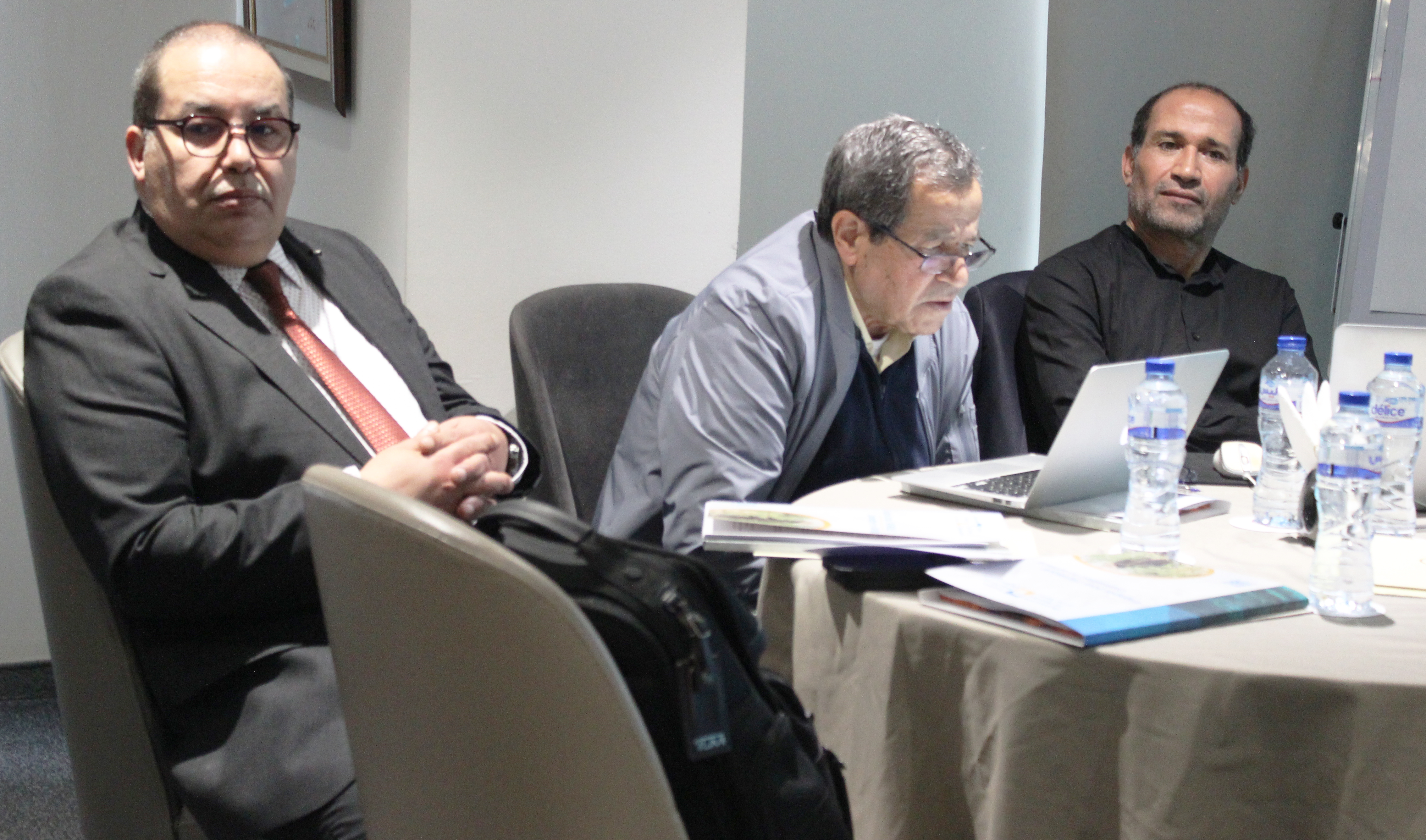
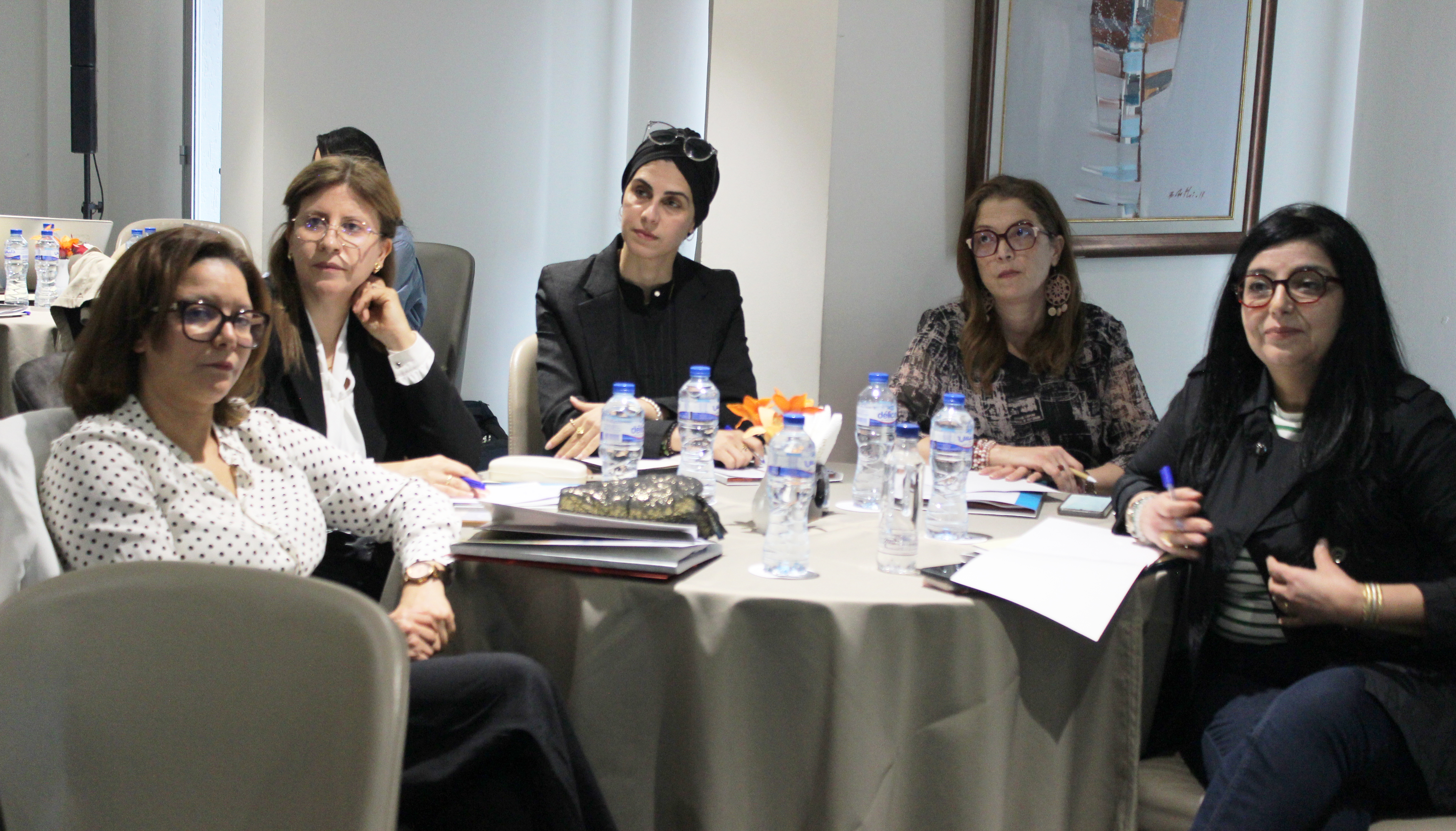
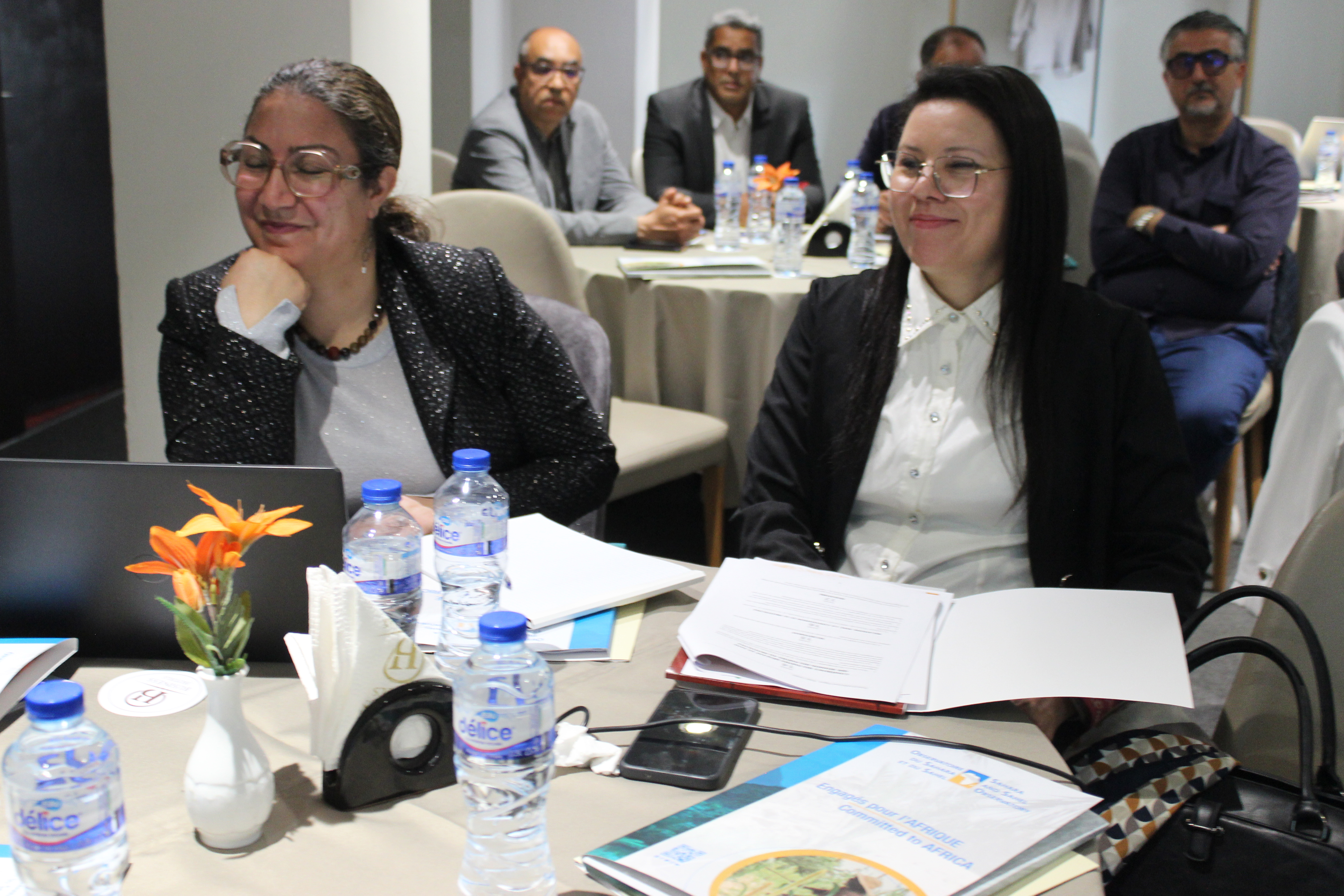
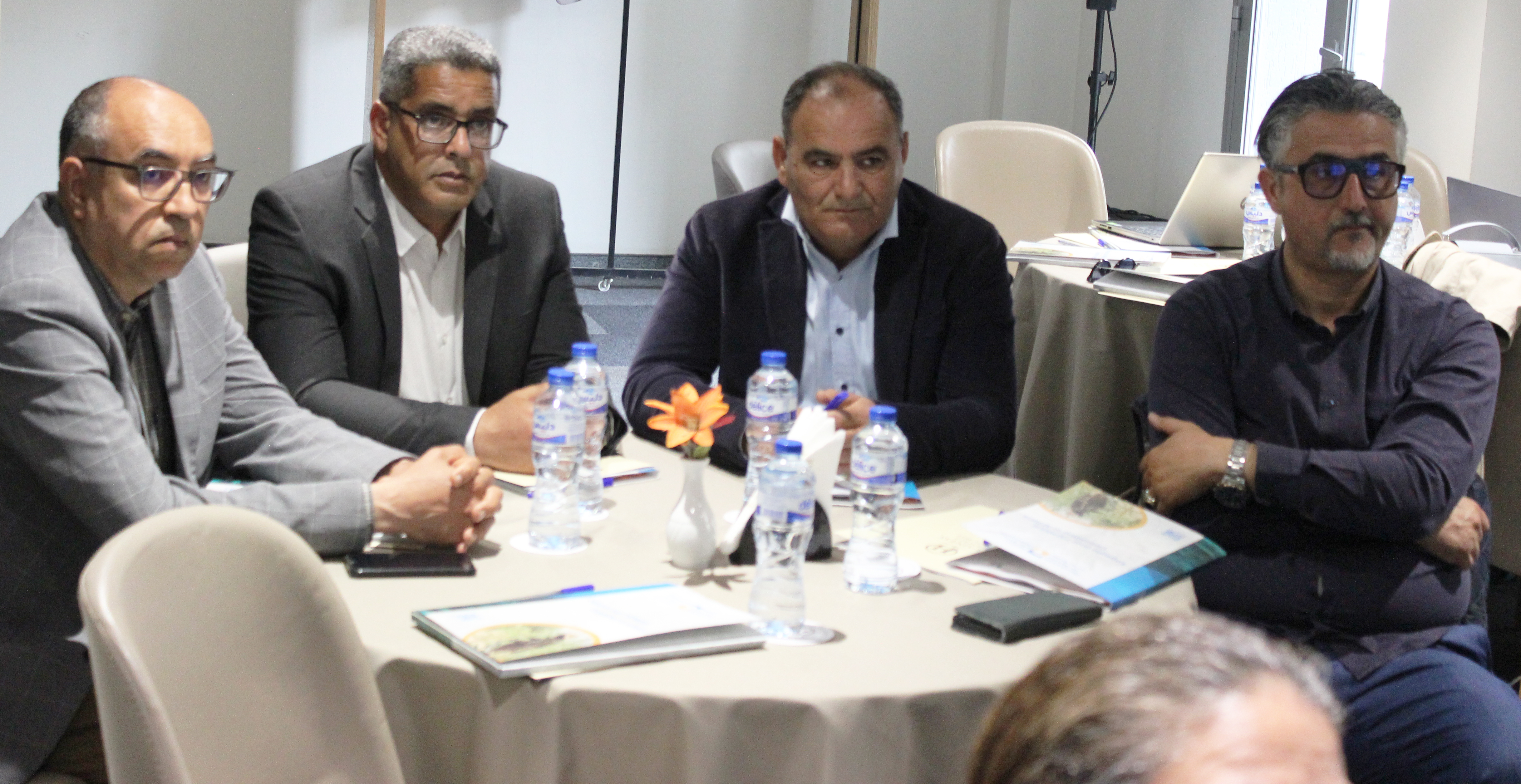
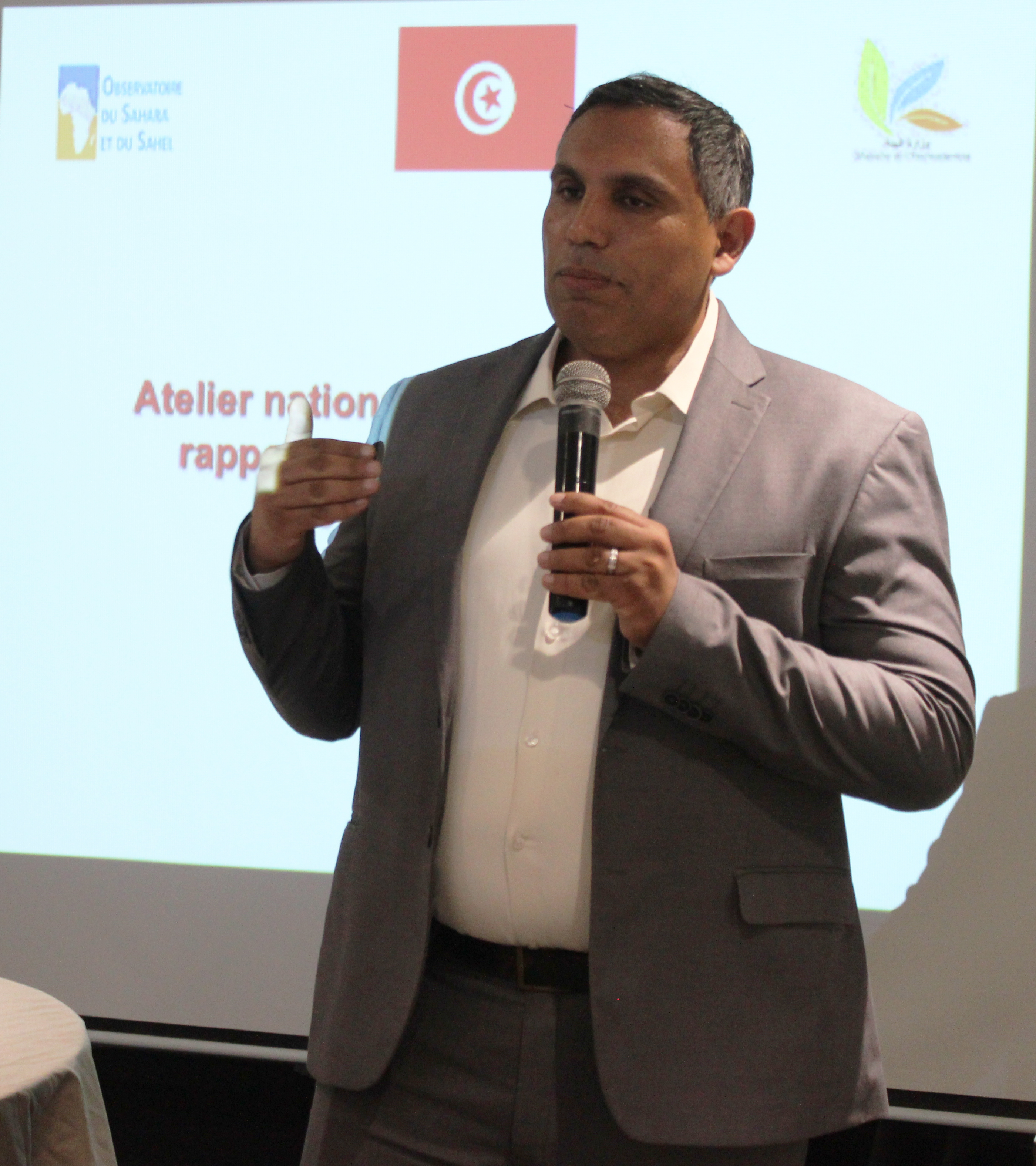
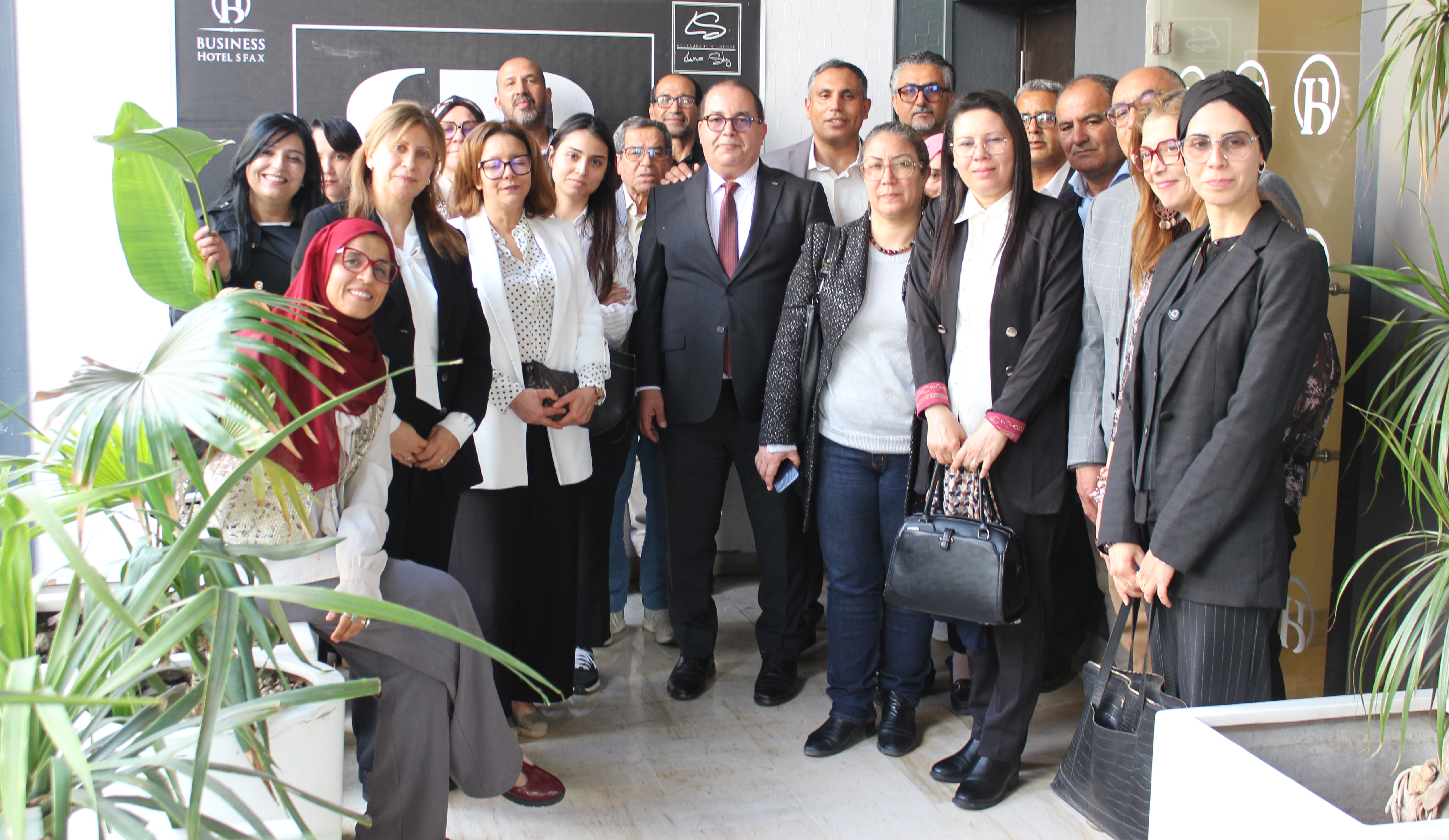
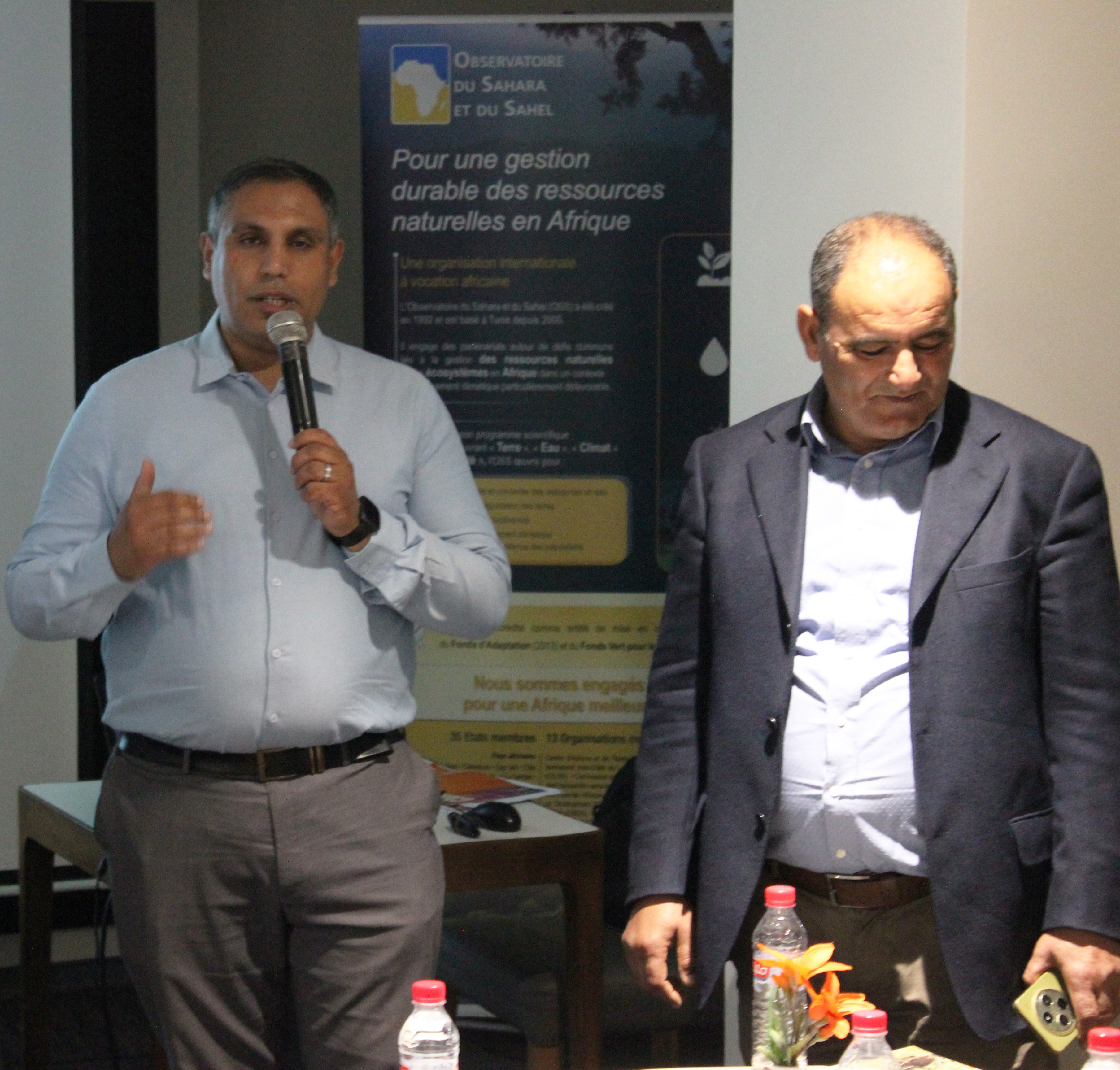
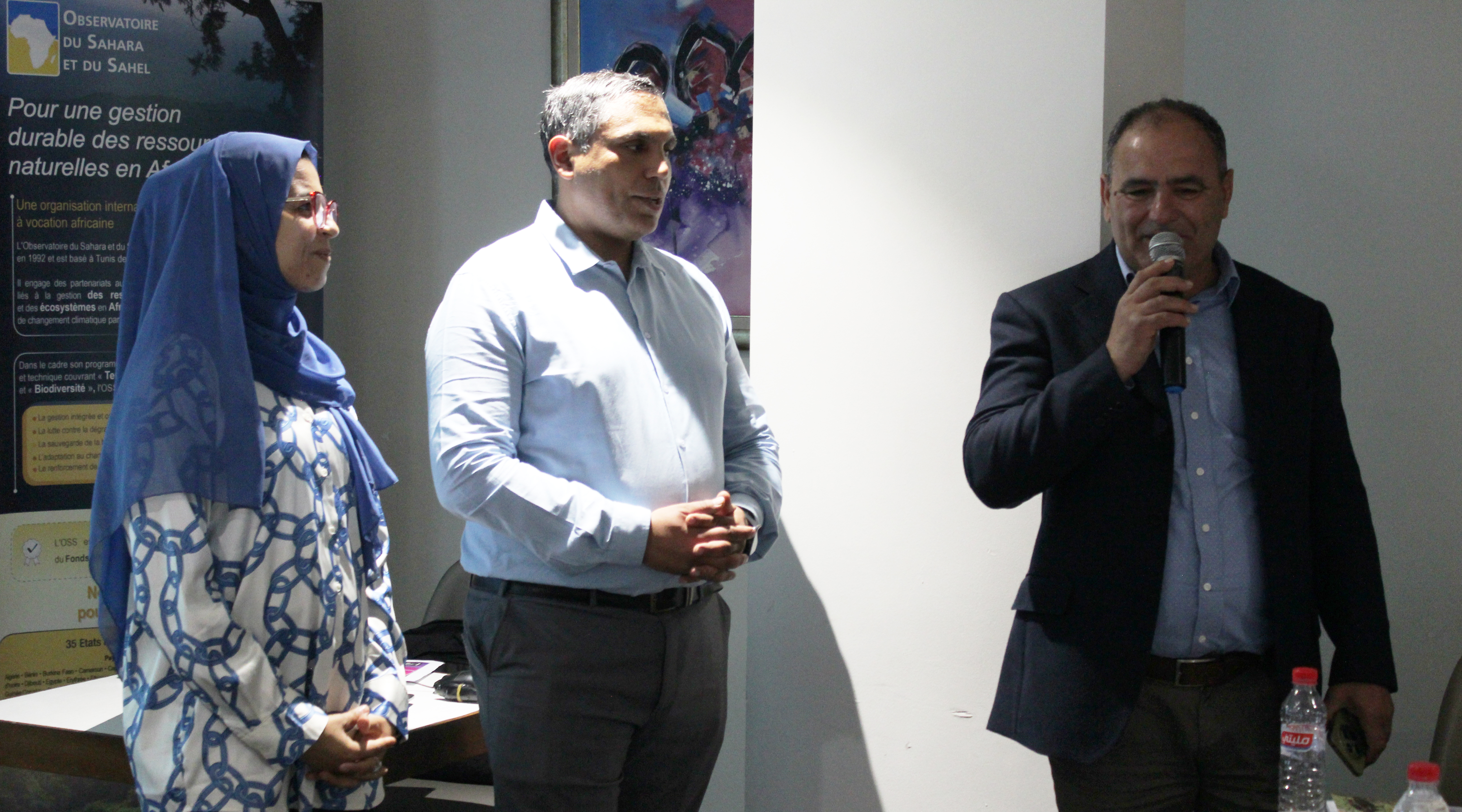
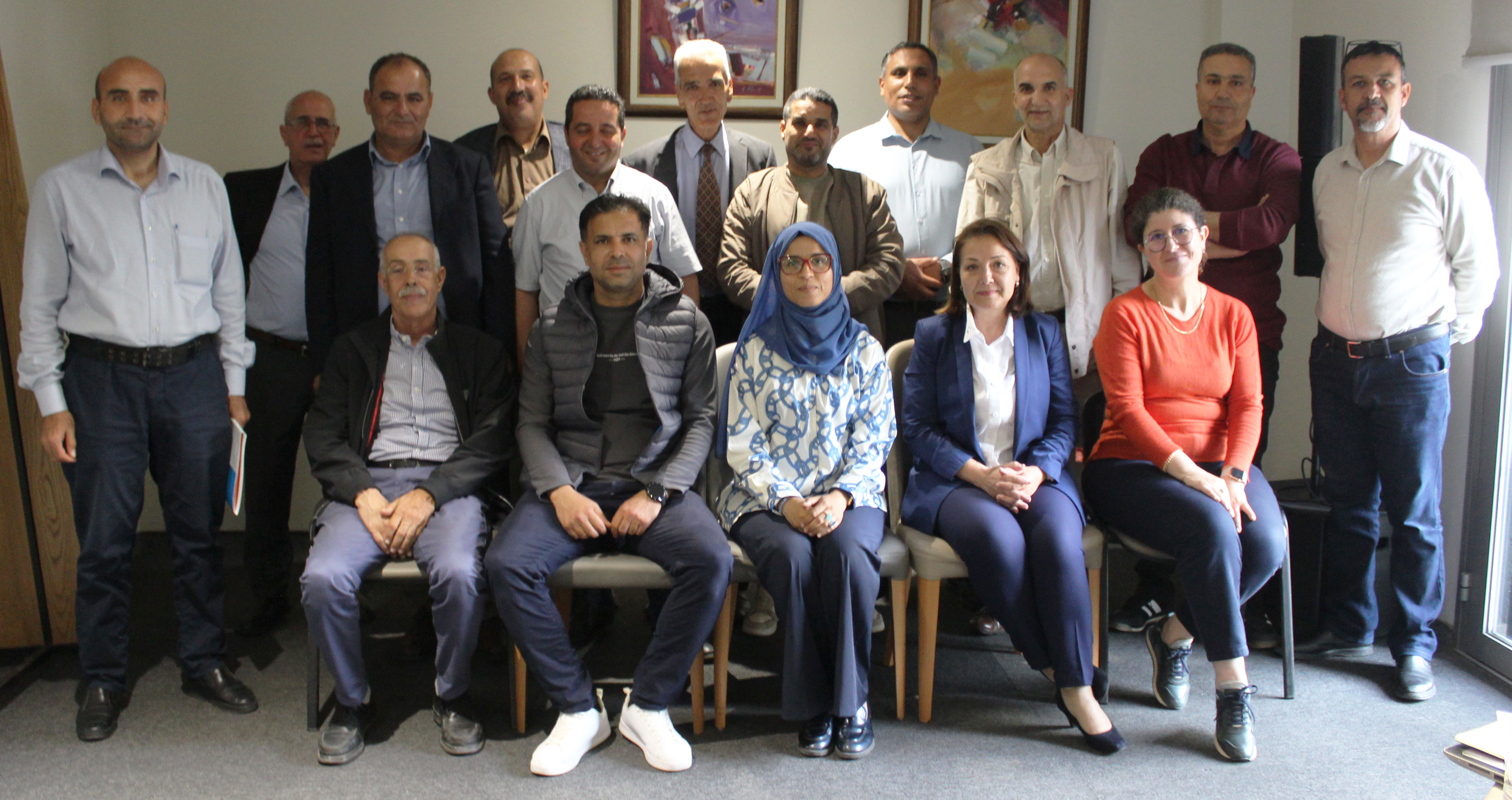
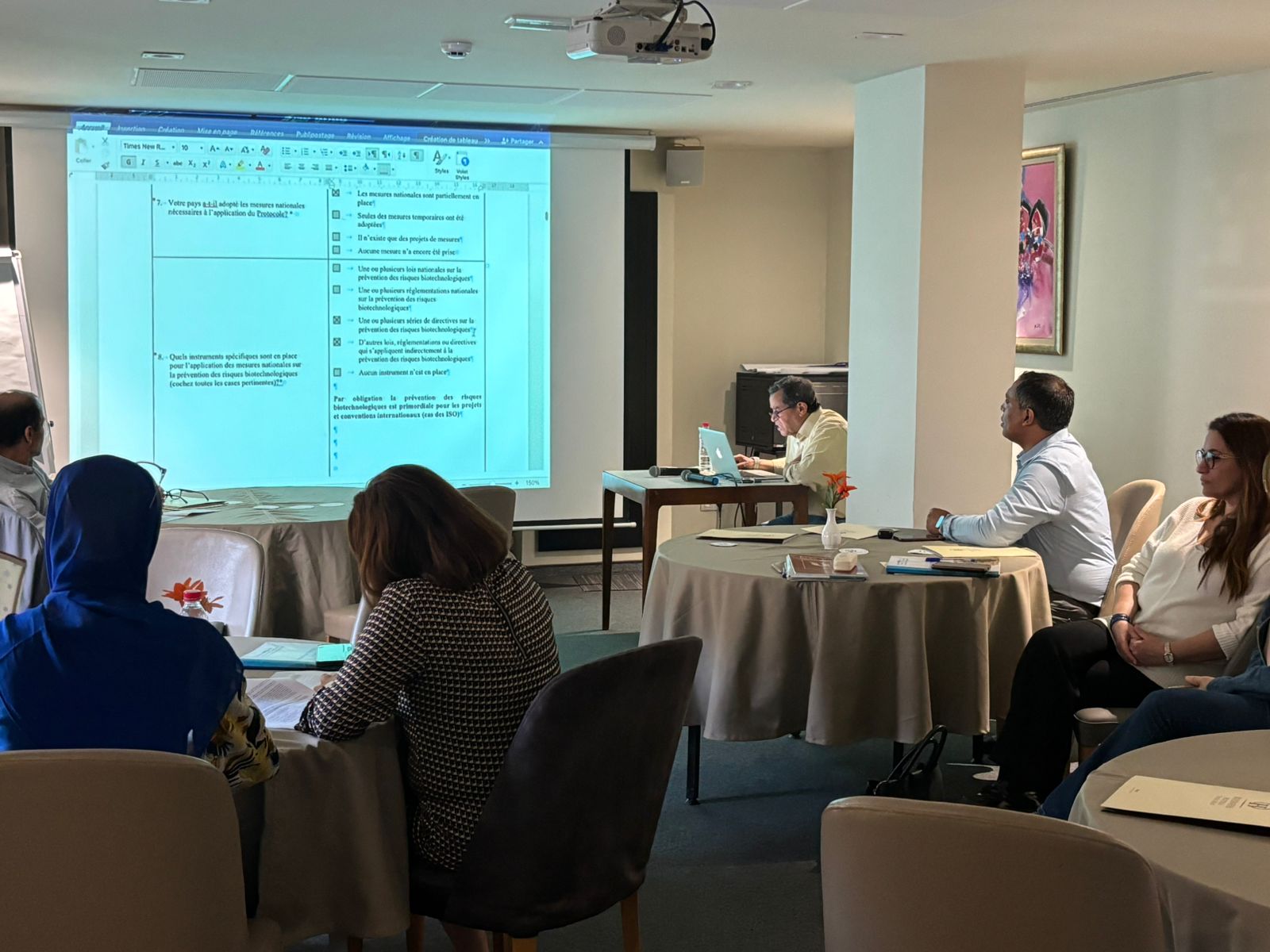
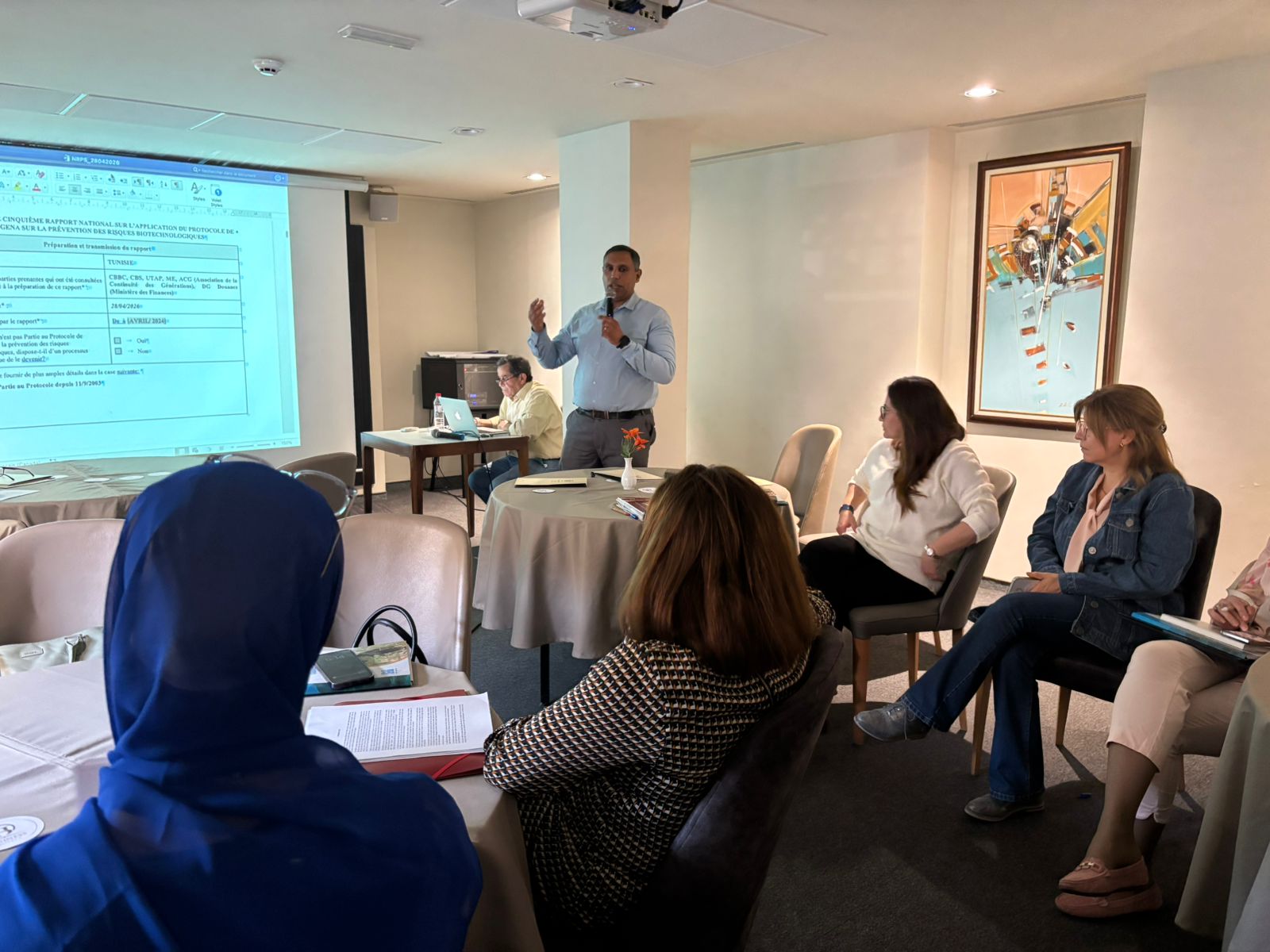
The city of Sfax hosted a series of workshops dedicated to strengthening national biodiversity governance. These meetings were held במסגרת the implementation of two key legal instruments of the Convention on Biological Diversity: the Nagoya Protocol on Access to Genetic Resources and the Fair and Equitable Sharing of Benefits Arising from their Utilization (ABS), and the Cartagena Protocol on Biosafety. Organized through a coherent and progressive approach, these events combined capacity building, national consultation, and knowledge production, thereby contributing to the implementation of Tunisia’s biodiversity commitments.
The implementation of these protocols falls under the responsibility of the Ministry of Environment, through the Directorate General for Environment and Quality of Life, in its capacity as the national focal structure for both protocols. This initiative benefits from the technical support of the Sahara and Sahel Observatory, as well as financial support from the Global Environment Facility and the United Nations Environment Programme.
It is based on a strongly participatory and interinstitutional approach, mobilizing a wide range of stakeholders from public administrations, research institutions, universities, technical bodies, the private sector, and civil society.
Rooted in the framework of the Convention on Biological Diversity, these two protocols address distinct yet deeply complementary issues: on one hand, the management of risks related to Living Modified Organisms (LMOs), and on the other, the regulation of access to genetic resources and the fair and equitable sharing of benefits arising from their use. Their implementation pursues a threefold objective: protecting biodiversity, preventing potential risks to human health, and promoting the sustainable and equitable use of natural resources, while respecting the sovereign rights of States and the rights of local communities.
In this context, Tunisia has engaged in a dual reporting process, involving both the preparation of its fifth national report on biosafety, in accordance with Article 33 of the Cartagena Protocol, and the development of its first national report under the Nagoya Protocol, pursuant to Article 29. Beyond their technical dimension, these exercises serve as key instruments for structuring national policies, enabling an assessment of the current situation, the identification of gaps, and the definition of action priorities adapted to national realities.
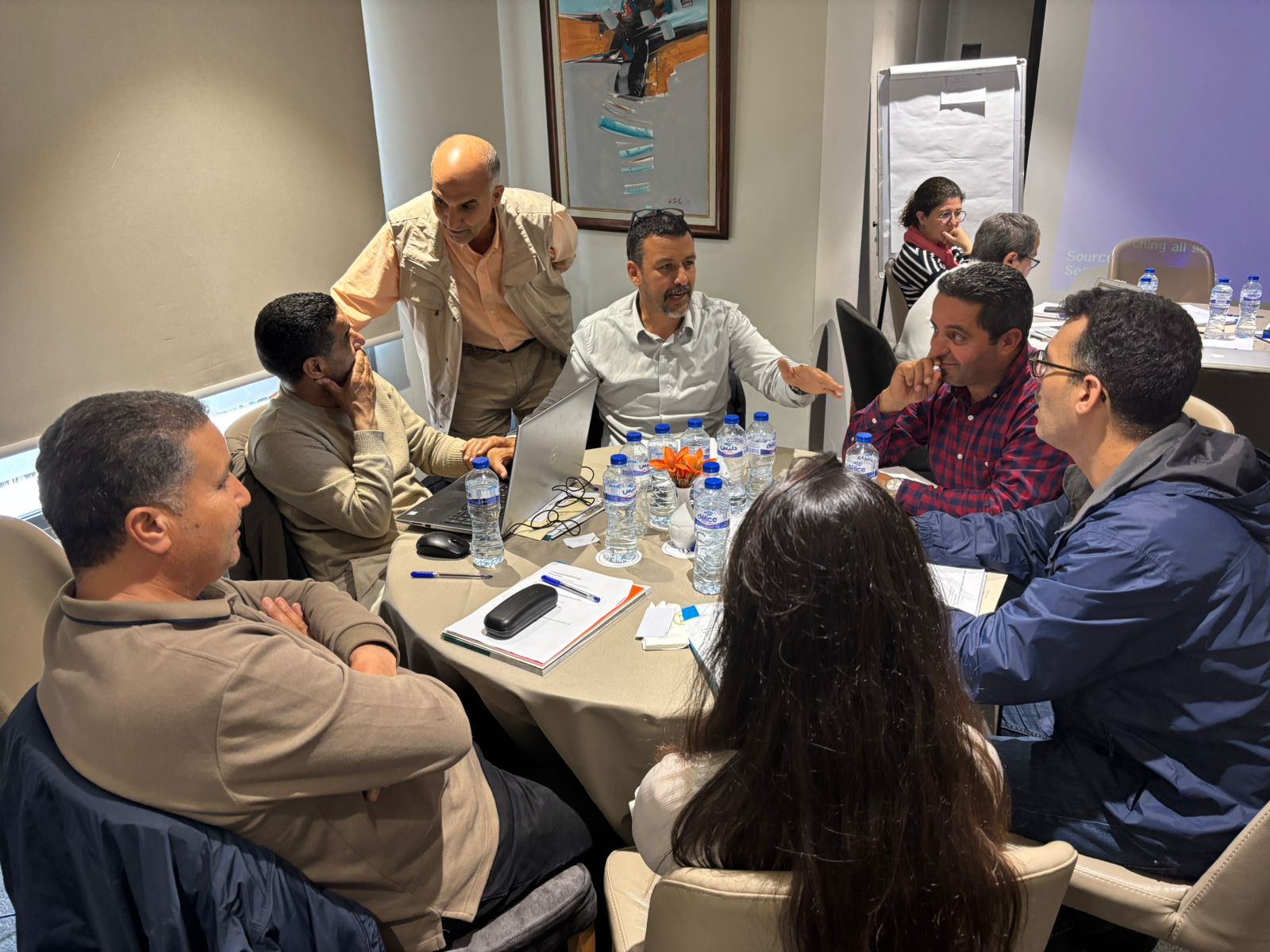
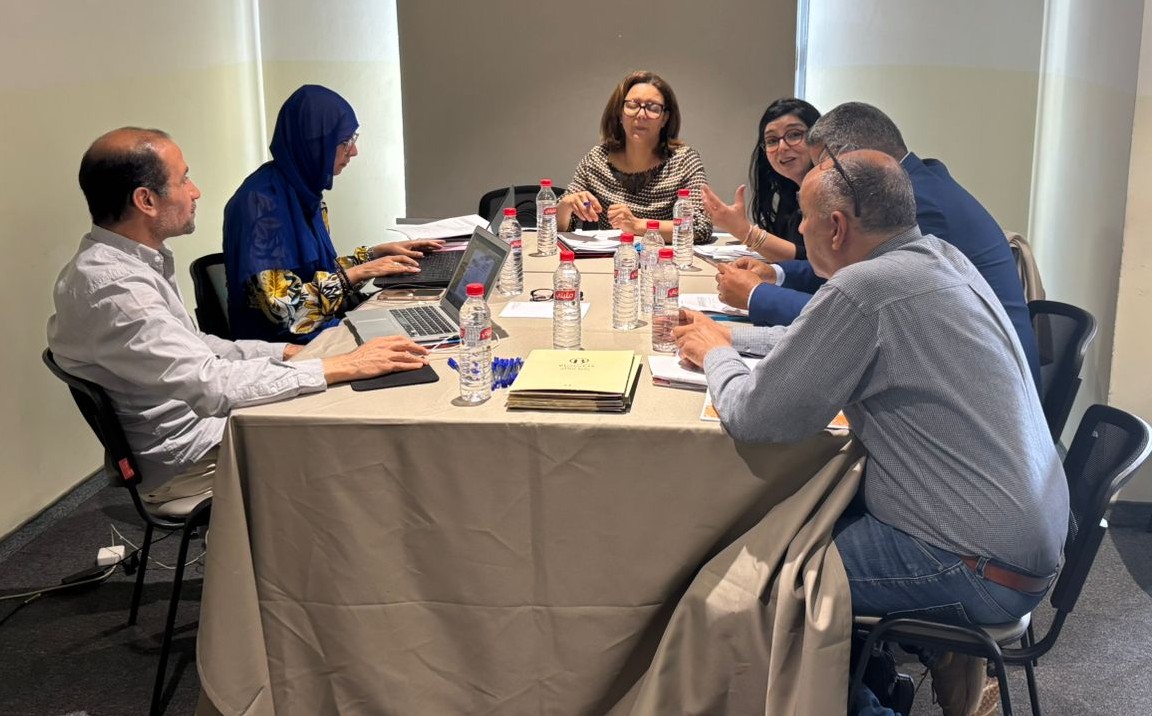
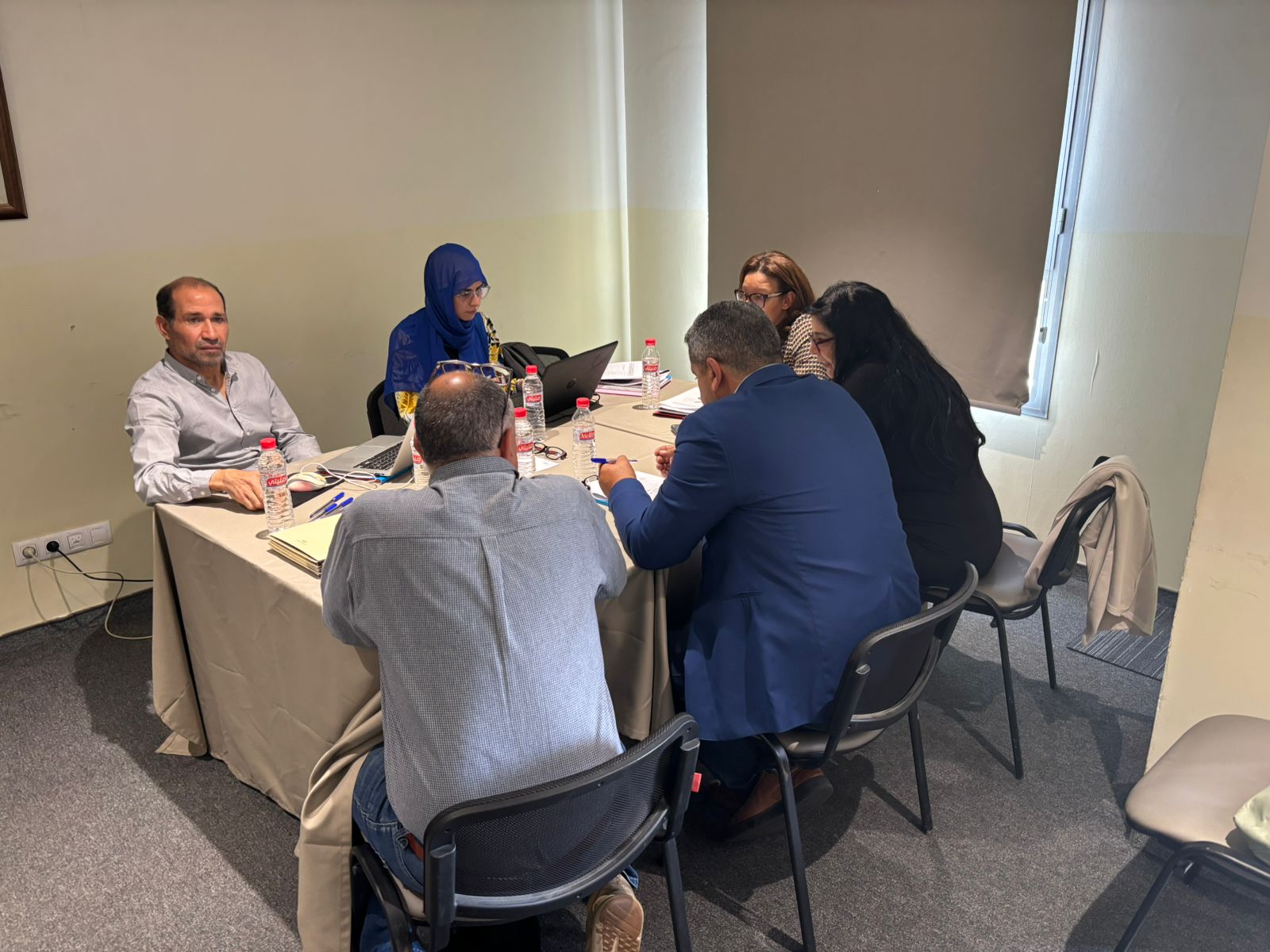
The third regional workshop dedicated to the Nagoya Protocol, organized for the southern region of Tunisia, is part of a progressive process that included a national meeting and two regional workshops held in the northern and central regions. It marked a major step in this consultation and capacity-building process. Designed as a space for learning and exchange, the workshop strengthened the capacities of participants representing southern governorates on ABS principles, while also collecting concrete field-based data and contributions. Through training sessions, practical exercises, and group work, participants explored the foundations of the international ABS regime, negotiation mechanisms, and implementation tools. They also formulated recommendations for the development of an appropriate national regulatory framework.
Within this dynamic, the national workshop dedicated to the Cartagena Protocol further consolidated these efforts by focusing on the enrichment of the fifth national biosafety report, particularly in the section concerning LMOs. Building on prior data collection and analysis, this meeting facilitated a collective review of the draft report prepared by the competent services of the Ministry of Environment and published on the Biosafety Clearing-House platform, with the aim of improving its quality, coherence, and relevance. The discussions enabled an in-depth analysis of the regulatory, institutional, and technical dimensions related to the management of living modified organisms.
At the core of both workshops, the collaborative dimension played a decisive role. Exchanges among participants fostered a better understanding of the issues, the sharing of experiences, and a collective ownership of the processes. This dynamic not only contributed to the production of solid technical inputs but also strengthened connections among stakeholders and reinforced a national network engaged in biosafety and access to genetic resources.
Beyond the expected outputs, including the enrichment of national reports and the collection of relevant data, these meetings contributed to sustainably strengthening national capacities in reporting, improving interinstitutional coordination, and laying the foundations for more integrated and inclusive biodiversity governance in Tunisia. They also fall the implementation of the National Biodiversity Strategy and Action Plan, particularly national targets 13 and 17 related to the provisions of the Nagoya and Cartagena Protocols on access to genetic resources, fair and equitable benefit-sharing, and biosafety.
Finally, a visit to the Sfax Biotechnology Center, organized alongside the biosafety workshop, provided participants with a comprehensive immersion into the scientific and technical realities related to these themes, grounding discussions in existing practices and initiatives. Through this articulation between strategic reflection, capacity building, and field-based engagement, the Sfax workshops reflect a clear commitment to making participation and consultation the cornerstones of effective and sustainable environmental action.
Held on January 28, 2025 in Tunis, the 27th session of the Strategic Orientation…
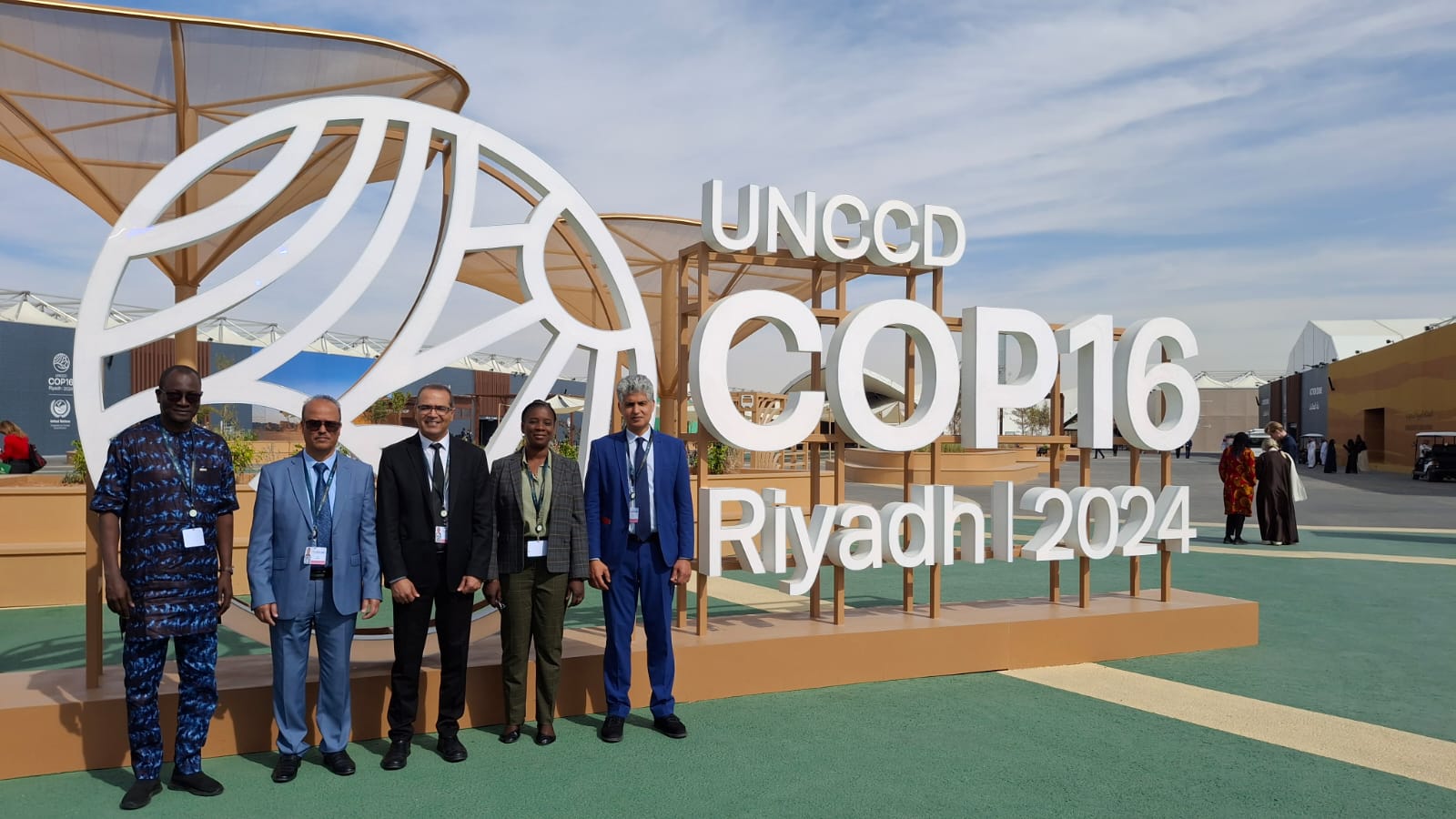
The participation of the Sahara and Sahel…
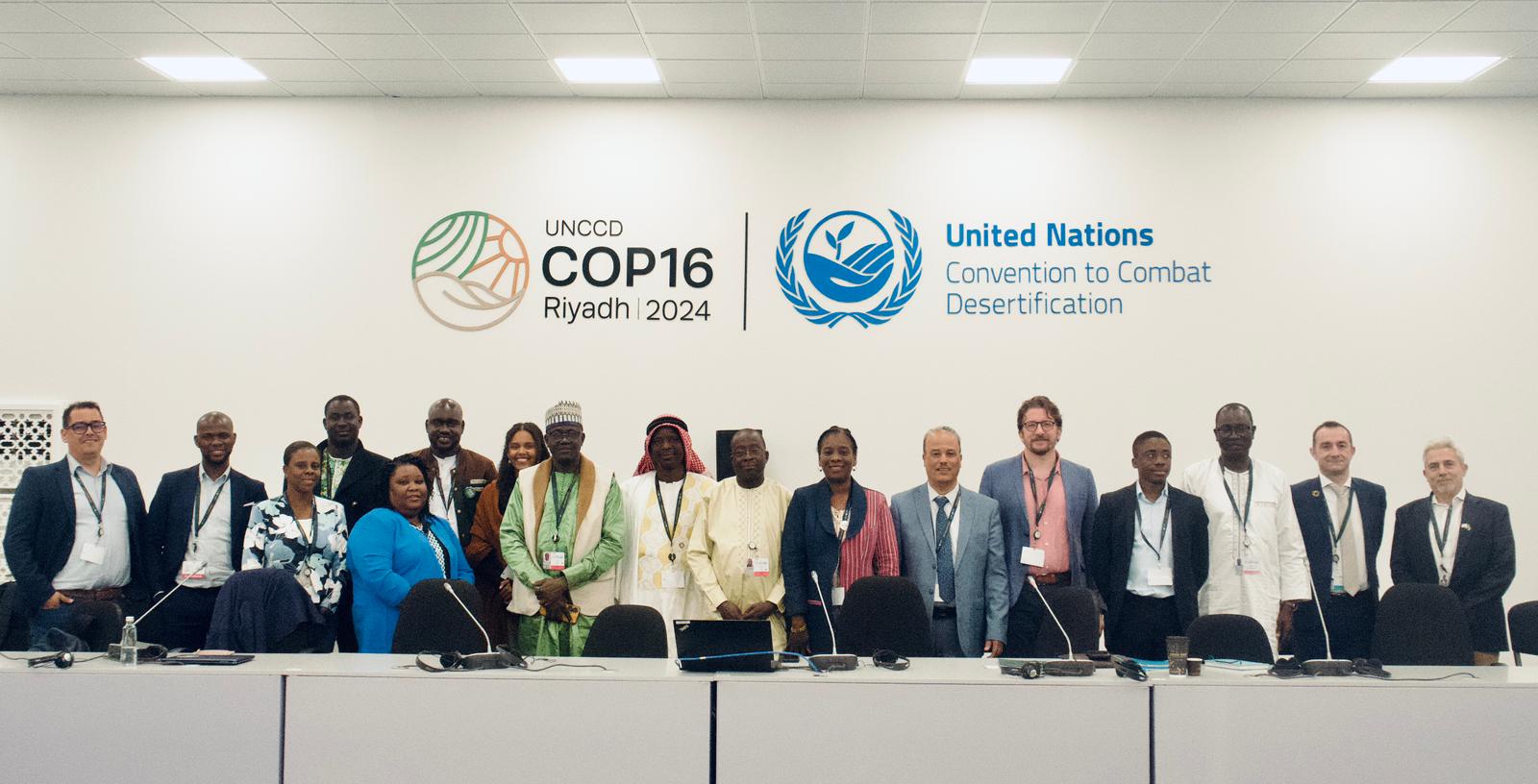
OSS Side Event at COP16: Strengthening Resilience in the Sahel through Multi-…