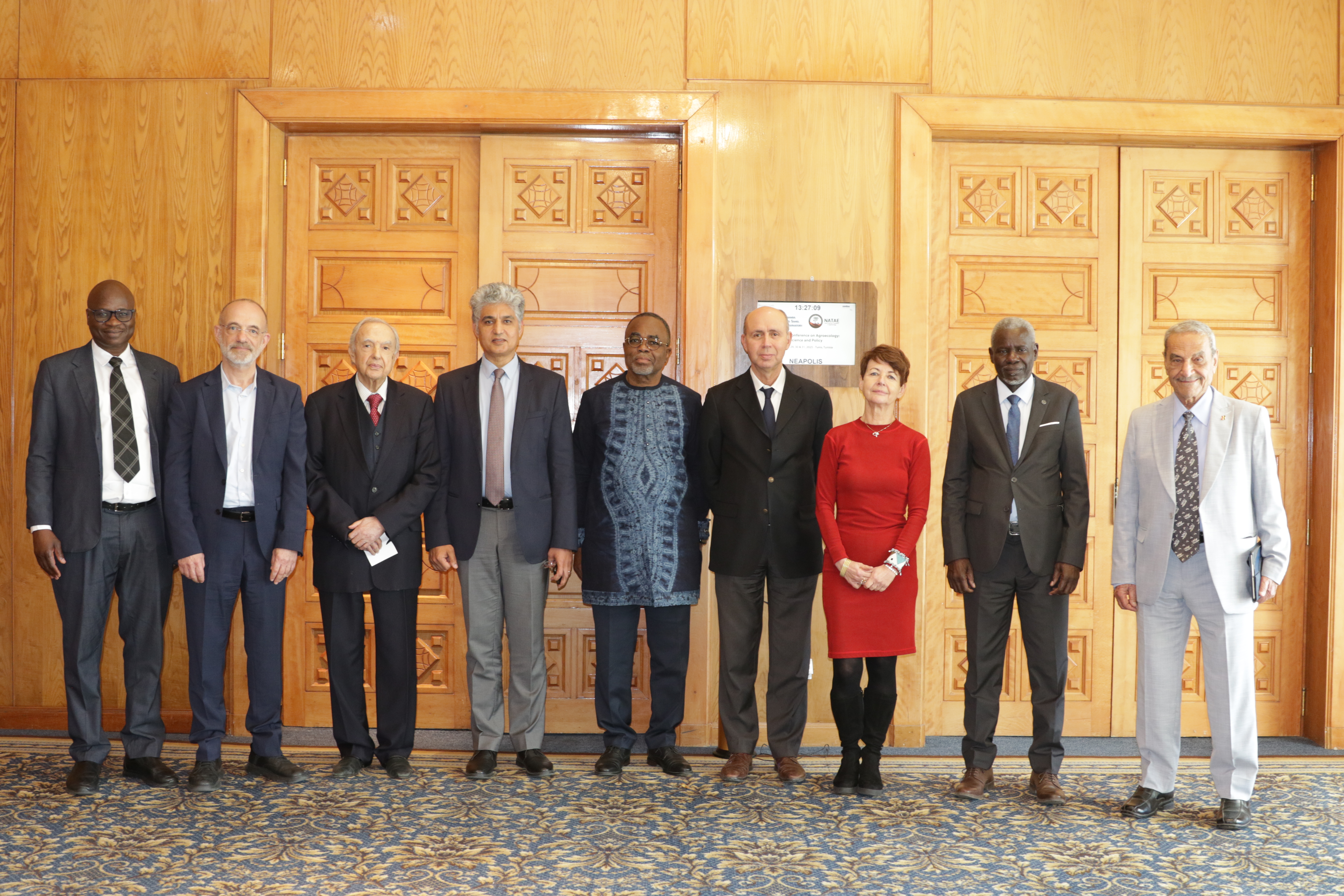
27th Session of the OSS Strategic Orientation Committee, Tunis, January 28, 2025
Held on January 28, 2025 in Tunis, the 27th session of the Strategic Orientation…
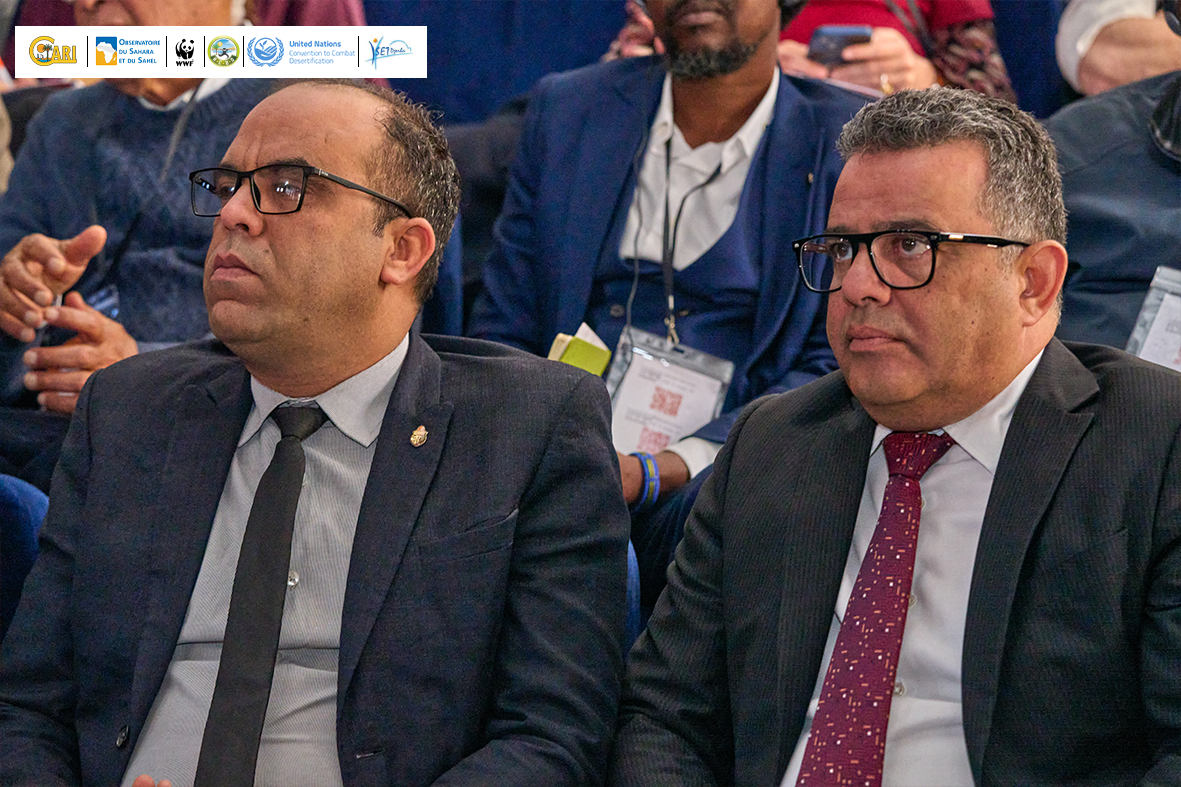
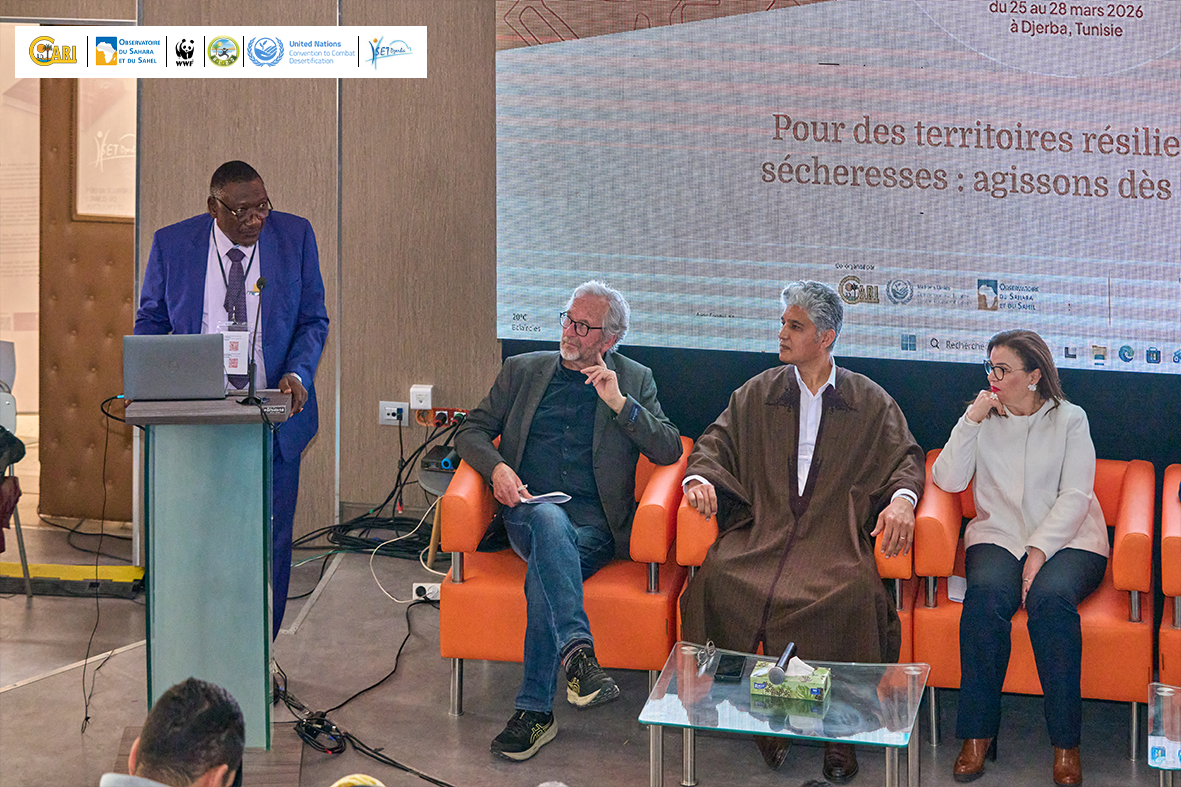
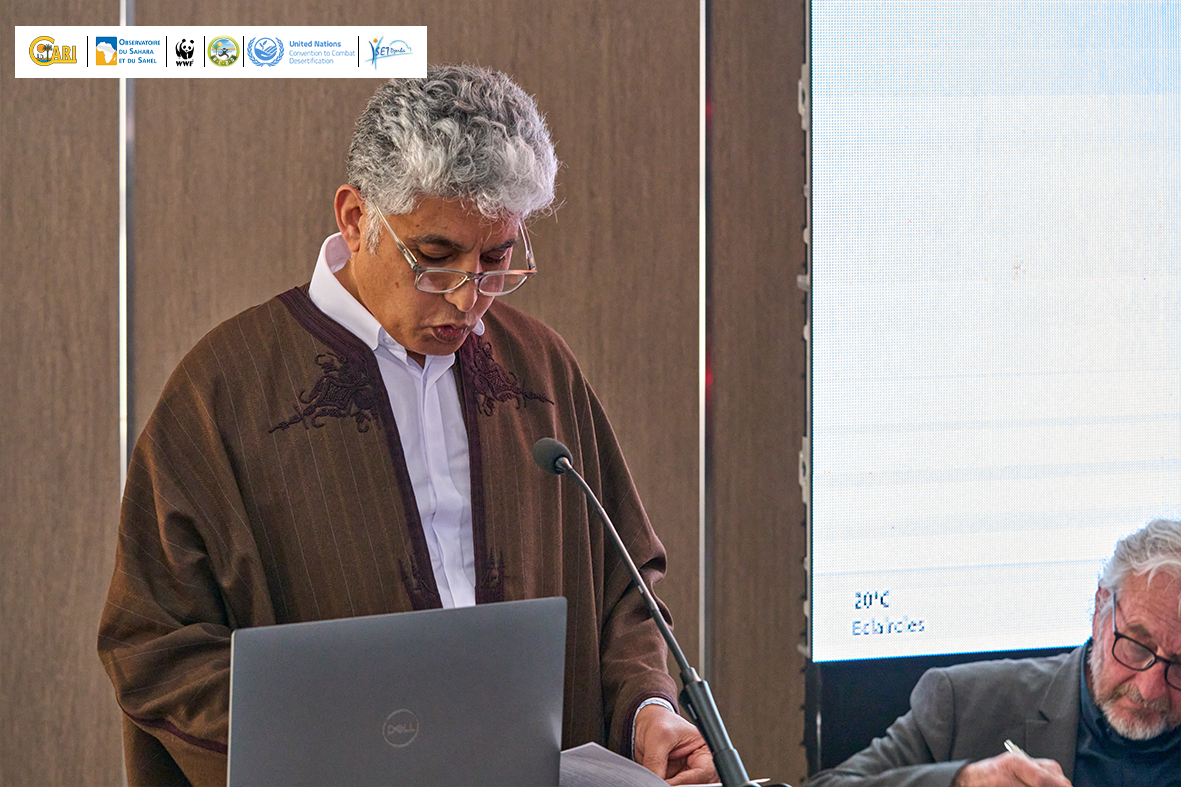
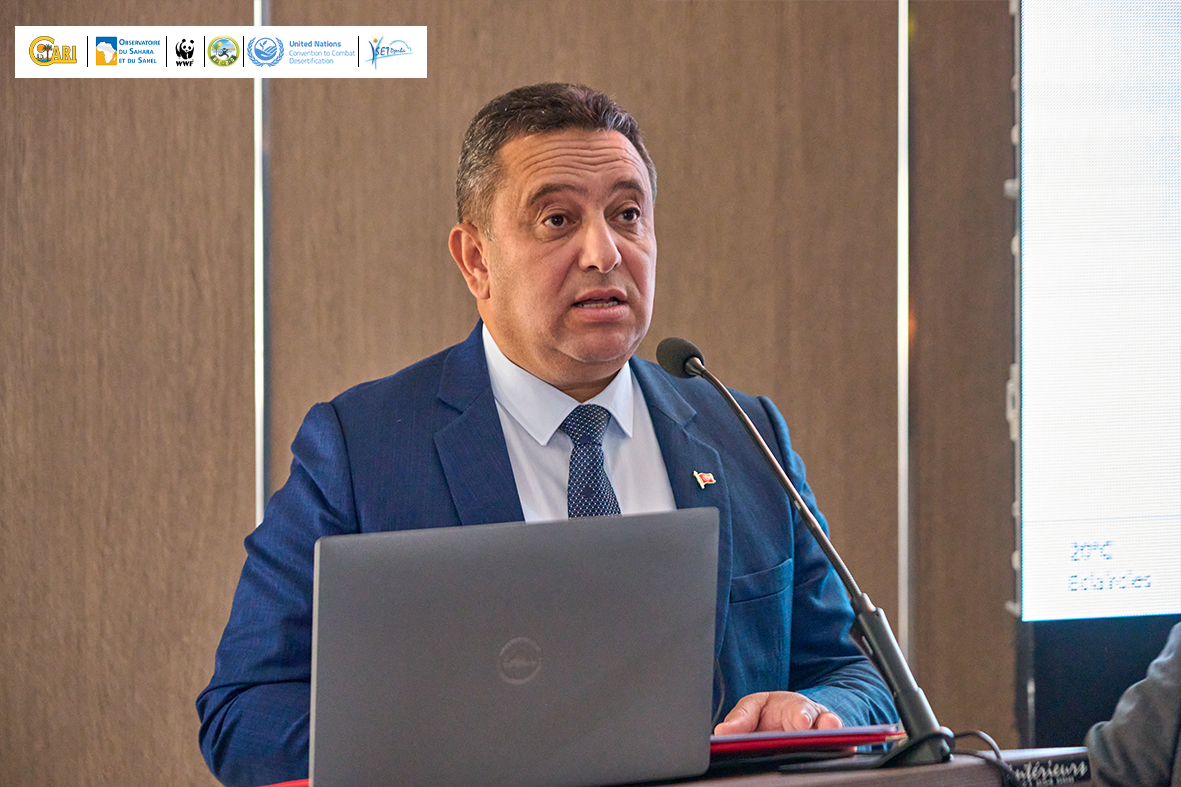
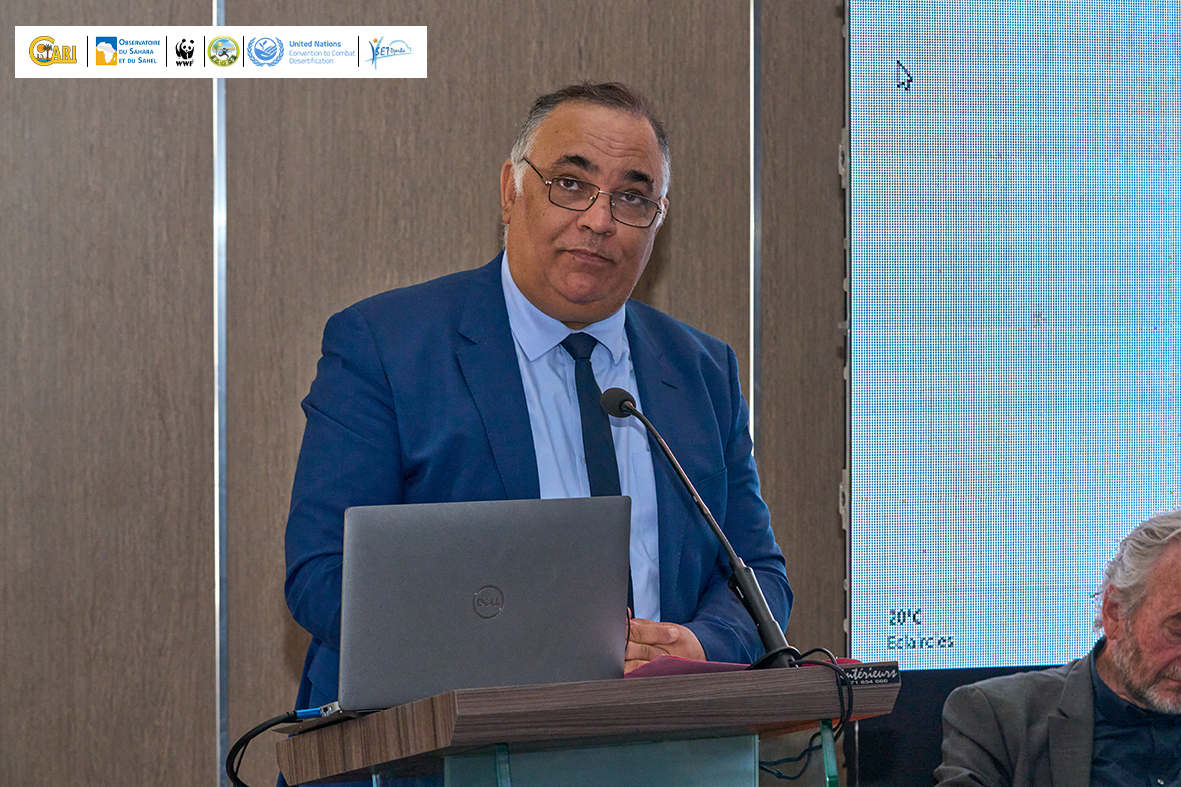
Djerba, March 25, 2026
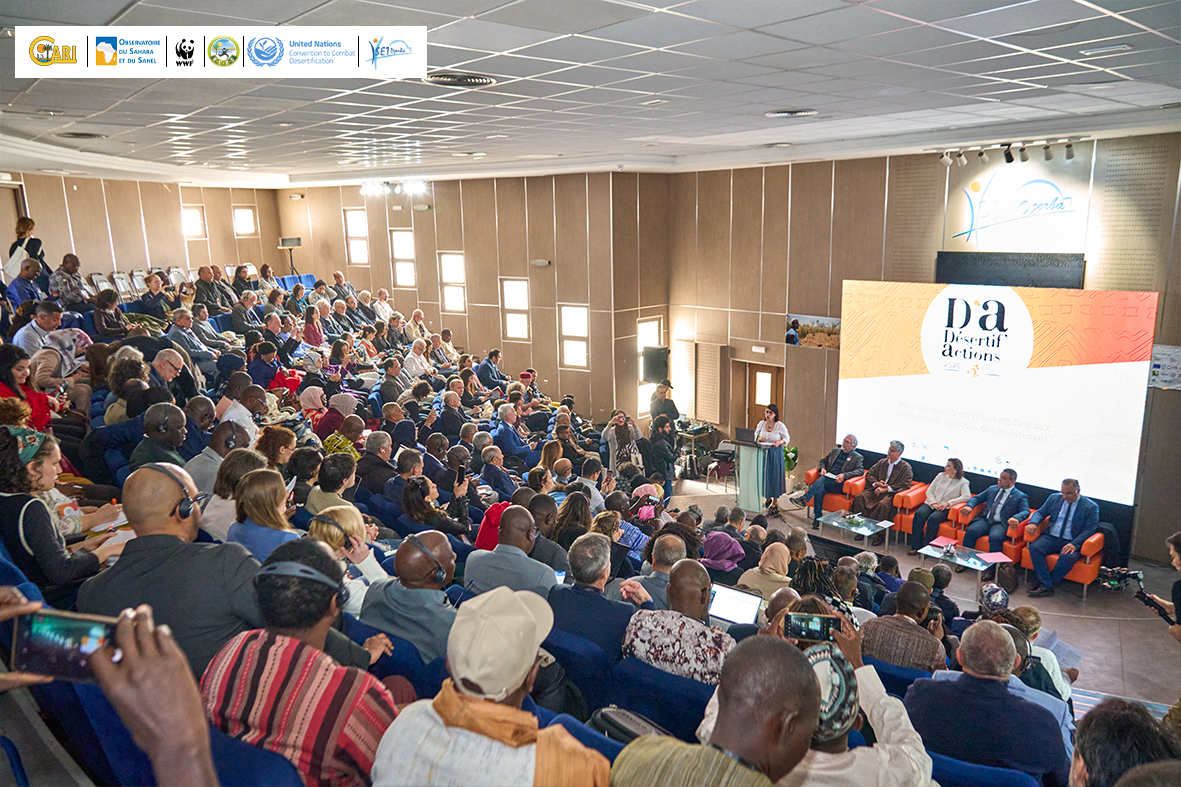
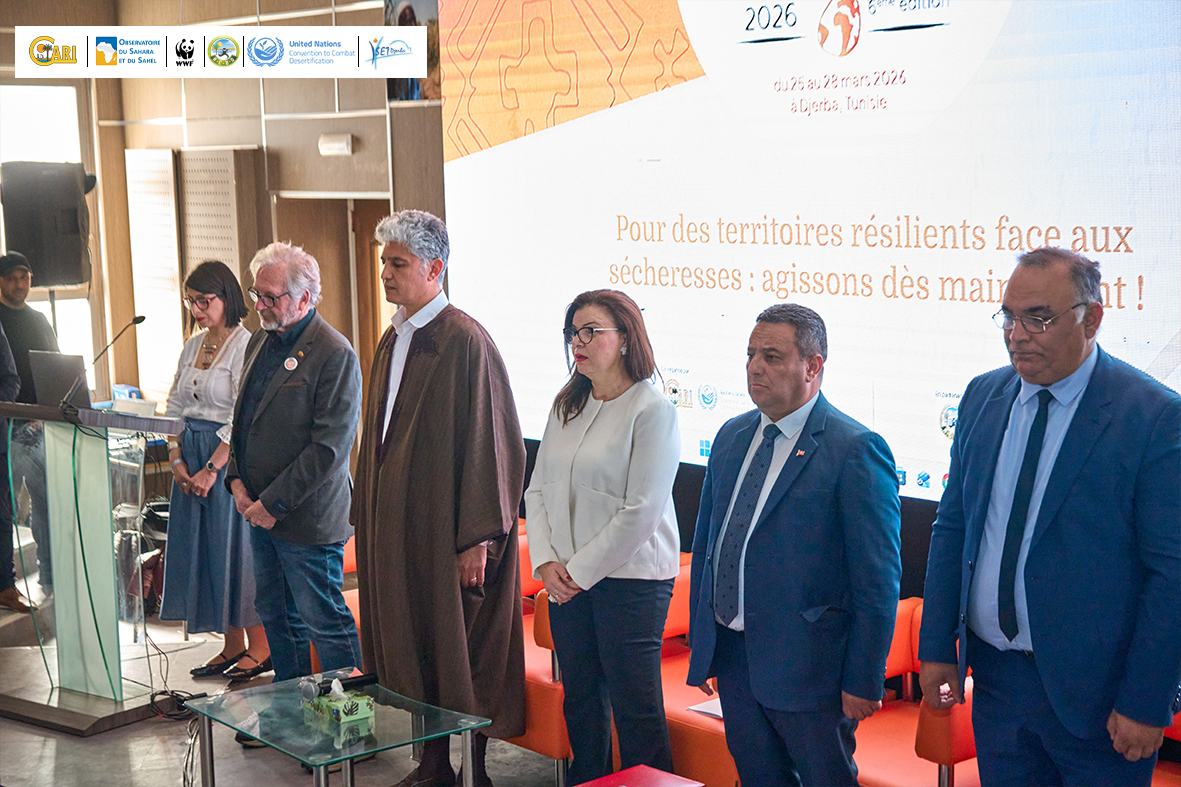
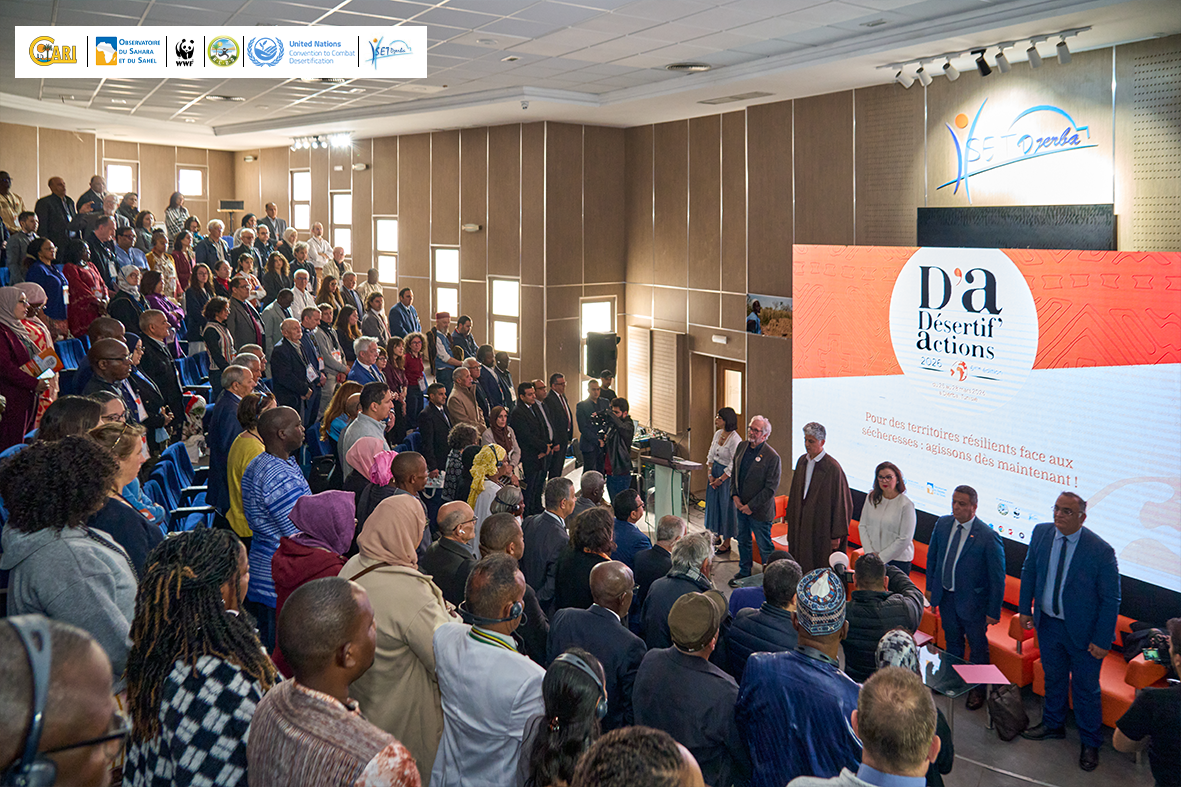
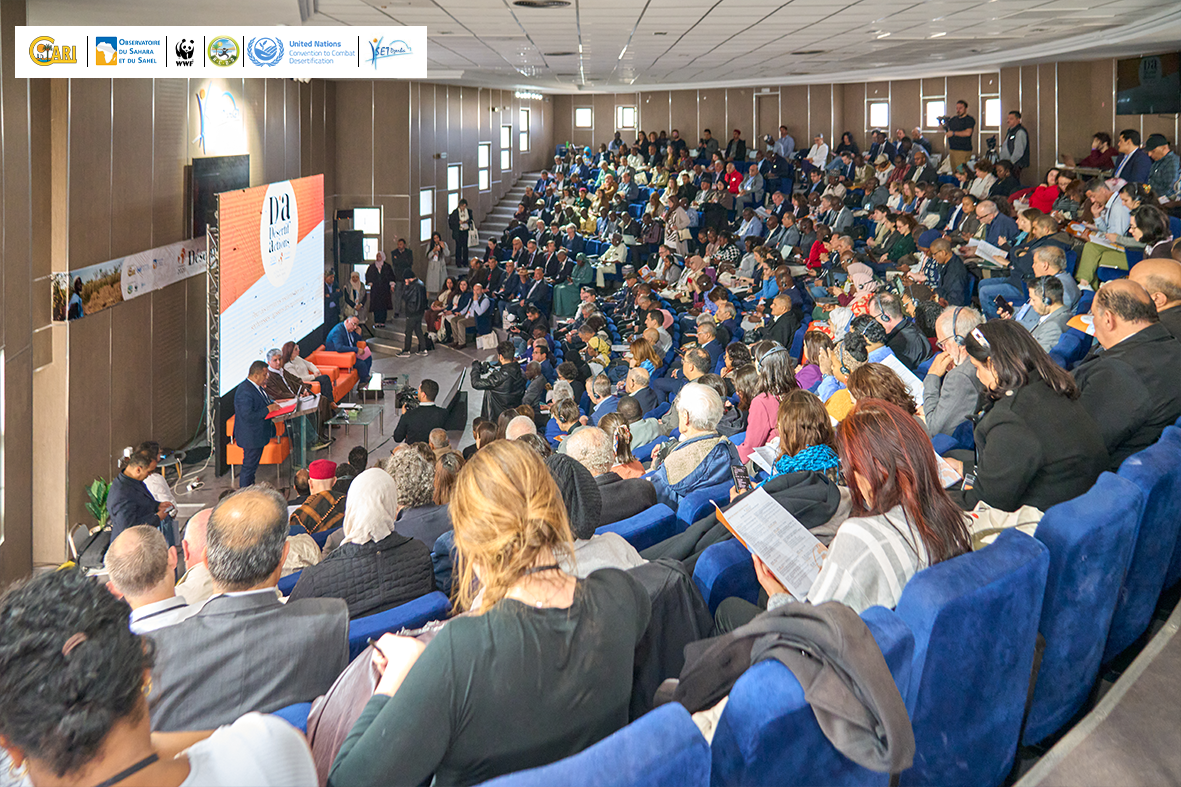
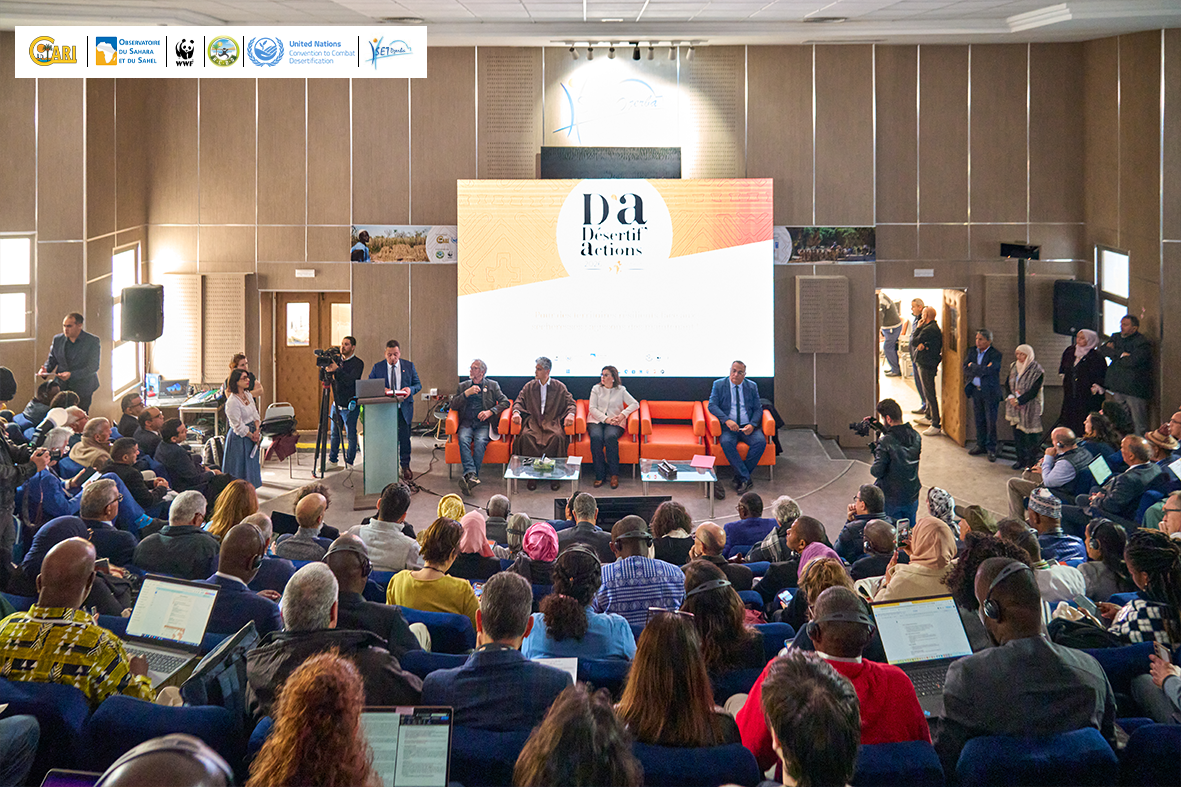
Désertif'actions 2026 opened against a global landscape marked by deepening climate, environmental and socio-economic crises, bringing together decision-makers, experts, international institutions, researchers and field actors around a shared objective: addressing land degradation and drought.
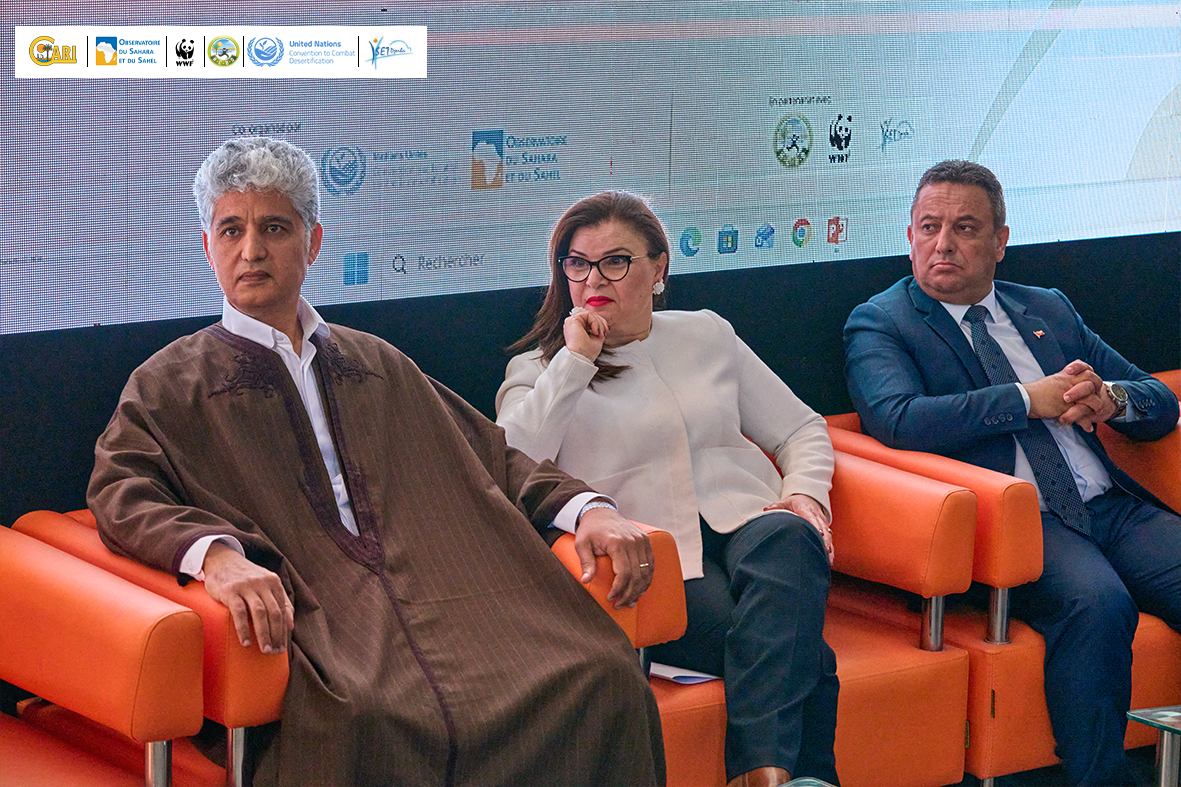
From the opening remarks, the Governor of Médenine, Mr. Walid Tabboubi, underscored the importance of localized responses and collective action in addressing the challenges faced by these regions. This commitment was reiterated by Mr. Habib Abid, Tunisia's Minister of Environment, in the opening address delivered by Ms. Awatef Messai, Acting Director General of the Directorate General for Environment and Quality of Life, who emphasised the importance of strengthening international cooperation and turning commitments into concrete actions.
Furthermore, Mr. Chedli Abdelli, Director General of the National Agency for the Promotion of Scientific Research and representative of the Minister of Higher Education and Scientific Research, emphasized the crucial role of research, training and innovation in enhancing our understanding of degradation dynamics and facilitating the implementation of tailored solutions aligned with national and regional contexts.
Mr. Mohamed Mehdi Haloui, Director General of the Tunisian National Tourism Office, spoke of the importance of environmental sustainability in tourism activities and explained that in a region like Djerba, preserving natural resources is crucial for maintaining its attractiveness, naming the need for responsible investments that focus on resilience.
Mr. Nabil Ben Khatra, OSS Executive Secretary, highlighted the importance of informed decision-making and unveiled the important role of knowledge, field experience, and decision-support tools. He underscored the necessity of collaborative solution-building with local stakeholders, emphasizing the importance of territorial-scale design.
Mr. Patrice Burger, President of the Centre for International Action and Achievements (CARI), reiterated the initiative's genesis in civil society, pointing-out that viable solutions must be recognized and disseminated.
This local anchoring was reiterated in messages conveyed remotely. Ms. Yasmine Fouad, Executive Secretary of the United Nations Convention to Combat Desertification (UNCCD), highlighted these challenges on a global scale, emphasizing the urgent need to accelerate the implementation of commitments. Ms. Monique Barbut, Minister for Ecological Transition, Biodiversity and International Climate and Nature Negotiations of France and former Executive Secretary of the UNCCD, shed light on the critical importance of scaling up financing and political commitment, while Dr. Osama Fqeeha, Advisor to the Presidency of CoP17, underscored the significance of this milestone as a genuine opportunity to translate commitments into tangible outcomes.
Moreover, partners emphasized the necessity to bring down the walls. Mr Kalifa Traoré, Director of the Institute of Rural Economy and Chair of the CORAF Board, drew attention to the importance of agricultural innovation and local knowledge as drivers of resilience. Mr Claude Gascon, Acting Director of Strategy and Operations at the Global Environment Facility (GEF), called for stronger links between territorial needs and existing financing mechanisms.
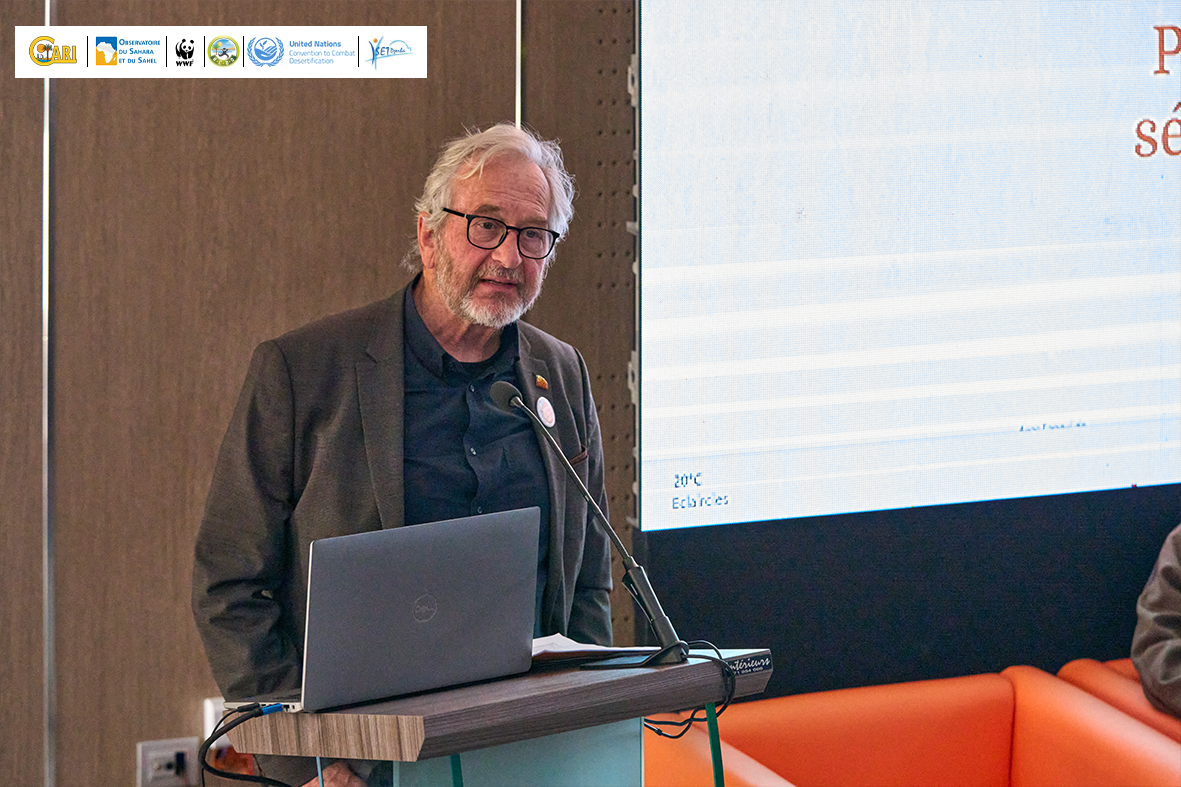
In conclusion, the Director General of CARI, Mr. Christophe Brosse, presented a program built around co-construction, aligned with the perspective of CoP17. He called for active participation to generate concrete and operational solutions.
This inaugural day establishes the foundation for an open dialogue, where the convergence of perspectives and experiences becomes essential to building responses that are commensurate with the challenges.
Held on January 28, 2025 in Tunis, the 27th session of the Strategic Orientation…
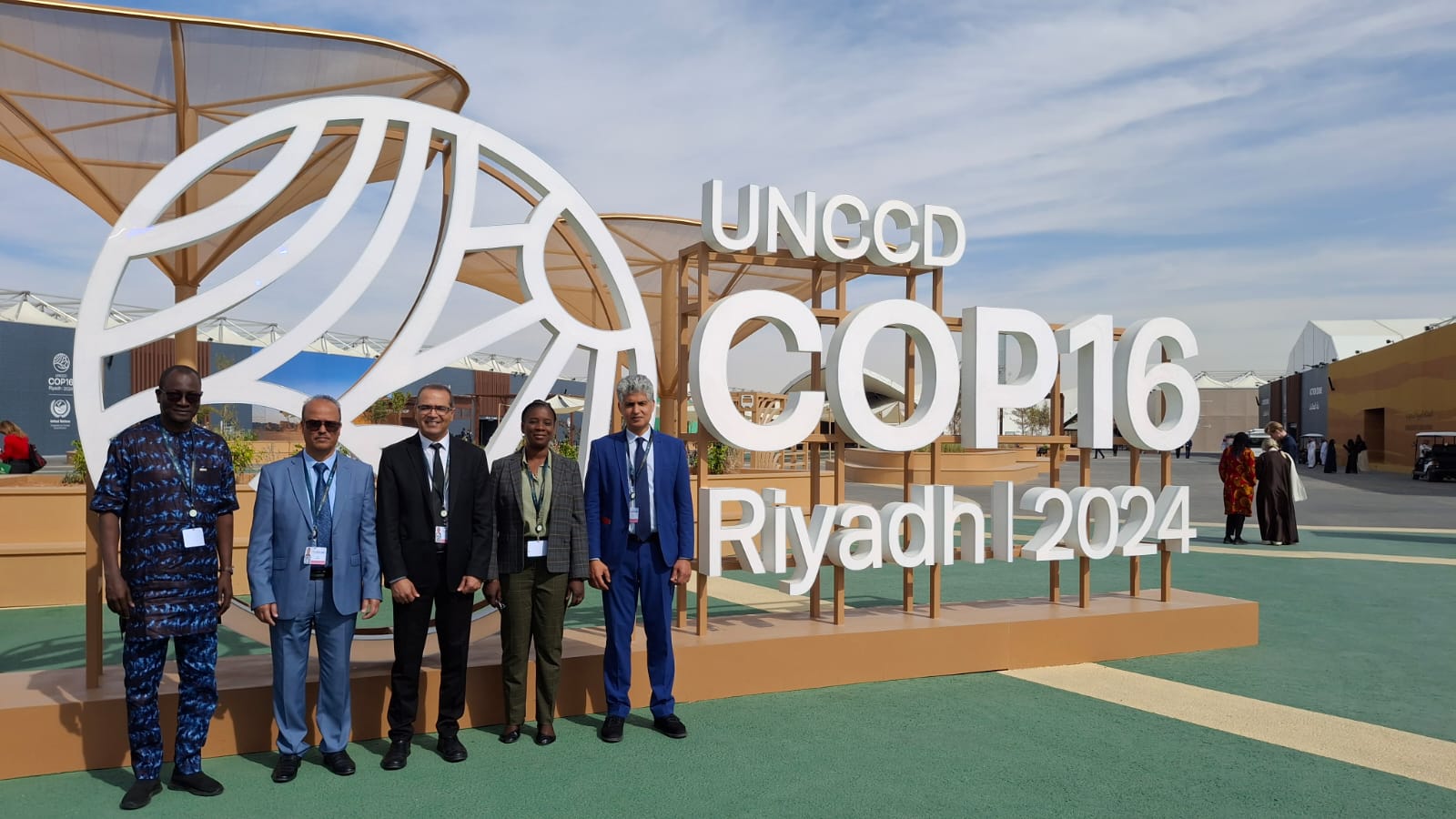
The participation of the Sahara and Sahel…
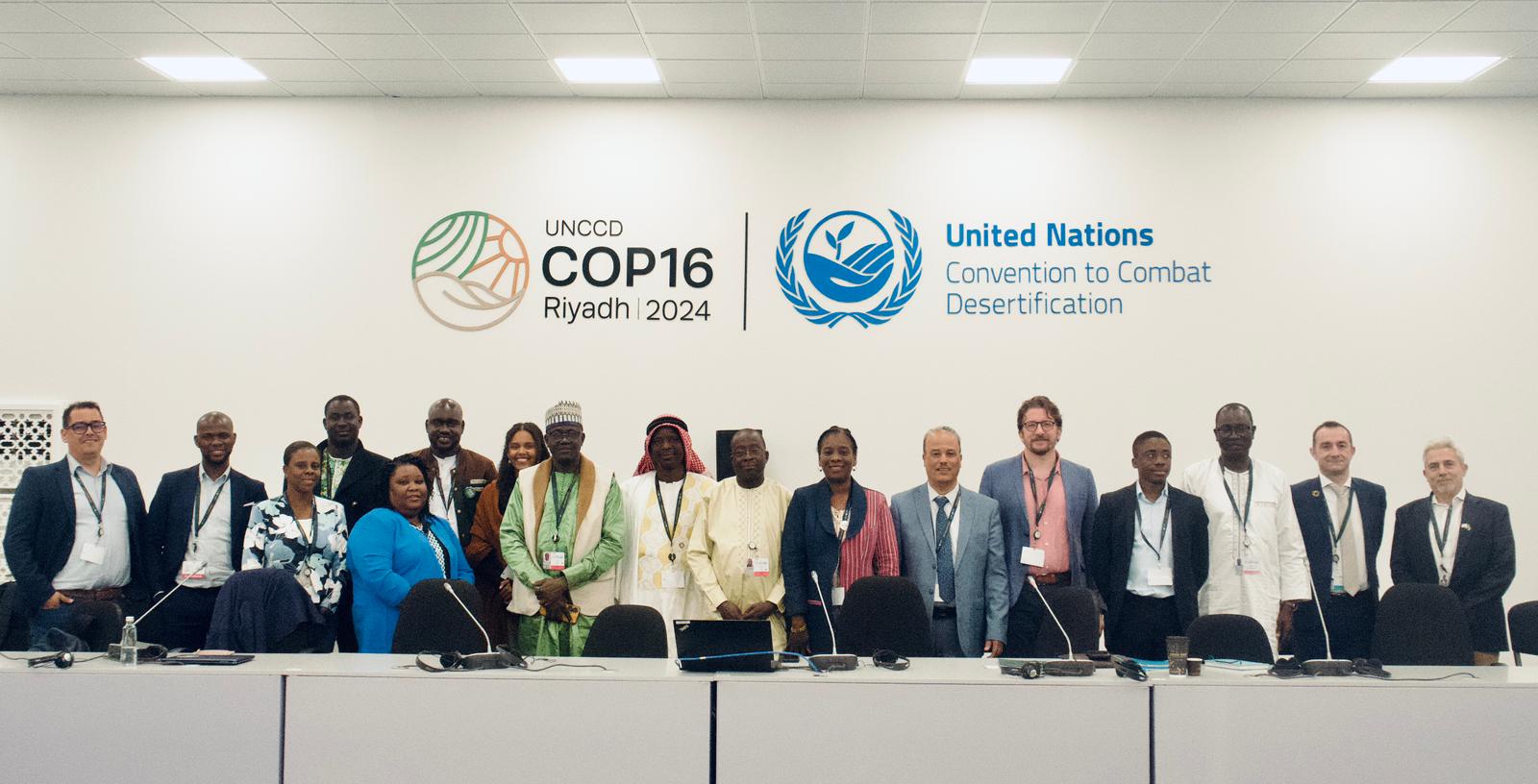
OSS Side Event at COP16: Strengthening Resilience in the Sahel through Multi-…