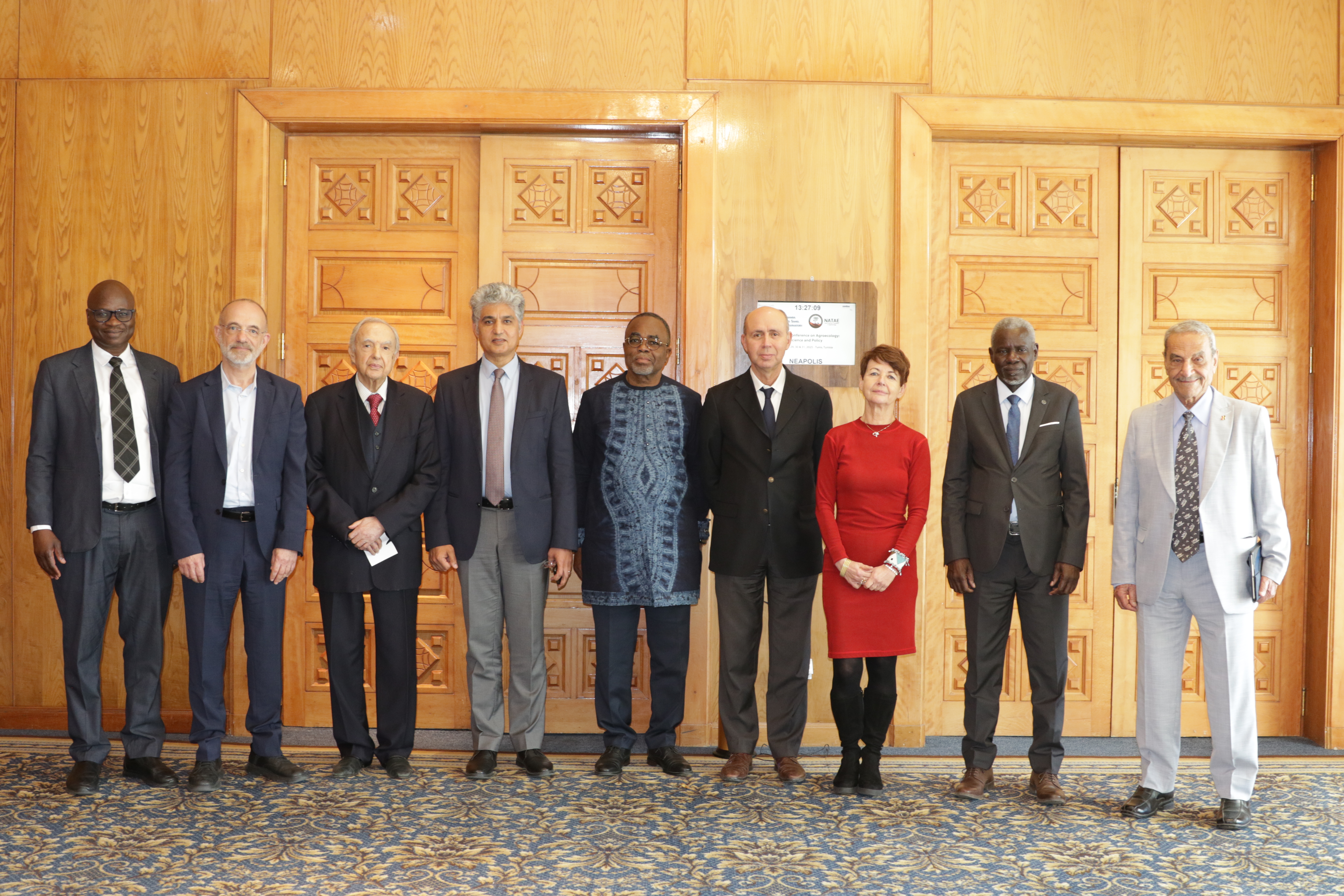
27th Session of the OSS Strategic Orientation Committee, Tunis, January 28, 2025
Held on January 28, 2025 in Tunis, the 27th session of the Strategic Orientation…
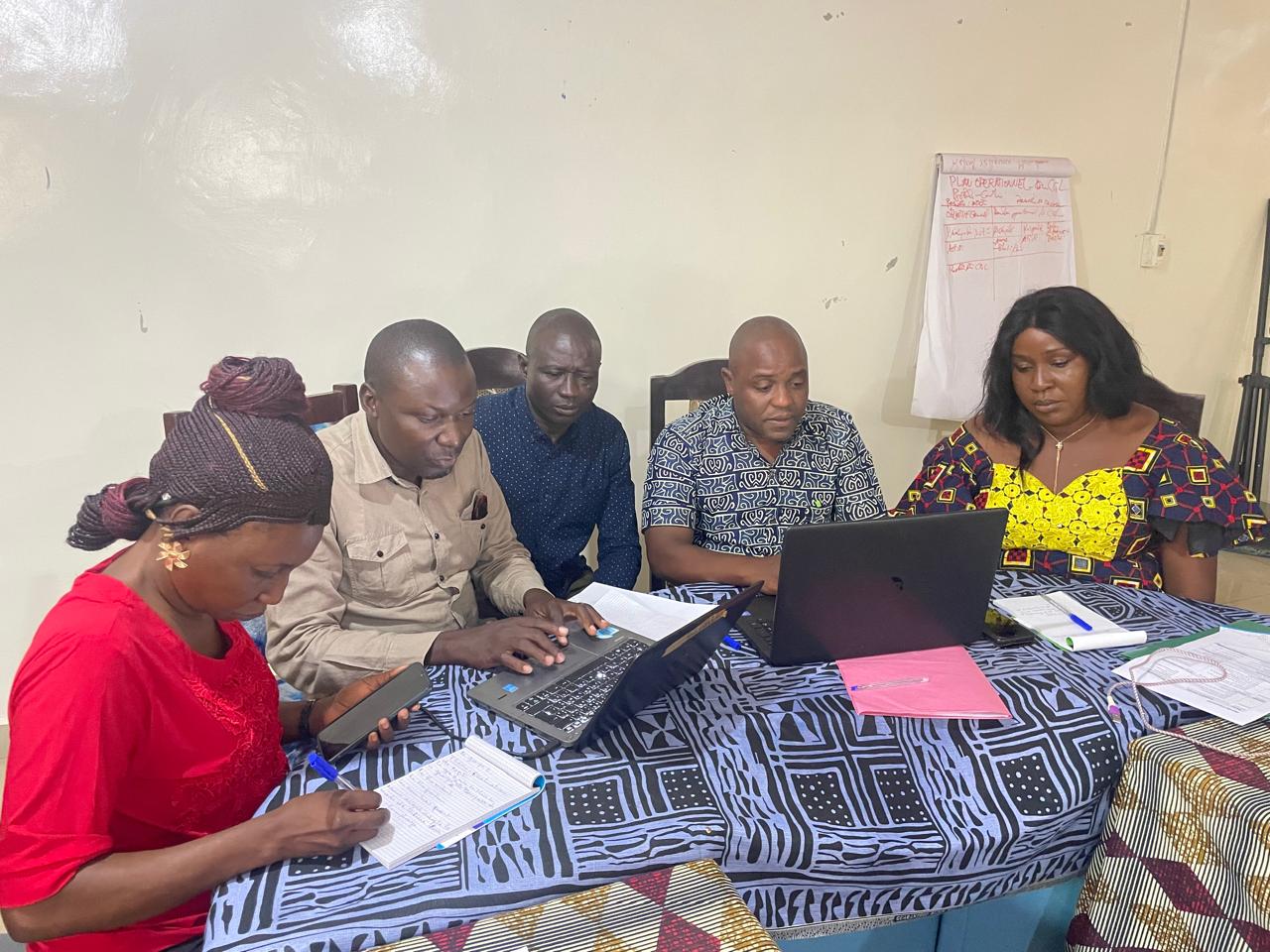
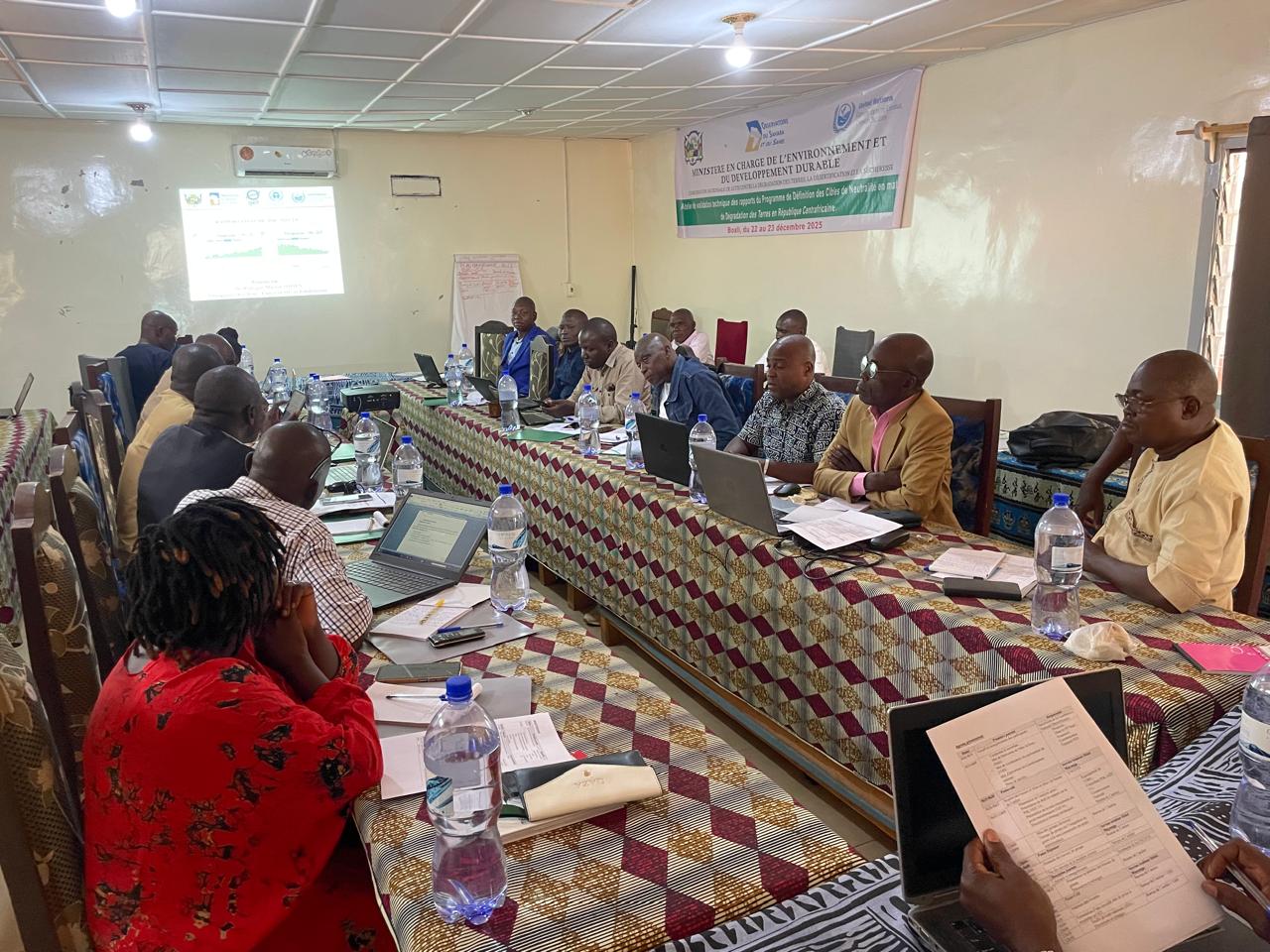
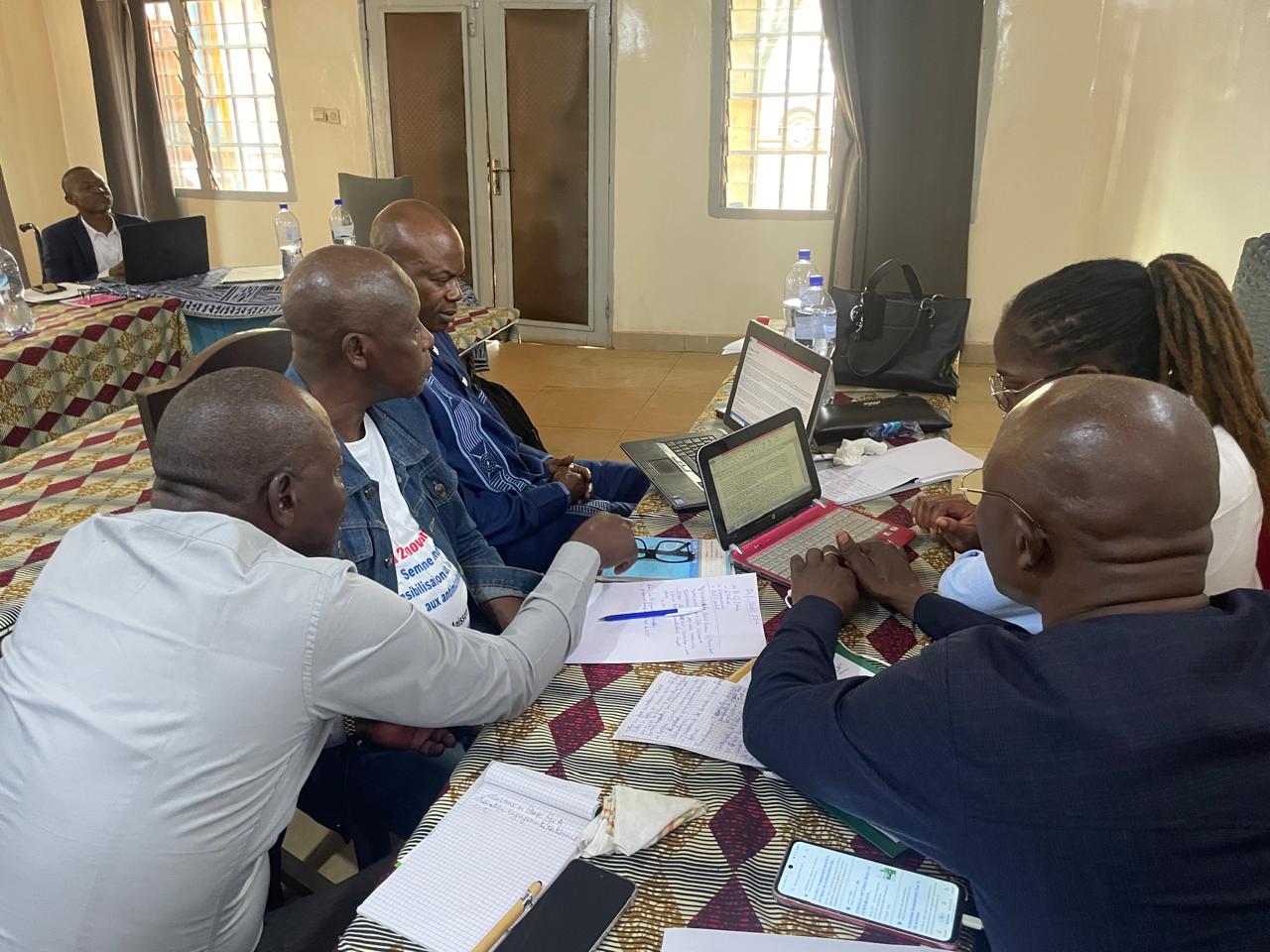
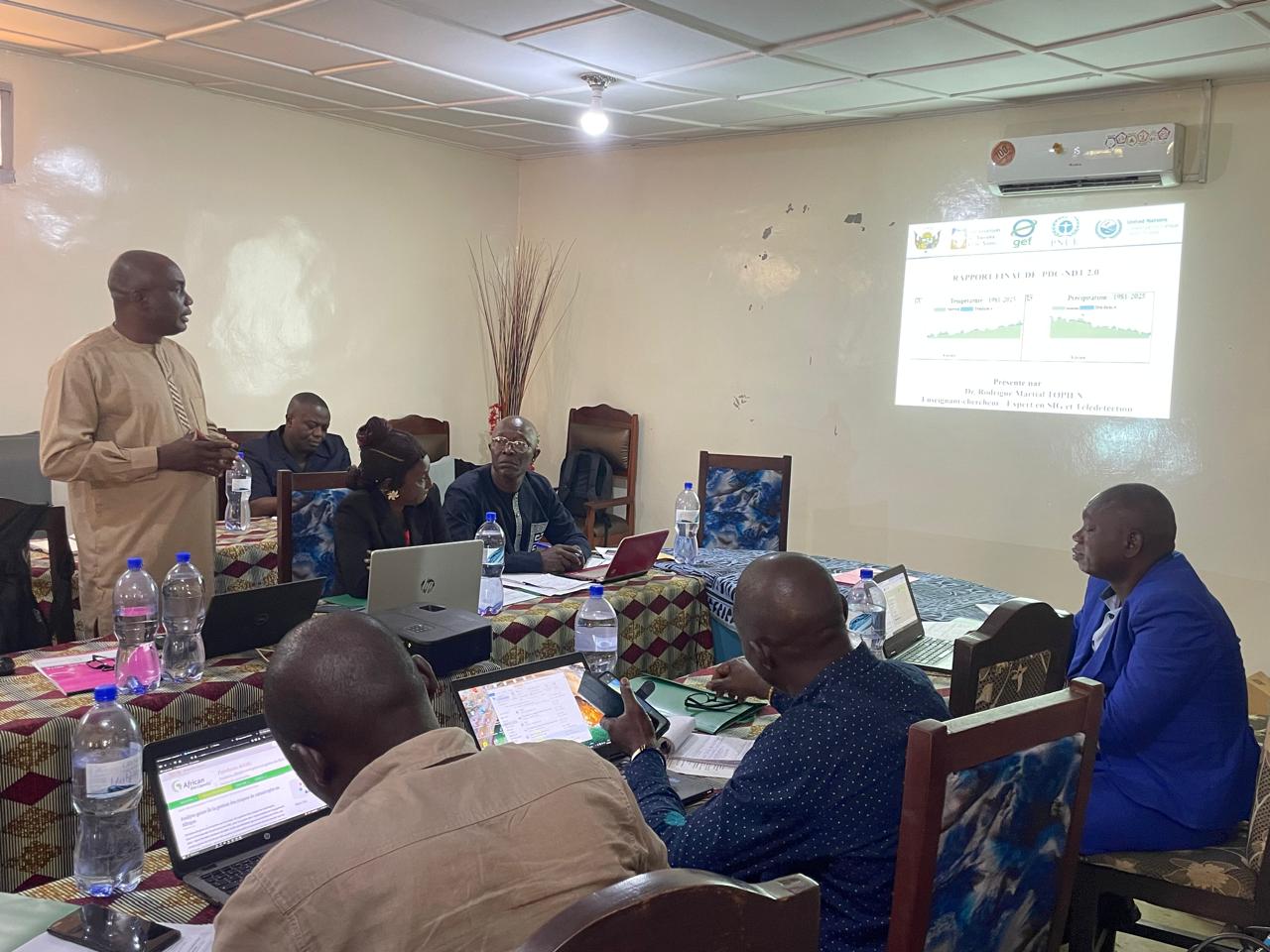
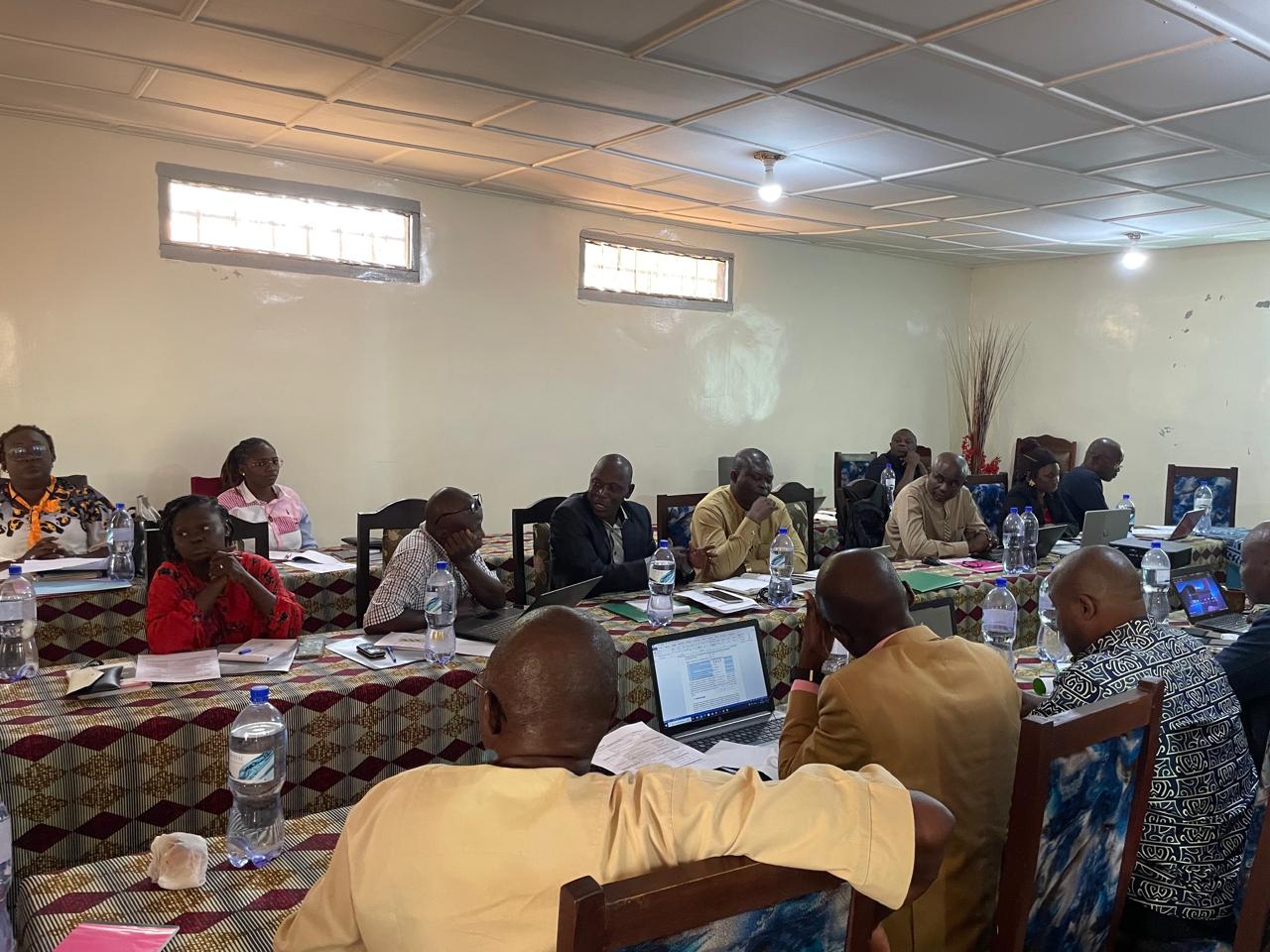
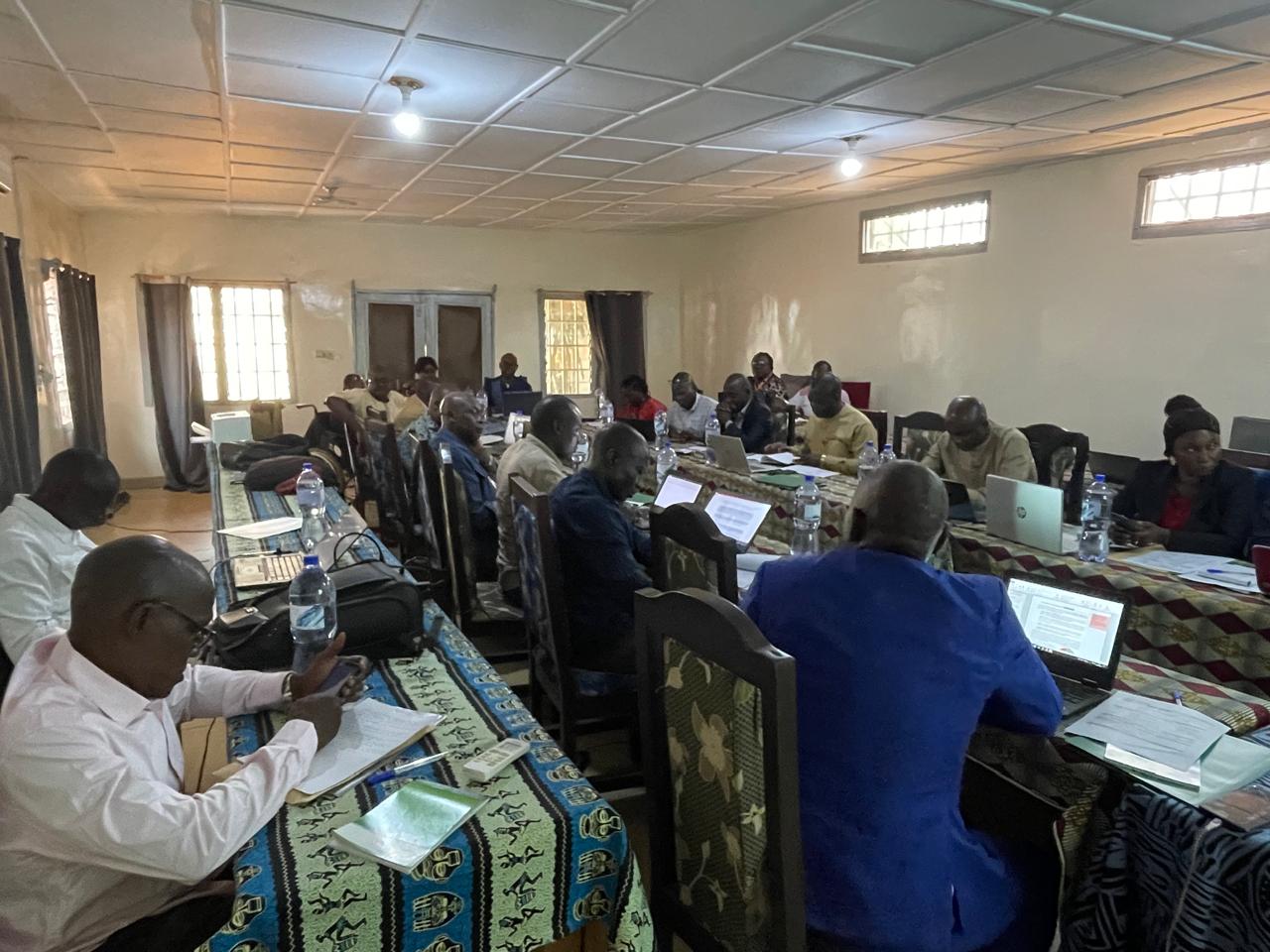
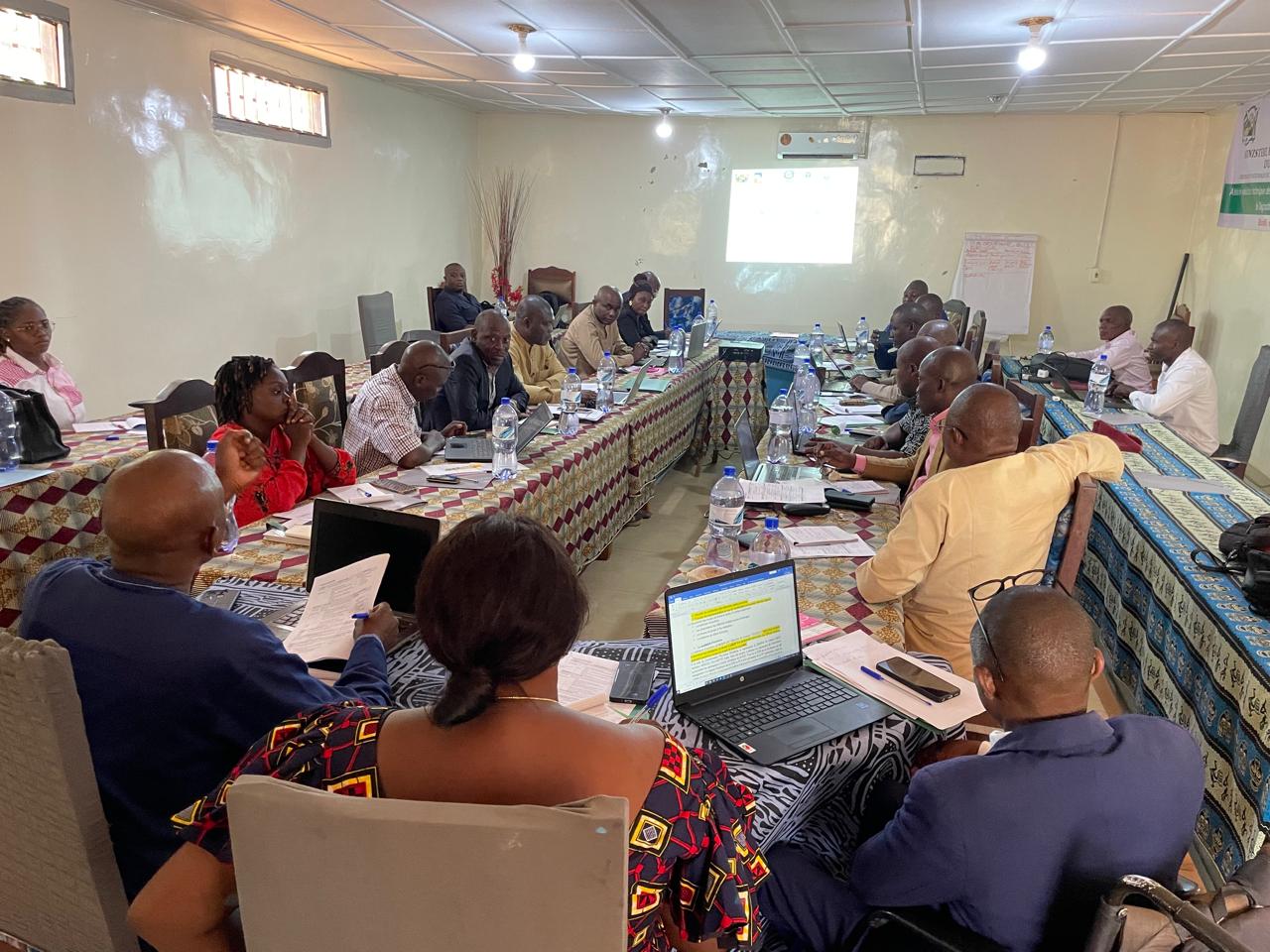
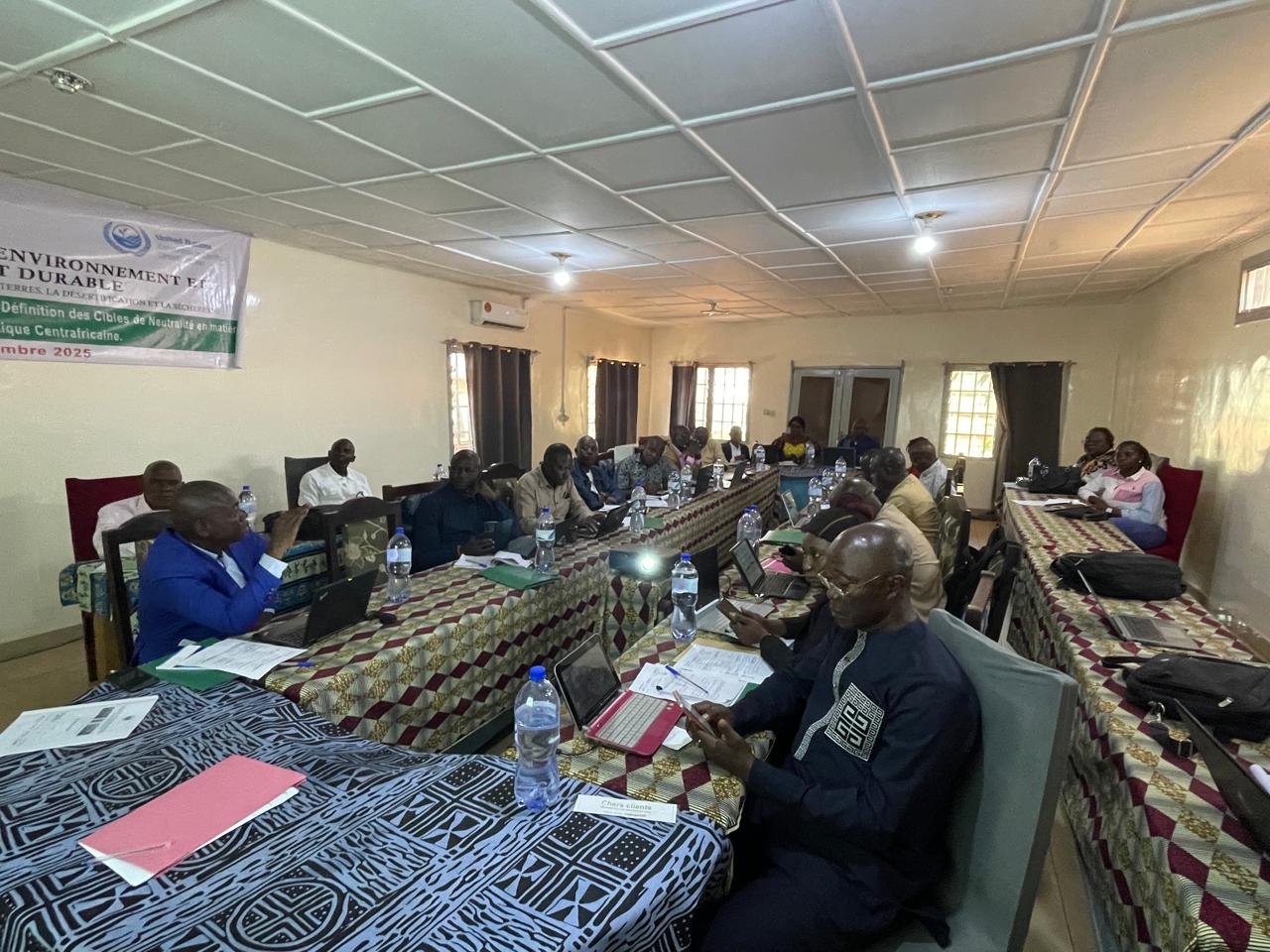
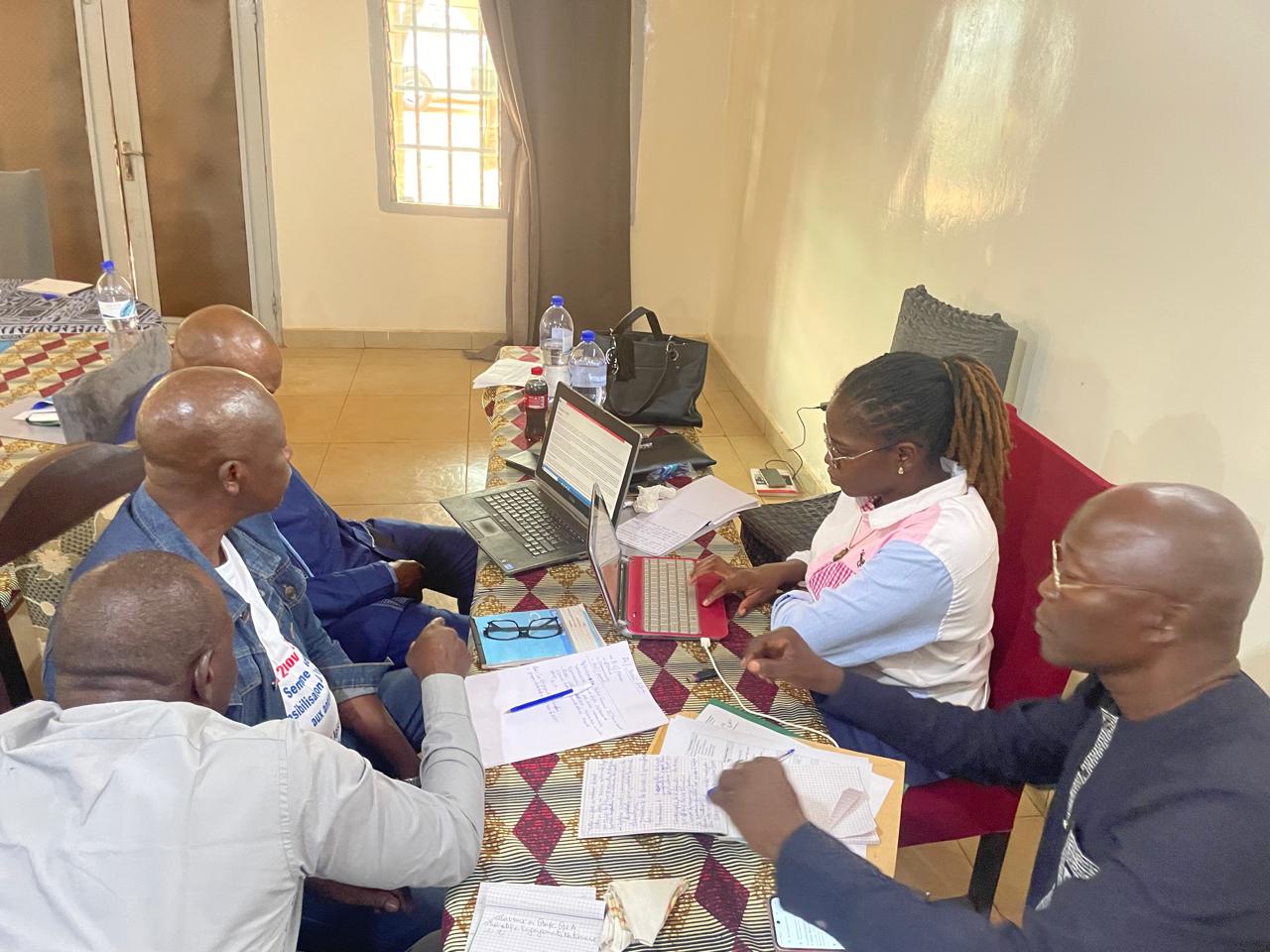
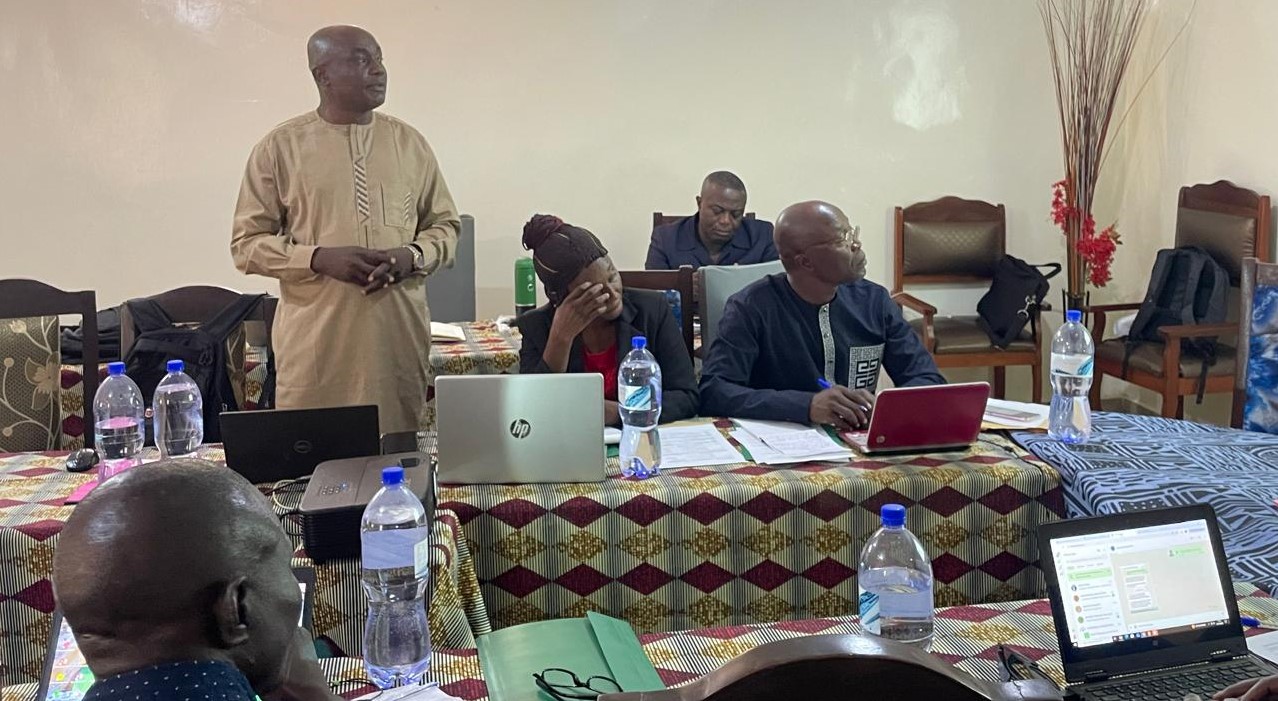
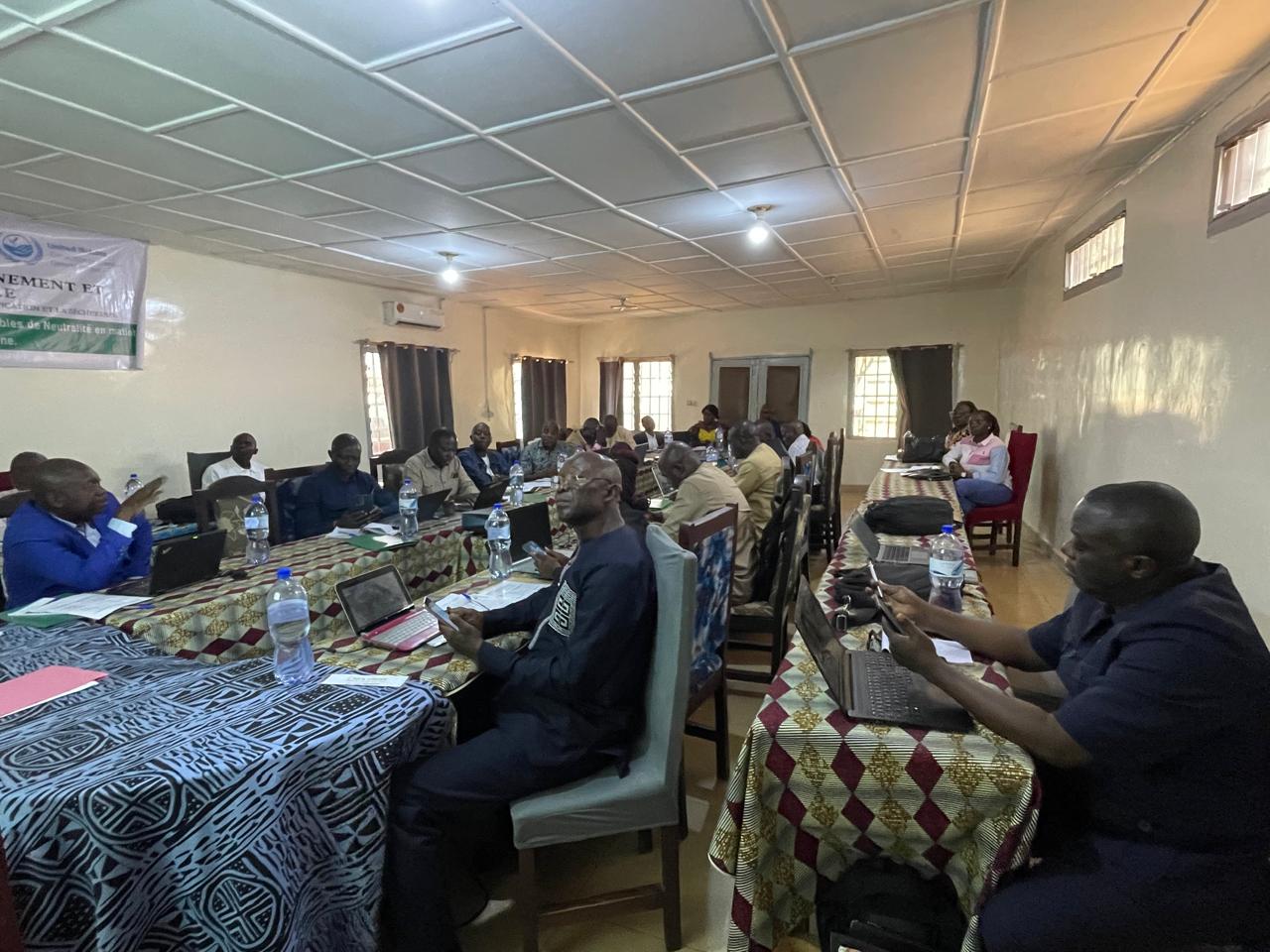
Boali, December 22-23, 2025
Validation of LDN 2.0 targets, gender analysis and a transformational project in Boali
As part of the implementation of the Land Degradation Neutrality Target Setting Program (LDN TSP 2.0), the Government of the Central African Republic, with the OSS technical support, is convening a national strategic meeting in Boali on December, 22–23. This event marks a decisive milestone in operationalizing the country’s commitments to sustainable land management.
Strengthened LDN 2.0 targets grounded in national realities
Through the revision and validation of its LDN 2.0 targets, the Central African Republic reaffirms its ambition to significantly reduce land degradation, restore forest and pastoral ecosystems, and strengthen climate resilience across the territories and communities. Aligned with SDG target 15.3, the revised Nationally Determined Contribution (NDC) and national development priorities, these targets now serve as a strategic reference framework for public action and future investments in the land sector.
Gender analysis as a cornerstone of equitable and sustainable LDN implementation
The Boali meeting also highlights the strategic importance of the gender and social inclusion analysis conducted under the LDN TSP 2.0. The analysis underscores the central role of rural women, youth and vulnerable groups in sustainable land management, while revealing persistent structural inequalities in access to land, productive resources, finance and environmental governance.
The resulting recommendations provide a clear operational framework for mainstreaming gender across public policies, monitoring and evaluation systems, and project design. They form a critical foundation for ensuring that LDN implementation in the Central African Republic is not only environmentally effective, but also equitable, inclusive and socially transformative.
A transformational project to move from planning to action
A key outcome of the meeting is the validation of the concept note for the transformational project entitled “Land Restoration and Climate Resilience Enhancement Project in the Central African Republic (PRT-2RC CAR)”. Covering the period 2026–2030, this project is specifically designed to operationalize the revised LDN targets by translating them into integrated, coherent and large-scale interventions.
The project aims to restore more than 370,000 hectares of degraded forests, rehabilitate 150,000 hectares of pastoral rangelands, enhance landscape productivity and ecological connectivity, strengthen carbon sequestration, and sustainably diversify local livelihoods, with particular attention to women and youth. Structured around four complementary components - governance and monitoring systems, ecological restoration, a leverage funding mechanism for livelihoods, and communication and participatory management -the project embodies an integrated, inclusive and transformative approach aligned with the country’s national and international commitments.
A nationally driven process supported by strategic partnerships
The success of the LDN TSP 2.0 in the Central African Republic builds on the key role of the Global Mechanism of the UNCCD, which serves as the program’s implementing agency and provides technical and strategic support throughout the process. This effort is underpinned by critical financial support from the Global Environment Facility (GEF), the main donor of the LDN TSP 2.0, enabling the translation of political commitments into concrete, bankable projects.
The joint validation of the LDN 2.0 targets, the gender analysis and the transformational project concept note reflects the Central African Republic’s commitment to a coherent approach in which land restoration, climate resilience and social justice are intrinsically linked. It places the country as a credible and proactive actor in the implementation of the UNCCD and the 2030 Agenda, while paving the way for increased resource mobilization to support an ambitious, inclusive and sustainable Land Degradation Neutrality pathway by 2030.
Held on January 28, 2025 in Tunis, the 27th session of the Strategic Orientation…
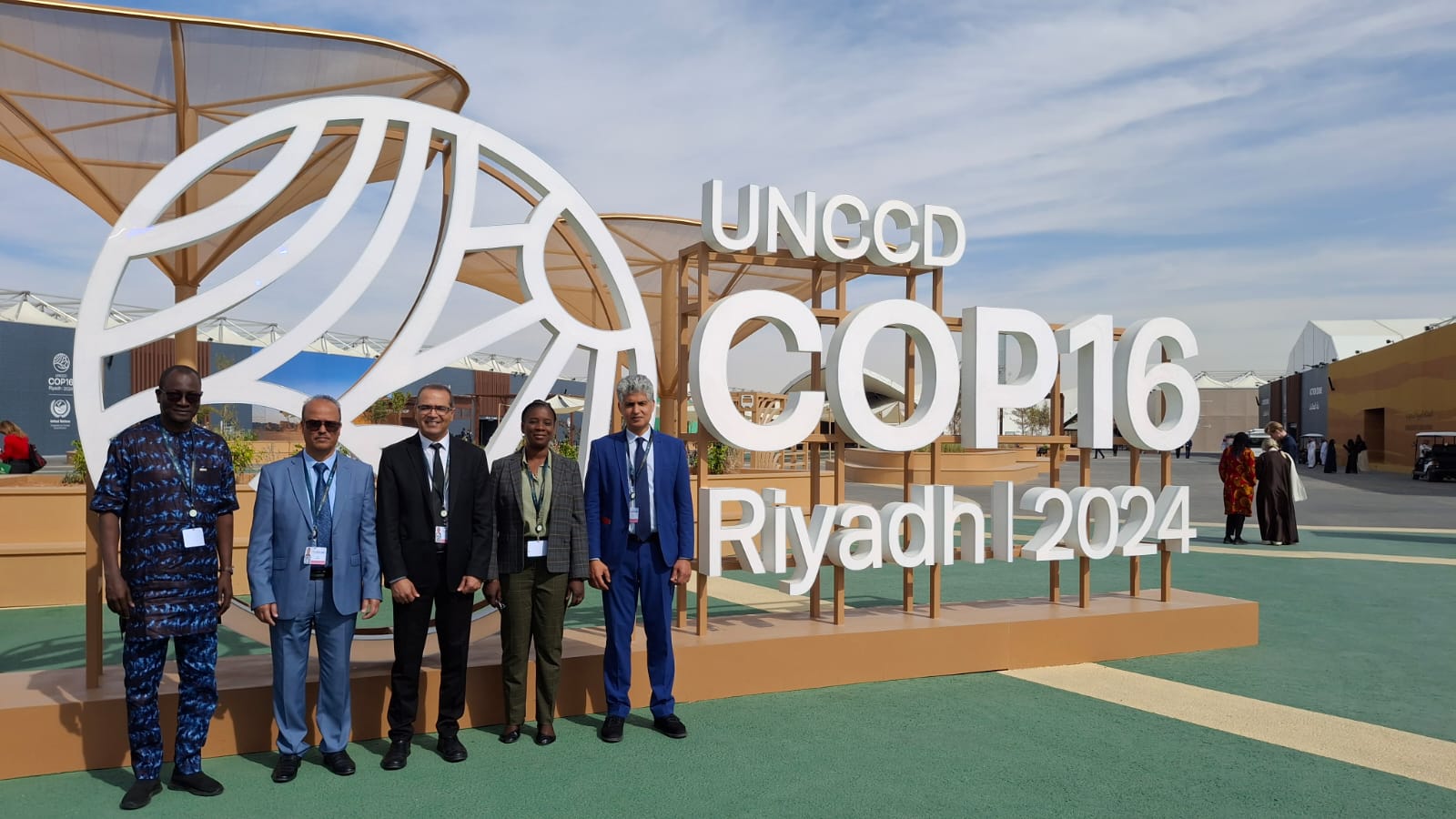
The participation of the Sahara and Sahel…
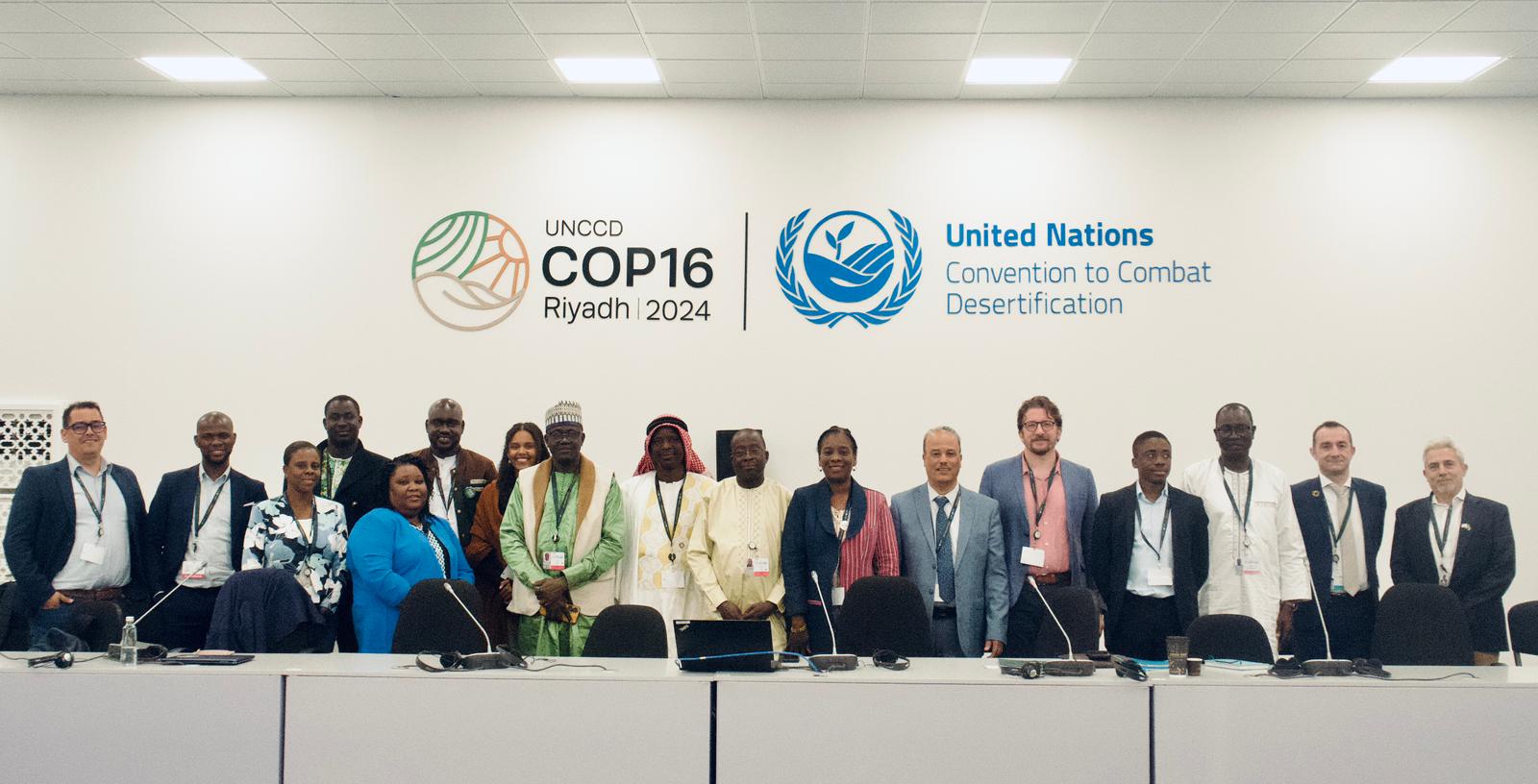
OSS Side Event at COP16: Strengthening Resilience in the Sahel through Multi-…