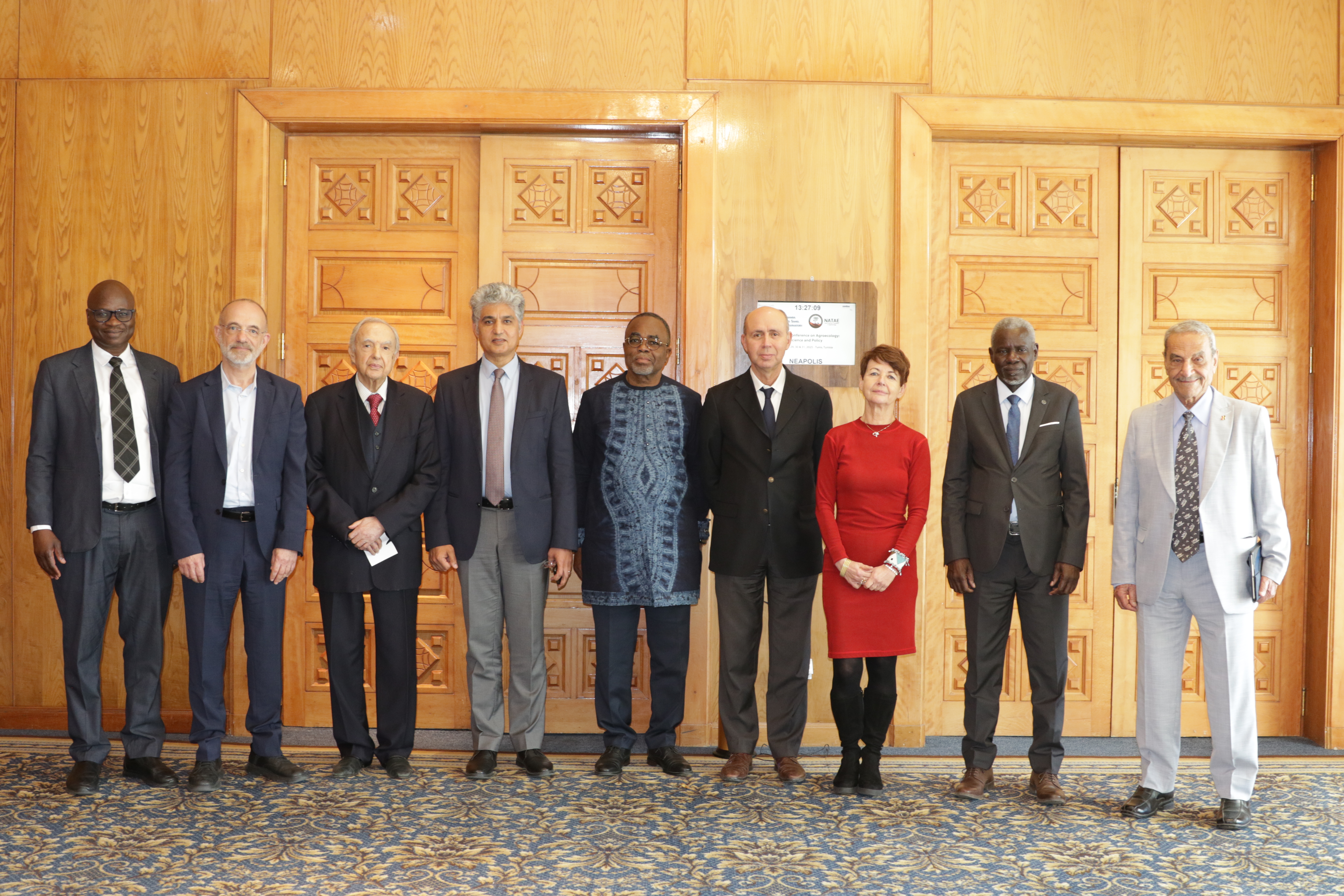
27th Session of the OSS Strategic Orientation Committee, Tunis, January 28, 2025
Held on January 28, 2025 in Tunis, the 27th session of the Strategic Orientation…
Tunis, 12 June 2026
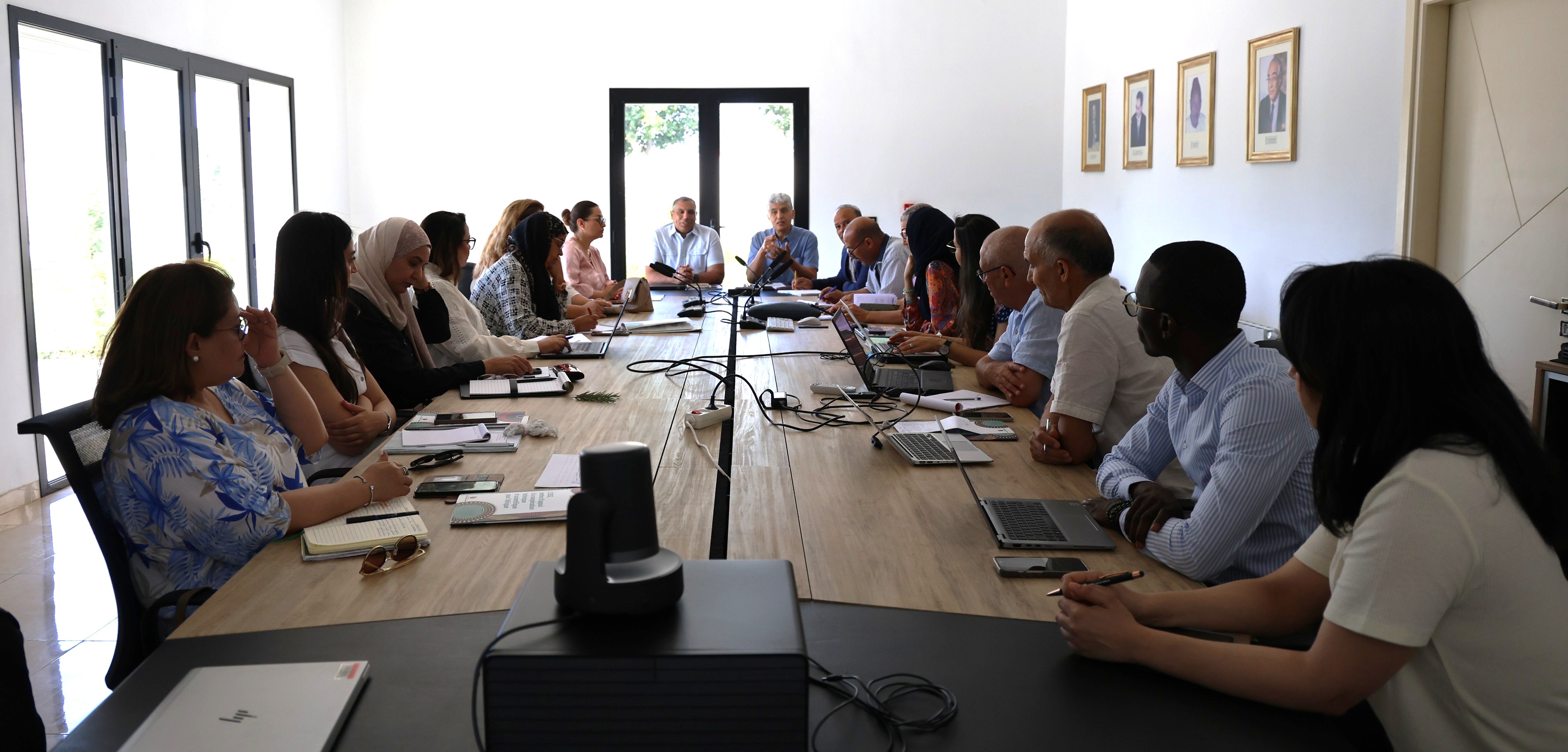
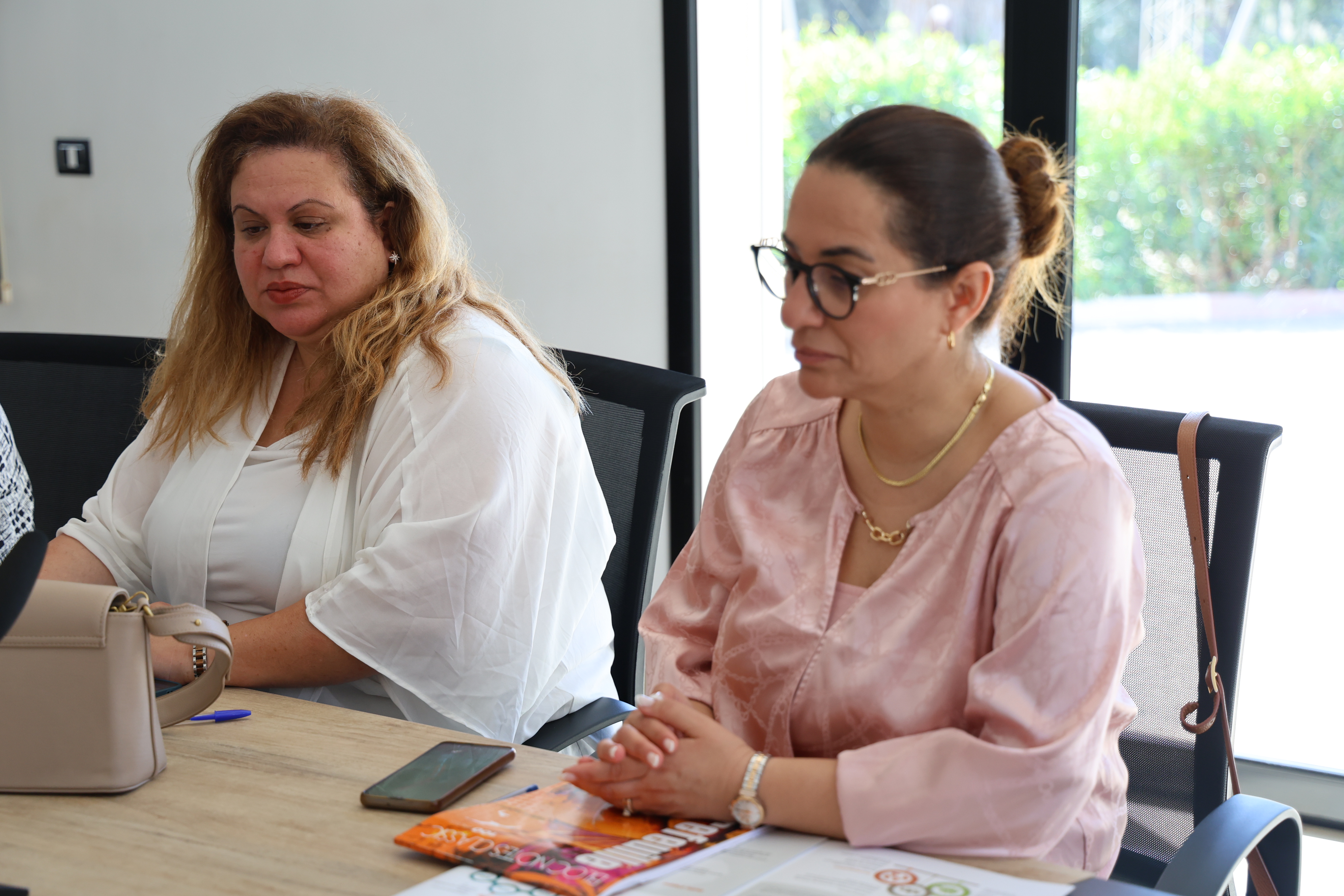
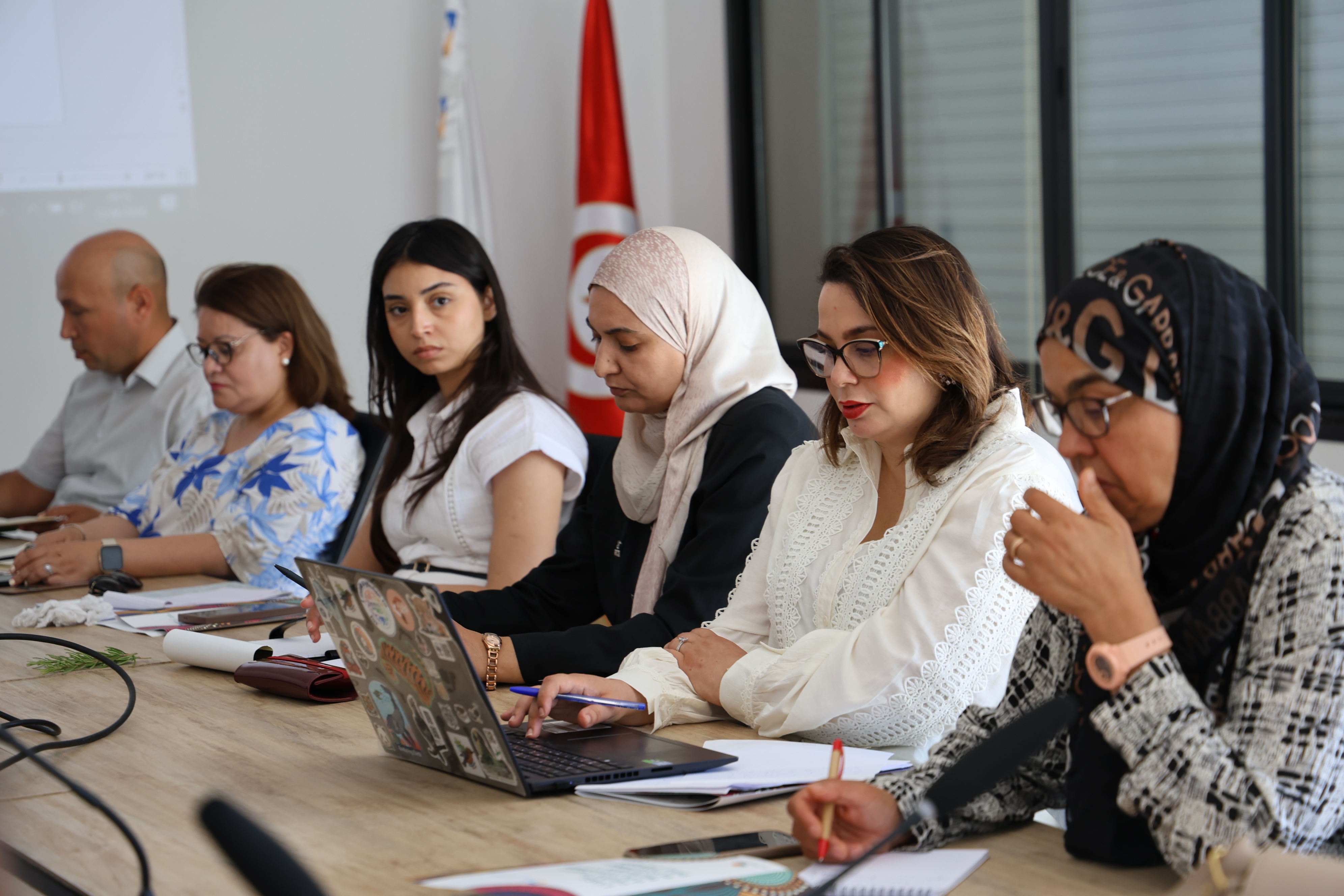
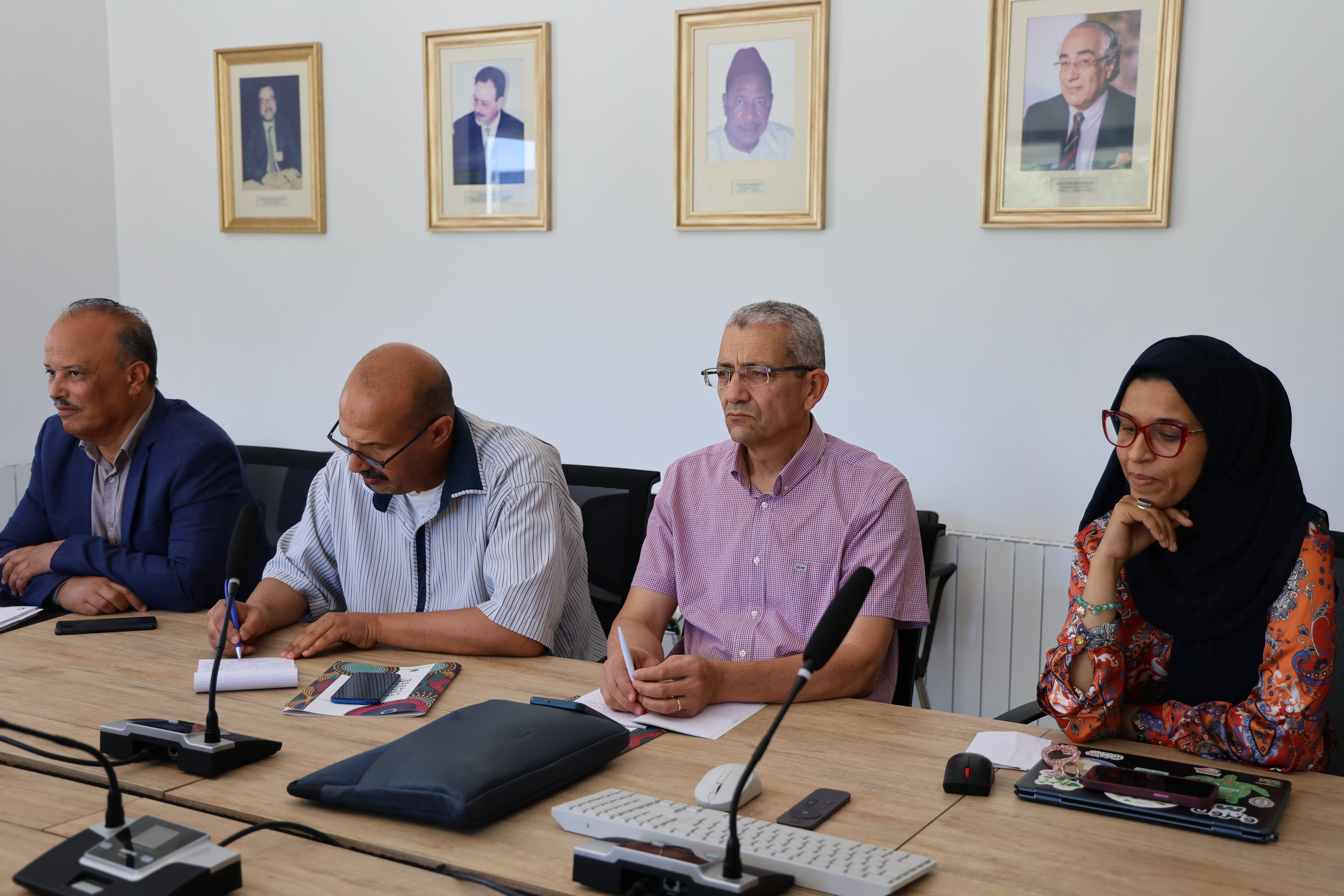
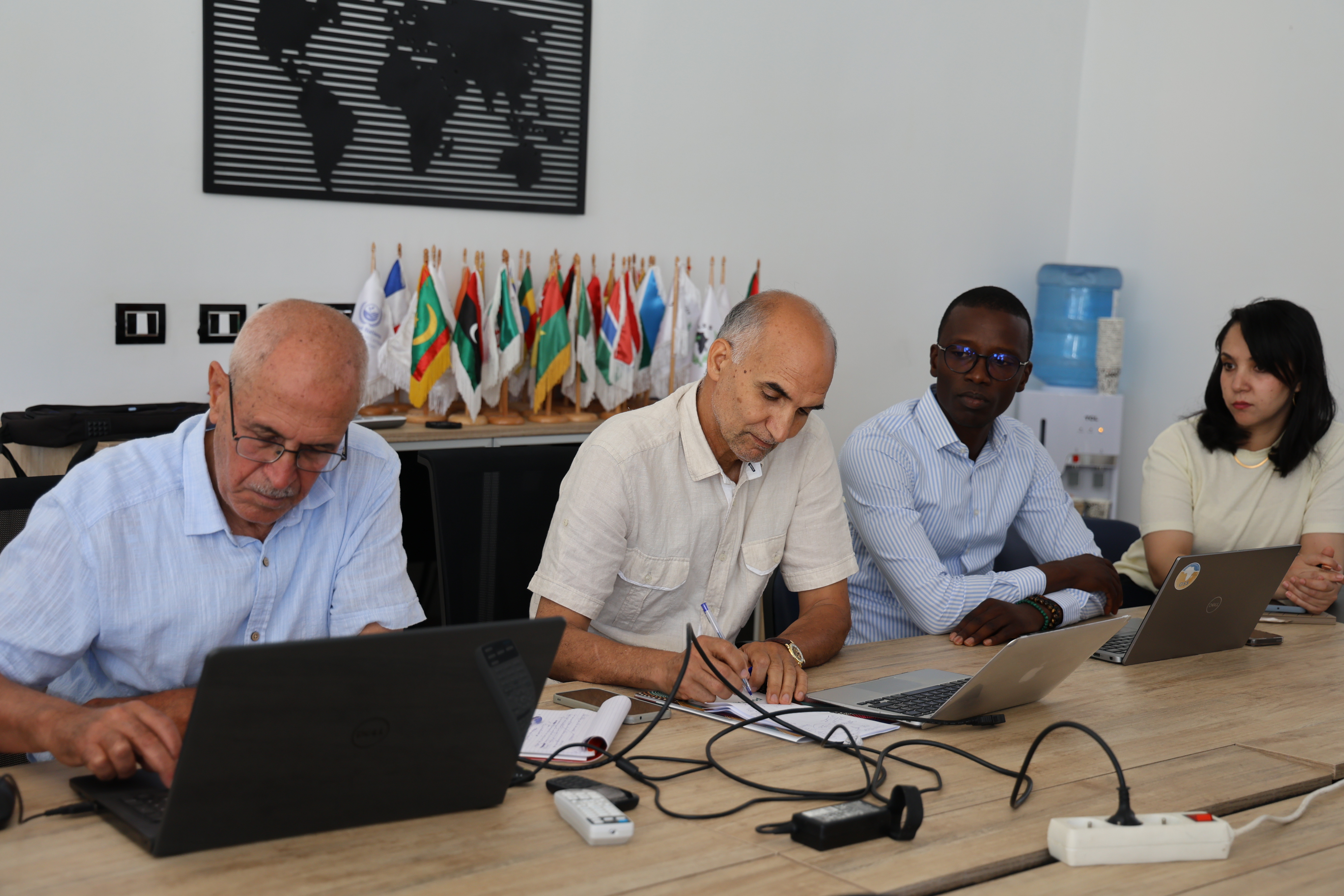
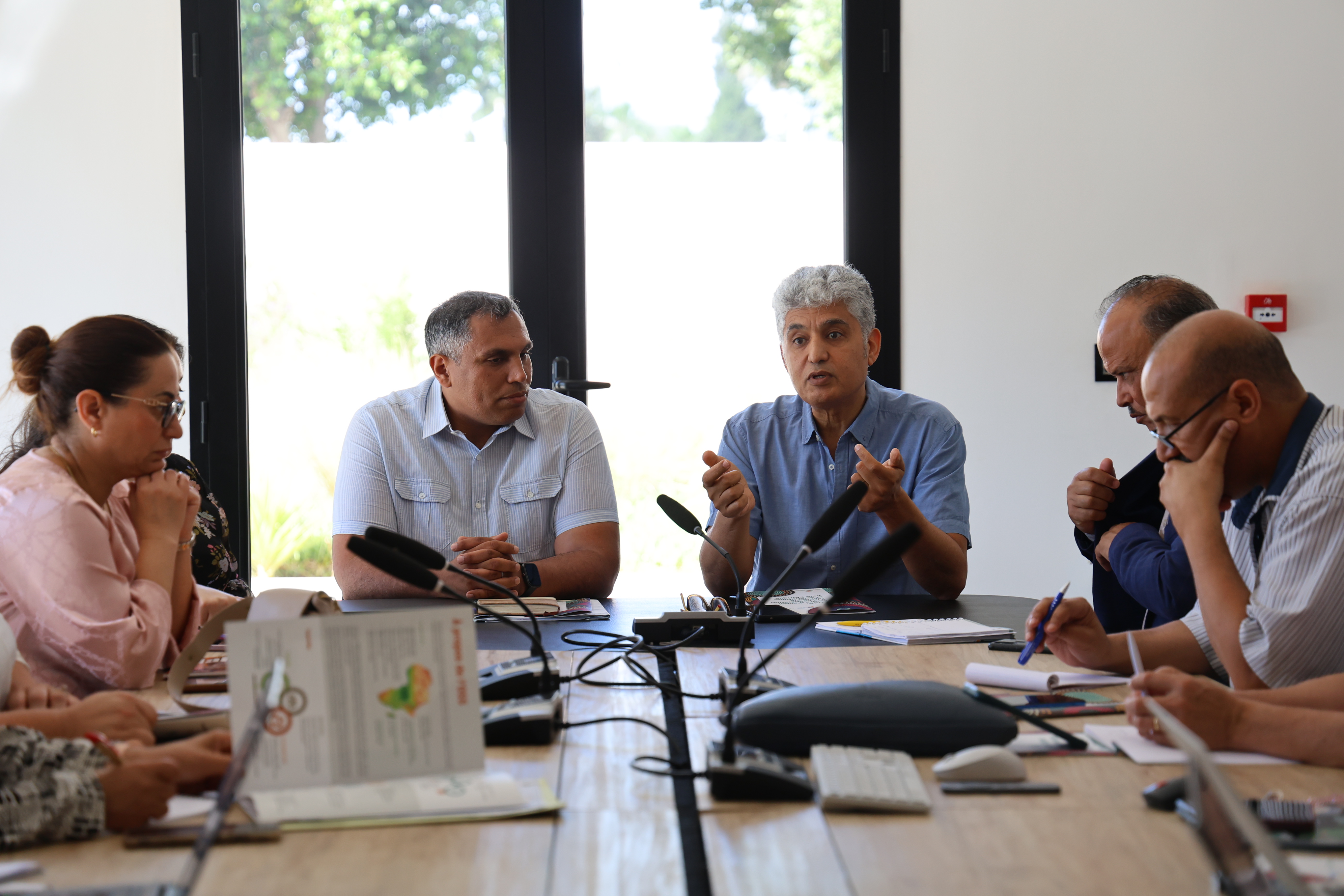
The Sahara and Sahel Observatory hosted the second Steering Committee meeting of the process for preparing Tunisia’s first national report on the implementation of the Nagoya Protocol on Access to Genetic Resources and the Fair and Equitable Sharing of Benefits Arising from their Utilization. Organized by the General Directorate for Environment and Quality of Life (DGEQV), in its capacity as the national focal point for the Nagoya Protocol on Access and Benefit-Sharing (ABS), in collaboration with the OSS, a regional centre of excellence for the implementation of the Convention on Biological Diversity (CBD), the meeting was held within the framework of Tunisia’s commitments to biodiversity conservation and sustainable management. The meeting was dedicated to reviewing and validating the final draft of the first national report, prepared in accordance with the template adopted by the Secretariat of the Convention on Biological Diversity. The report represents an important milestone in monitoring national biodiversity-related commitments, with particular emphasis on mechanisms governing access to genetic resources and the sharing of benefits arising from their utilization. The meeting brought together representatives of the main concerned ministries and institutions, including entities under the Ministries of Environment, Agriculture, Higher Education and Scientific Research, Industry, and Finance, as well as several technical and research organizations, including the National Gene Bank. This broad participation reflects the cross-cutting nature of biodiversity-related issues and the implementation of the Nagoya Protocol. The implementation of the Protocol commits Tunisia to a periodic reporting process aligned with the Kunming-Montreal Global Biodiversity Framework, contributing to the better integration of access and benefit-sharing considerations into national biodiversity management policies. In this context, the main findings of the report were presented to the members of the Steering Committee. The report, the result of a process of consultation and coordination among the various stakeholders, reflects the efforts undertaken to ensure the quality, consistency, and relevance of the information reported, while demonstrating Tunisia’s commitment to meeting international requirements, taking national specificities into account, and strengthening the capacities of stakeholders involved in the implementation of the Nagoya Protocol.
Held on January 28, 2025 in Tunis, the 27th session of the Strategic Orientation…
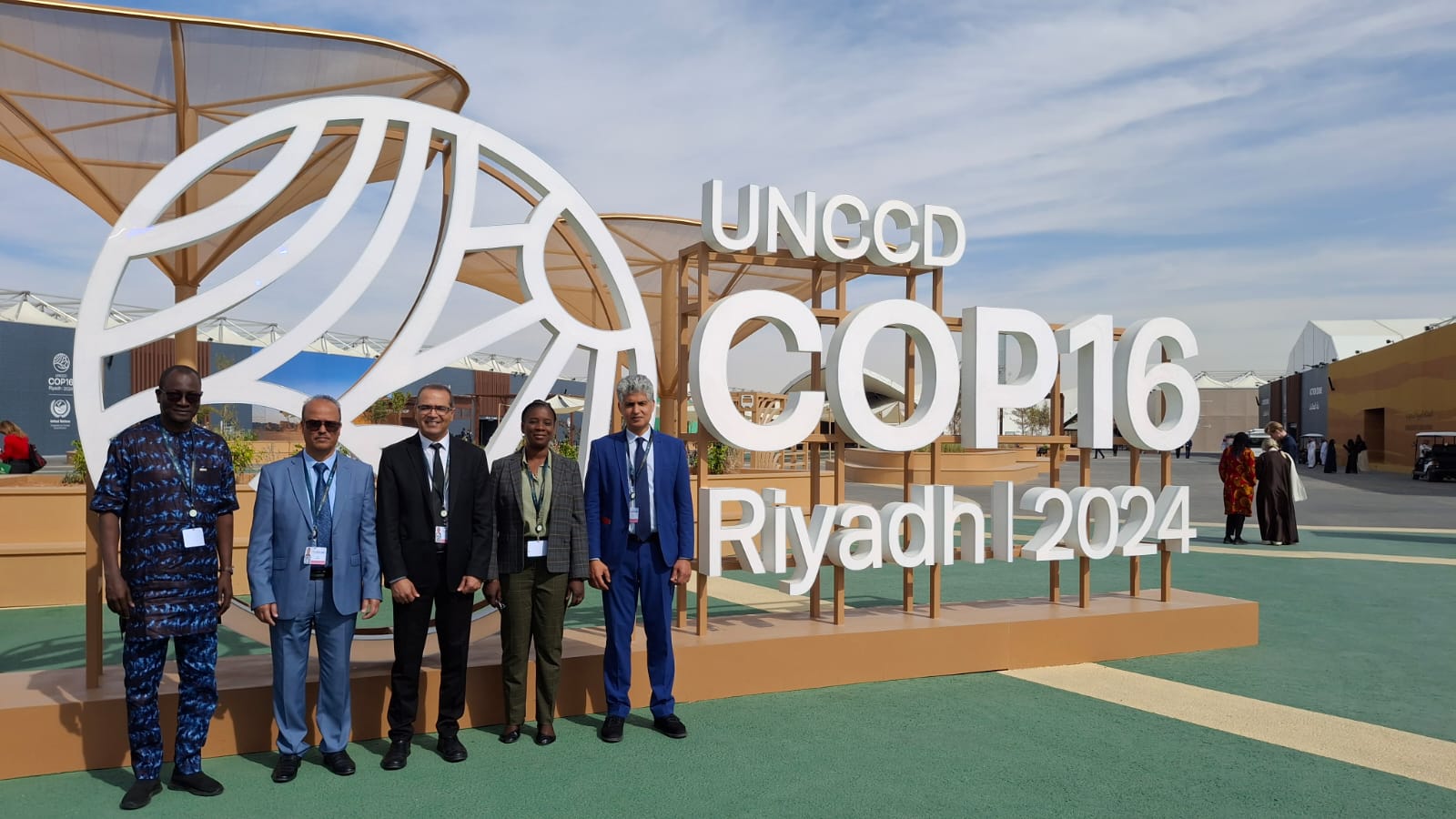
The participation of the Sahara and Sahel…
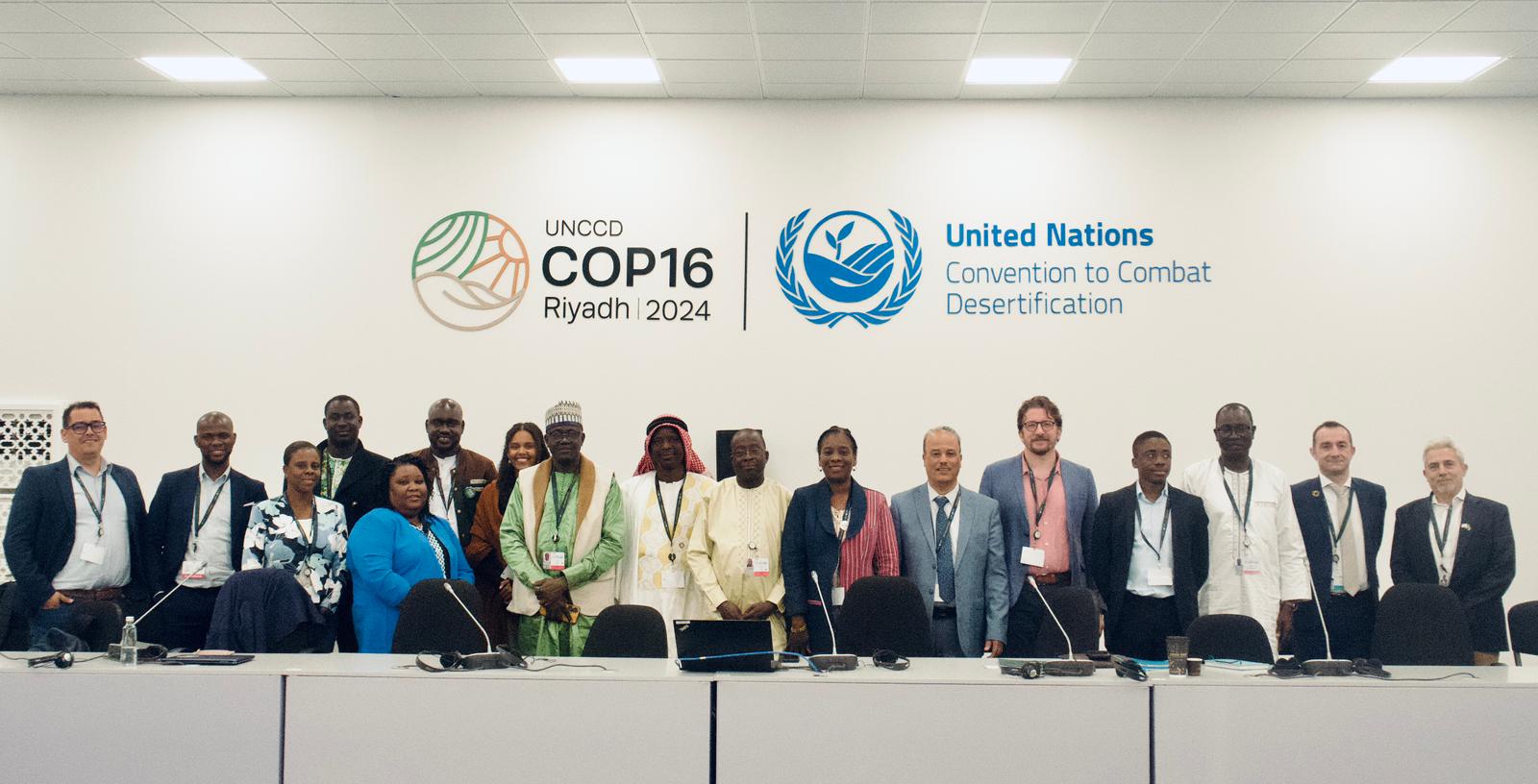
OSS Side Event at COP16: Strengthening Resilience in the Sahel through Multi-…