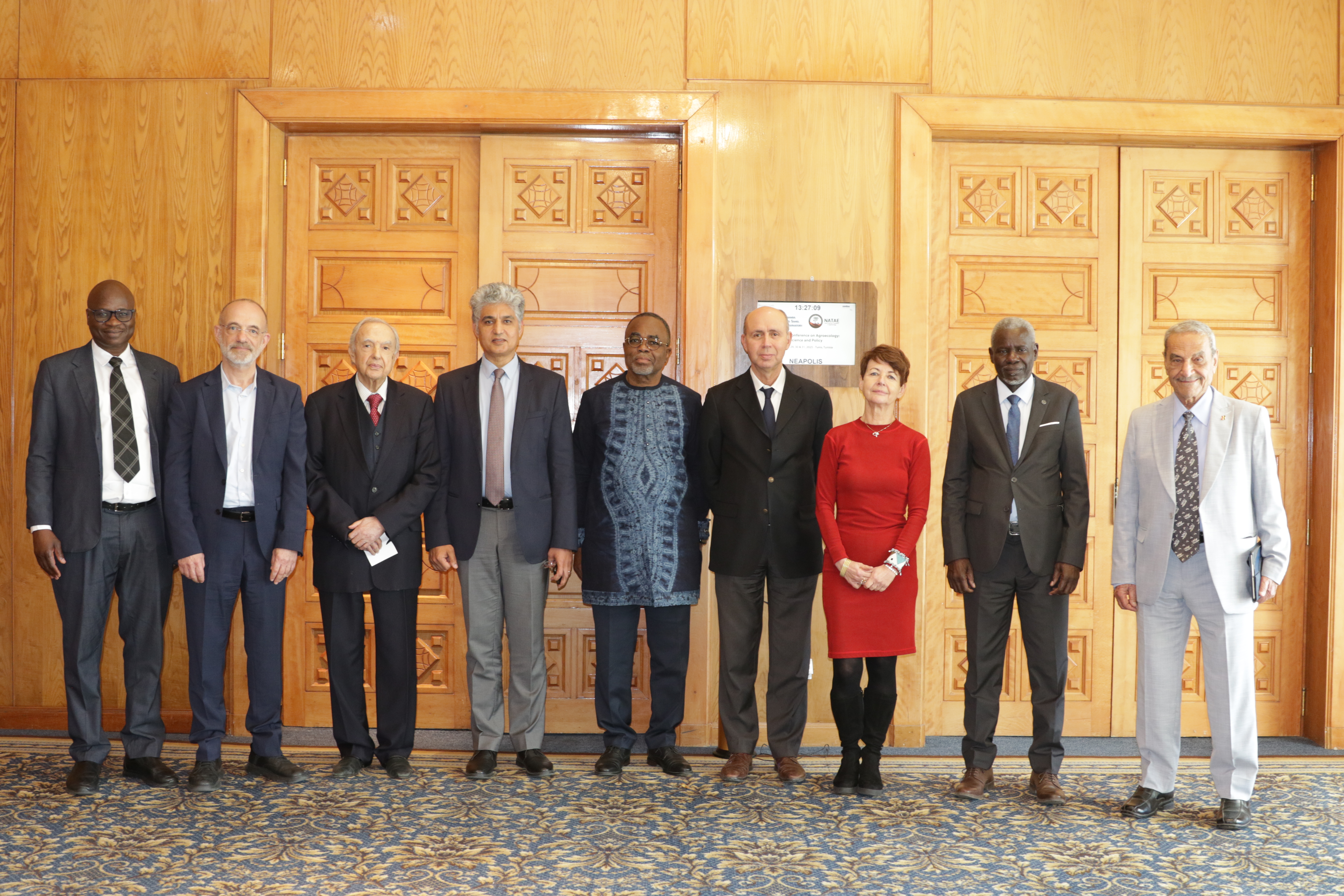
27e Session du Comité d’Orientation Stratégique de l’OSS, Tunis, 28 janvier 2025
Tenue le 28 janvier 2025 à Tunis, la 27e session du Comité d’…
Incheon, 8-10 avril 2026
La Conférence mondiale du Fonds vert pour le climat (GCF) avec les peuples autochtones, tenue à Incheon, en République de Corée du 8 au 10 avril 2026, a réuni un large éventail d’acteurs pour réfléchir à la manière dont le financement climatique peut mieux soutenir les priorités et le leadership des peuples autochtones. Organisée sur trois jours, la conférence a progressé d’une mise en contexte à la traduction des politiques en actions concrètes, jusqu’à l’identification de pistes opérationnelles pour renforcer une action climatique portée par les peuples autochtones.
Dans ce cadre, la session 2-4 consacrée aux perspectives des Entités accréditées a offert un espace de partage d’expériences issues de projets soutenus par le GCF. Modérée par Mme Ramona Calin, cette session a réuni Mme Khaoula Jaoui (Observatoire du Sahara et du Sahel), M. Keletso Mike Seabo (Ministère de l’Environnement et du Tourisme, Botswana), Mme Claudia Godfrey (Profonanpe, Pérou), M. Yiaheu Touavang (GIZ) et M. Josep Garí (PNUD), apportant des éclairages complémentaires sur l’intégration des peuples autochtones dans la conception, la mise en œuvre et les processus décisionnels des projets.
Les échanges ont fait émerger un constat partagé : si la consultation est désormais largement intégrée dans les processus de projet, parvenir à une inclusion effective nécessite des approches plus adaptatives, contextualisées et sensibles aux réalités des communautés autochtones.
S’appuyant sur l’expérience du projet CREW Angola, Mme Khaoula Jaoui a mis en lumière l’évolution de la participation tout au long du cycle de projet. Lors de la phase de conception, l’engagement est souvent structuré mais reste contraint par des facteurs contextuels, notamment la reconnaissance limitée des peuples autochtones dans les cadres nationaux et la mobilité de certaines communautés semi-nomades, telles que les Himba et les Khoi-San. Dans ces conditions, l’inclusion doit rester ouverte et anticipative, en créant des espaces de participation plutôt qu’en présumant une implication figée dès le départ.
Au fur et à mesure du passage à la phase de mise en œuvre, la participation devient plus concrète, mais aussi plus complexe. L’engagement doit s’adapter à la présence et aux déplacements des communautés, en s’appuyant sur des approches flexibles, fondées sur la confiance, et sur des structures locales favorisant la prise de décision au niveau communautaire, tout en garantissant des mécanismes de dialogue et de redevabilité accessibles et culturellement adaptés.
Ces réflexions rejoignent l’un des messages clés de la session : la participation n’est pas une étape ponctuelle, mais un processus continu et évolutif. Comme souligné lors du panel : « lorsqu’on parle d’implication des communautés - en particulier des peuples autochtones - la véritable question n’est pas de savoir si elles sont consultées, mais quand, comment et dans quelle mesure elles influencent réellement le projet ».
En définitive, les échanges de la session 2-4 mettent en évidence une conclusion plus large partagée lors de la conférence : promouvoir une inclusion réelle nécessite de la flexibilité, non seulement de la part des communautés, mais aussi des institutions, des entités accréditées et des partenaires financiers, afin que l’action climatique soit construite avec les peuples autochtones, et non uniquement pour eux.
Tenue le 28 janvier 2025 à Tunis, la 27e session du Comité d’…
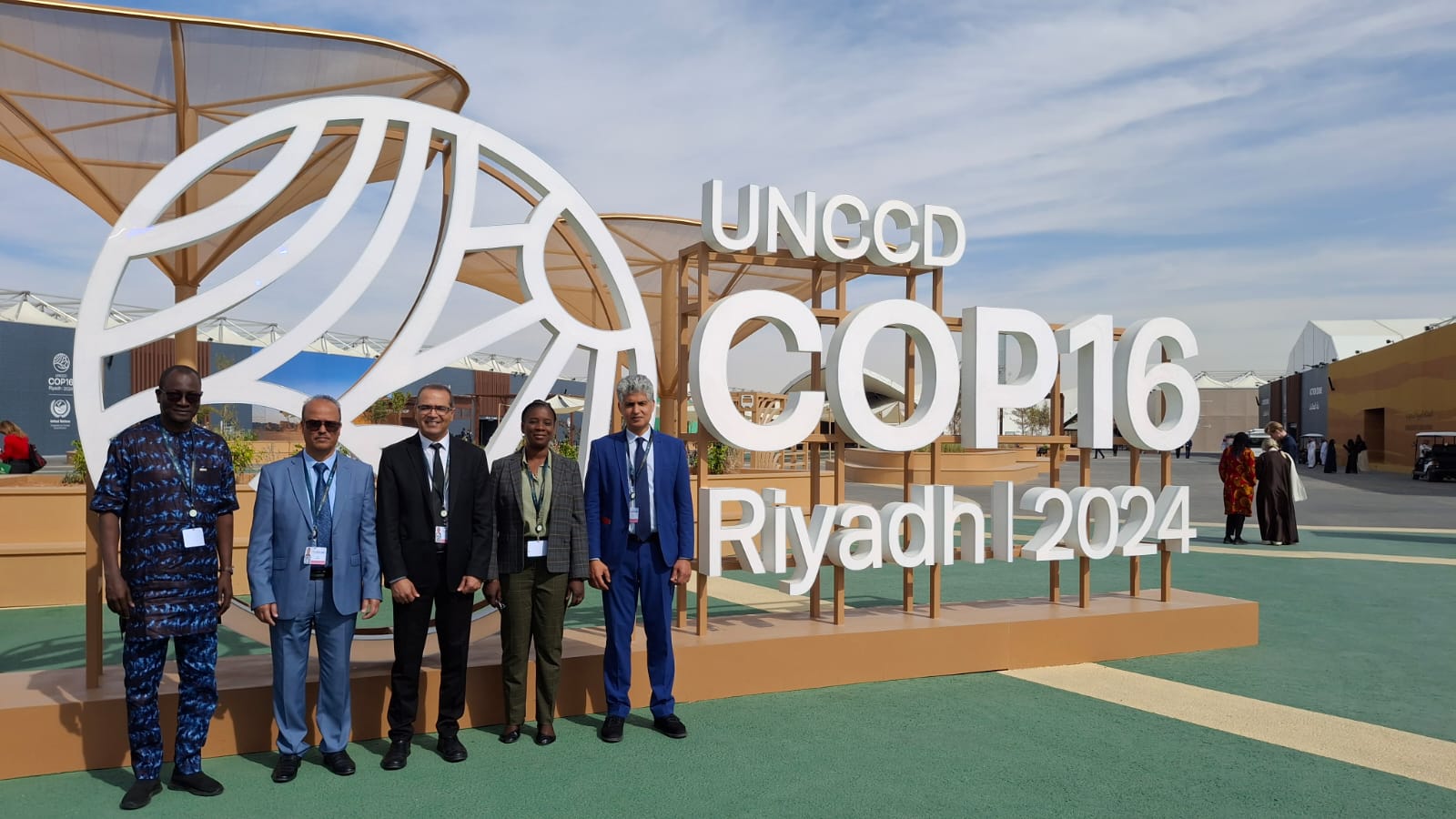
La participation de l'Observatoire du Sahara et du Sahel…
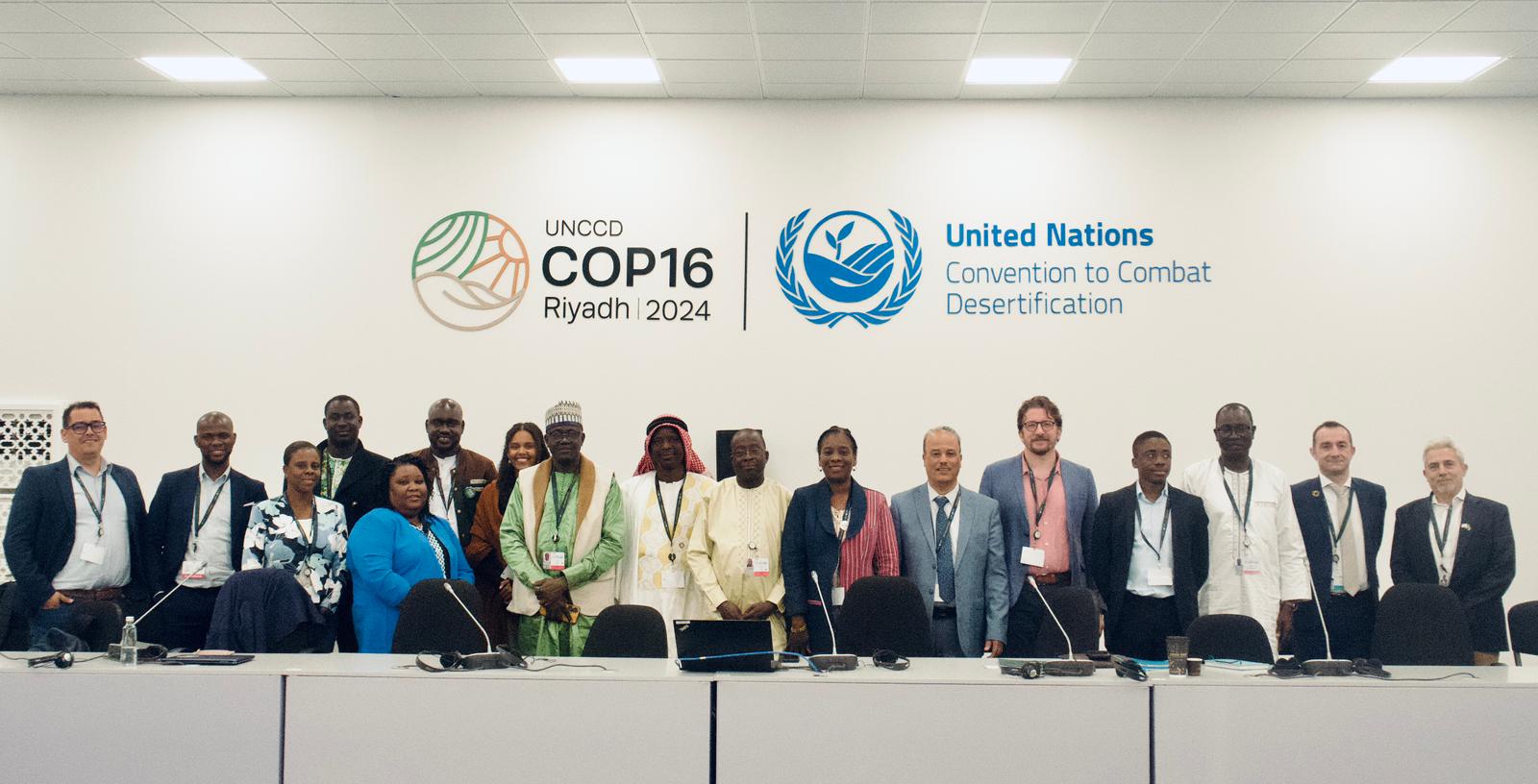
Evénement parallèle de l’OSS en marge de la COP 16 : renforcer…