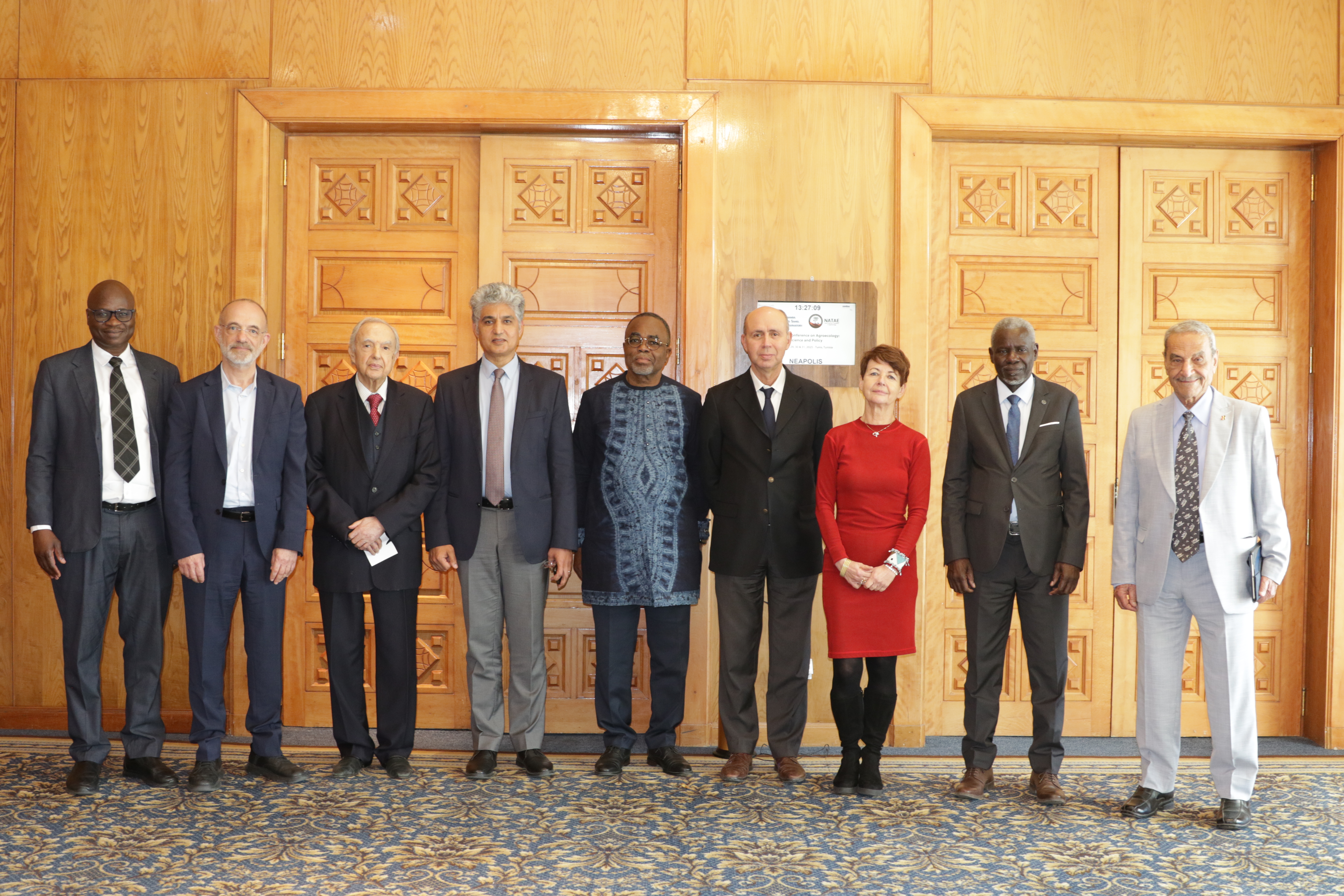
27th Session of the OSS Strategic Orientation Committee, Tunis, January 28, 2025
Held on January 28, 2025 in Tunis, the 27th session of the Strategic Orientation…


Saly, Senegal – September 30, 2026
Improving our understanding of groundwater, sharing information across countries, and turning scientific knowledge into concrete solutions: these are the core challenges of the SMAS project. In Saly, Senegal, the meeting of its Scientific Committee marked a new stage in this effort, with a review of the project's technical progress and of the upcoming demonstration pilots.
On September 30, 2026, the Sahara and Sahel Observatory (OSS) brought together in Saly the experts and partners of the project "Strengthening the Sustainable Management of the Senegalo-Mauritanian Aquifer System to Ensure Access to Water for Populations Facing Climate Change (SMAS)," with support from the GEF through UNEP.
The meeting addresses a major issue: improving the knowledge and management of a shared groundwater resource that is essential for the territories and populations that depend on it, at a time when water needs are growing and the effects of climate change are intensifying pressure on available resources.
Groundwater: an issue that transcends borders
Because a shared aquifer does not stop at administrative boundaries, its management requires a common vision, reliable and accessible data, and lasting cooperation between the countries and institutions concerned.
This is precisely one of the aims of the SMAS project: to make scientific knowledge a common foundation for better understanding the resource, anticipating its evolution, and informing decisions on its management.
Through this project, the data, hydrogeological knowledge, and tools developed are intended to bring stakeholders together around a shared understanding of the aquifer system and to strengthen the capacities of the institutions involved in its management.
OSS: at the interface of science, cooperation, and decision-making
OSS's work on SMAS builds on the Organization's broader experience in the knowledge and concerted management of transboundary groundwater in Africa.
Its role is notably to build the necessary bridges between scientific expertise, data, institutions, and public decision-making, so that the knowledge produced can actually be used by the countries.
This approach is particularly important for transboundary aquifers. Beyond data production, their sustainable management depends on countries' ability to share information, align their approaches, and gradually build common responses.
The SMAS project embodies this ambition by supporting the countries and institutions concerned in improving knowledge, strengthening capacities, and developing solutions adapted to local realities.
From knowledge to demonstration
The Saly Scientific Committee meeting falls squarely within this approach.
The experts reviewed the project's technical progress and focused in particular on the concept notes for the demonstration pilots. These pilots are meant to take the project a step further: testing in the field solutions drawn from the knowledge and work developed under the project.
The proposals were assessed in terms of their scientific and technical relevance, feasibility, consistency with SMAS objectives, and potential for scaling and replication.
The recommendations made will help consolidate the proposed approaches and ensure that the pilots generate results that are useful to institutions, local stakeholders, and, more broadly, to the sustainable management of the aquifer system.
Making groundwater a lever for resilience
For OSS, the challenge therefore goes beyond simply improving knowledge of the SMAS. It is about turning that knowledge into decision-making capacity and operational solutions, while strengthening cooperation between countries around a resource they share.
This approach is at the heart of the Organization's work on transboundary groundwater: knowing the resource, sharing information, strengthening dialogue, and supporting countries toward concerted and sustainable management.
With the support of the GEF through UNEP, OSS continues its role as an interface between countries, institutions, and scientific expertise, so that the project's progress can gradually translate into decision-making tools, concrete solutions, and cooperation mechanisms serving water security and the resilience of populations in the face of climate change.
Held on January 28, 2025 in Tunis, the 27th session of the Strategic Orientation…
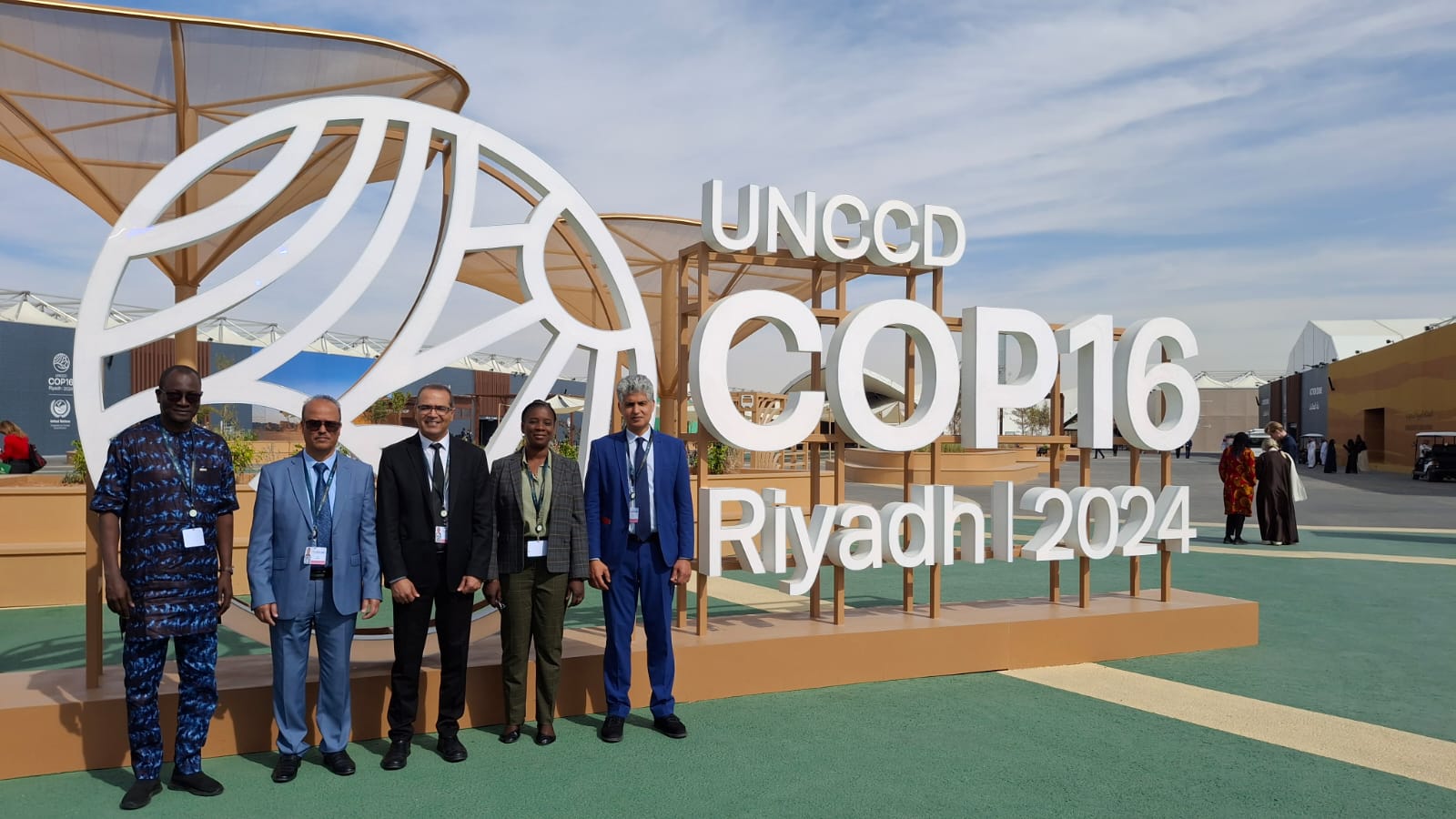
The participation of the Sahara and Sahel…
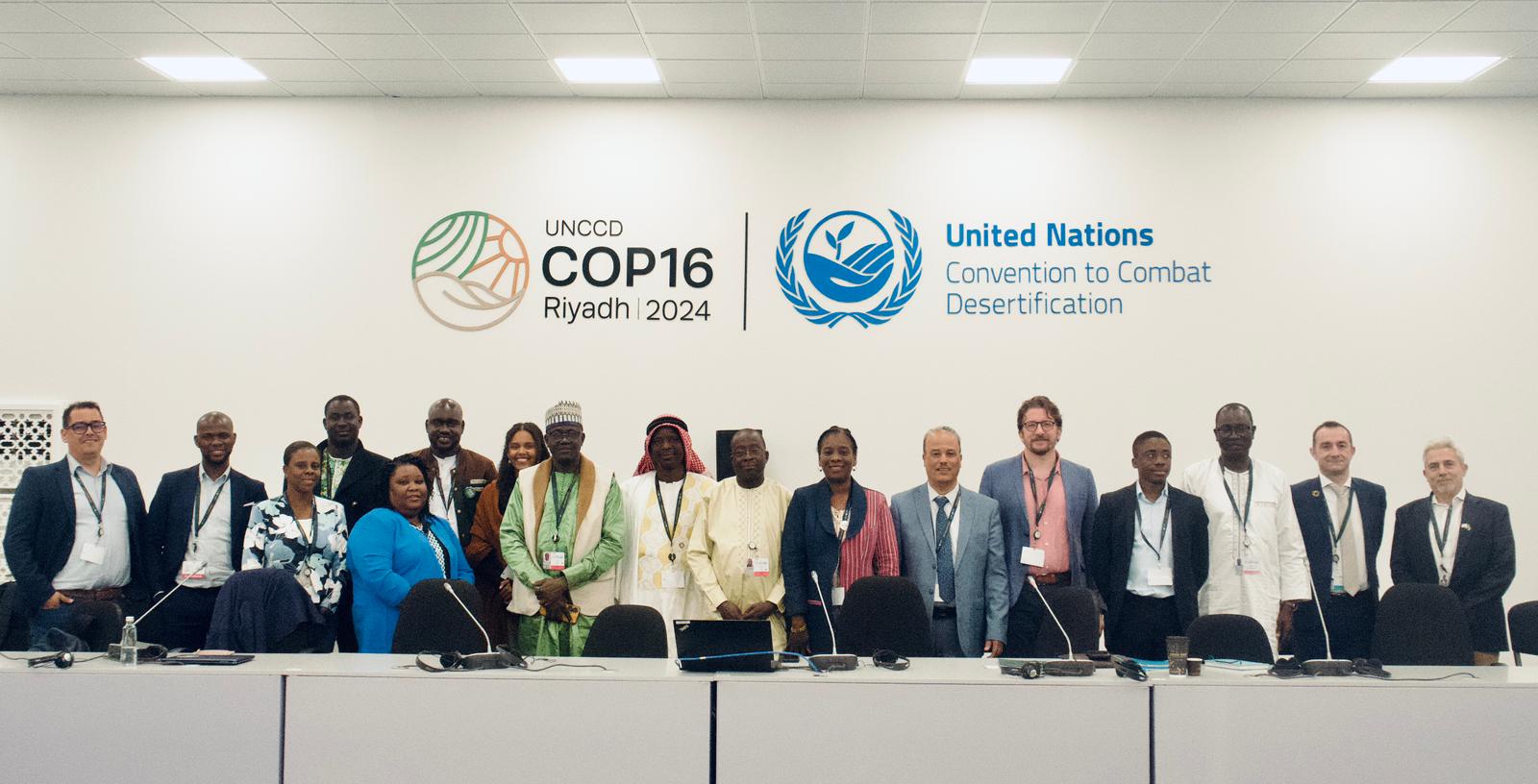
OSS Side Event at COP16: Strengthening Resilience in the Sahel through Multi-…