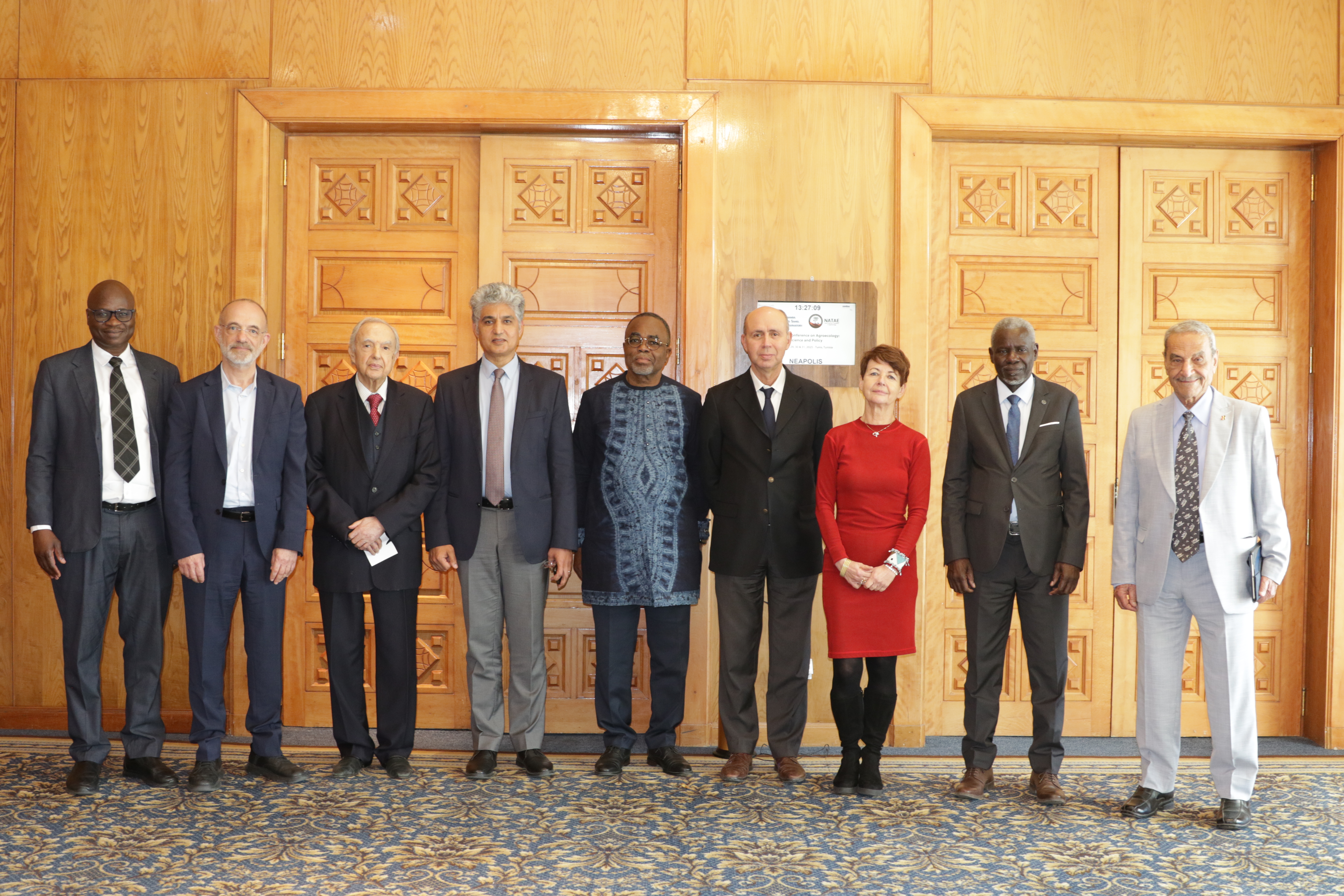
27th Session of the OSS Strategic Orientation Committee, Tunis, January 28, 2025
Held on January 28, 2025 in Tunis, the 27th session of the Strategic Orientation…
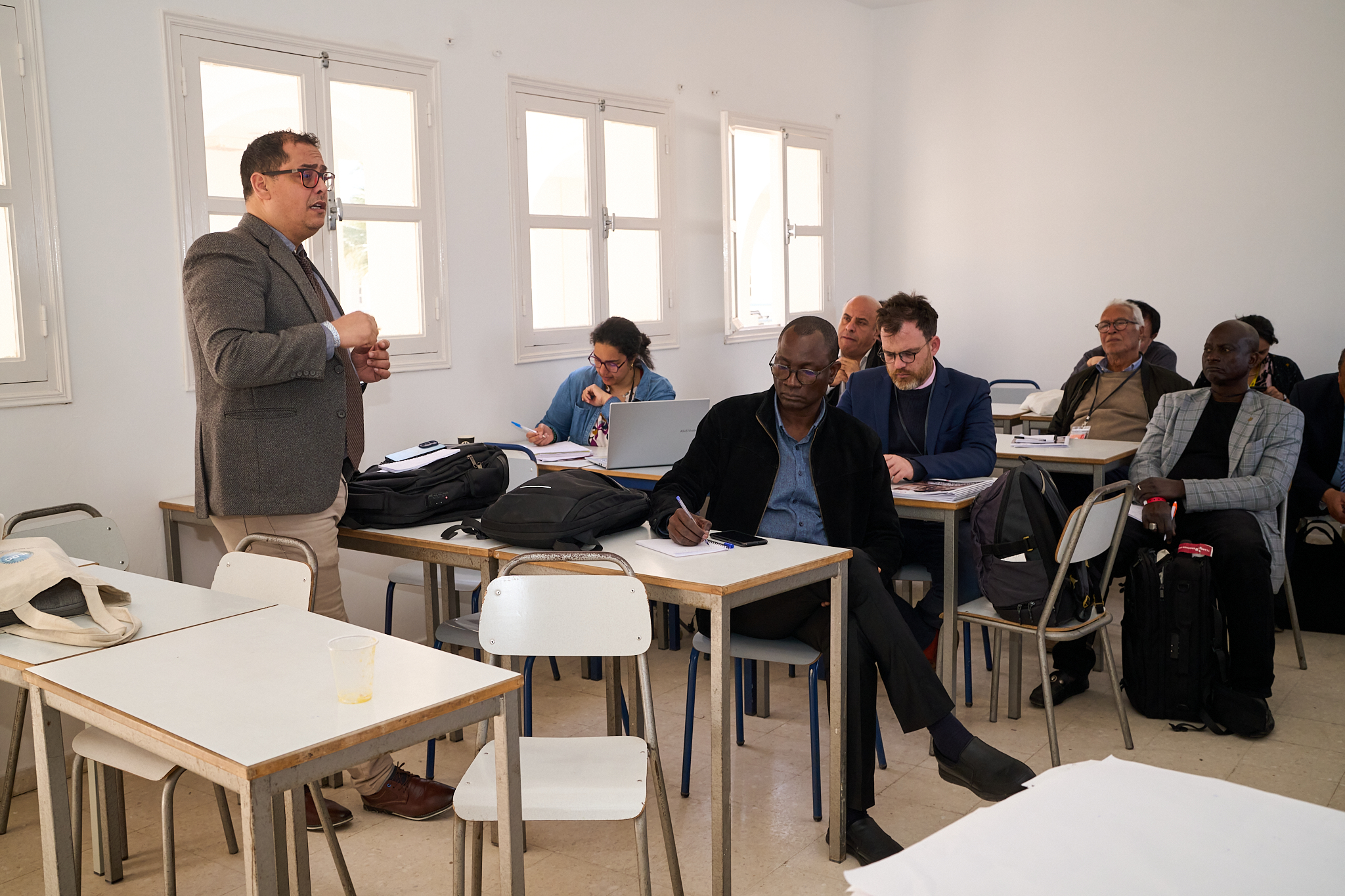
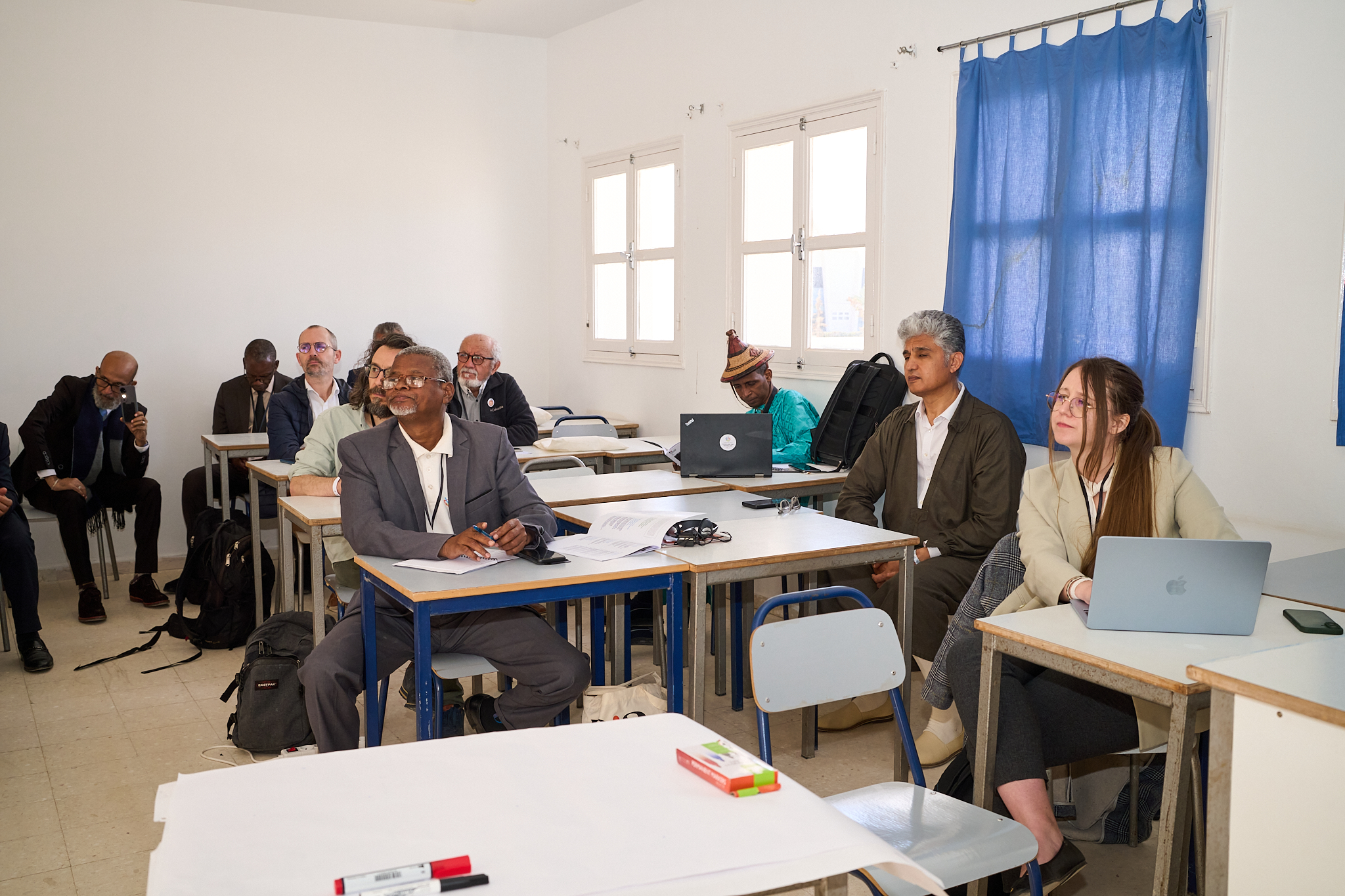
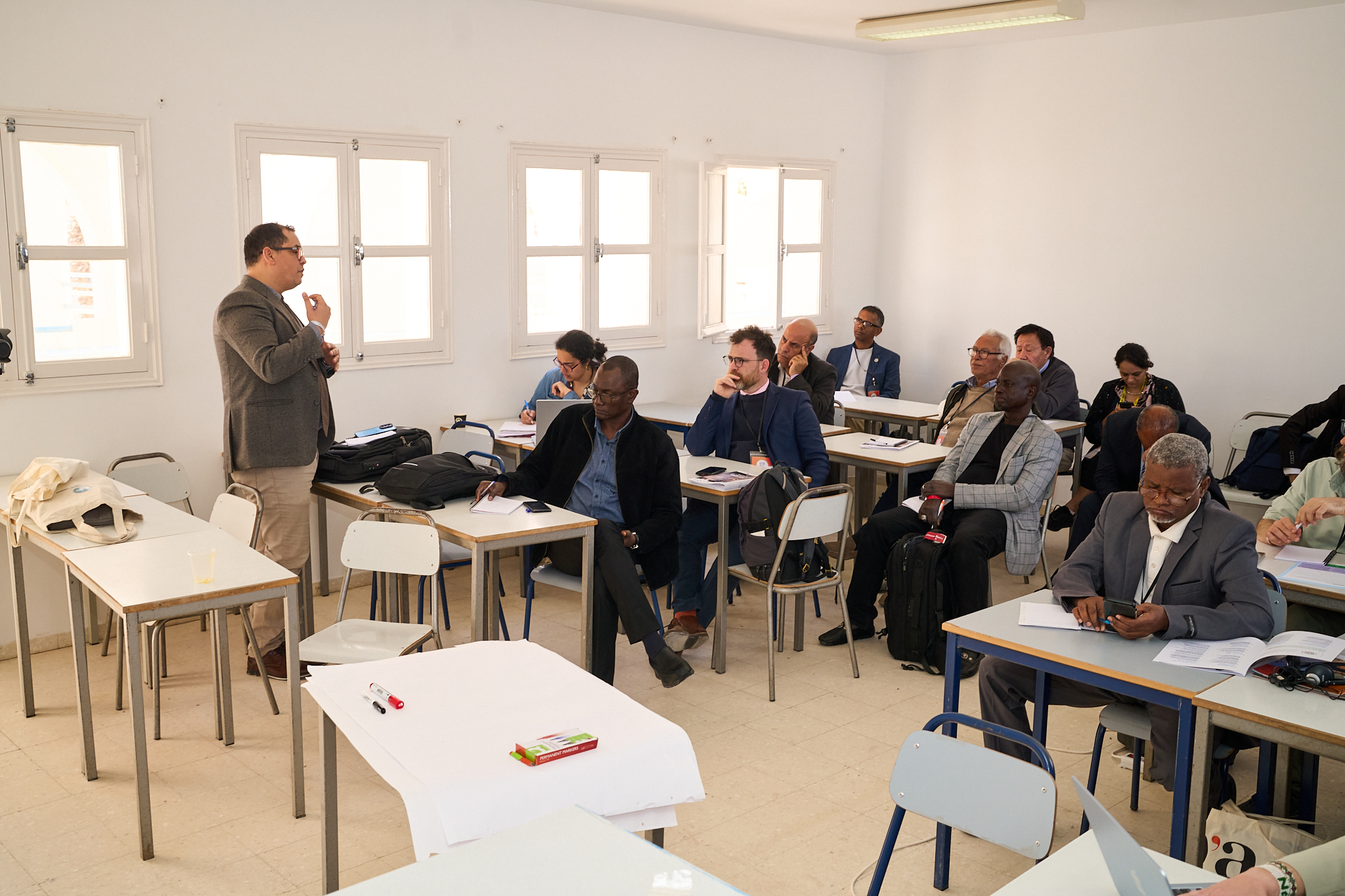
The Near East and North Africa (NENA) #IYRP Consortium, of which OSS is a member alongside key regional and international partners, actively contributed to the Desertif’Action Summit 2026 in Djerba, bringing a clear regional perspective on the strategic role of pastoralism in addressing land degradation and strengthening climate resilience in drylands. The Summit provided a key opportunity to advance the priorities of the International Year of Rangelands and Pastoralists (IYRP).
During the parallel session “Elevating pastoralism from the margins to the mainstream to ensure resilient drylands”, organised by the Global Alliance for Rangelands and Pastoralists, Mr. Mustapha Mimouni, Director of the Technology, Information and Remote Sensing Department at OSS, representing the Consortium, contributed to global reflections on pastoralists’ participation and representation.
He highlighted the scale of rangelands across the NENA region, the extent of land degradation, and the strong potential for rangeland-based solutions. He also presented the Consortium’s initiative and ongoing actions to structure a regional platform and strengthen the visibility of pastoralism in policy and investment agendas.
Building on the momentum of the IYRP, the discussion highlighted a critical challenge: ensuring that NENA pastoralist voices remain structurally embedded in decision-making processes beyond 2026, rather than confined to temporary advocacy spaces.
Sustaining visibility and influence requires four lasting pillars: institutionalised representation, stronger evidence and narrative, policy change, and sustainable financing.
Through the group work “Advancing pastoralist rights through the UNCCD”, facilitated by the International Land Coalition, the focus shifted towards policy alignment and concrete contributions to the UNCCD COP17 agenda. Mr. Mimouni emphasized the importance of connecting regional priorities—such as mobility, rangeland restoration, governance, and investment—to global frameworks, while translating them into actionable policy messages and scalable initiatives. This participation aimed to ensure that regional priorities are fully integrated into global discussions and to strengthen the visibility and positioning of the Consortium.
A key contribution brought forward is the operational role of OSS in bridging data, policy, and implementation. Through integrated tools and programmes, OSS supports countries along the full chain—from evidence generation to decision-making and delivery. This includes platforms such as Afrik’ENCA for natural capital accounting, MISLAND for land degradation monitoring aligned with SDG 15.3.1, and LDN reporting and target-setting systems that strengthen national capacities and alignment with UNCCD processes. Combined with its accreditation to major climate funds, OSS helps translate regional priorities into investable programmes.
In this context, the NENA Consortium serves as a platform for convergence—aligning regional messages, aggregating evidence, and carrying a coherent and actionable regional voice into global processes such as COP17.
Across both engagements, a consistent message stood out: pastoralism should not be treated as a peripheral issue, but as a strategic entry point for linking climate, land, and biodiversity agendas.
The discussions also reinforced the role of regional platforms such as the NENA IYRP Consortium in:
The key challenge ahead is clear : moving from a one-year global momentum to permanent mechanisms, ensuring that pastoralists remain visible and influential well beyond IYRP 2026.
Held on January 28, 2025 in Tunis, the 27th session of the Strategic Orientation…
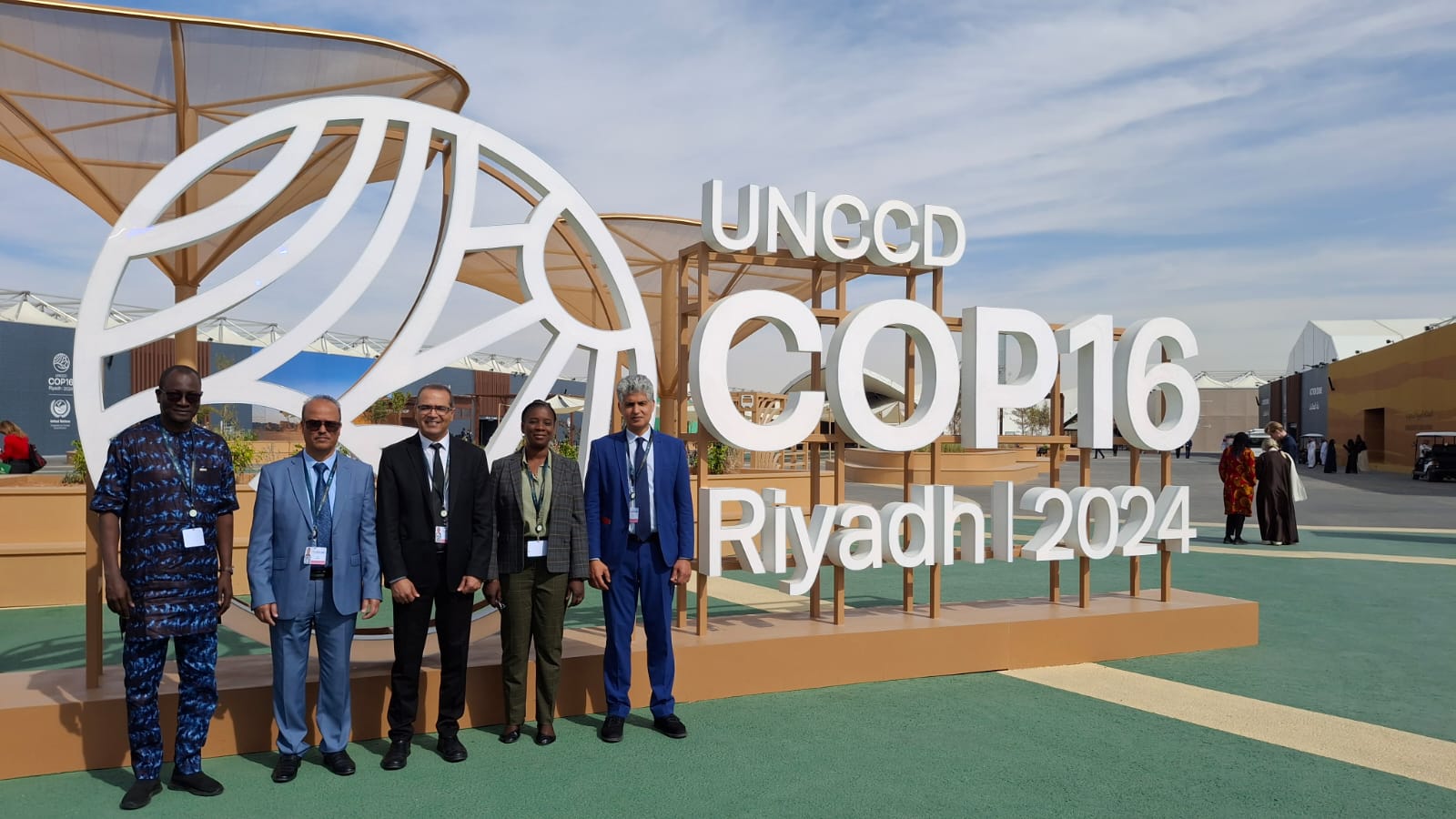
The participation of the Sahara and Sahel…
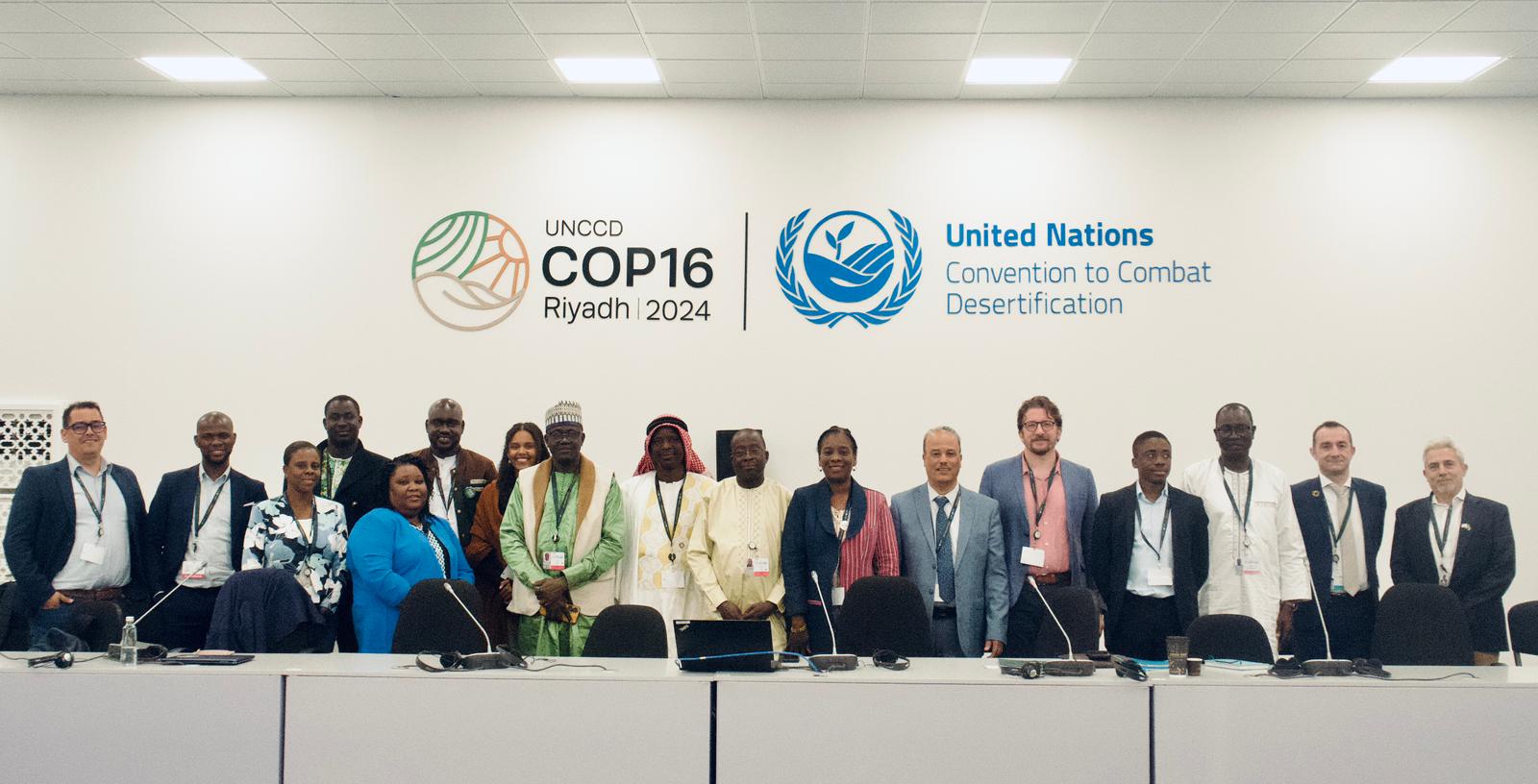
OSS Side Event at COP16: Strengthening Resilience in the Sahel through Multi-…