
27th Session of the OSS Strategic Orientation Committee, Tunis, January 28, 2025
Held on January 28, 2025 in Tunis, the 27th session of the Strategic Orientation…







Tripoli, 9–10 September 2026
With OSS support, three Libyan institutions are advancing their readiness for Green Climate Fund accreditation, strengthening national capacities to access and manage climate finance in support of Libya’s priorities.
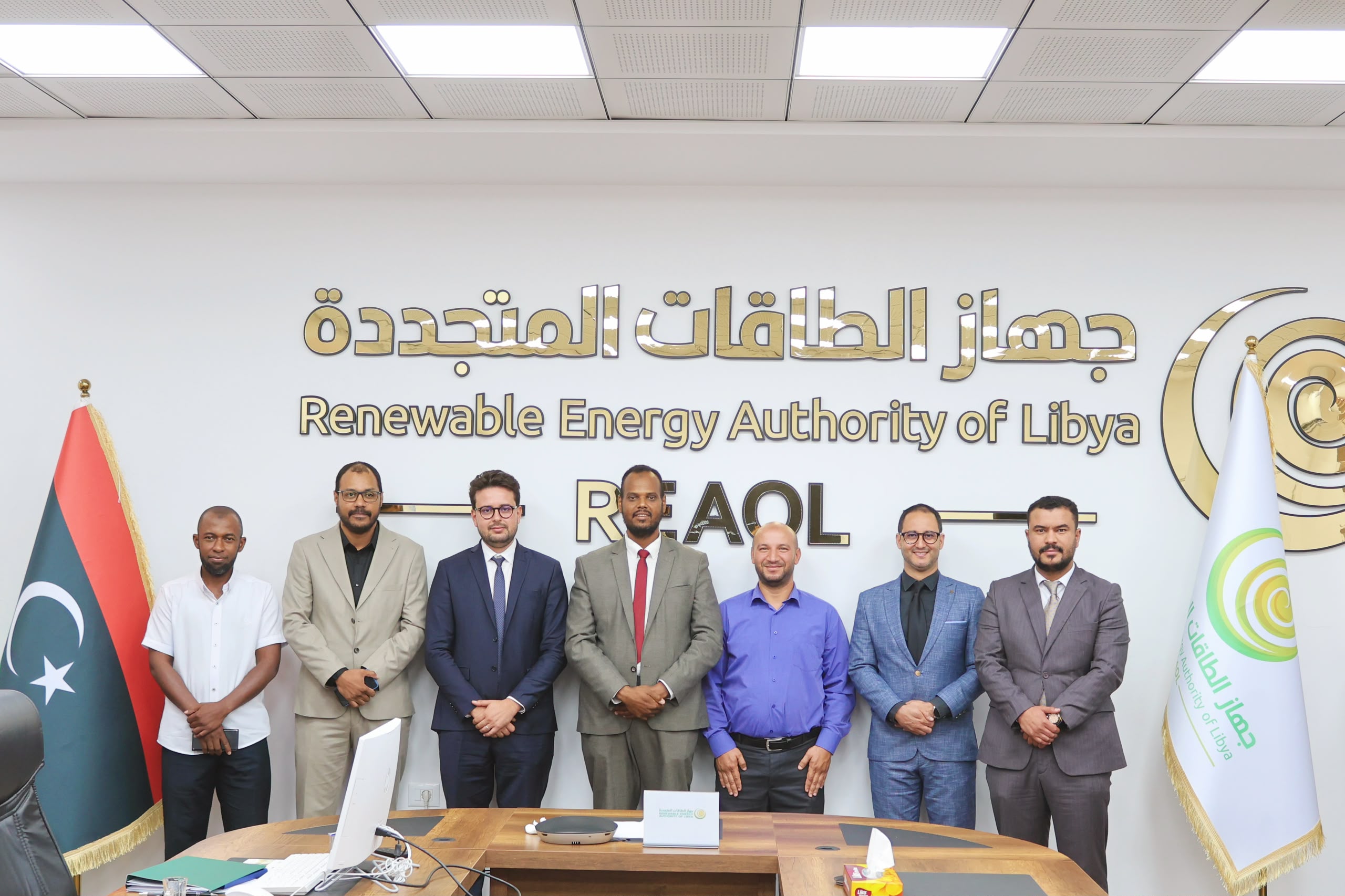
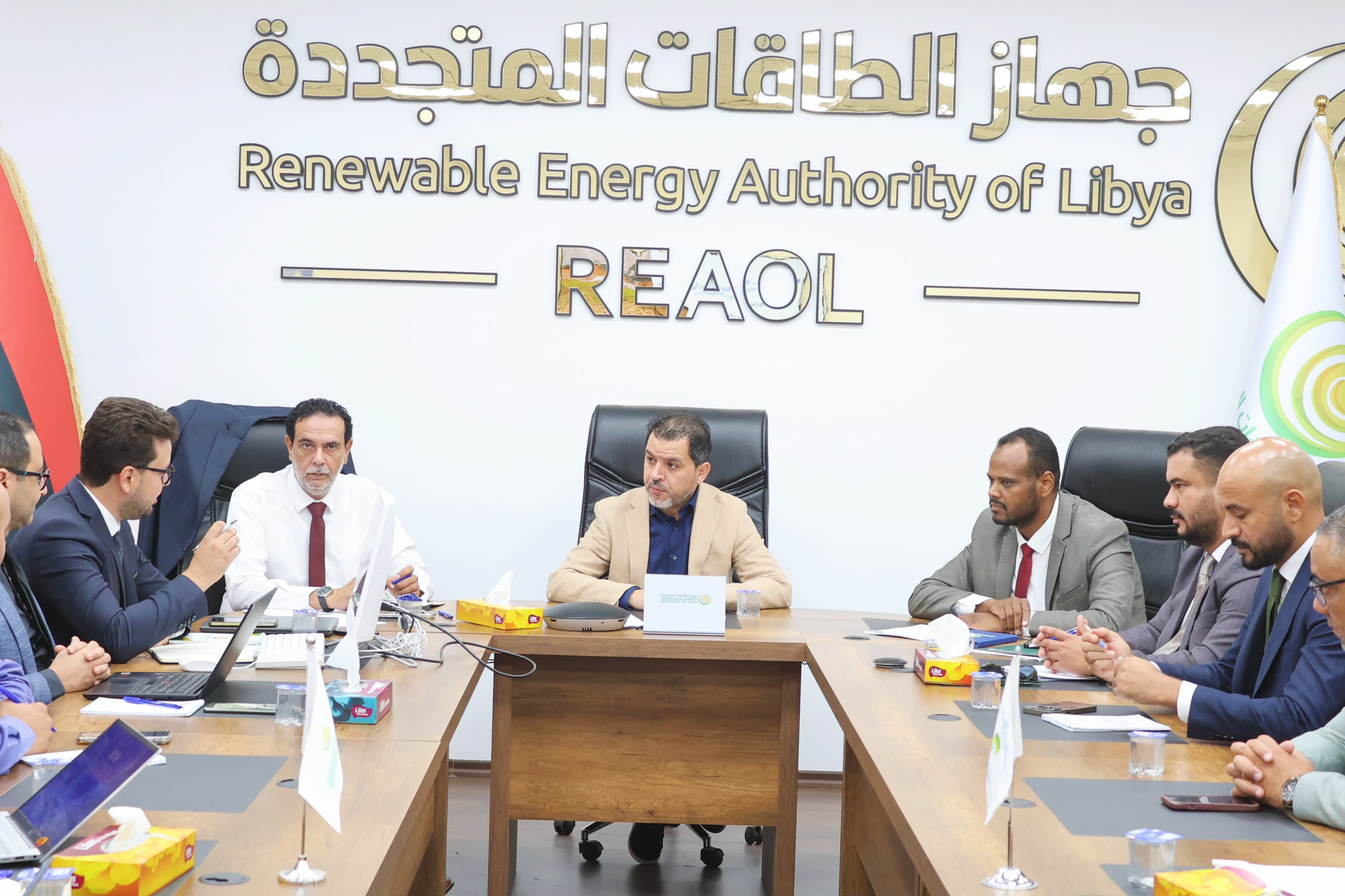
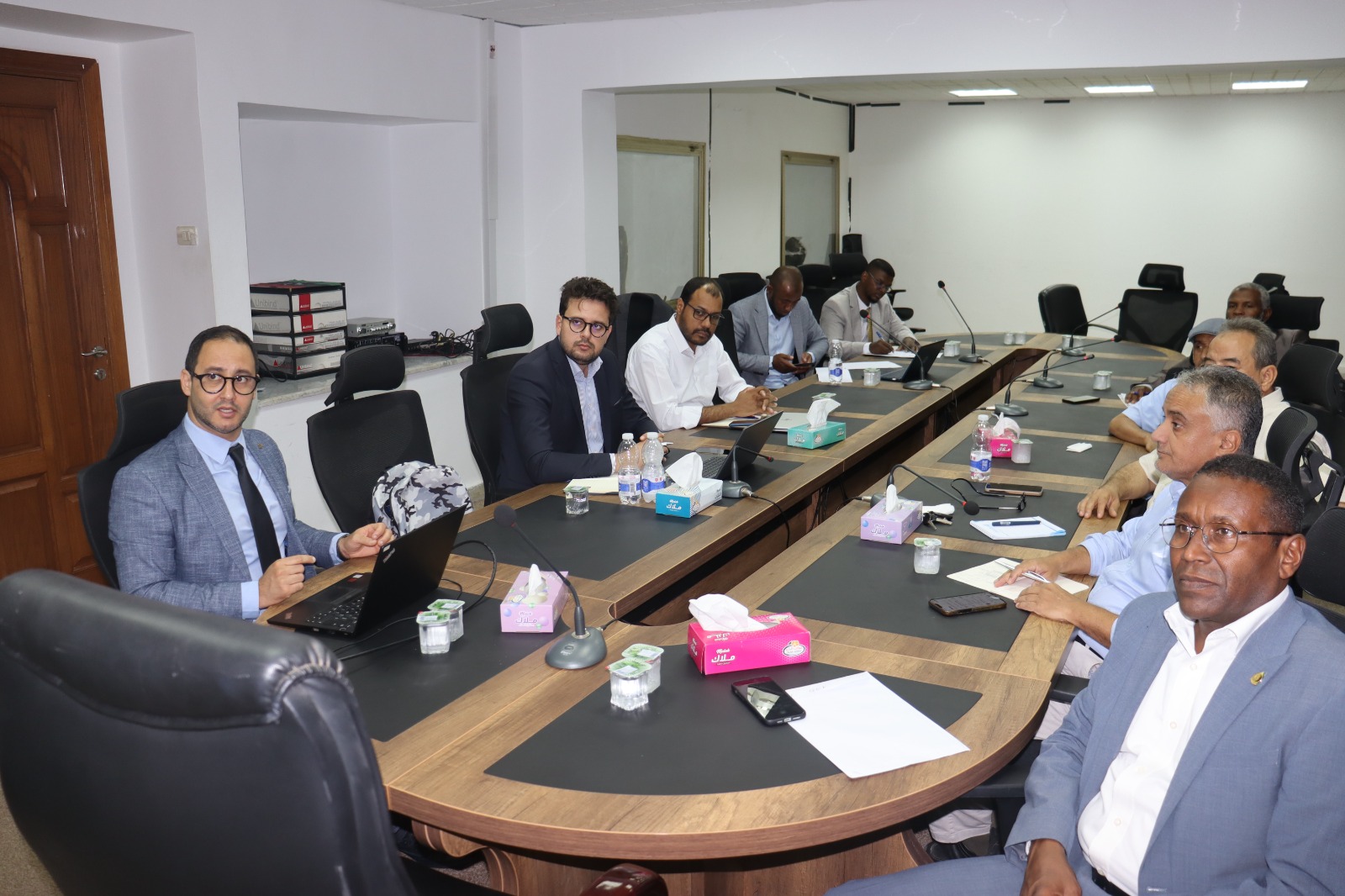
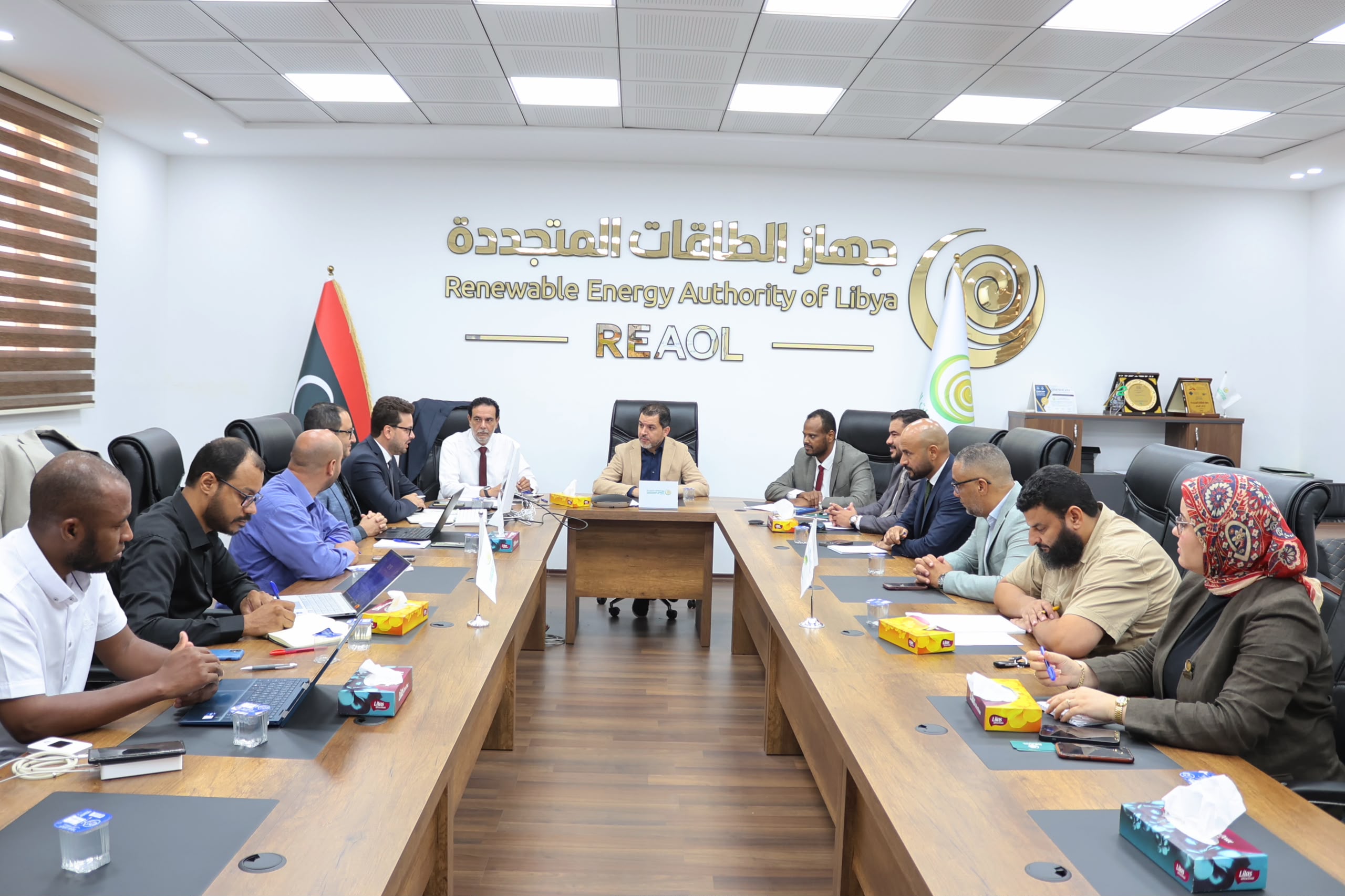
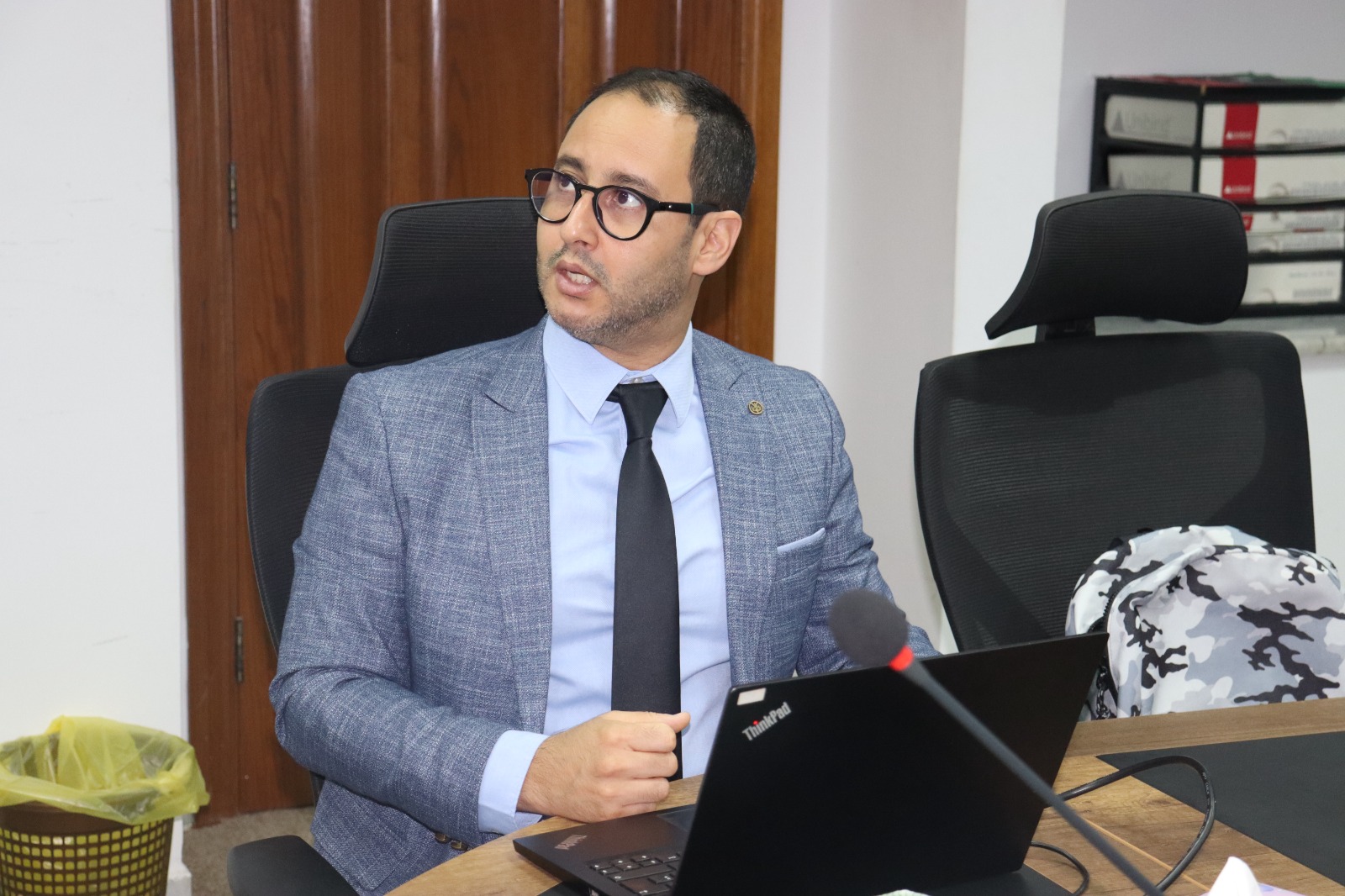
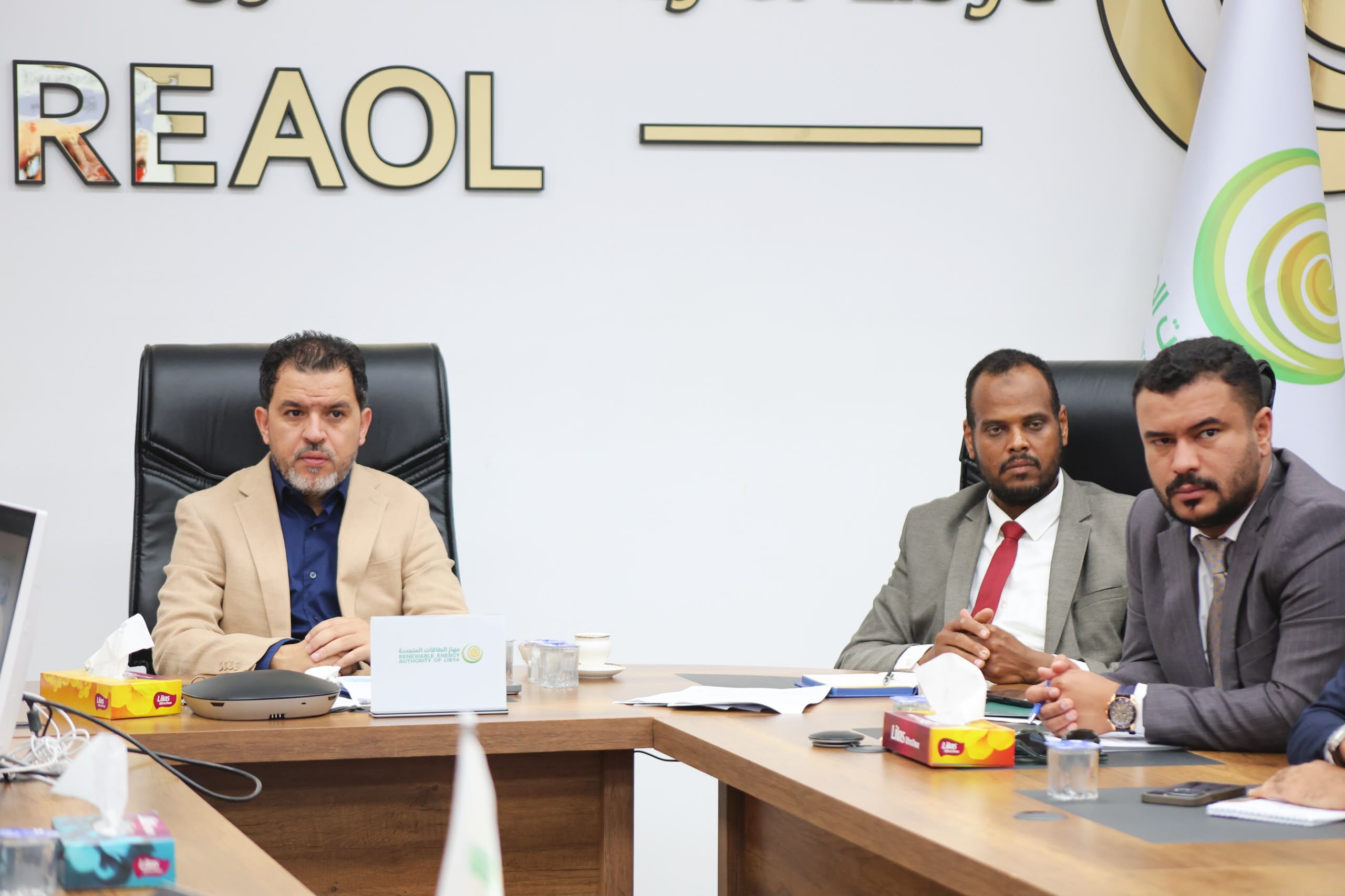
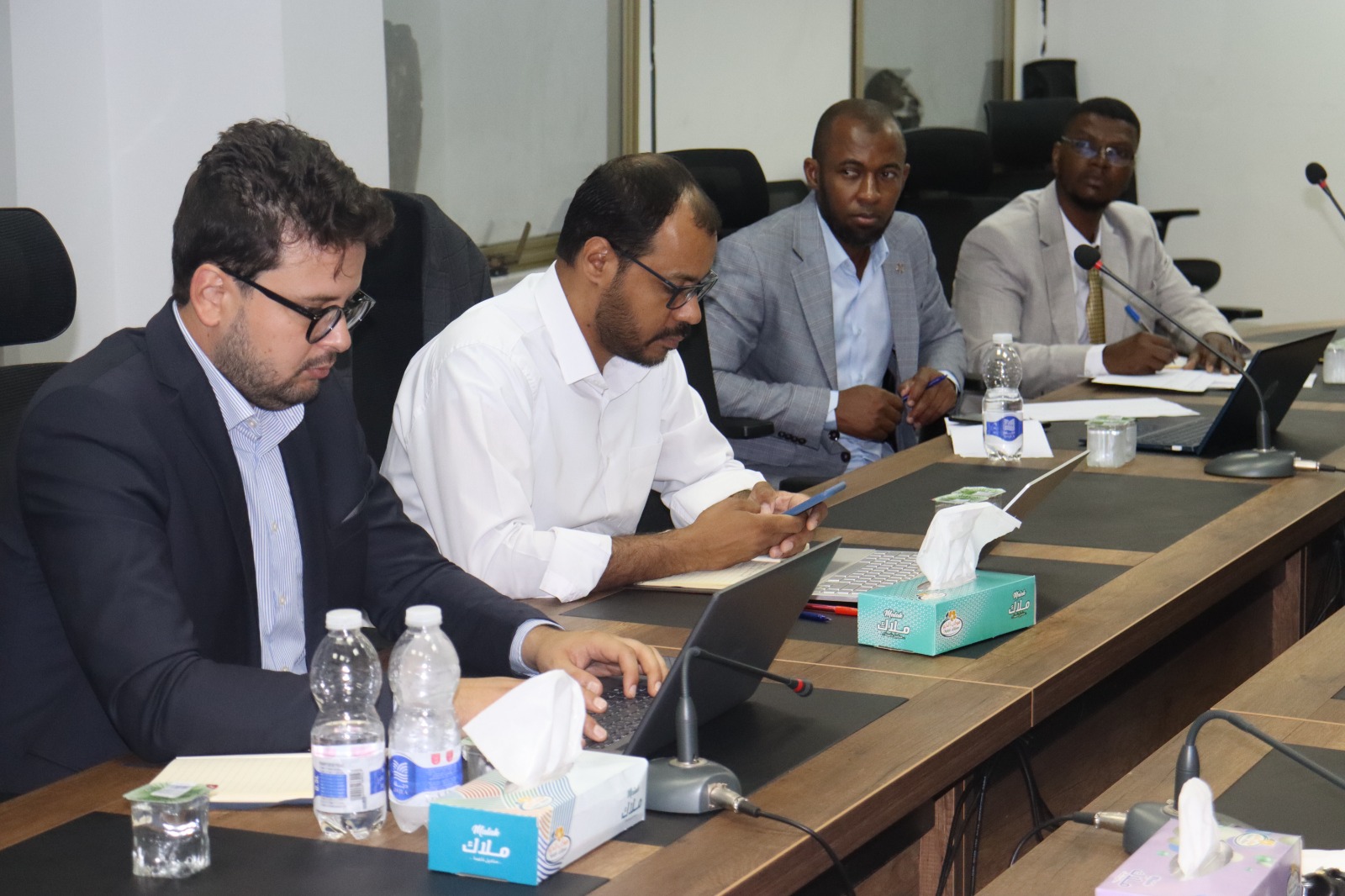
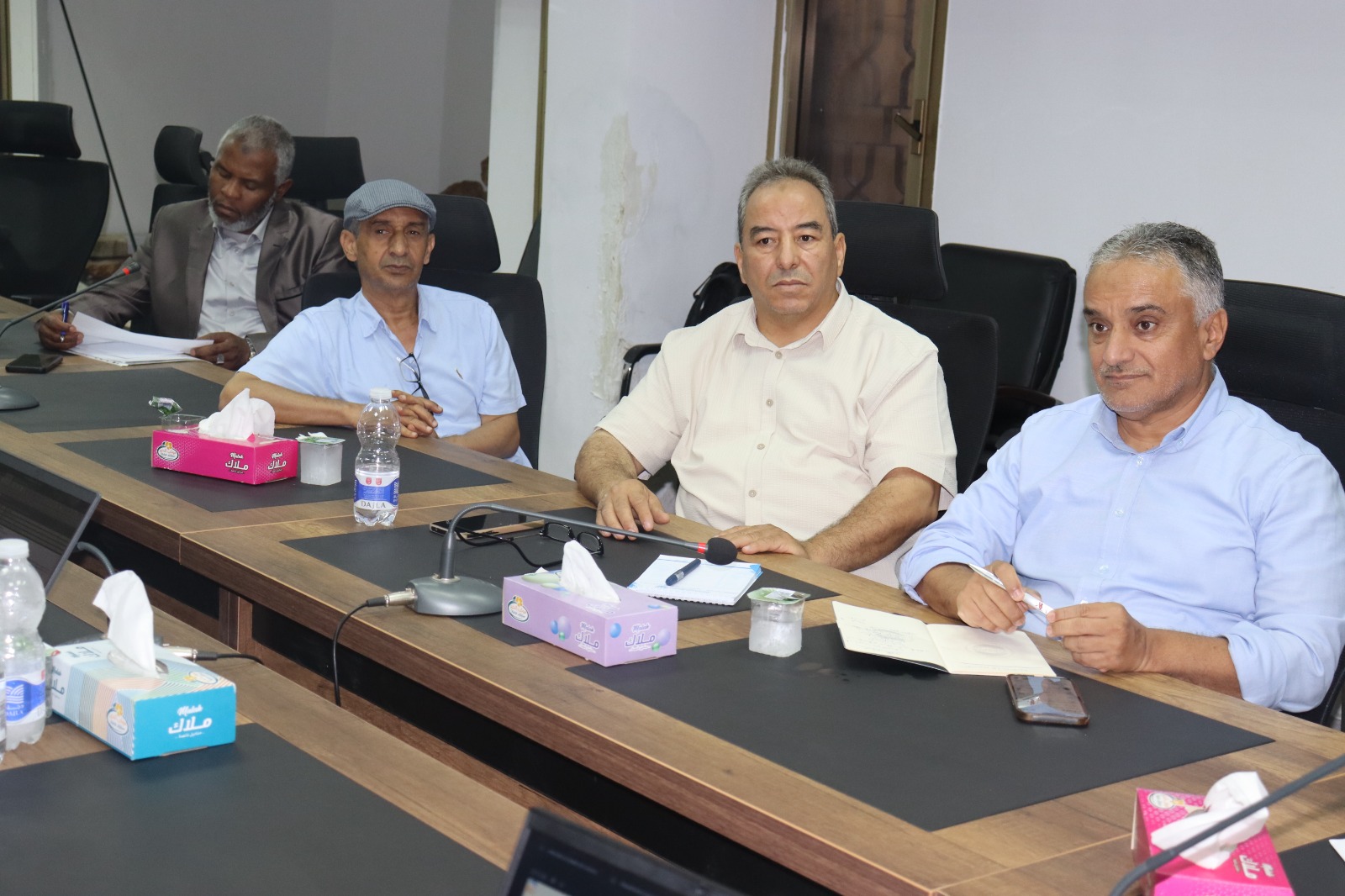
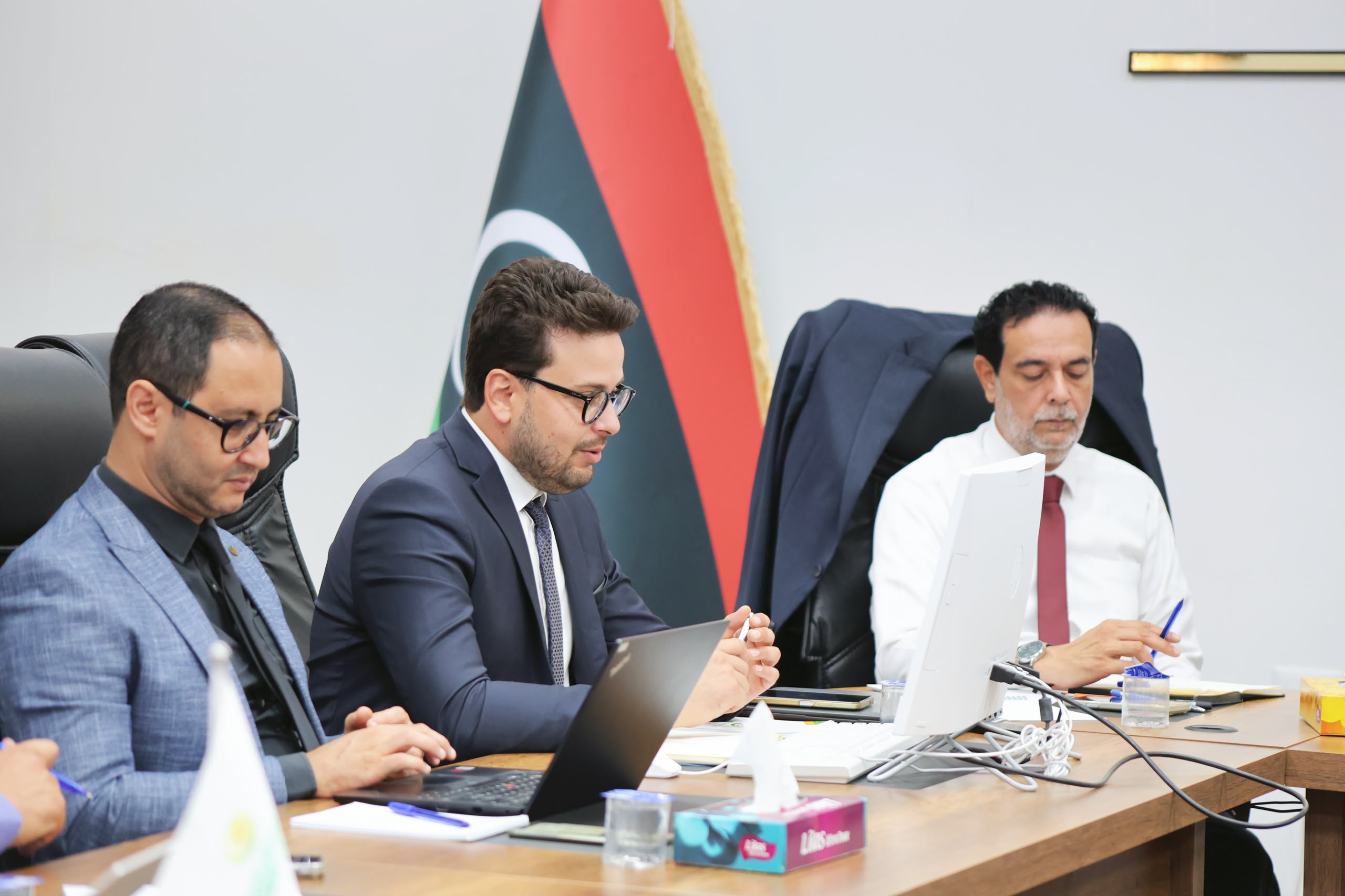
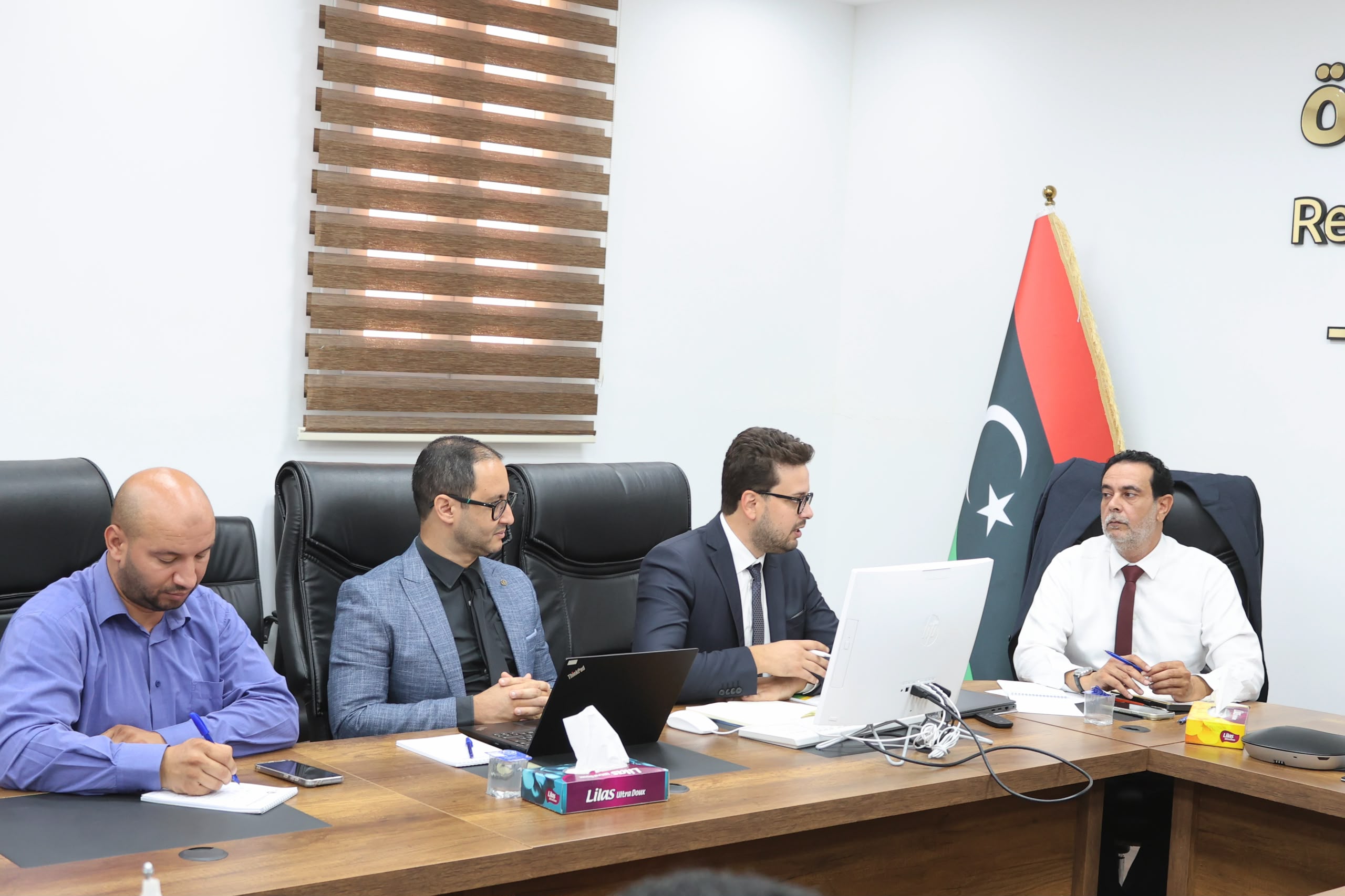
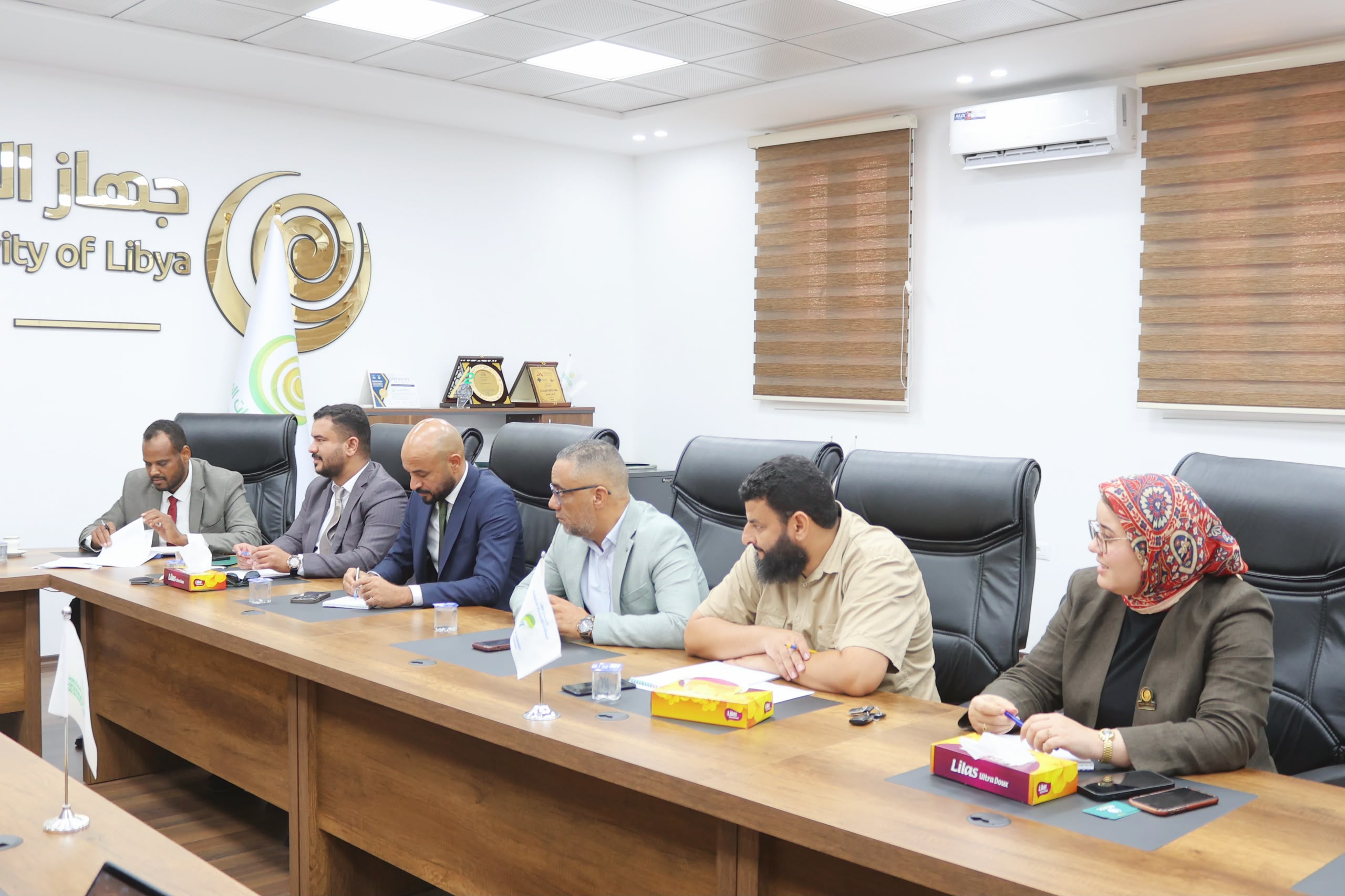
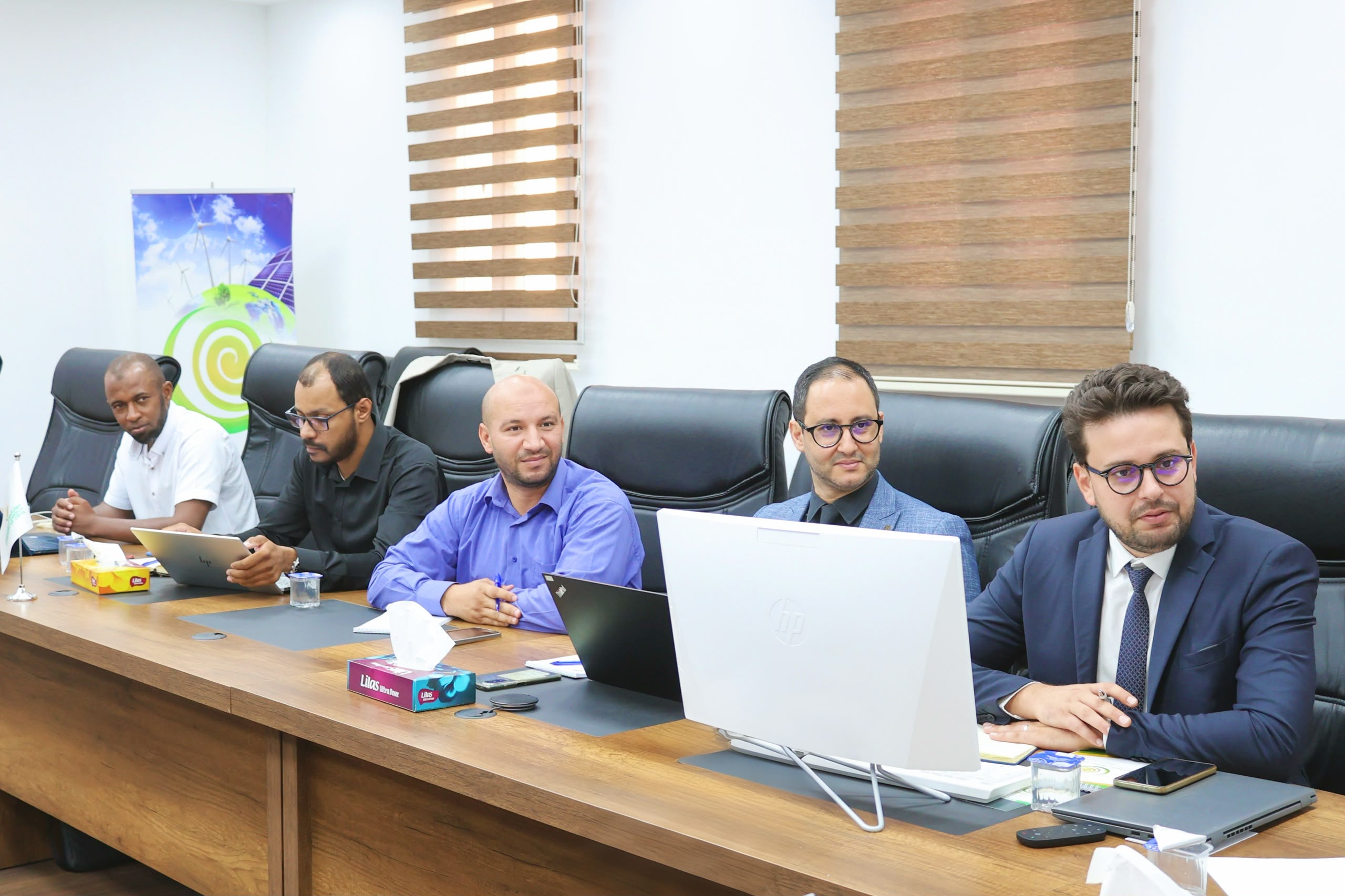
Building strong national institutions is critical to Libya’s efforts to mobilize climate finance and translate its climate priorities into viable investments. In support of this vision, the Sahara and Sahel Observatory (OSS), in close coordination with Libya’s National Designated Authority (NDA) and the Ministry of Environment, organized a second workshop on Green Climate Fund (GCF) accreditation in Tripoli on 9–10 September 2026.
Held under the GCF-funded READINESS Libya II project, the workshop marked a new stage in the process, enabling selected Libyan institutions to assess their capacities, identify priority gaps and define concrete actions to strengthen their readiness for potential GCF accreditation.
The workshop brought together representatives of three institutions identified as potential candidates for accreditation: the Libyan Environmental Protection Fund (LEPF), the Renewable Energy Holding Company (REHC), and the Libyan Center for Studies and Research in Environmental Science & Technology (SRCEST).
Their preparation forms part of a broader national effort to strengthen Libya’s capacity to mobilize and manage climate finance and translate it into investments aligned with the country’s climate priorities. The participation of the GCF National Focal Point and representatives of the NDA further reflected the national ownership underpinning the process.
From Tunis to Tripoli: Turning Requirements into Action
Building on the introductory training held in Tunis on 19–21 August 2026, the Tripoli workshop shifted the focus from a common understanding of GCF accreditation requirements to tailored, institution-specific action.
Working closely with each institution, OSS supported an assessment of existing capacities and gaps against relevant accreditation requirements. The findings were then translated into priority actions covering institutional policies, procedures, systems and supporting evidence.
This progression — from shared learning to tailored institutional roadmaps — illustrates the role of OSS in bridging international climate finance requirements with national institutional realities. Rather than applying a one-size-fits-all approach, the support builds on the capacities already in place while addressing the specific needs of each institution.
Beyond Accreditation: Strengthening National Climate Finance Capacities
The significance of this process extends beyond preparing potential accreditation applications. Strengthening institutional policies, procedures and systems also contributes to Libya’s longer-term capacity to manage climate resources effectively and deliver investments aligned with national priorities.
GCF accreditation can provide eligible national entities with opportunities to access Fund resources directly, subject to the GCF’s assessment, approval and applicable procedures. Preparing Libyan institutions for this possibility therefore represents an important step towards reinforcing national ownership of climate finance and reducing reliance on external channels for the development and implementation of climate investments.
Through READINESS Libya II, OSS supports this process by translating international requirements into practical actions adapted to each institution’s context. Its continued cooperation with the NDA, the Ministry of Environment and the participating institutions helps anchor the process within national structures and existing capacities.
What Comes Next: From Institutional Readiness to Climate Investment
The work undertaken in Tripoli is part of a broader effort to strengthen Libya’s climate finance ecosystem. Under READINESS Libya II, institutional readiness is complemented by the development of climate project concept notes, connecting stronger national capacities with a pipeline of potential climate investments.
The assessments and roadmaps developed during the workshop will guide the next stages of institutional preparation, helping the participating institutions address identified gaps and further strengthen the systems required for potential accreditation.
Beyond the immediate accreditation process, the longer-term objective is broader: to strengthen Libya’s ability to mobilize, manage and deploy climate finance through national institutions, supporting a more nationally driven and sustainable response to the country’s climate priorities.
Held on January 28, 2025 in Tunis, the 27th session of the Strategic Orientation…
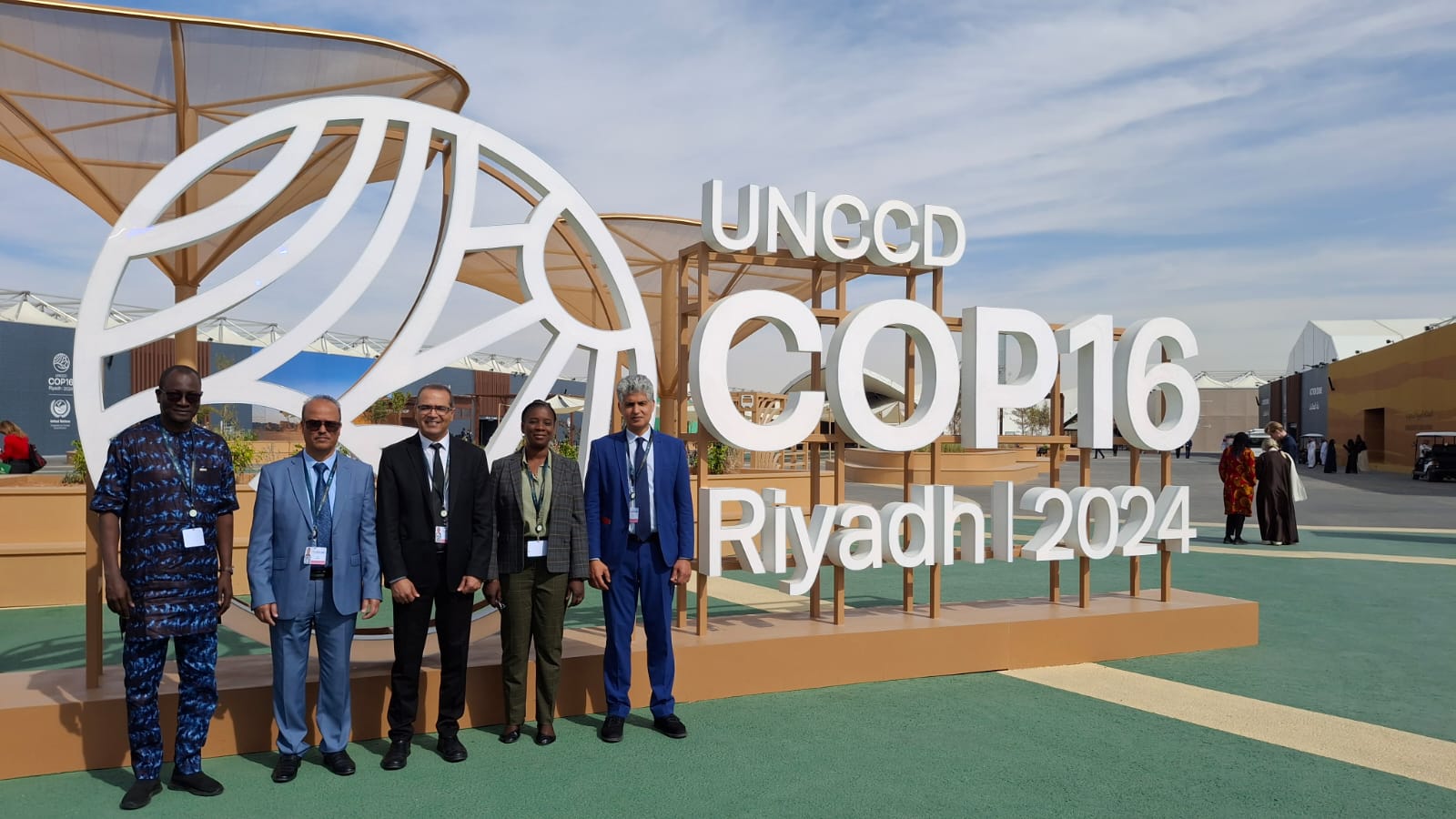
The participation of the Sahara and Sahel…
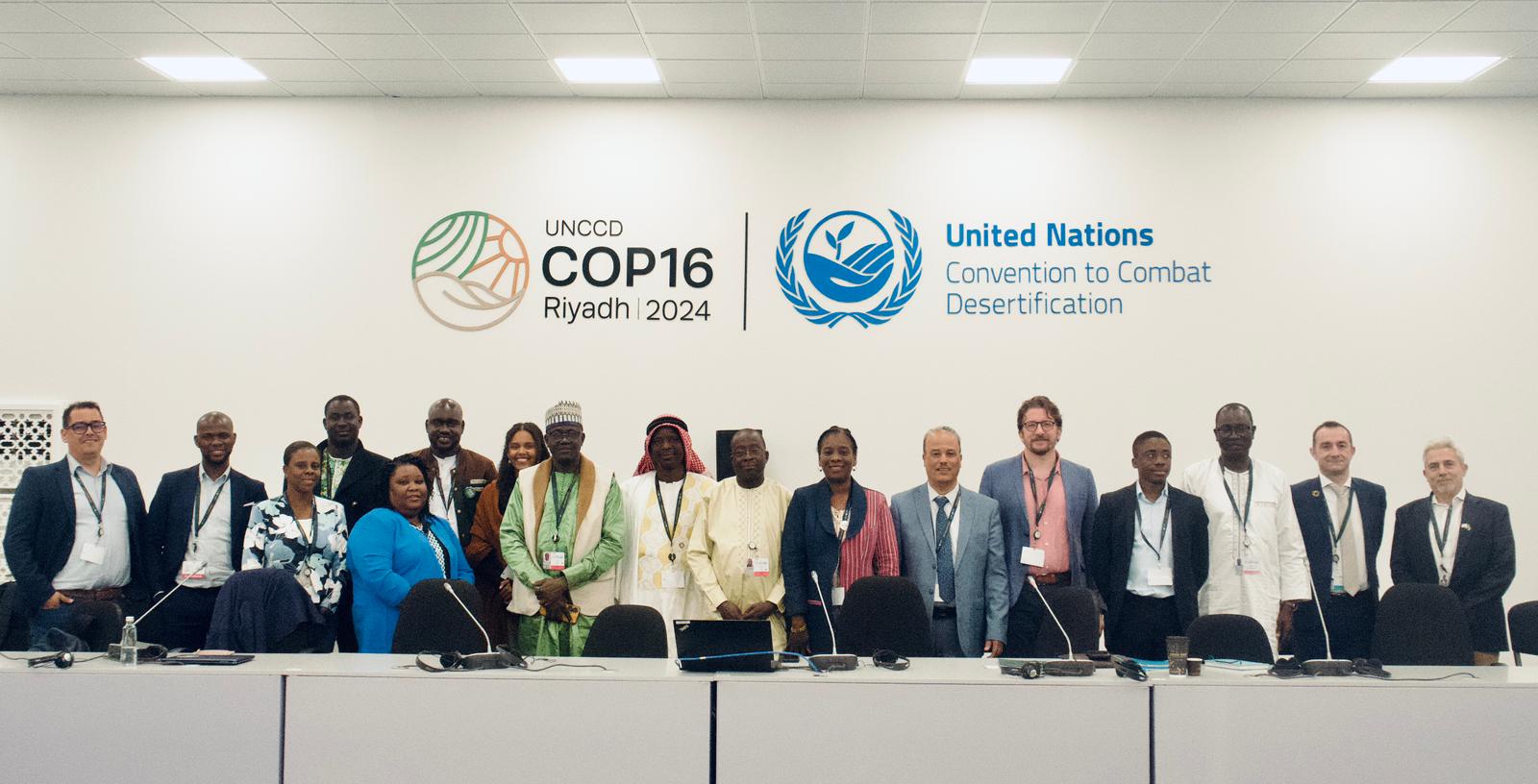
OSS Side Event at COP16: Strengthening Resilience in the Sahel through Multi-…