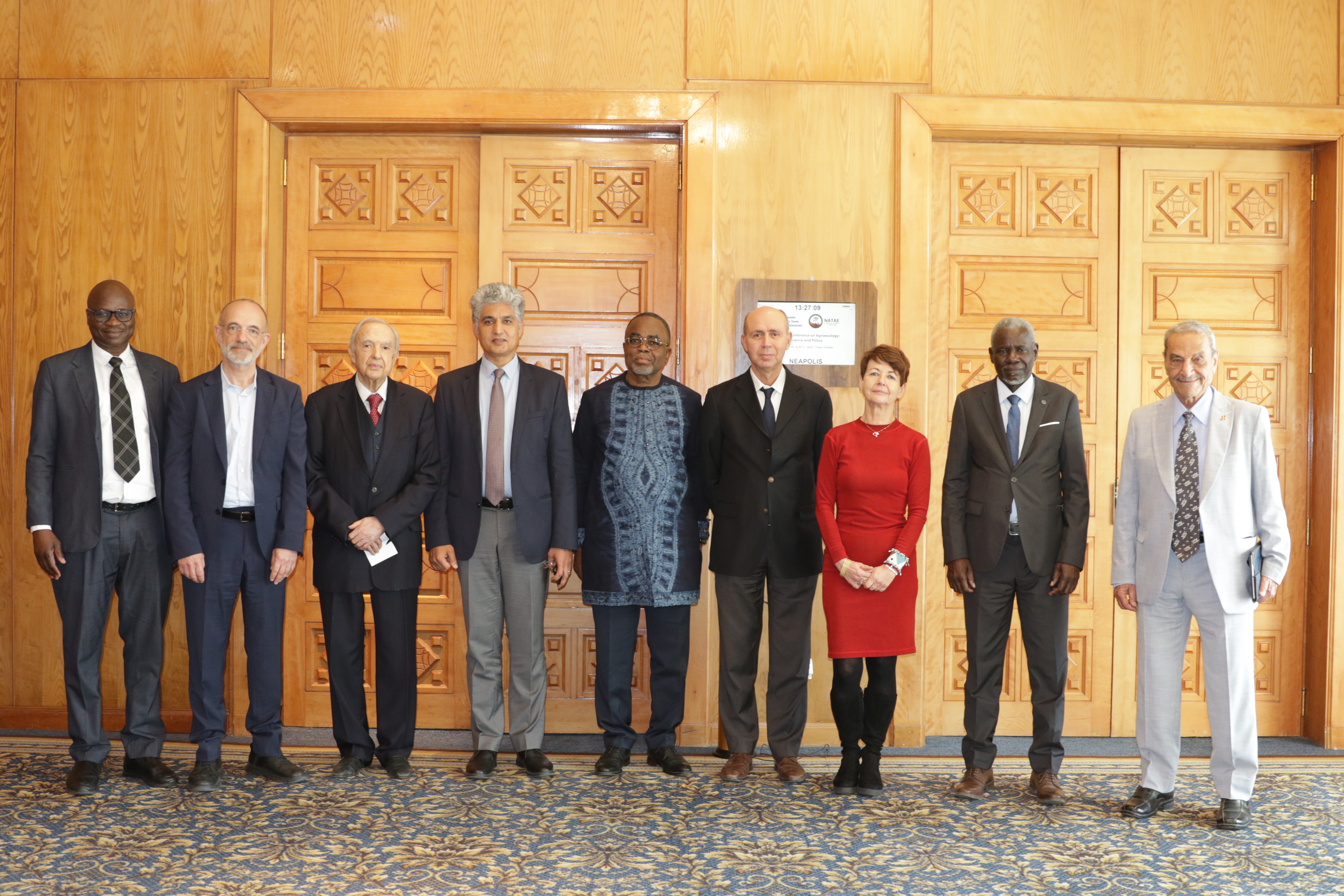
27th Session of the OSS Strategic Orientation Committee, Tunis, January 28, 2025
Held on January 28, 2025 in Tunis, the 27th session of the Strategic Orientation…
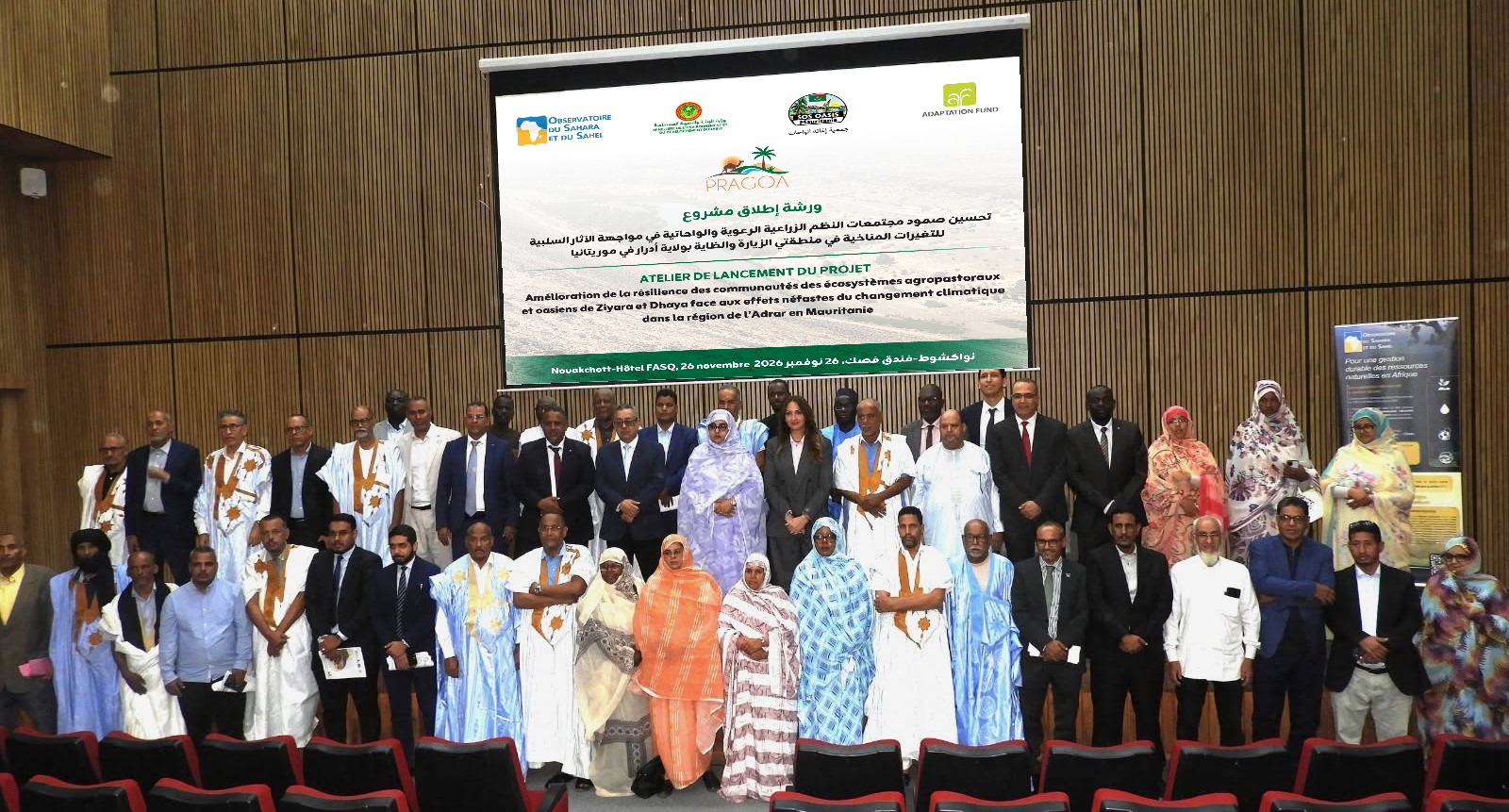
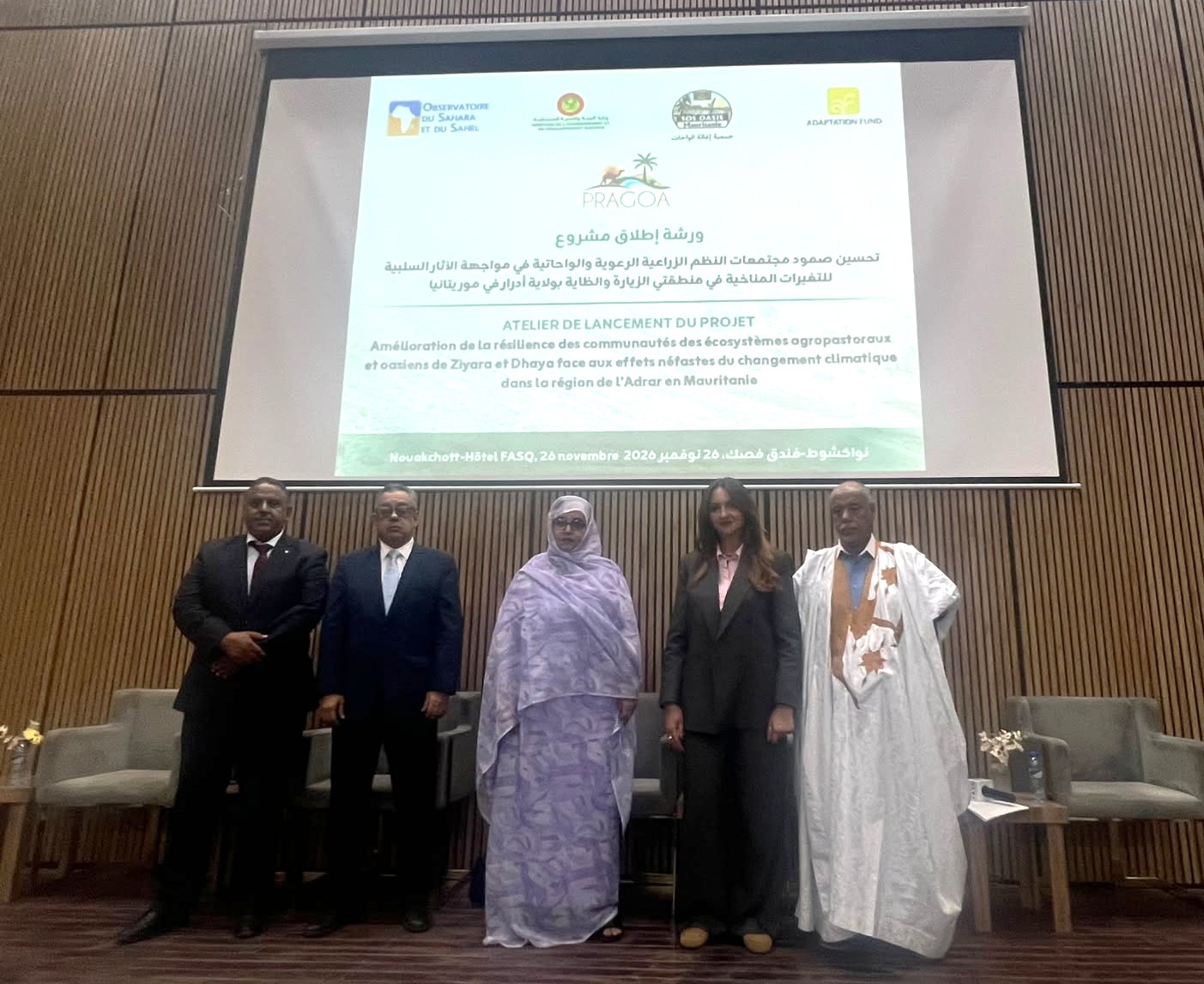
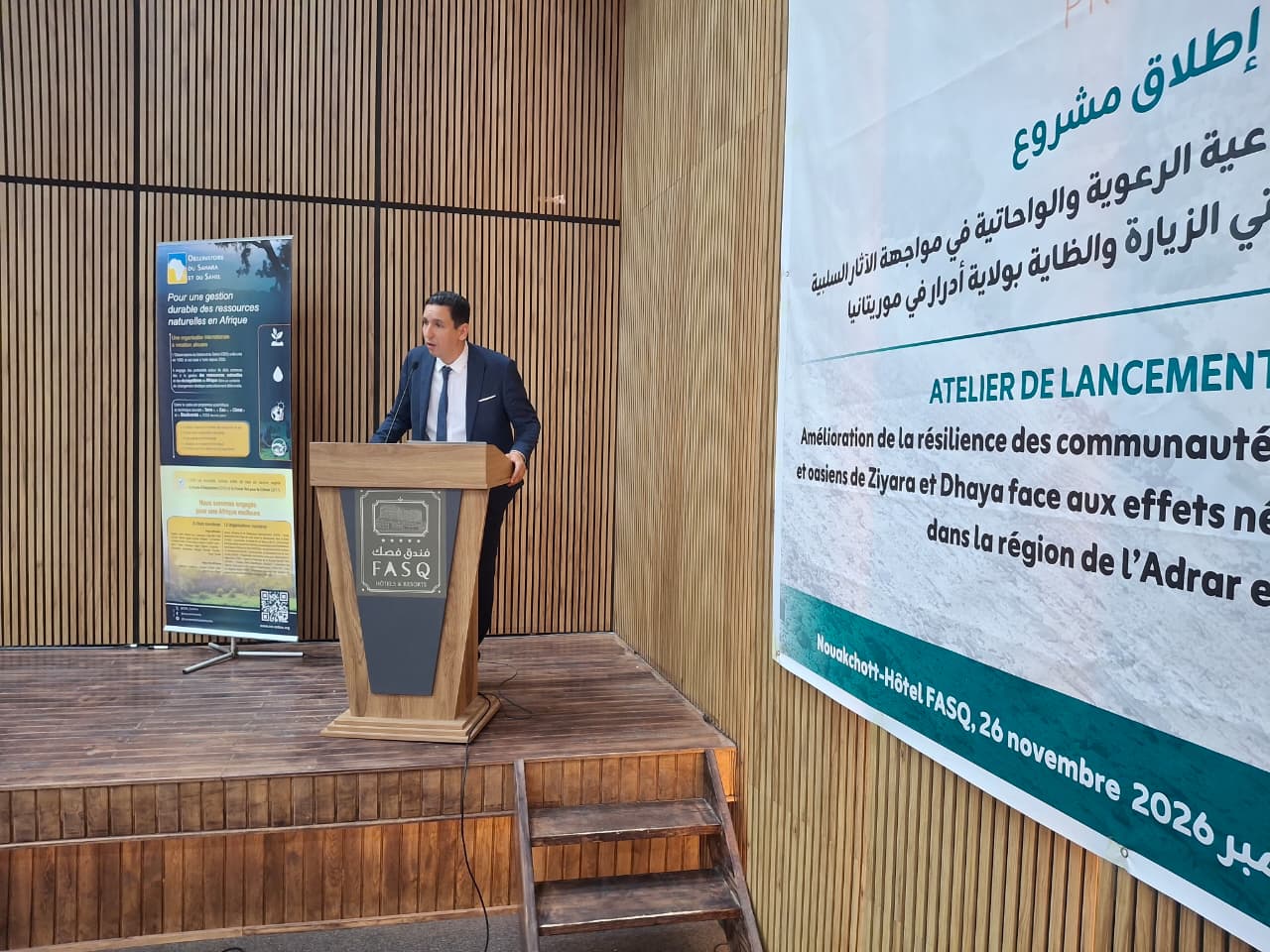
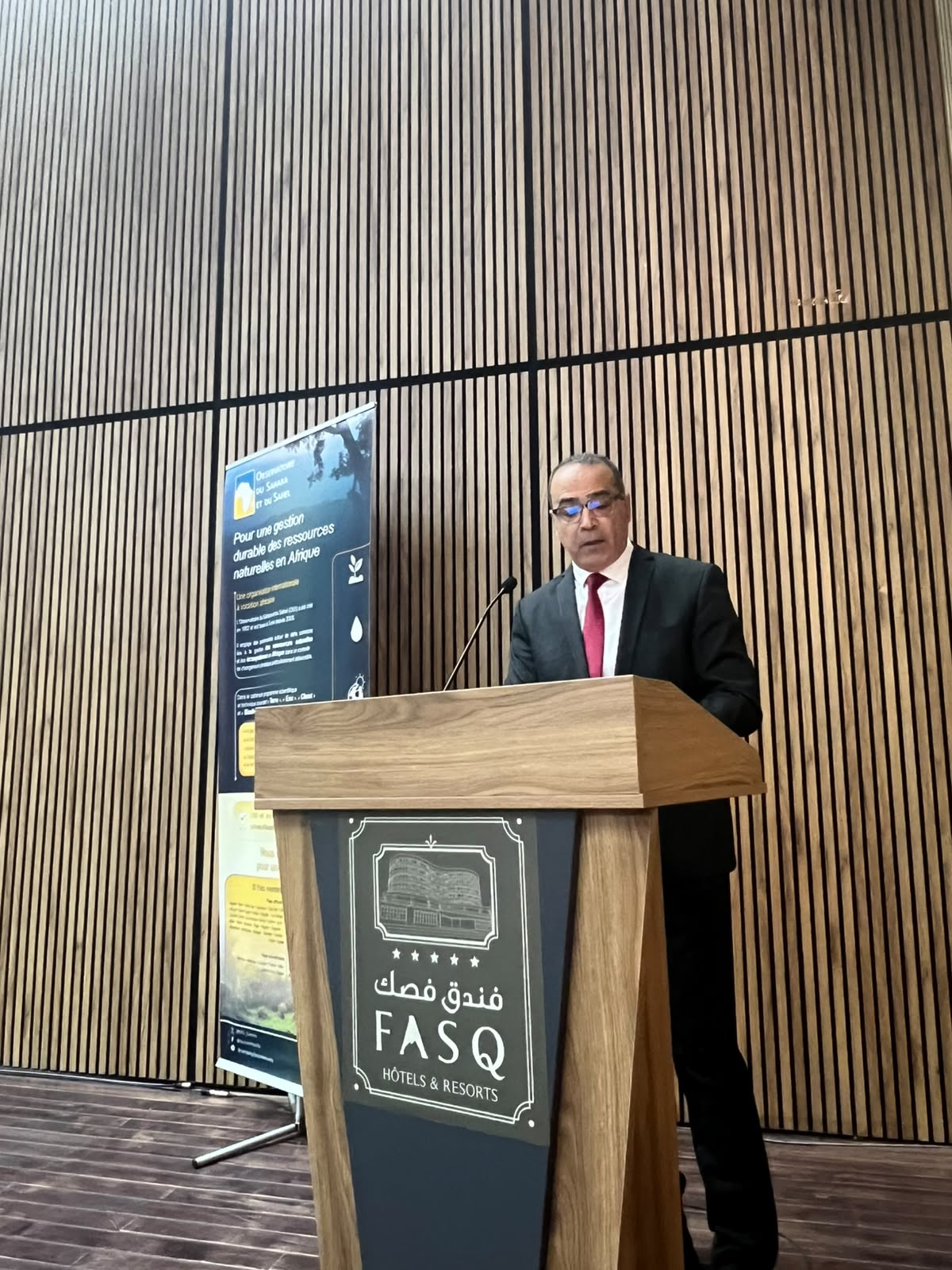
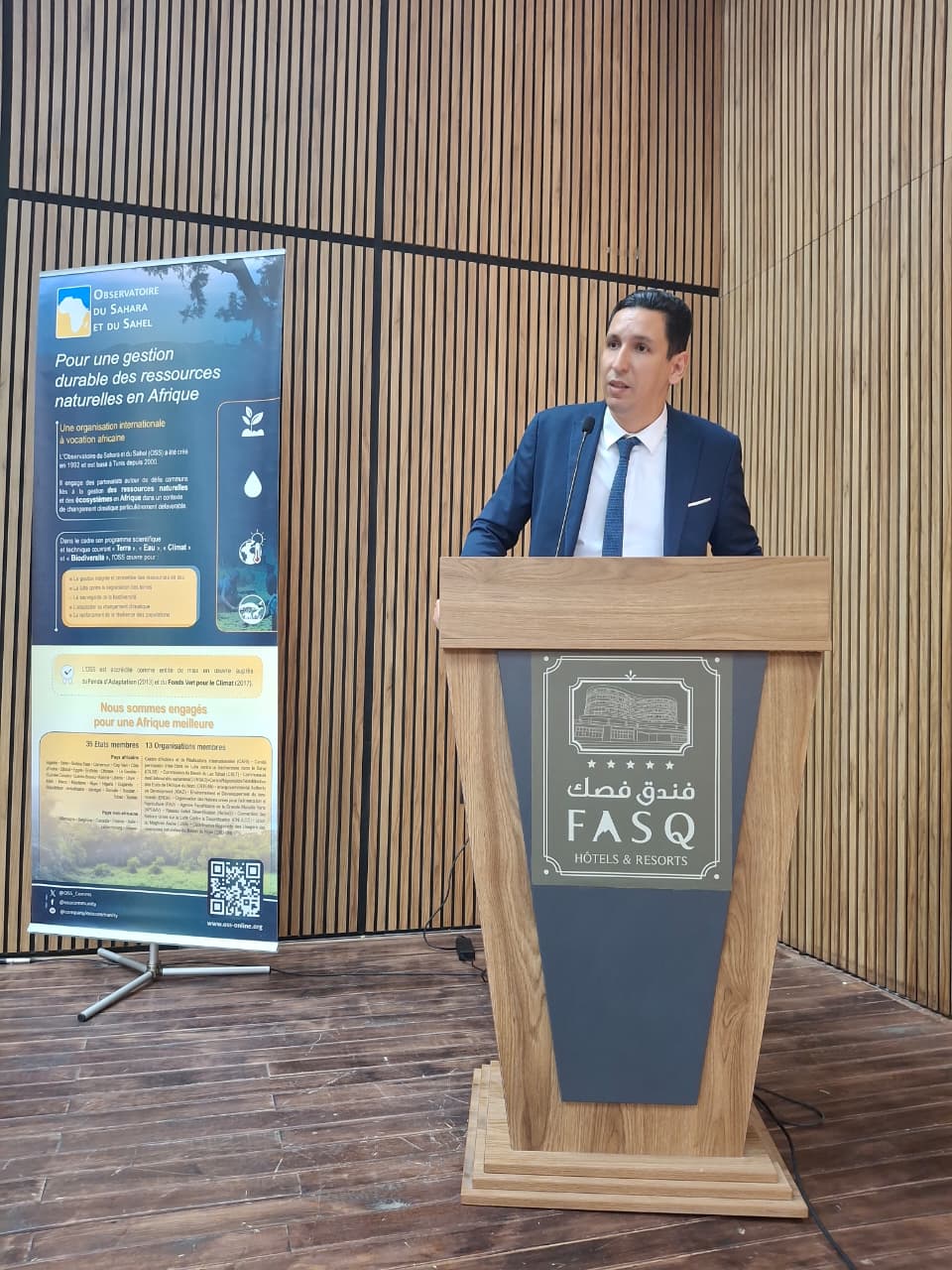
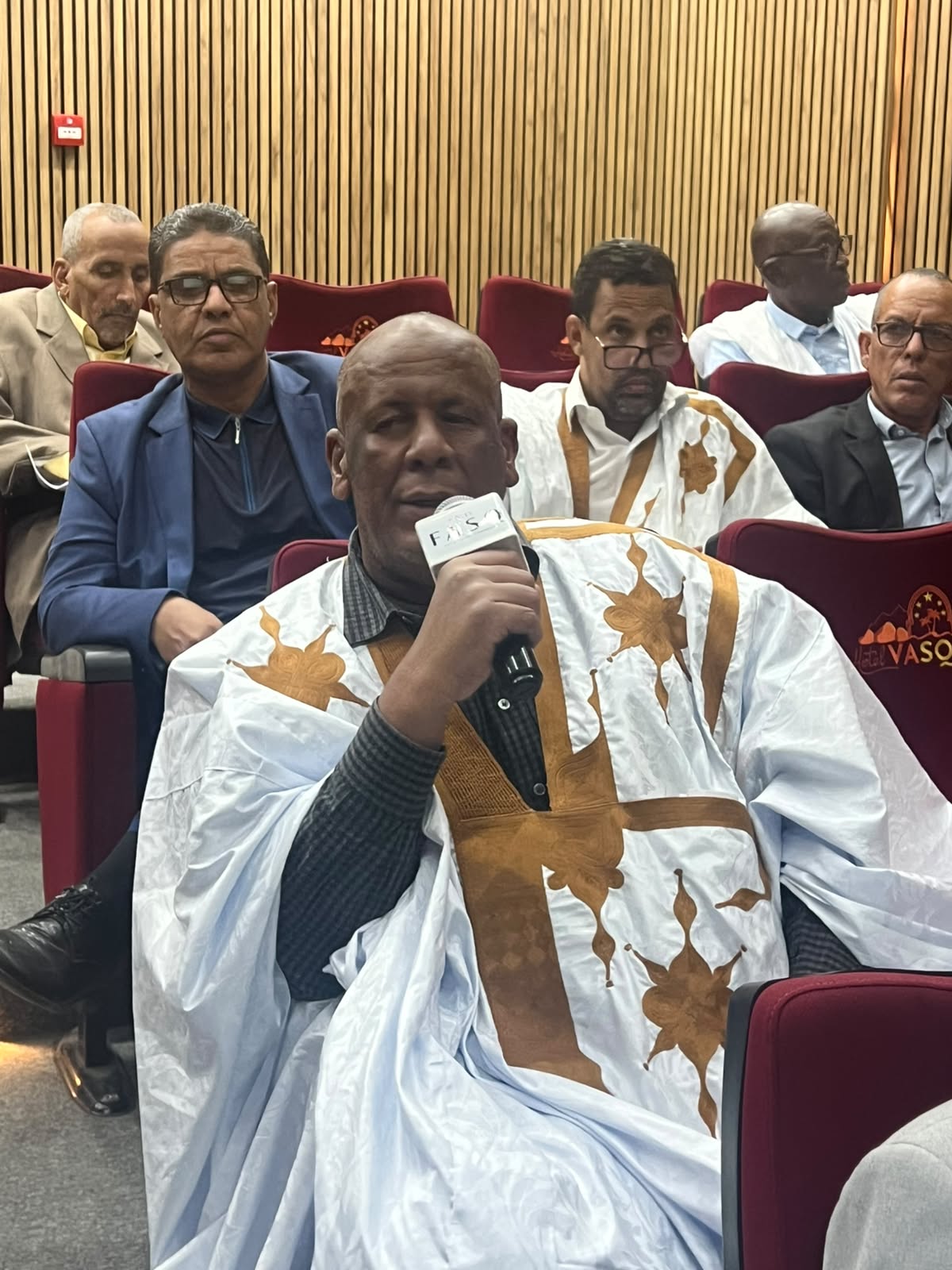
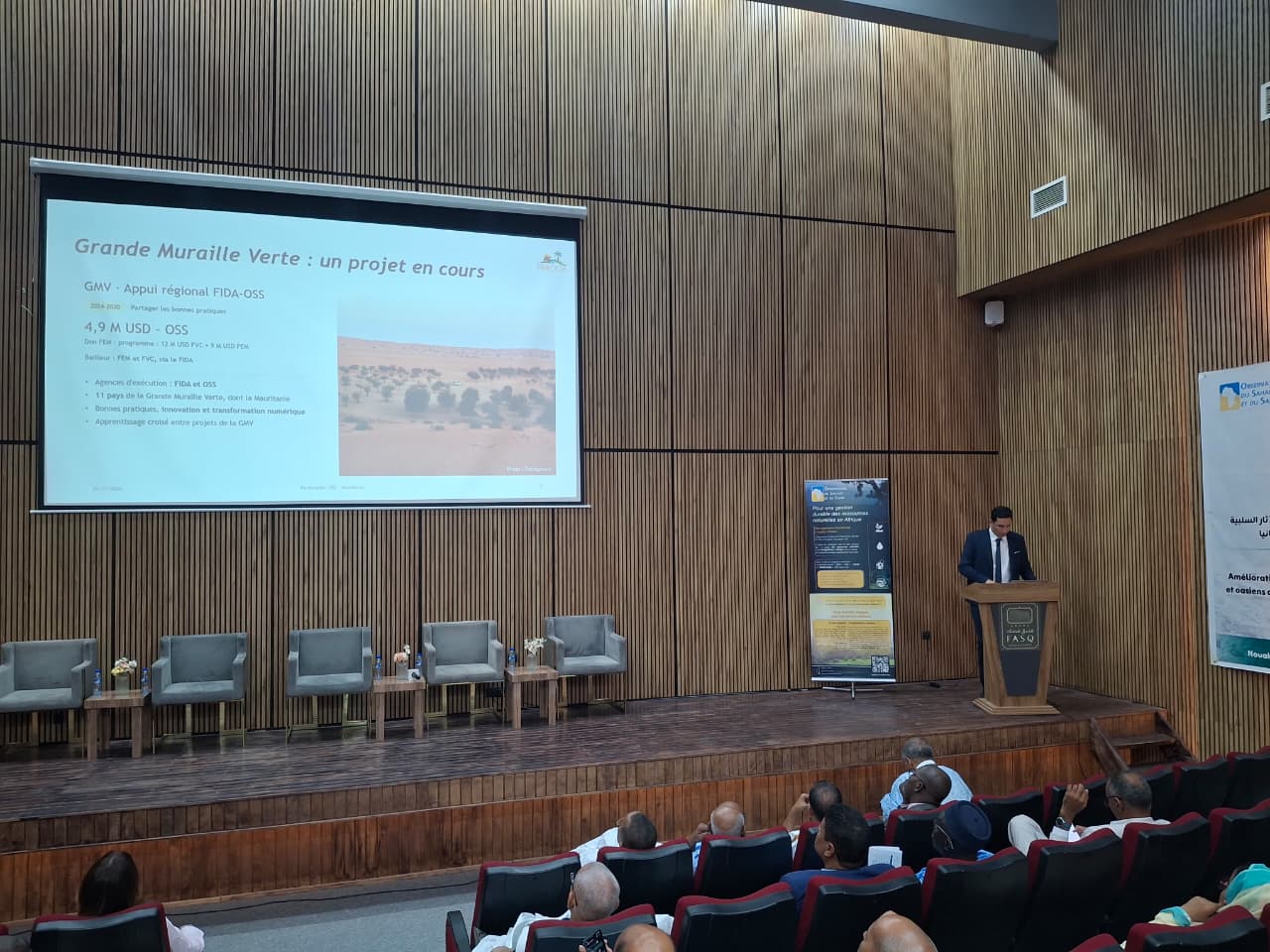
Nouakchott, 26 November 2026
With USD 10 million in support from the Adaptation Fund, Mauritania, the Sahara and Sahel Observatory (OSS) and the NGO SOS-OASIS are launching the PRAGOA project. The initiative aims to strengthen the resilience of oasis ecosystems in the Adrar region, safeguard local livelihoods and make climate adaptation a driver of sustainable territorial development.
As vital living spaces at the heart of the desert, Mauritania’s oases represent a natural, economic and cultural heritage whose preservation has become a major priority in the face of climate change. Growing water scarcity, more frequent and severe droughts, and advancing desertification are placing increasing pressure on these ecosystems and threatening the future of the communities that depend on them.
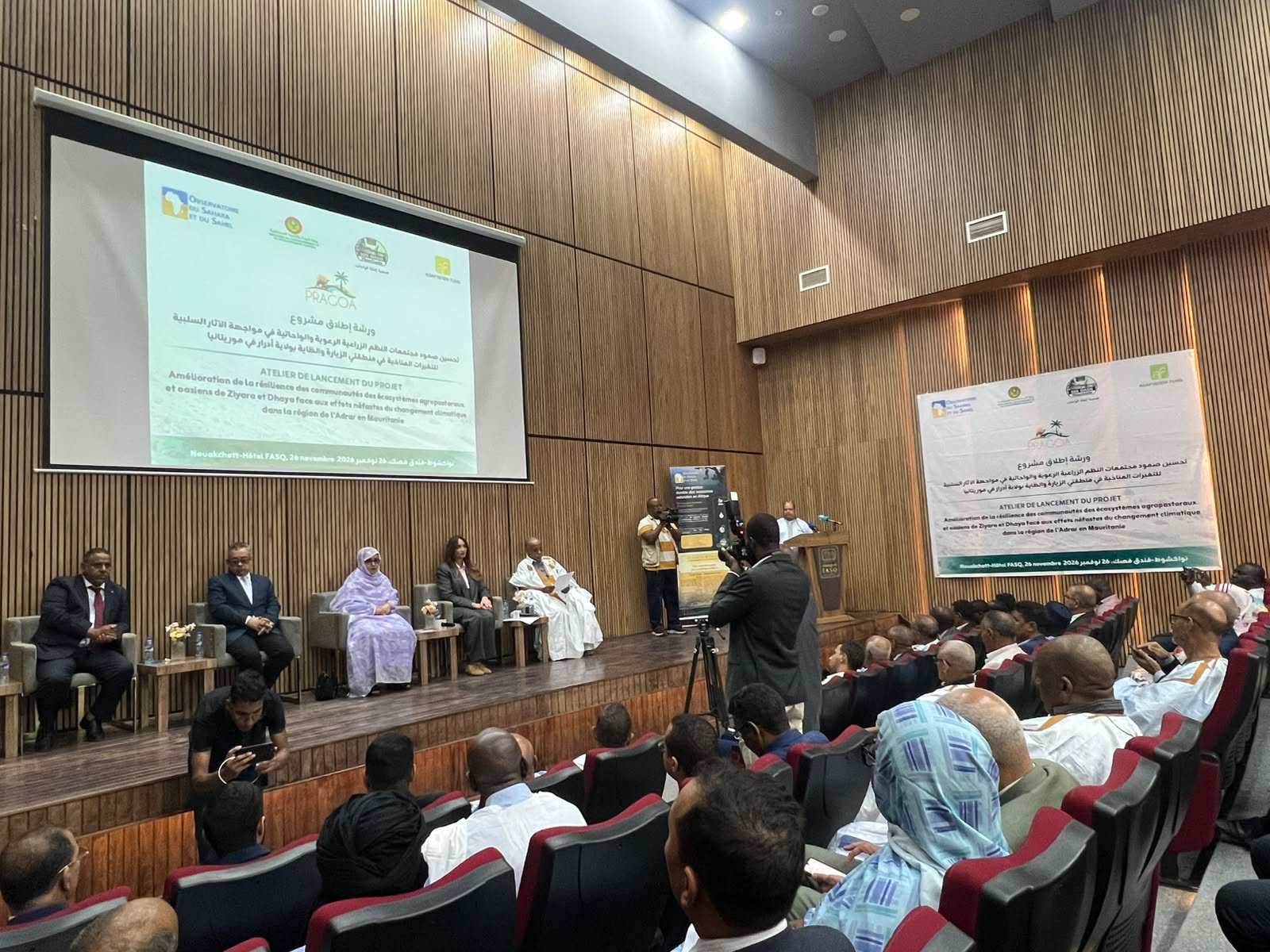
Against this backdrop, Mauritania, in partnership with OSS and the NGO SOS-OASIS, officially launched the project “Strengthening the Resilience of Communities in the Agropastoral and Oasis Ecosystems of Ziyara and Dhaya to the Adverse Effects of Climate Change in the Adrar Region of Mauritania” (PRAGOA).
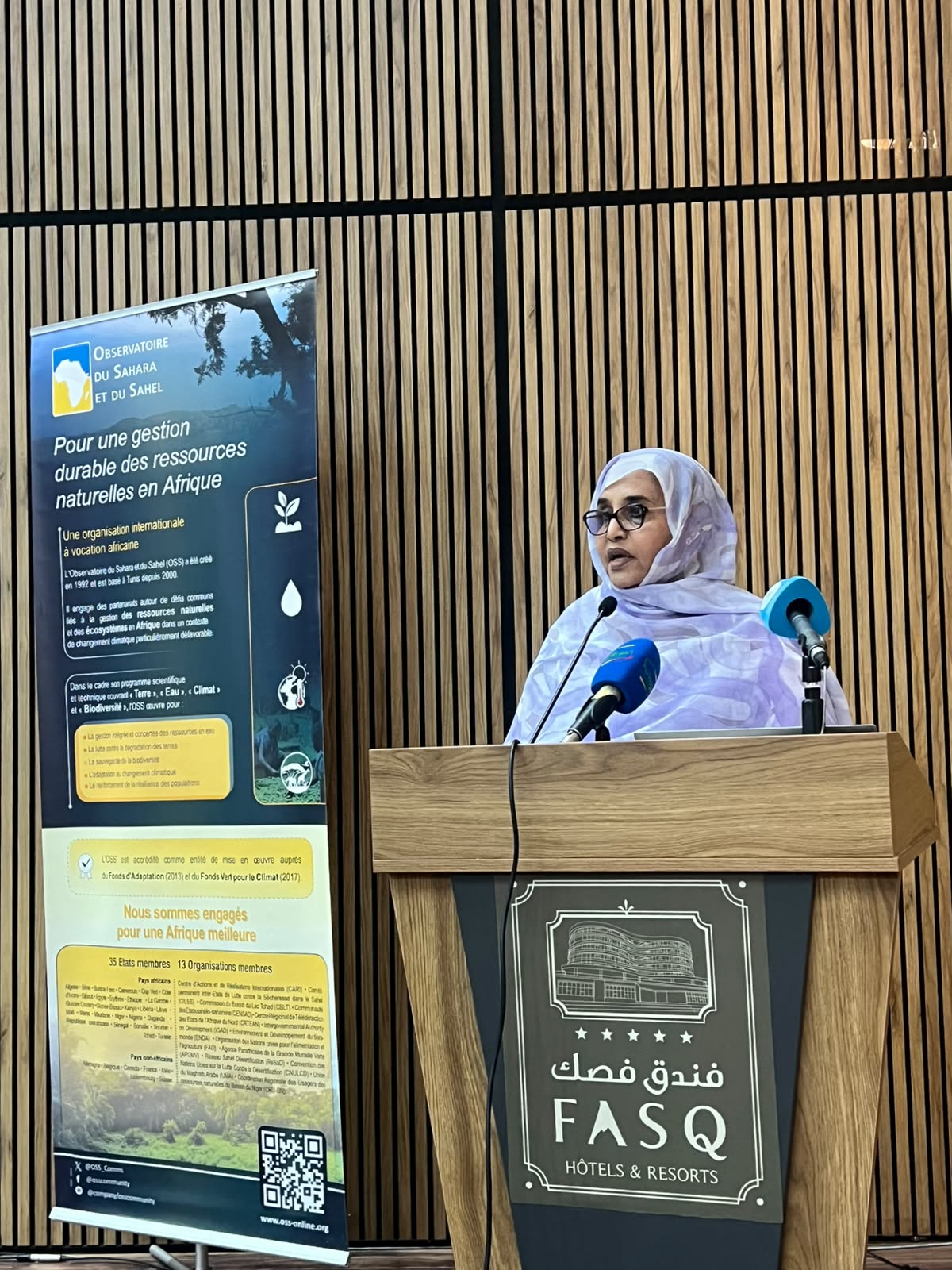
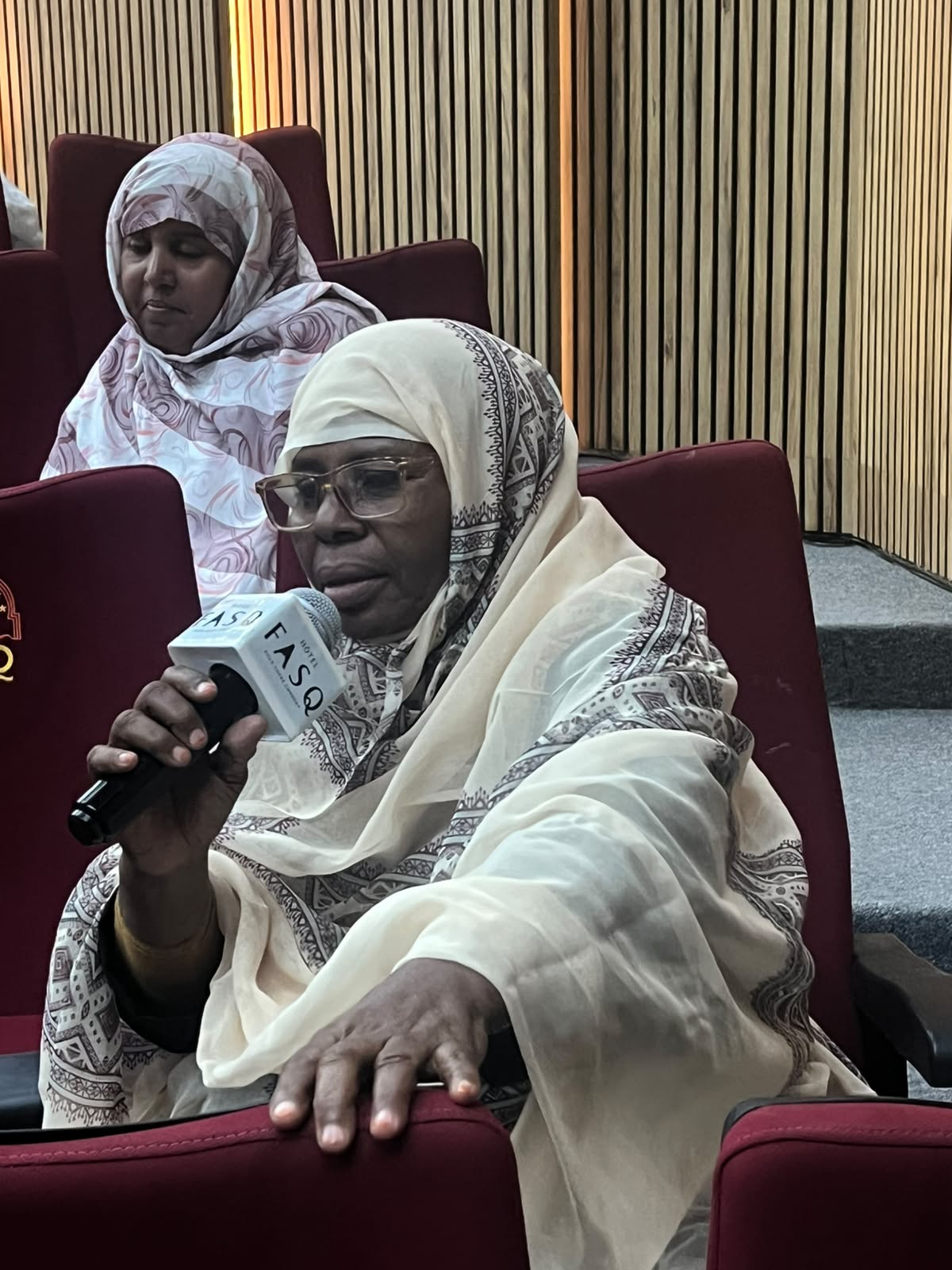
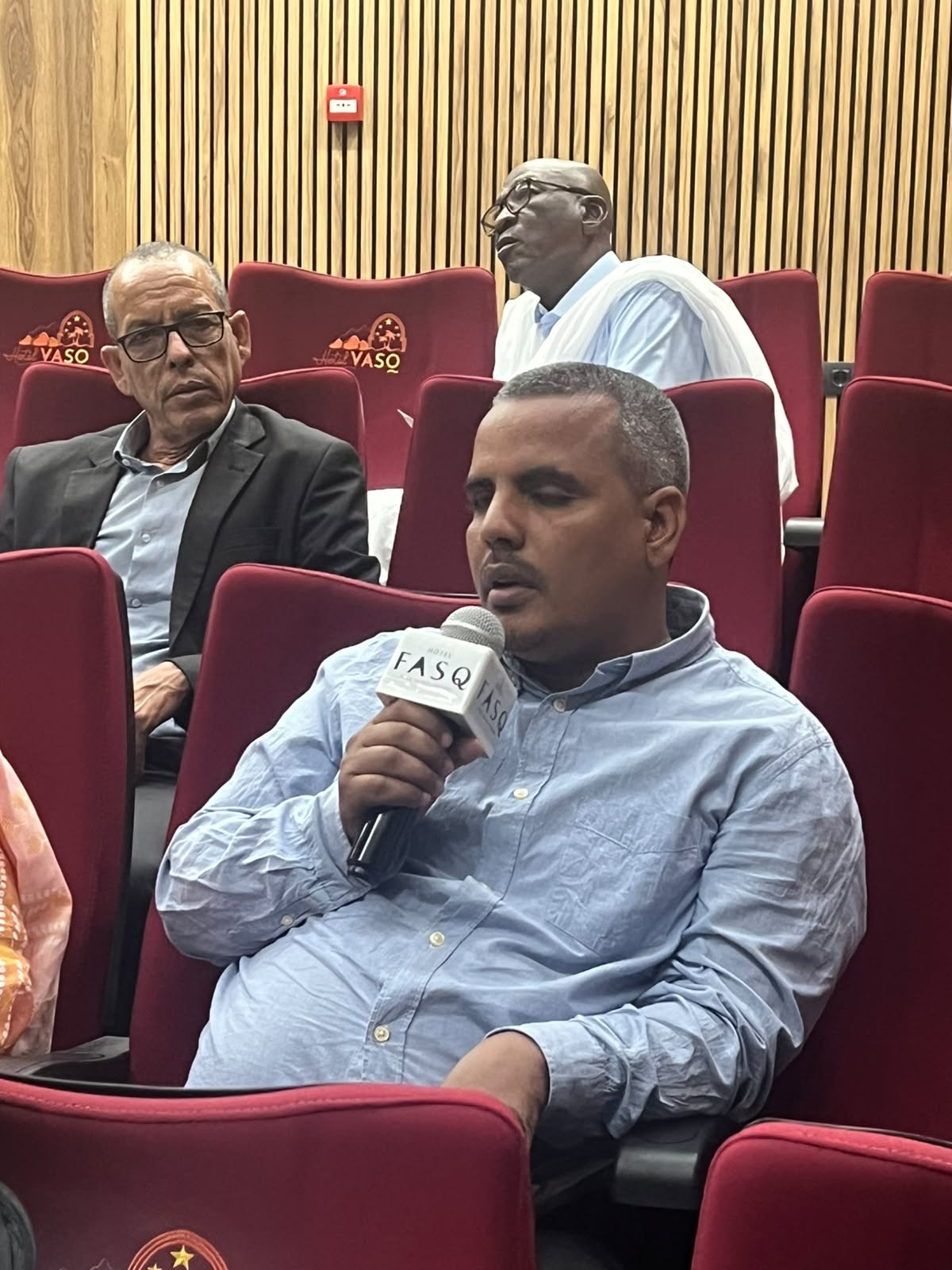
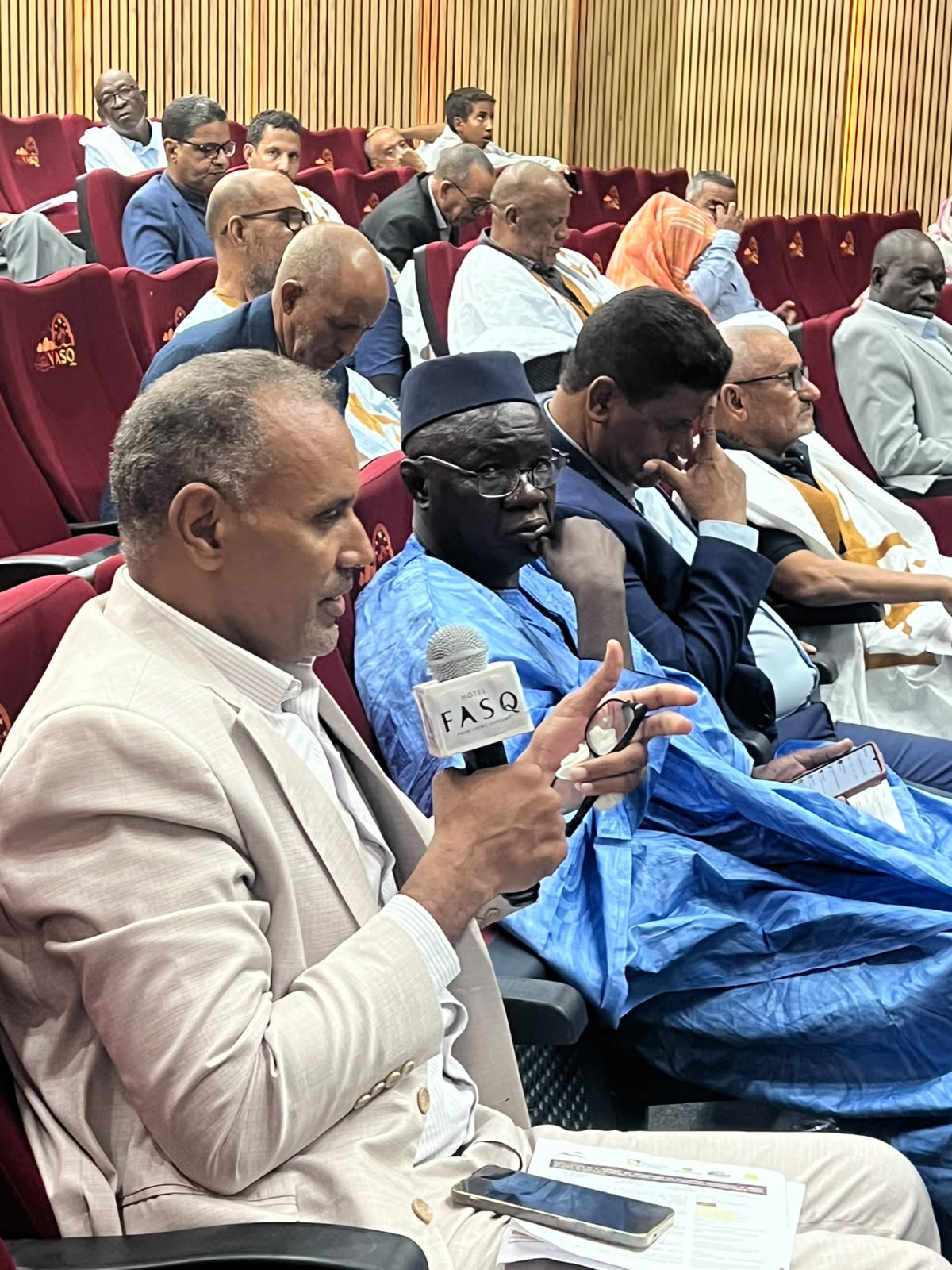
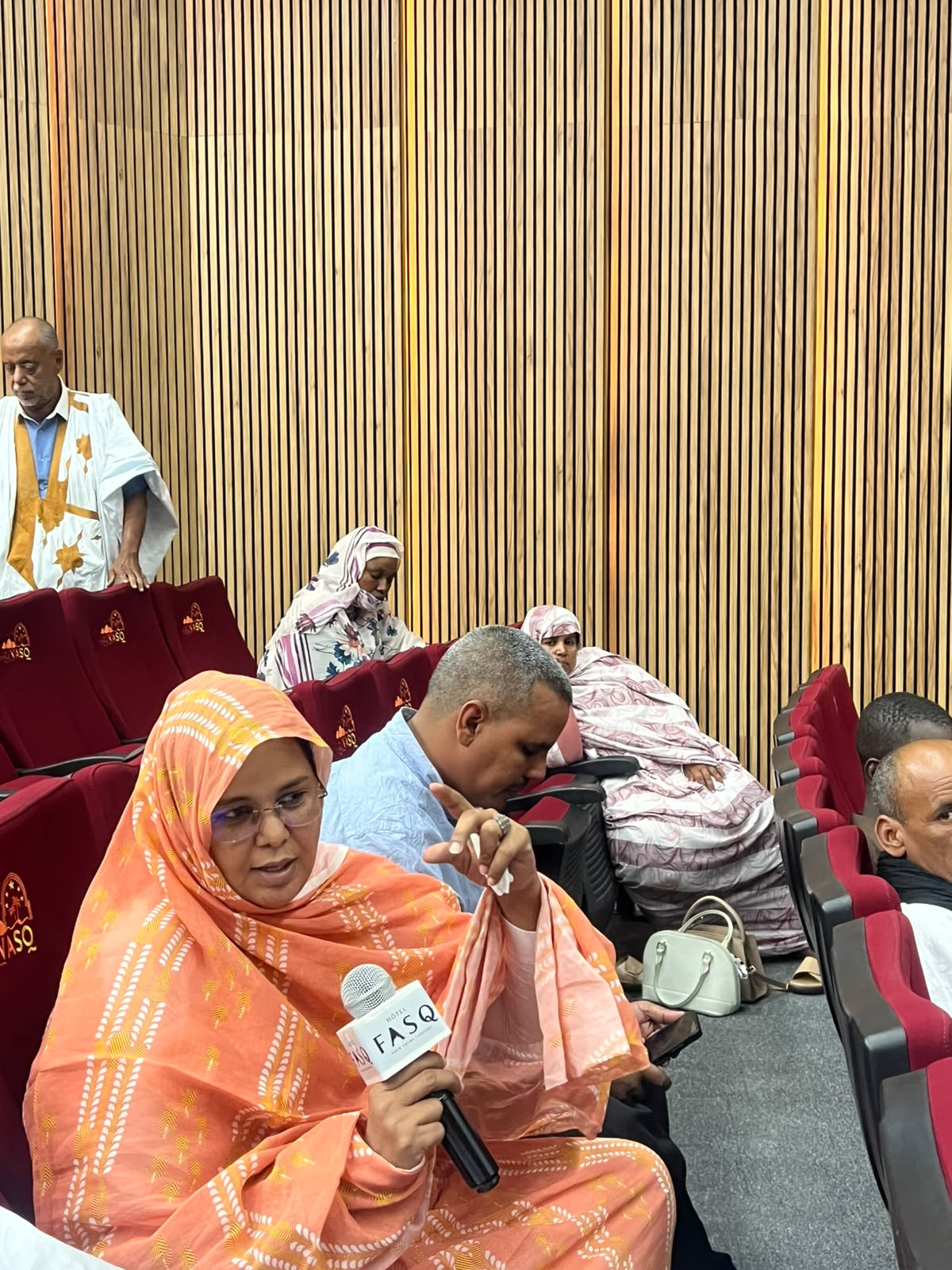
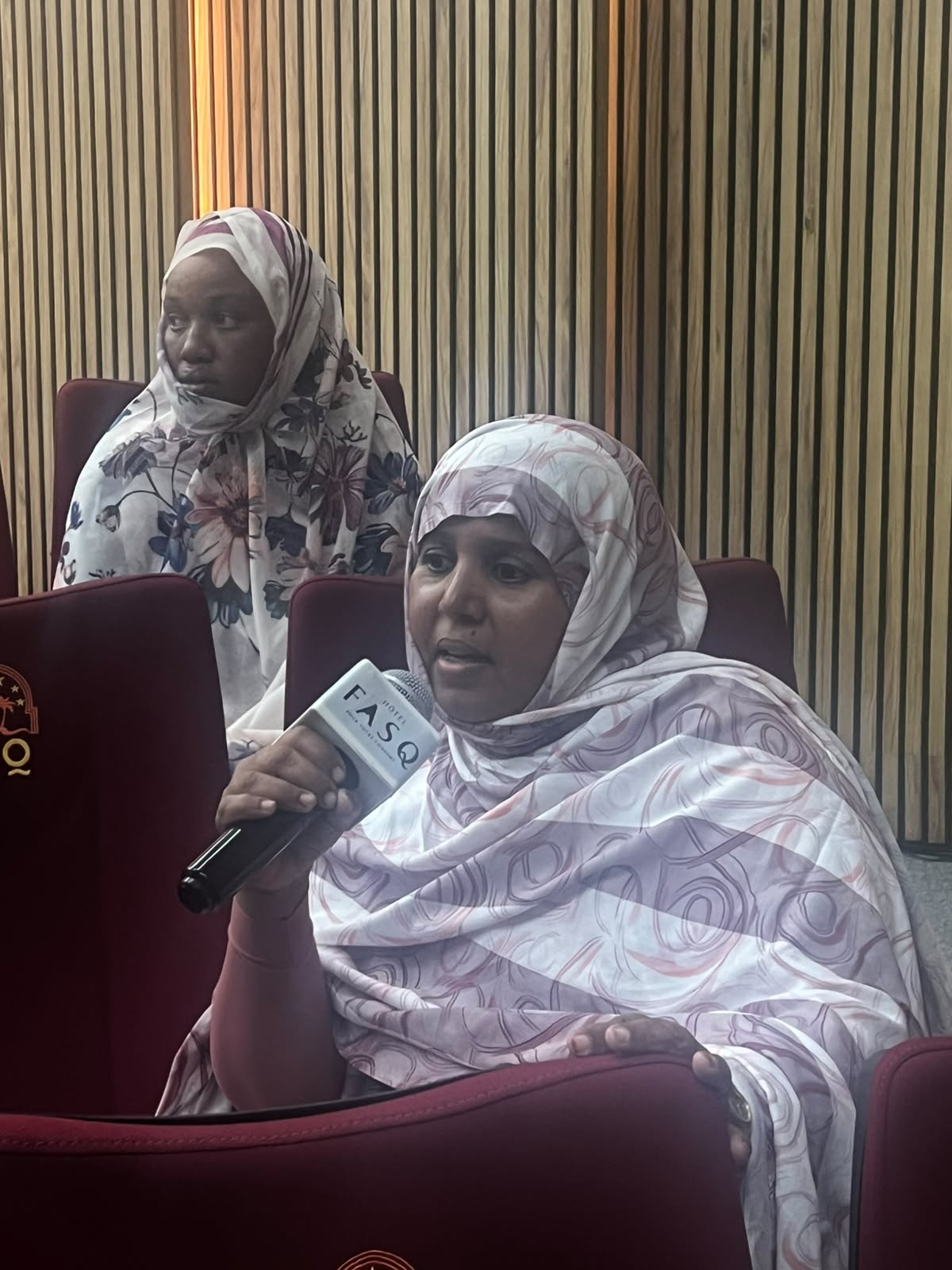
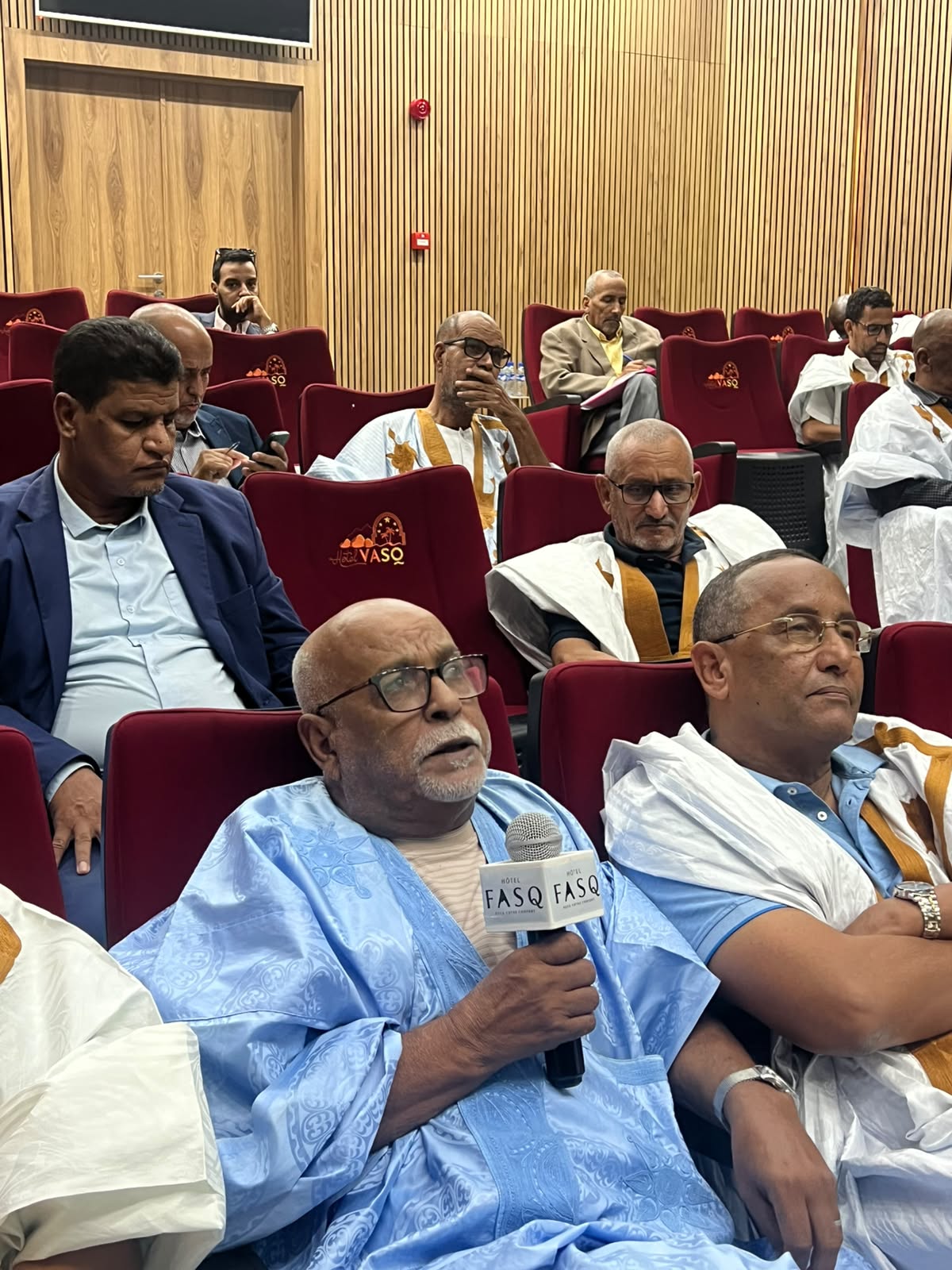
Chaired by Ms Messouda Baham Mohamed Laghdaf, Minister of Environment and Sustainable Development, the launch workshop brought together representatives of national institutions, beneficiary communities and civil society around a shared ambition: to preserve the oases of the Adrar region while creating new economic and social opportunities for the people who live there.
Turning climate commitments into concrete action
In her opening remarks, the Minister stressed that the disappearance of an oasis would mean far more than the loss of an ecosystem: it would also threaten ways of life, centuries-old knowledge and skills, and a cultural heritage passed down from generation to generation. She underscored the importance of ensuring the active participation of women and young people in project decision-making and encouraged Mauritanian civil society to seize the opportunities offered by international climate finance mechanisms.
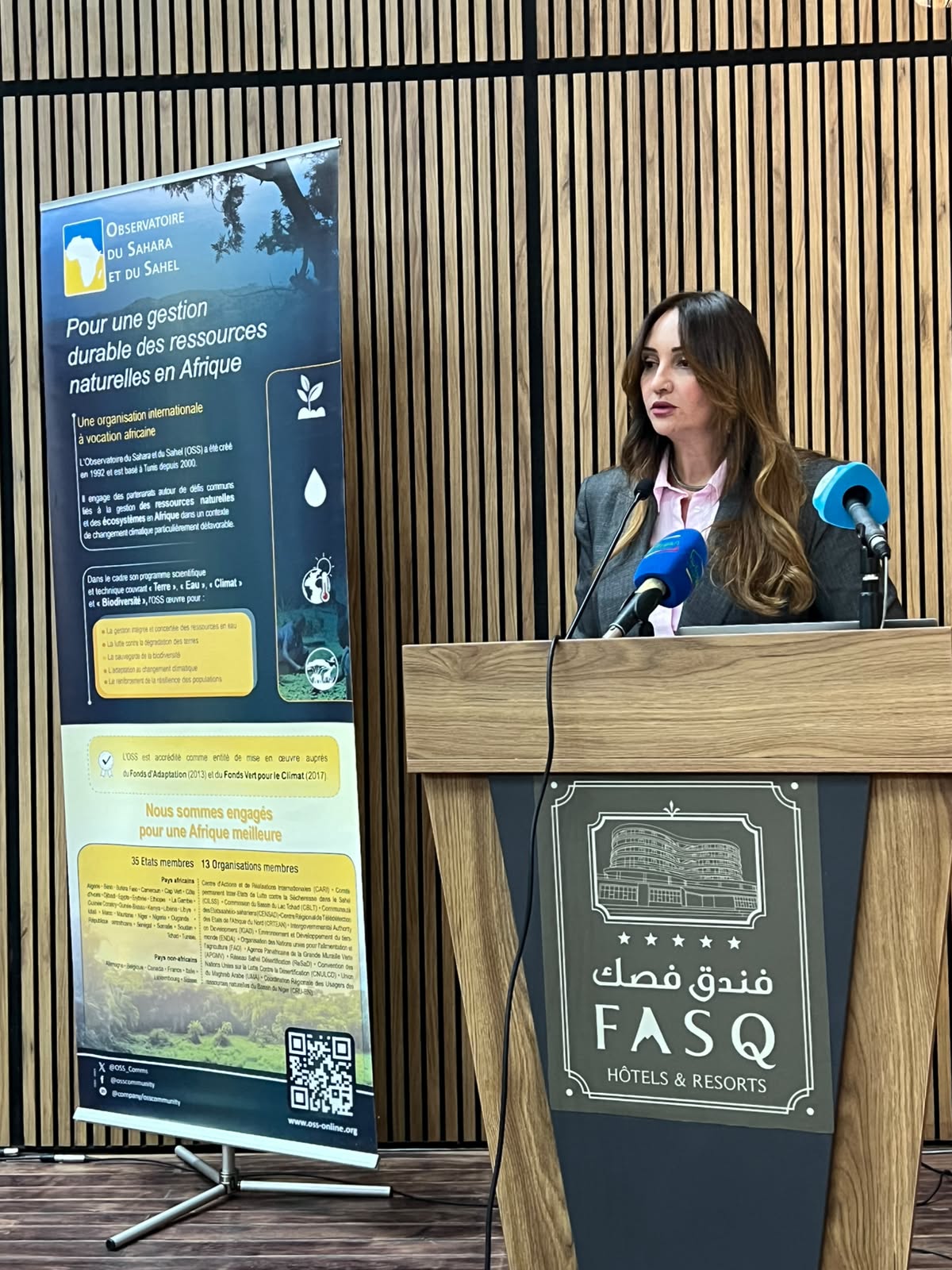
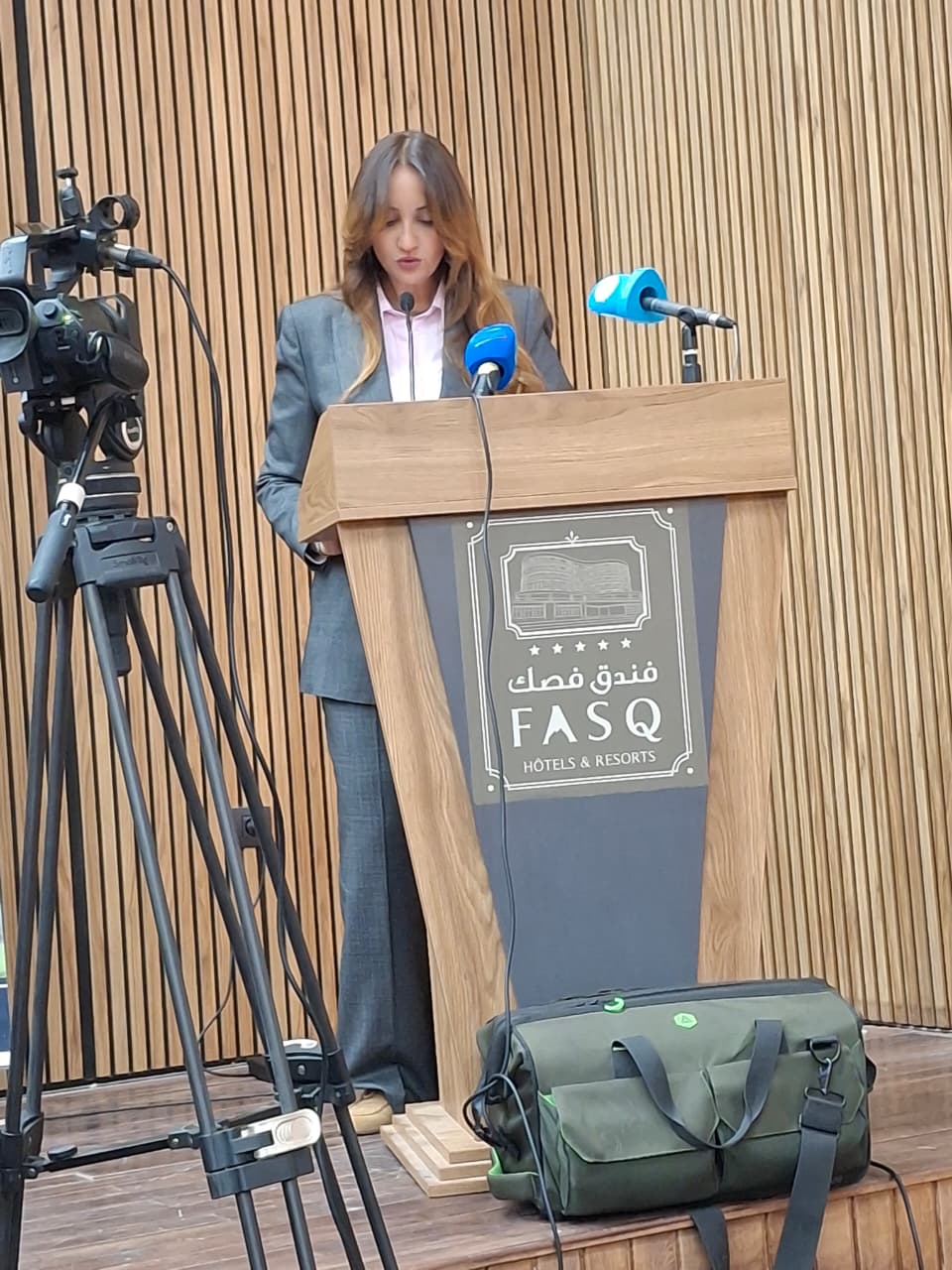
Speaking just a few days after the close of COP31, Ms Khaoula Jaoui, Coordinator of OSS Technical Programmes, emphasised the urgency of translating international commitments into concrete action for the benefit of the most vulnerable communities.
Beyond ecosystem restoration, the challenge is to create the conditions that will enable communities to build sustainable livelihoods from their territories. Promoting local products, developing ecotourism and diversifying income sources are among the key pathways for strengthening economic resilience. Ms Jaoui also highlighted the need for an inclusive approach that takes into account the needs of agropastoral communities and transhumant livestock herders in the sustainable management of water and grazing resources, while reaffirming OSS’s commitment to working alongside its national partners.
Strategic investments to support territorial development
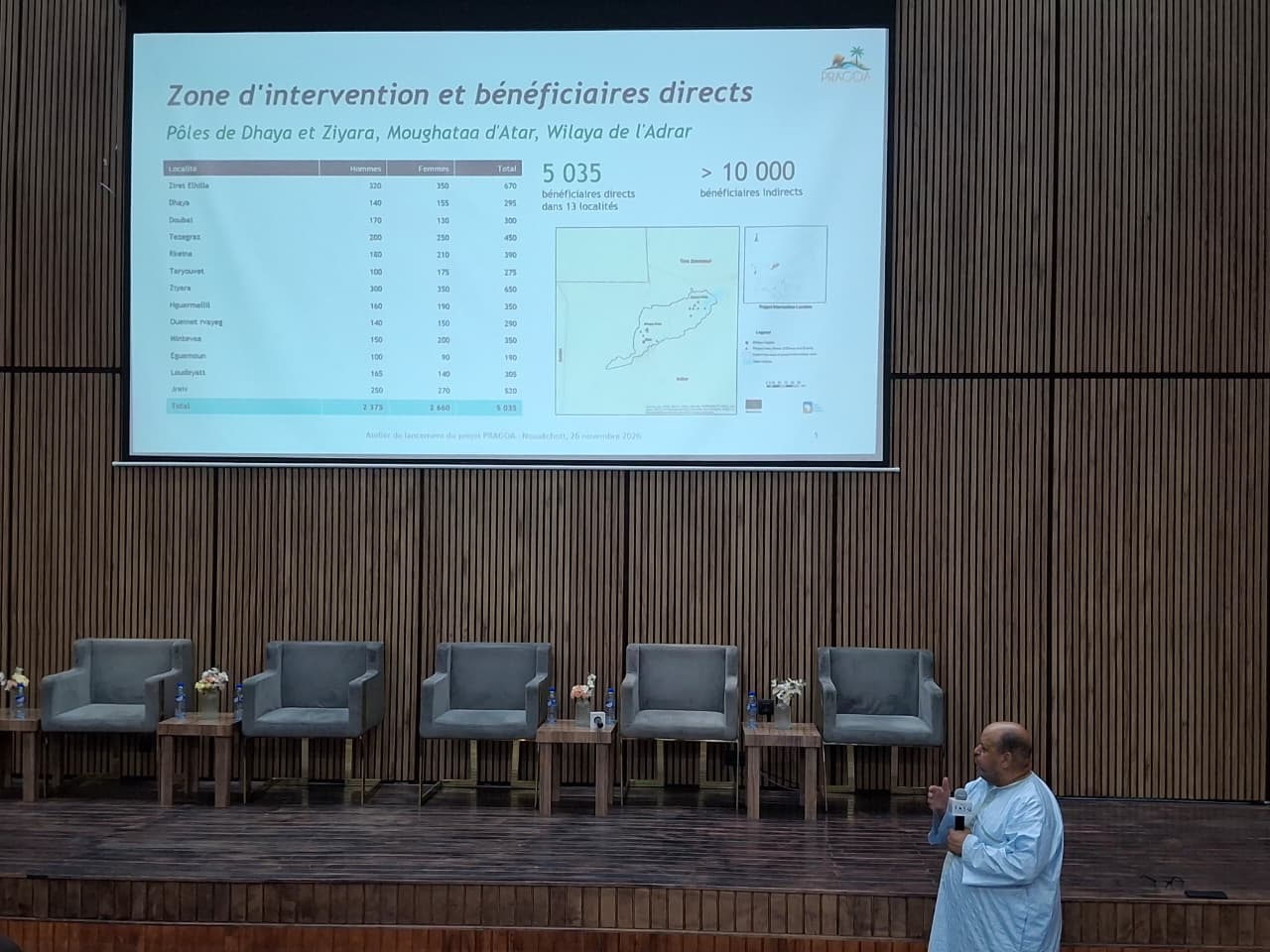
Implemented over a four-year period, PRAGOA aims to improve the living conditions of 5,035 people across 13 localities in the Adrar region. The project is built around an integrated approach combining water security, ecosystem restoration, economic diversification and local capacity building.
Planned interventions include:
By addressing both the preservation of natural resources and the improvement of livelihoods, PRAGOA demonstrates how climate finance can support strategic investments that bring together adaptation, economic inclusion and territorial development.
OSS, a strategic partner in mobilising climate finance
Built on a long-standing partnership between Mauritania and the Sahara and Sahel Observatory, PRAGOA reflects the complementarity between national adaptation priorities, regional expertise and civil society engagement.
As a regional entity accredited to the Adaptation Fund, OSS supports African countries in structuring projects, mobilising international climate finance and overseeing implementation. Through PRAGOA, the Observatory is putting this expertise at the service of Mauritania’s national priorities and the needs expressed by local communities.
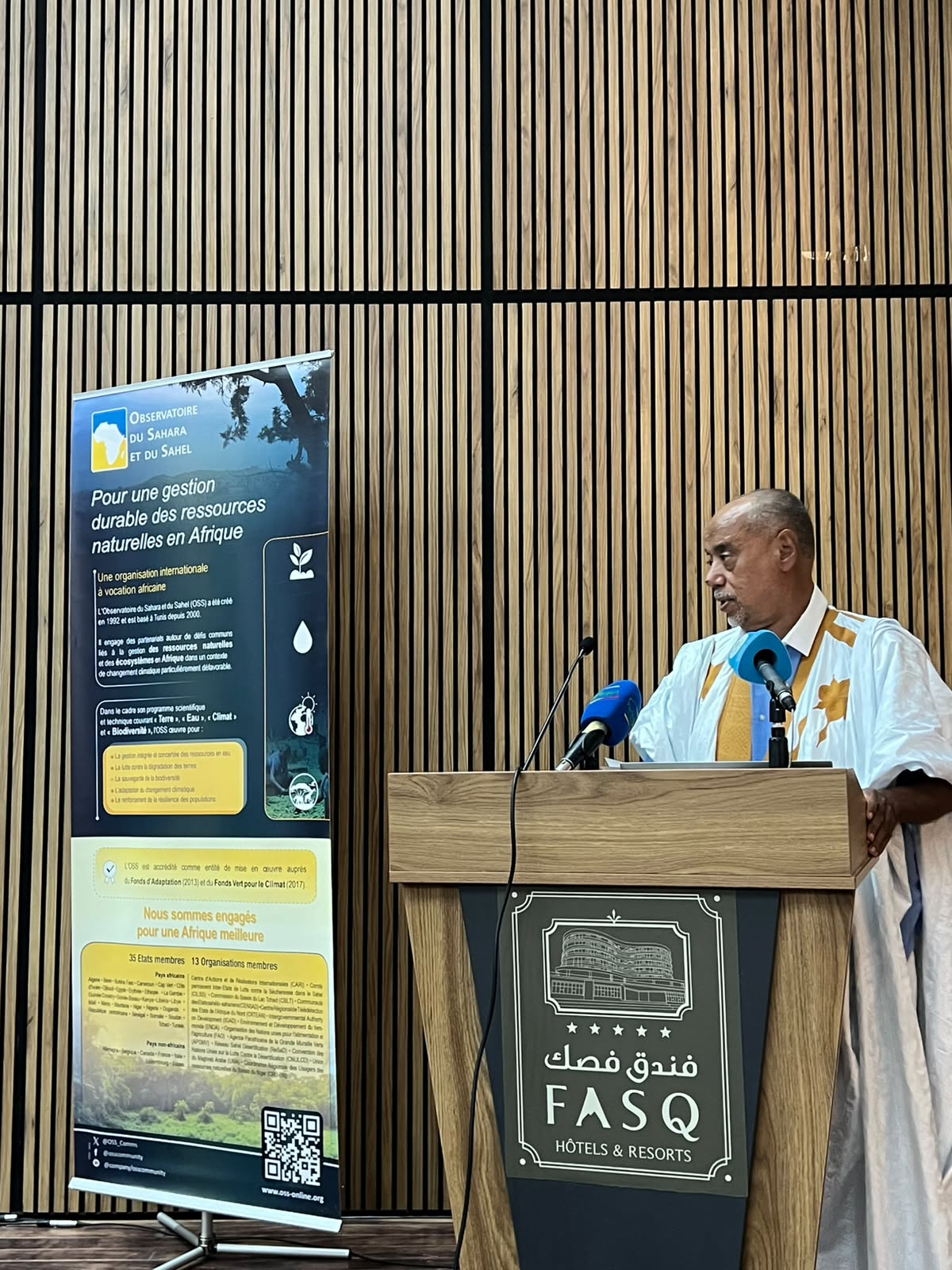
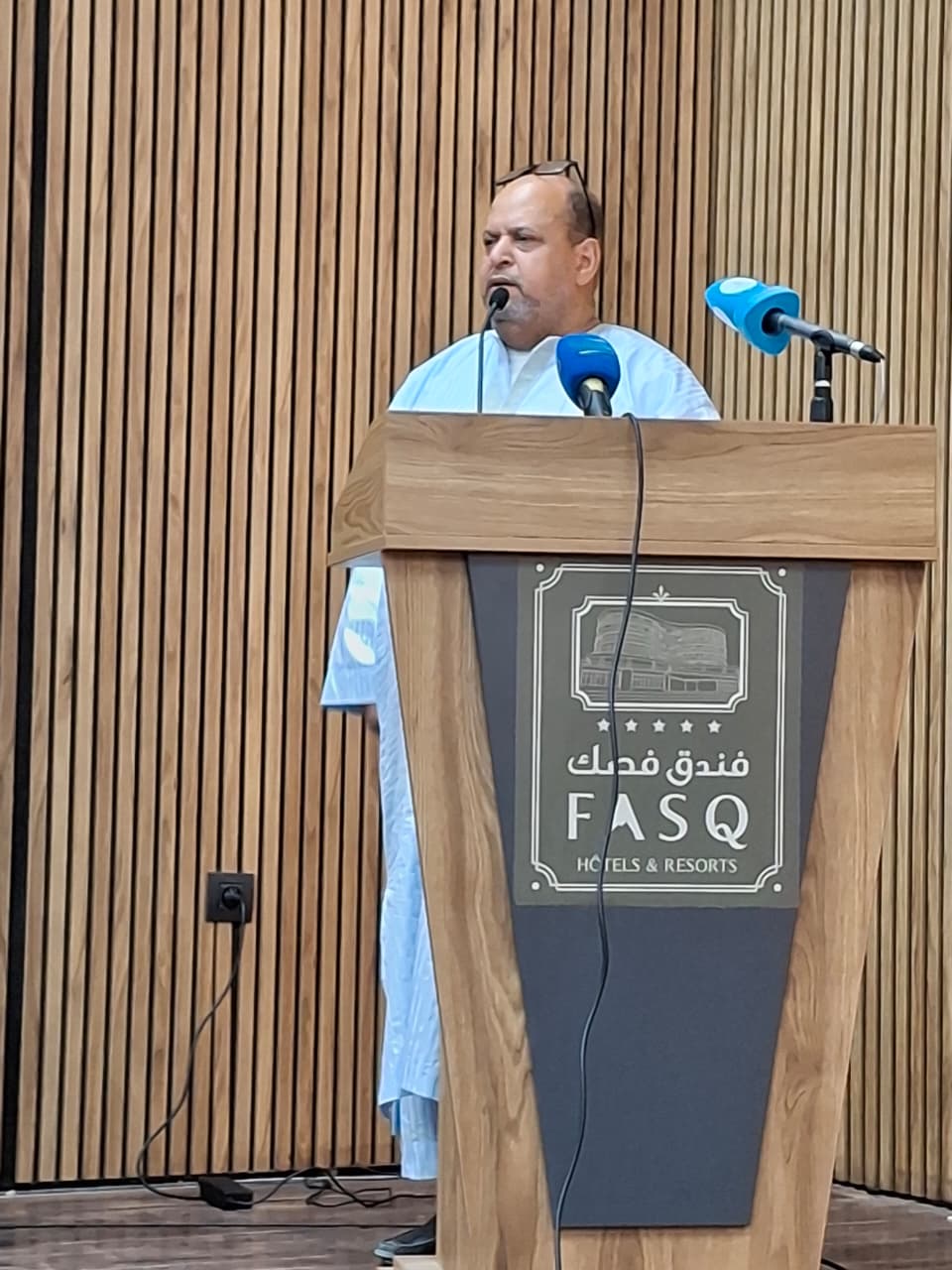
Mr Sidi Mohamed El Wavi, Special Adviser and Senior Adviser to the Minister, and Mauritania’s Designated Authority to the Adaptation Fund, and Mr Souleymane Mahaha, President of SOS-OASIS, provided an overview of the context and origins of the initiative, which emerged from the needs expressed by the communities of Ziyara and Dhaya.
Project implementation will rely on clearly defined and complementary responsibilities: the Ministry of Environment and Sustainable Development will provide national oversight; OSS, in its capacity as the accredited entity, will support and supervise implementation; and SOS-OASIS will coordinate activities on the ground.
Building a sustainable future for oasis territories
The technical discussions held during the workshop helped clarify the project’s operational arrangements and gather recommendations from local stakeholders. From the first year of implementation, communities will be directly involved in selecting the infrastructure to be rehabilitated and identifying priorities for their local adaptation plans, thereby strengthening ownership and the long-term sustainability of investments.
Through PRAGOA, Mauritania and OSS are taking a new step forward in their cooperation on climate adaptation. The initiative reaffirms the Observatory’s strategic role in supporting its member countries and opens new opportunities to place climate finance at the heart of territorial development dynamics.
Preserving oases means safeguarding a heritage, sustaining living spaces and giving future generations the means to build their future within their own territories. By placing communities at the heart of climate action, PRAGOA embodies this ambition: to make environmental resilience a driver of sustainable economic and social development.
Held on January 28, 2025 in Tunis, the 27th session of the Strategic Orientation…
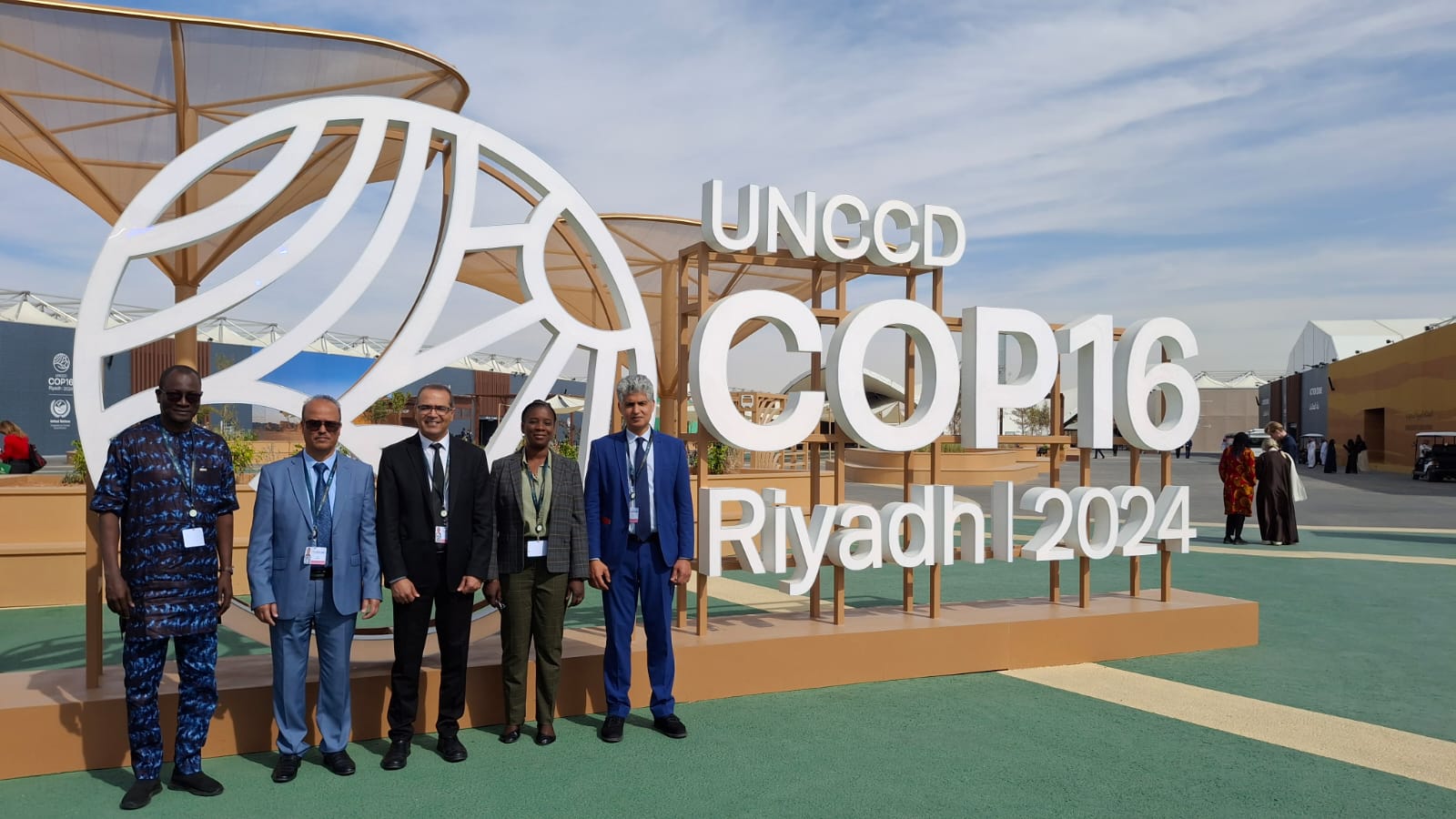
The participation of the Sahara and Sahel…
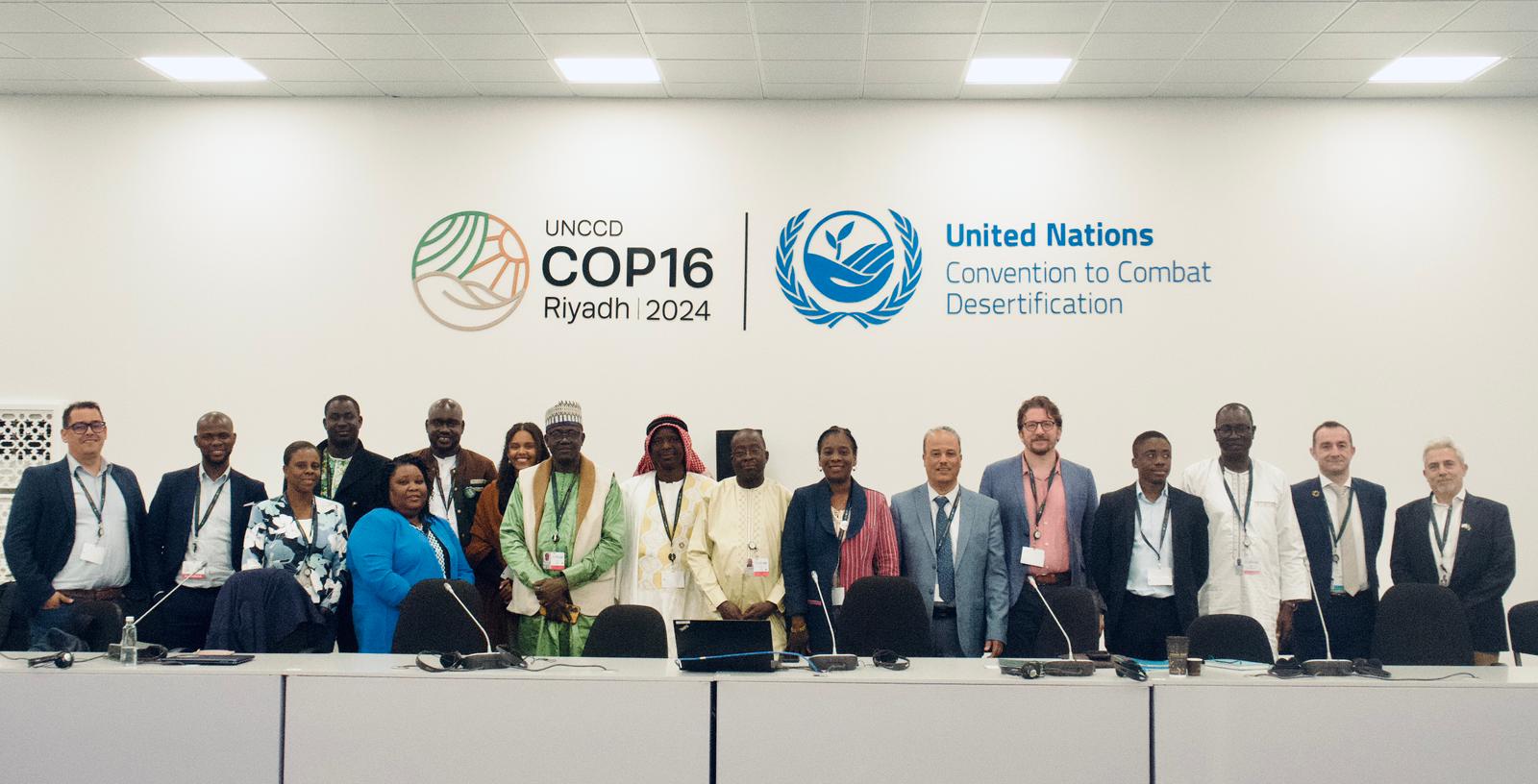
OSS Side Event at COP16: Strengthening Resilience in the Sahel through Multi-…